
Summer Nature Trips in Dilek Peninsula: Places to Visit and Hiking Prep
Published: October 13, 2026 • Reading Time: 7 min • Last Updated: October 13, 2026
Plan a summer visit to Dilek Peninsula with practical guidance on coastal stops, walks, heat preparation, transport, and protecting the natural area.
Contents
A summer trip to Dilek Peninsula calls for a plan that balances coastal time, forest walking, and the day’s heat. This guide explains the main kinds of visitor experiences, how to choose a suitable walk, what to bring, and how to protect the natural setting. Check current official visitor information before setting out. If you travel by car, confirm access arrangements and any rental details that apply to your reservation with the relevant office.
What a summer visit to Dilek Peninsula is like
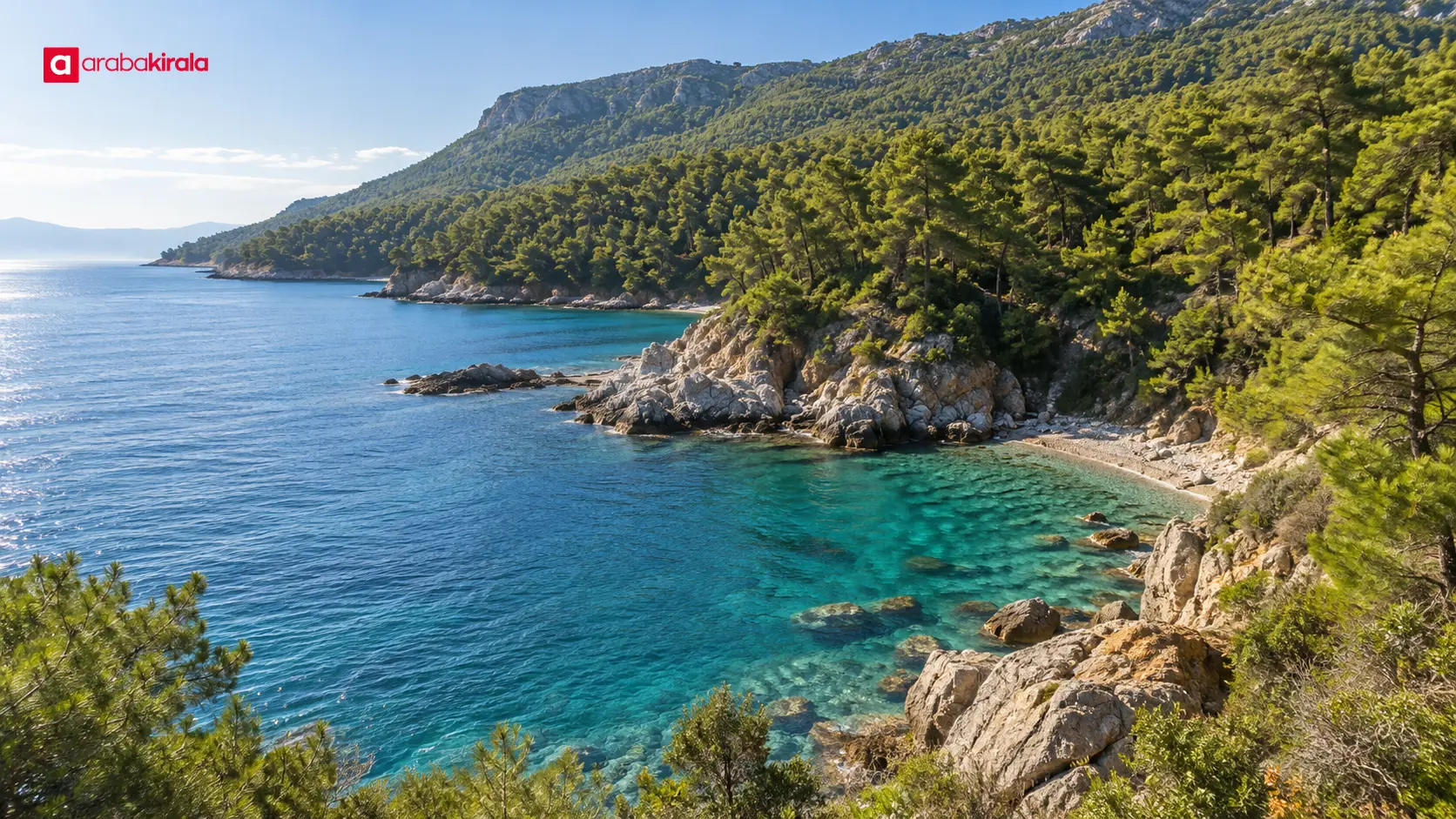
Dilek Peninsula–Büyük Menderes Delta National Park is a broad protected area on the Aegean coast where forest, coves, and coastal habitats meet. A day here need not be limited to a beach stop: a short nature walk, a viewpoint break, and time in nearby settlements can make for a more varied itinerary. The area is extensive, and visitor levels can vary, so it is more practical to choose priorities than to try to cover every point in one day.
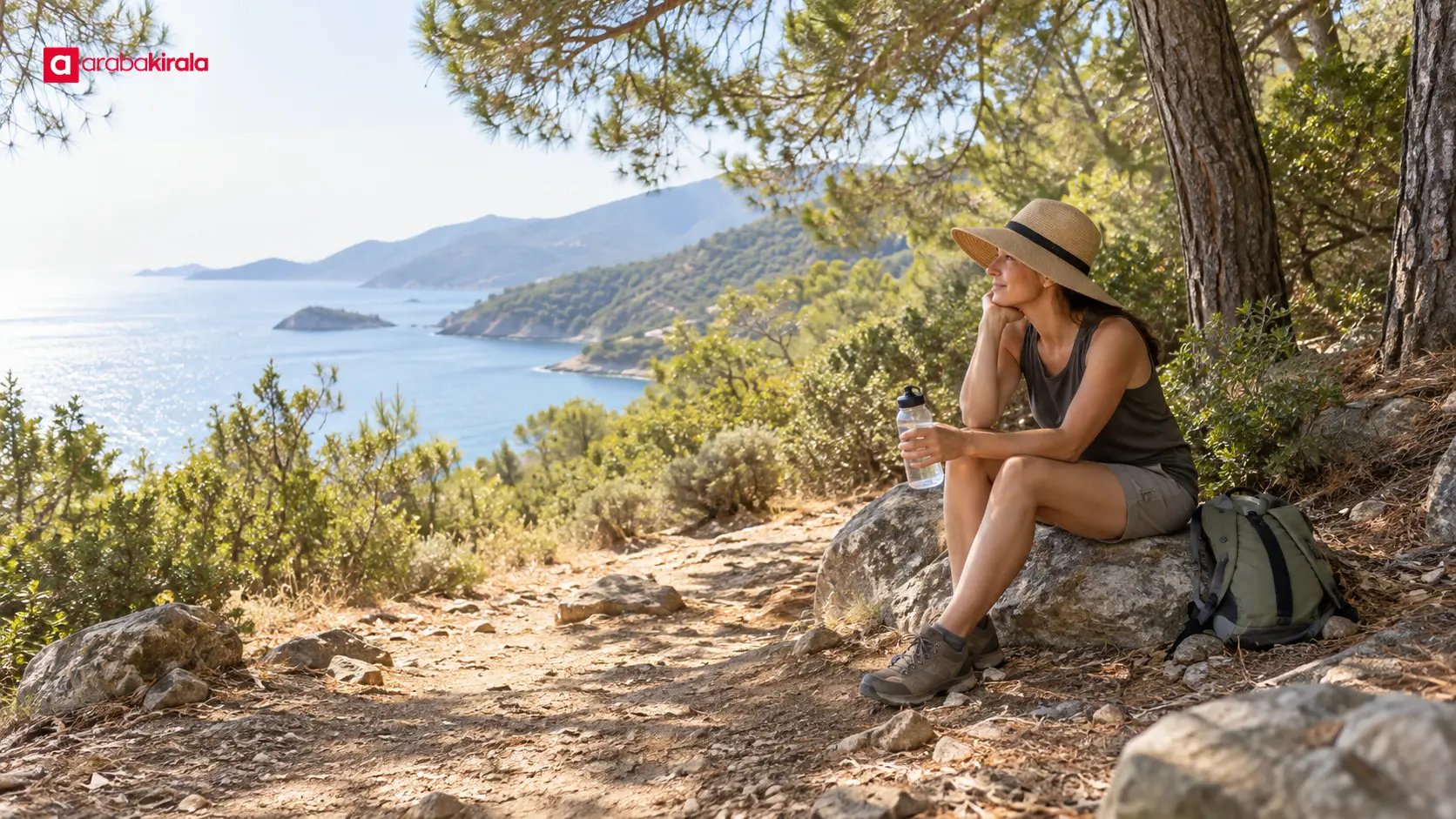
In summer, an exposed coast can feel very different from a shaded forest path. A breeze by the sea does not remove the need for sun protection or drinking water. Scheduling a walk or more strenuous activity earlier in the day, then leaving the hottest hours for rest or a shaded stop, can make the outing more comfortable. Weather, access, and park management notices may affect the plan.
Choose the kind of visit that suits you
Coastal and cove stops
The coves are appealing for sea views and a rest by the water. If you plan to swim, assess sea conditions and your own swimming ability before entering. Natural shorelines can have uneven or rocky surfaces; suitable water shoes may improve comfort, but they do not remove the need for care on slippery ground. Children need close supervision near the water.
Do not assume that every cove has facilities, shade, showers, or food available. Confirm the day’s access and services for the area you intend to visit. Carry drinking water so you are not dependent on finding refreshments on site, especially when heat and activity increase your needs.
Forest walks and trails
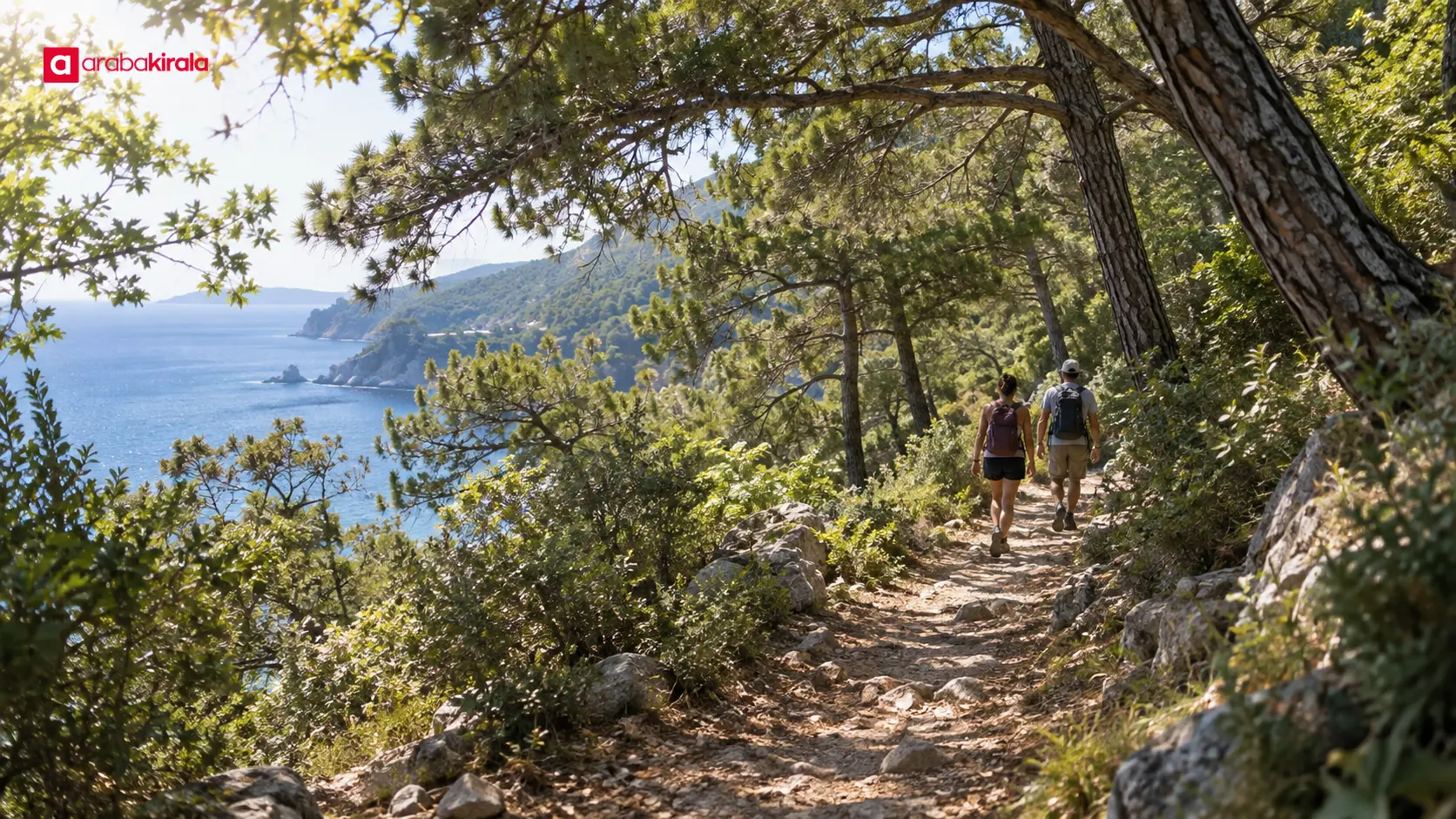
Forest paths require different preparation from a coastal stop. Trail length, elevation, surface, and shade all matter when choosing a route. Do not judge only by a short-looking map distance: reaching the trailhead, returning, and taking breaks all add time. Stay on routes officially open and considered suitable for visitors.
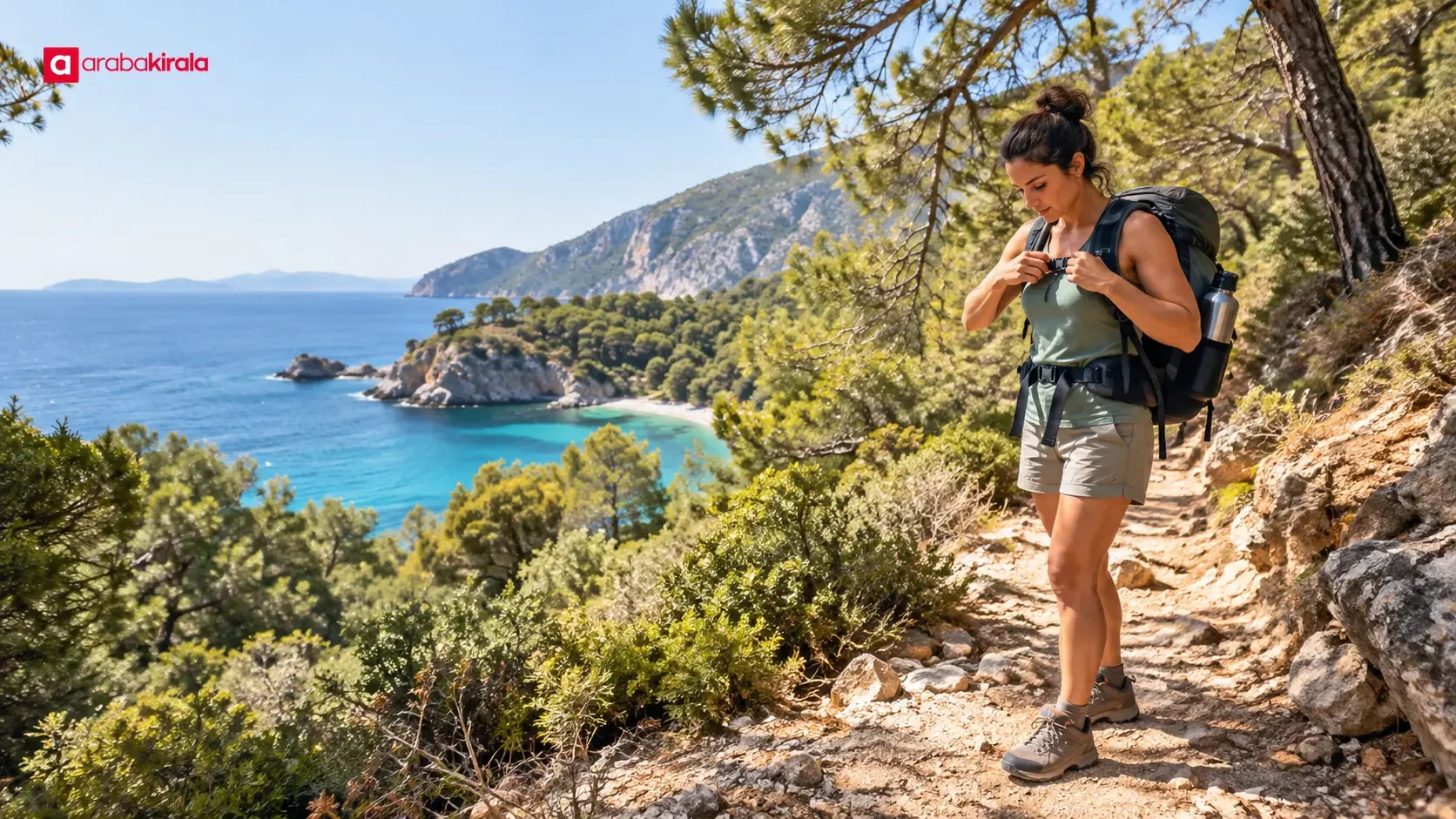
Walking shoes that hold the foot and have a comfortable sole can help on stony or uneven surfaces. Thin-soled sandals may be unsuitable for longer walks or rough trails. Light, breathable clothing, a sun hat, and sunscreen make time outdoors more manageable. Following marked routes helps with navigation and reduces disturbance to vegetation and wildlife.
Viewpoints and nearby places
Visitors who do not want a hike can still add variety with brief scenic stops and time in nearby settlements. Arrange the order of stops around the heat and available transport. If driving between locations, consider parking, entry and exit points, and road conditions; access is not necessarily the same at every point inside a protected area. Use current announcements from park management and official channels for local access information.
Prepare before setting out
Start by deciding how much time and effort your group wants to spend. A short walk near the coast and a several-hour forest route have different needs. Fitness, children’s needs, mobility requirements, and the day’s temperature should all shape the choice. Before departure, check the forecast, park visitor notices, and any temporary closure announcements.
- Bring enough drinking water for your needs and keep it easy to reach throughout the day.
- Use a hat, sun protection, and light breathable clothing; do not skip protection because you expect shade.
- Wear footwear suited to walking and carry a charged phone, basic first aid items, and any personal medication you need.
- Share the starting point, return route, and approximate finish time with the people in your group.
- Be ready to shorten or stop the walk if anyone becomes tired, overheated, or conditions change.
Phone reception and battery life may vary by location. Reviewing map information before departure and using power-saving settings can help. Still, do not rely on a digital map as your only navigation aid; follow official guidance and on-site markers. If you feel unwell, move to shade, stop exertion, and seek emergency help when needed. Suspected heat illness requires cooling and prompt medical attention.
Protect the natural area
National parks are managed to protect sensitive ecosystems and wildlife. Carry your rubbish out and dispose of it at an appropriate facility; do not collect plants, stones, or other natural materials. Approaching, feeding, or disturbing wildlife for a photograph can disrupt natural behavior. Observe animals from a distance and keep food secured.
In forested areas, fire and cigarette sources can have severe consequences, particularly in summer. Follow current park rules and use only areas where an activity is permitted; do not assume that fires or picnic equipment are allowed. Drivers should park only where permitted and keep roads clear for other visitors. Keeping noise low makes the area more peaceful for wildlife and people alike.
Plan transport and the day
Choose your starting point, intended stops, and return time before setting out. Whether using public transport, a private car, or a rental, check current routes and access to the park. Drivers should plan fuel and rest stops and make basic safety checks before driving. For a rental vehicle, clarify reservation-specific matters such as pickup and return locations, permitted use, fuel arrangements, and roadside assistance with the office you will rent from.
Leave time to rest during the hottest part of the day instead of filling every hour with a cove and a walk. Check in advance whether food and drink are available; do not assume services are on hand. If you plan to visit nearby settlements after the park, include travel time and enough time for the return journey. A little flexibility makes it easier to enjoy the natural area without rushing.
A flexible, prepared route
A rewarding summer trip to Dilek Peninsula comes from matching your choices to the weather, your group’s energy, and current access. You might pair one coastal stop with a short walk or focus on a single area. Before you go, review official visitor notices, prepare water and sun protection, stay on marked routes, and carry out your waste. If your transport involves a rental car, resolve reservation and office-specific details before departure.
Frequently Asked Questions
What time of day is best for a summer walk in Dilek Peninsula?
Avoiding long or strenuous walks during the hottest hours is generally more comfortable. Morning is a useful time to consider, along with checking the forecast and park notices. Keep the option to shorten the walk if conditions change.
Can I visit a cove and hike on the same day?
That depends on access to the chosen cove and trail, walking time, group pace, and temperature. Choosing one main activity and a shorter additional stop is usually easier to manage than packing in every location.
What should I wear for a walk?
Footwear that holds the foot, light breathable clothing, a hat, and sun protection are useful. Trail surfaces and distances vary, so sandals or slippery soles can make comfort and balance more difficult.
Are food, water, and shade available in the national park?
Availability can vary by visitor area and current operations. Bring drinking water and confirm food, shade, and other services through official visitor information before your trip.
How should I behave around wildlife and rubbish?
Observe wildlife from a distance, do not feed it, and leave natural materials in place. Carry your rubbish with you until you can dispose of it properly. These habits help protect habitats and keep the visitor area clean.
What should I check about access and a rental car?
Use official channels to check current vehicle access and ways to reach visitor areas. Ask the rental office about pickup and return points, permitted use, and other reservation-specific details. Do not assume that every part of the park can be reached by car.
Legal Disclaimer: All content, articles and information on the Araba Kirala website are provided solely to inform users. No information shared on this website constitutes definitive advice or guidance. Araba Kirala Teknoloji A.Ş. and its authors cannot be held responsible for any direct or indirect damages arising from the application of information on the website. For all questions and requests regarding car rental, please contact the office from which you will rent your vehicle.












