Thermal Management in Electric Cars: Driving and Charging Efficiency
Published: October 11, 2026 • Reading Time: 7 min • Last Updated: October 11, 2026
Learn how battery and cabin temperature affect electric vehicle range and charging, and get practical guidance for preparing for different weather conditions.
Contents
- What does thermal management mean?
- How temperature changes driving efficiency
- Energy demand in cold weather
- Cooling demand in hot weather
- Why battery temperature affects charging
- Practical steps for different weather
- What to check before taking a rental electric car
- Conclusion: monitor temperature and adapt to conditions
- Frequently Asked Questions
Electric car battery thermal management covers the systems and settings that help keep a battery within suitable operating temperatures. This guide explains why temperature affects driving range and charging speed, what features such as a heat pump or battery preconditioning can do, and which practical steps can help before and during a trip.
What does thermal management mean?
A battery generates heat as it stores and delivers electrical energy, while outdoor temperature also changes the conditions in which its cells operate. The thermal management system monitors battery temperature and may cool or warm the pack when needed. Depending on the vehicle design, this can involve coolant circuits, airflow, electric heaters, and software controls working together.
Cabin climate control and battery temperature regulation can interact, but they are not the same function. A vehicle may condition the cabin and battery together, or manage them separately. A heat pump can move heat from outside or elsewhere in the vehicle to help warm the cabin with less energy than some other heating methods. Availability and operation depend on the model, equipment, and conditions. Check the owner’s manual for your vehicle’s thermal management and preconditioning features.
How temperature changes driving efficiency
Energy demand in cold weather
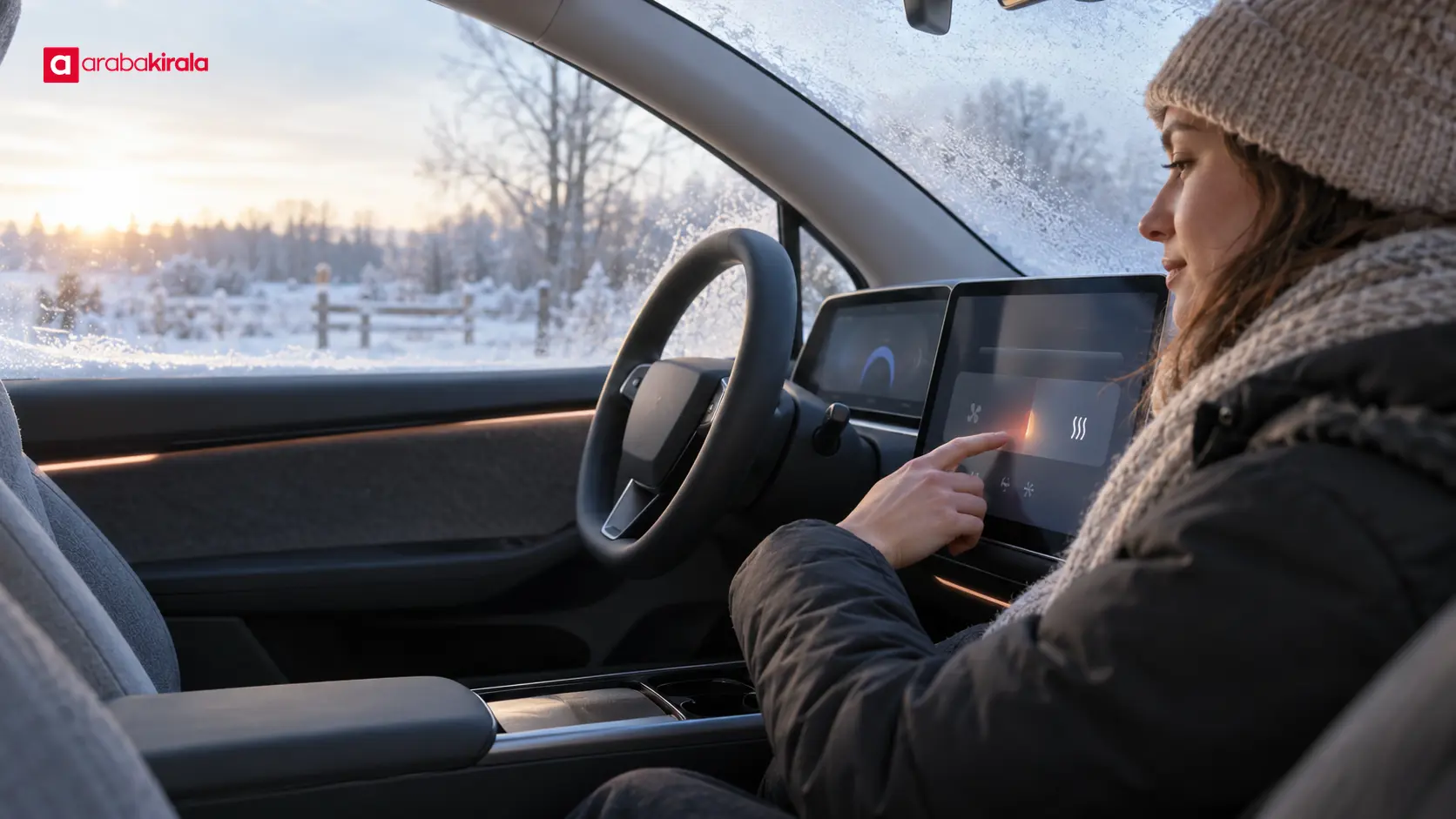
At low temperatures, a battery’s ability to deliver and accept energy can temporarily slow. Warming the cabin and, in some vehicles, the battery also uses energy. These effects can mean higher consumption and a lower displayed range than in mild weather on the same route. The size of the effect depends on outside temperature, trip length, speed, elevation, vehicle load, tires, and heating settings. A single range change should not be treated as universal.
On a short trip, bringing a cold cabin up to a comfortable temperature each time can make climate control a more visible share of total energy use. On a long, fast journey, aerodynamic drag and speed matter more. For that reason, a temperature reading alone is not enough to predict range. Consider the vehicle’s consumption and remaining-range displays alongside the actual route and conditions.
Cooling demand in hot weather
In high temperatures, cooling the battery and cabin uses energy. Long exposure to direct sun, fast driving, or repeated intensive charging can add thermal load. A vehicle may limit power or charging speed to protect its components; the response varies by model and battery temperature. There is no single percentage by which range will fall in hot weather. Climate settings, parking conditions, route, and vehicle design all play a role.
Why battery temperature affects charging
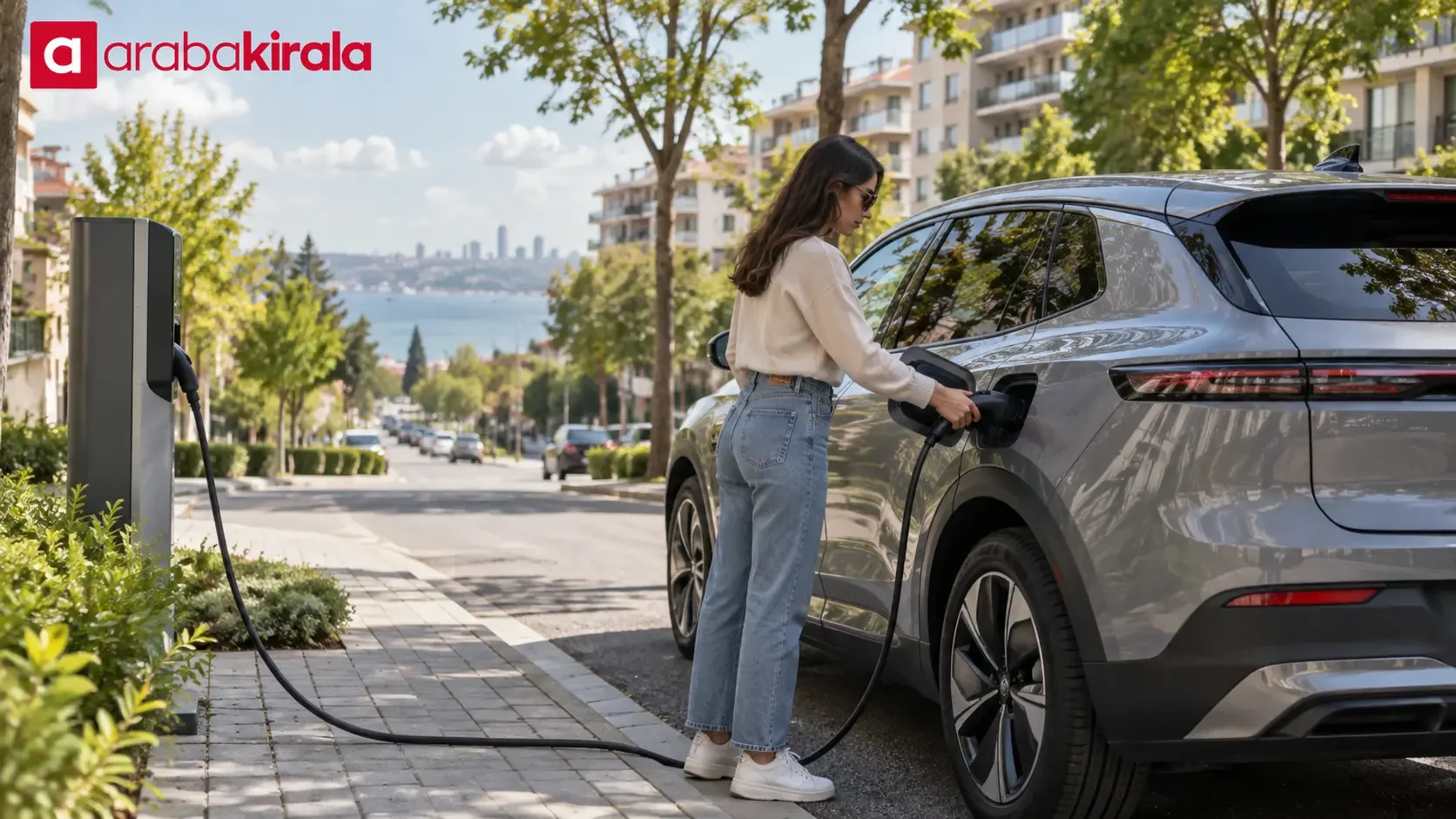
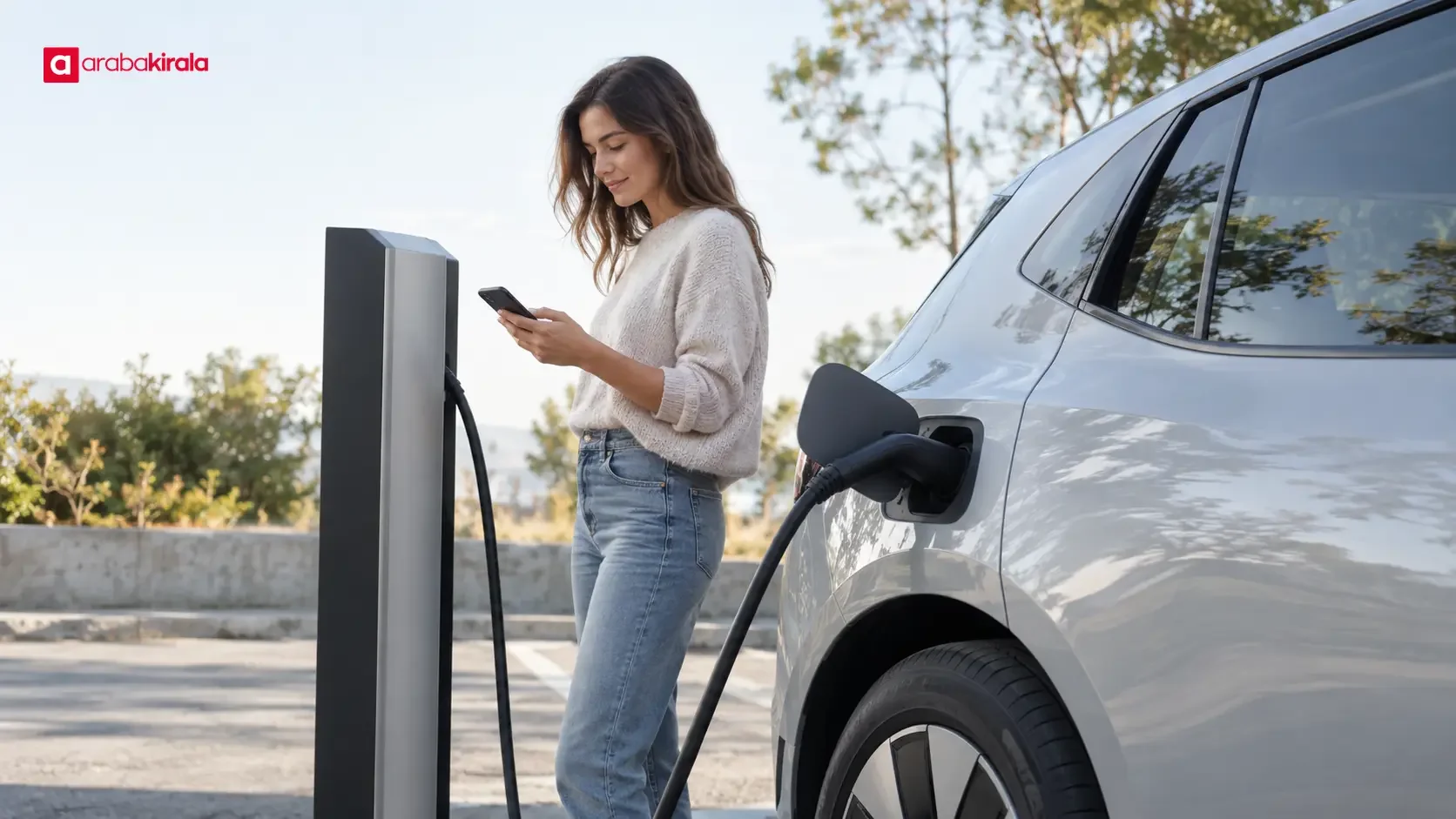
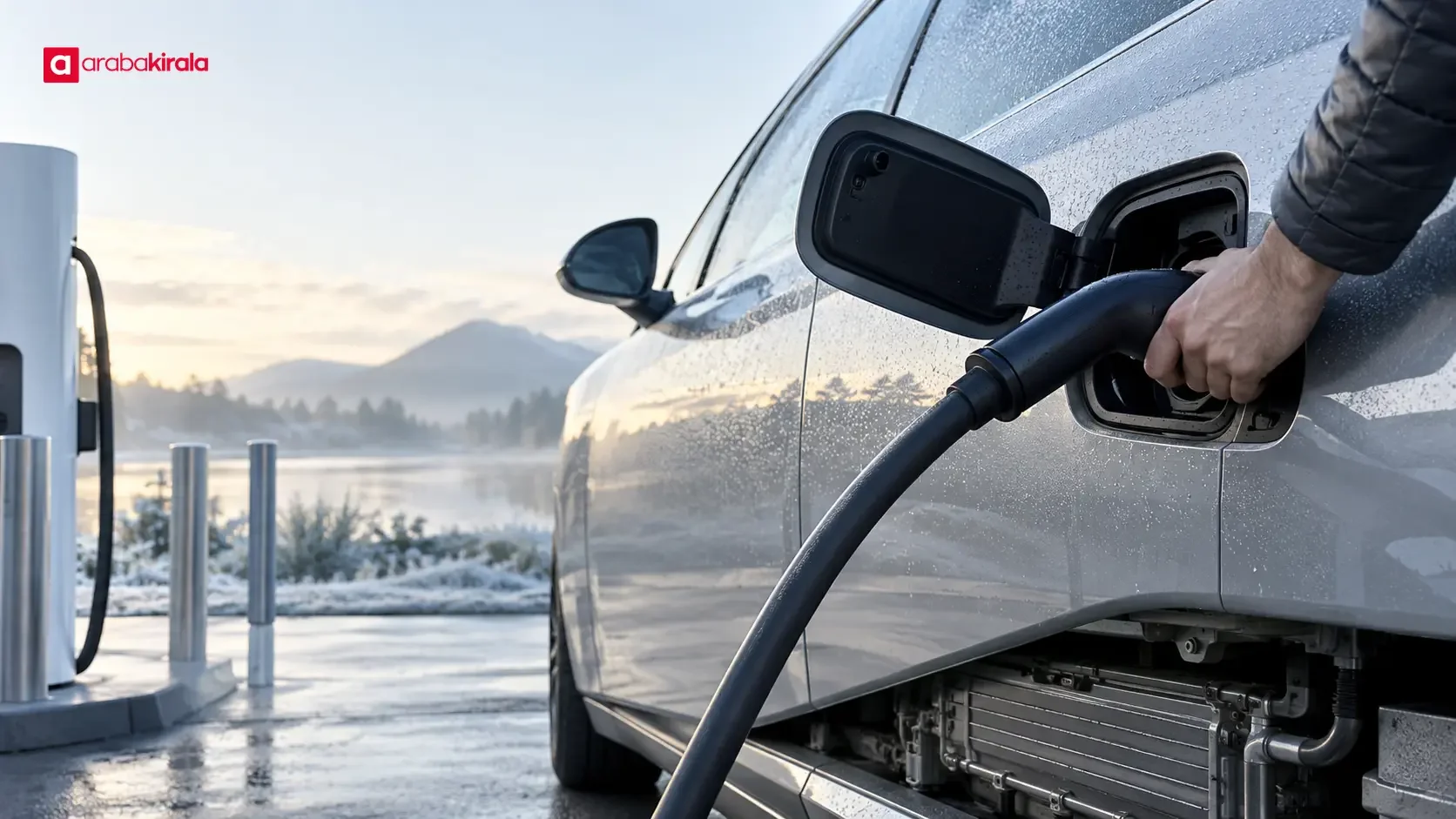
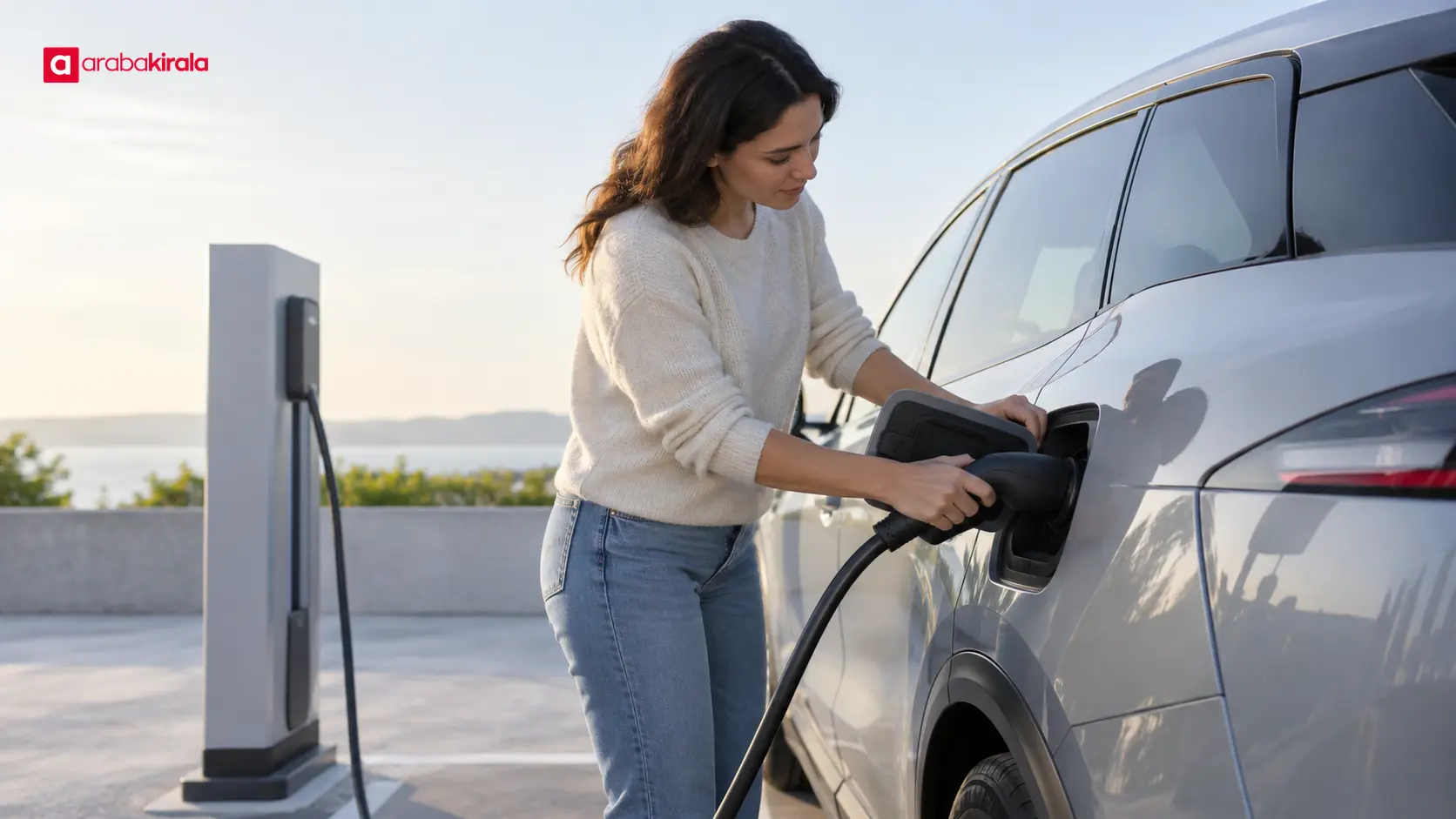
A battery takes in energy during charging and produces heat. If it is very cold or very hot, the vehicle may limit charging power to protect its cells. The peak power advertised for a charging station therefore does not mean that every vehicle will receive that power in every condition. Actual charging speed also depends on battery temperature, state of charge, the vehicle’s charging limits, and available station capacity.
Some vehicles can warm the battery on the way to a fast charger when that stop is selected in navigation. This feature is not available in every vehicle and may operate only under certain conditions. Follow the manufacturer’s instructions when planning a charge stop; do not try an unsupported setting or intervention to change battery temperature or force faster charging. Power and time estimates on the charging screen may update as conditions change.
Practical steps for different weather
- Prepare the cabin before departure: If the vehicle has scheduled climate control, use it as described in the manual. Preconditioning while plugged in may help warm or cool the cabin while reducing energy drawn from the driving battery, depending on the vehicle and connection state.
- Set heating and cooling sensibly: Choose a comfortable setting rather than an unnecessarily high heating or cooling level. If the vehicle has local comfort features such as heated seats or a heated steering wheel, they may reduce the need to heat the whole cabin as much; operation depends on the model.
- Plan the route and charging stop: In cold weather, it can take time for a battery to become ready for fast charging. If the vehicle supports battery preconditioning through navigation, follow the manual and leave a reasonable charging margin. Reassess the plan if weather or traffic changes.
- Choose sheltered parking when practical: Parking out of strong sun or severe cold may make cabin temperature management easier. This does not guarantee a particular battery outcome; the vehicle continues to manage its own thermal conditions.
- Watch charging behavior: If charging power is lower than expected, read the vehicle’s messages, check that the connection is secure, and follow the manual. Do not force the connector, use damaged equipment, or attempt an unsafe intervention.
- Learn the vehicle’s controls: Find the energy screen, battery temperature alerts, and charging settings before setting off. If you rent an electric car, ask the branch where you are renting about using the battery display, charging connector, and relevant menus during handover.
What to check before taking a rental electric car
When driving an electric car for the first time, do not treat the battery percentage as the only information you need. The displayed range estimate can reflect recent driving style, temperature, and climate control use. For your planned route, understand charging access, the connector type used by the vehicle, and how its navigation suggests charging stops. Ask the branch where you are renting what charging equipment comes with the vehicle, how to use it, and what charging arrangements apply during the rental. These details can vary with the service and the specific vehicle.
At handover, ask where to find the manual, how to open the charging port, where the screen shows charging status, and how to adjust climate settings. If the vehicle displays a battery warning or charging restriction, clarify what it means before setting off. Do not plan around an unverified assumption about charging time, range, or included equipment.
Conclusion: monitor temperature and adapt to conditions
Thermal management keeps the battery within suitable operating conditions while influencing energy use during driving and charging. Cold-weather heating and battery preparation for charging, as well as cooling needs in hot weather, can change performance and range estimates. Learn the vehicle’s features from its manual, use preconditioning according to its instructions if available, and judge remaining range in light of real road conditions. If you are renting an electric car, ask the branch where you are renting about the delivered vehicle’s charging connector and thermal management features before booking.

Frequently Asked Questions
Why can an electric car have less range in cold weather?
Energy delivery from the battery can slow temporarily in the cold, and warming the cabin or battery uses energy. Speed, route, trip length, and heating settings also matter, so the change is not the same for every vehicle.
What does battery preconditioning do?
Preconditioning is a vehicle function that brings the battery closer to a suitable temperature before driving or charging. Some vehicles can activate it automatically when navigation is set to a fast-charging stop. Check the manual to confirm support and operating conditions.
Why might fast charging start slowly in cold weather?
If the battery is very cold, the vehicle may limit charging power to protect its cells. Power can change as the battery warms, and station capacity and state of charge also affect speed. A station’s peak rating is not a fixed charging speed for every car.
Does using air conditioning affect electric car range?
Yes. Heating and cooling draw energy from the battery. The effect depends on weather, cabin settings, trip duration, and the vehicle’s climate system; a vehicle with a heat pump may operate differently.
What should I ask when renting an electric car?
Ask which connector the vehicle uses, what charging equipment is provided, where charging settings are found, and how navigation displays charging points. Confirm these details and any rental-specific charging arrangements with the branch where you book or collect the car.
Legal Disclaimer: All content, articles and information on the Araba Kirala website are provided solely to inform users. No information shared on this website constitutes definitive advice or guidance. Araba Kirala Teknoloji A.Ş. and its authors cannot be held responsible for any direct or indirect damages arising from the application of information on the website. For all questions and requests regarding car rental, please contact the office from which you will rent your vehicle.