Electric Car Charging Plan: Prepare Before You Leave
Published: November 21, 2026 • Reading Time: 7 min • Last Updated: November 21, 2026 • Author: Merve B.
Contents
- Consider the starting charge and destination together
- Road and vehicle conditions that affect range estimates
- A practical plan before leaving home
- 1. Clarify the route and what you need at the destination
- 2. Compare the battery level with expected consumption
- 3. Allow realistic time for a charging stop
- 4. Choose a backup option
- Checks before taking a rental electric car
- Updating the plan during the trip
- Conclusion: set the arrival reserve around your needs
- Frequently Asked Questions
- Related Articles
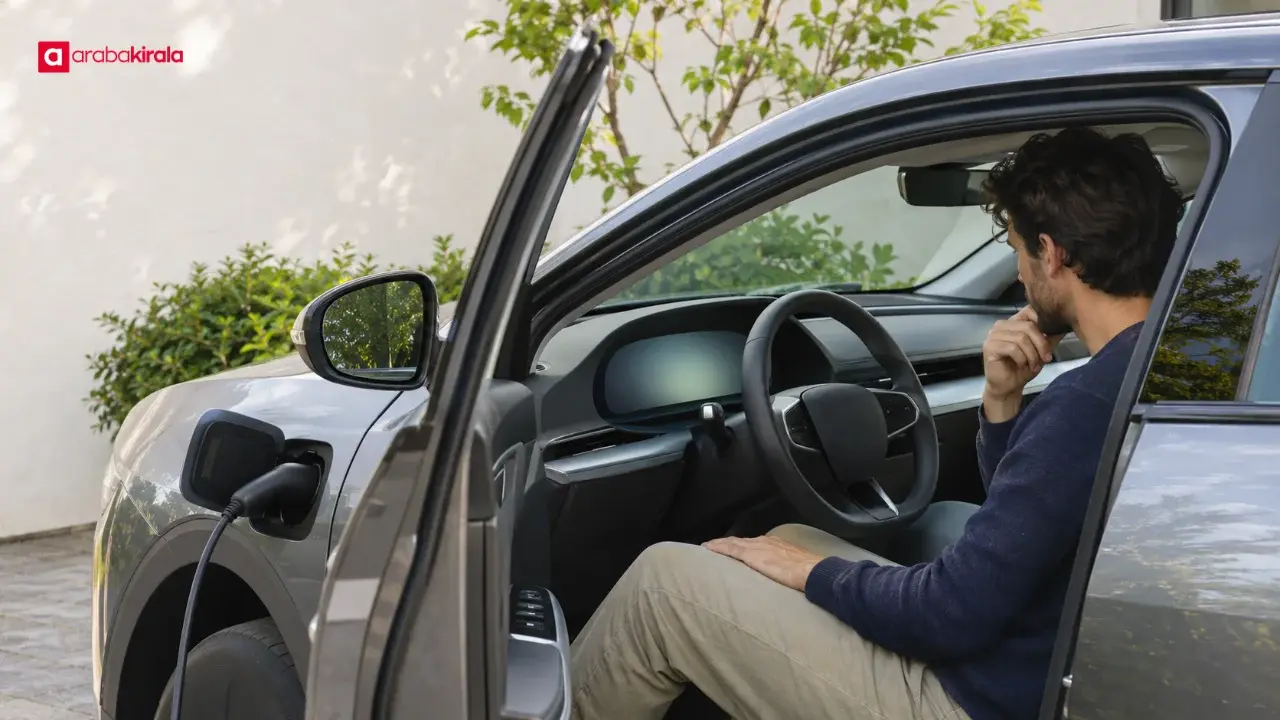
An electric car charging plan is more than checking the battery percentage before setting off. This guide explains how to weigh the starting charge against route conditions, decide how much energy you want at your destination and include a charging stop when needed. The result is a clearer trip plan that does not depend on treating one range estimate as certain.

Consider the starting charge and destination together
The battery indicator describes the vehicle’s current energy level. The range display estimates how far that energy may take you. They are related, but they are not the same measurement. A range estimate can reflect recent driving consumption, so it should not be treated as a fixed promise for every road and weather condition.
The other end of the plan is the energy you want to have on arrival. If charging at the destination is unavailable or uncertain, or you will need the car again soon, consider how much charge should remain after reaching the destination. There is no universal percentage that fits every trip; the right target depends on distance, what comes next and access to charging.
Use a simple framework: starting battery level, estimated route consumption, usable charging options along the way and the reserve you want at the destination. This makes missing information easier to spot. If destination charging is uncertain, include another accessible stop instead of relying on that single option.
Road and vehicle conditions that affect range estimates
Speed and driving style change energy use. Sustained high-speed driving can consume more energy over the same distance than a lower speed. Frequent acceleration and hard braking also affect consumption. Rather than converting map distance directly into a battery percentage, consider the vehicle’s energy estimate alongside the route conditions.
Temperature, rain, wind and road surface can also influence electric vehicle range. Cabin heating or cooling uses energy, while wind and wet roads can affect the effort needed to move the vehicle. The impact varies with the vehicle and conditions, so one fixed consumption rate will not suit every journey.
Elevation matters on longer routes. Climbing requires energy; regenerative braking on descents can recover some energy, but it does not erase the energy used on the climb. Passengers, luggage, tire condition and equipment in use can also affect demand. The vehicle owner’s manual is a better starting point for vehicle-specific guidance than a general assumption.
For these reasons, do not treat a simple “battery percentage equals distance” comparison as certain for every trip. The vehicle’s estimate may update as driving conditions change. Watching estimated consumption along the route helps you notice differences between the initial calculation and actual use.
A practical plan before leaving home
1. Clarify the route and what you need at the destination
Check the total distance, road types, likely traffic and significant elevation changes on a map. Establish whether you will need the vehicle again soon after arriving and whether charging is available there. If a next stop or return journey matters, include it in the energy plan instead of planning only for the first destination.
2. Compare the battery level with expected consumption
Check the battery level and range estimate in the vehicle before departure. If the vehicle’s navigation or consumption history provides a route estimate, consider it alongside current weather and driving conditions. If the estimate does not appear to leave the energy reserve you want at arrival, consider charging before departure or planning a suitable stop along the way.
3. Allow realistic time for a charging stop
A charging break involves more than the minutes spent connected to a charger. Allow for the detour, finding a suitable point and getting back on the road. Charging speed can depend on the vehicle, battery temperature, charge level and charger equipment. Check the manufacturer’s charging guidance and current charger information; do not assume a specific speed or duration will always be available.
4. Choose a backup option
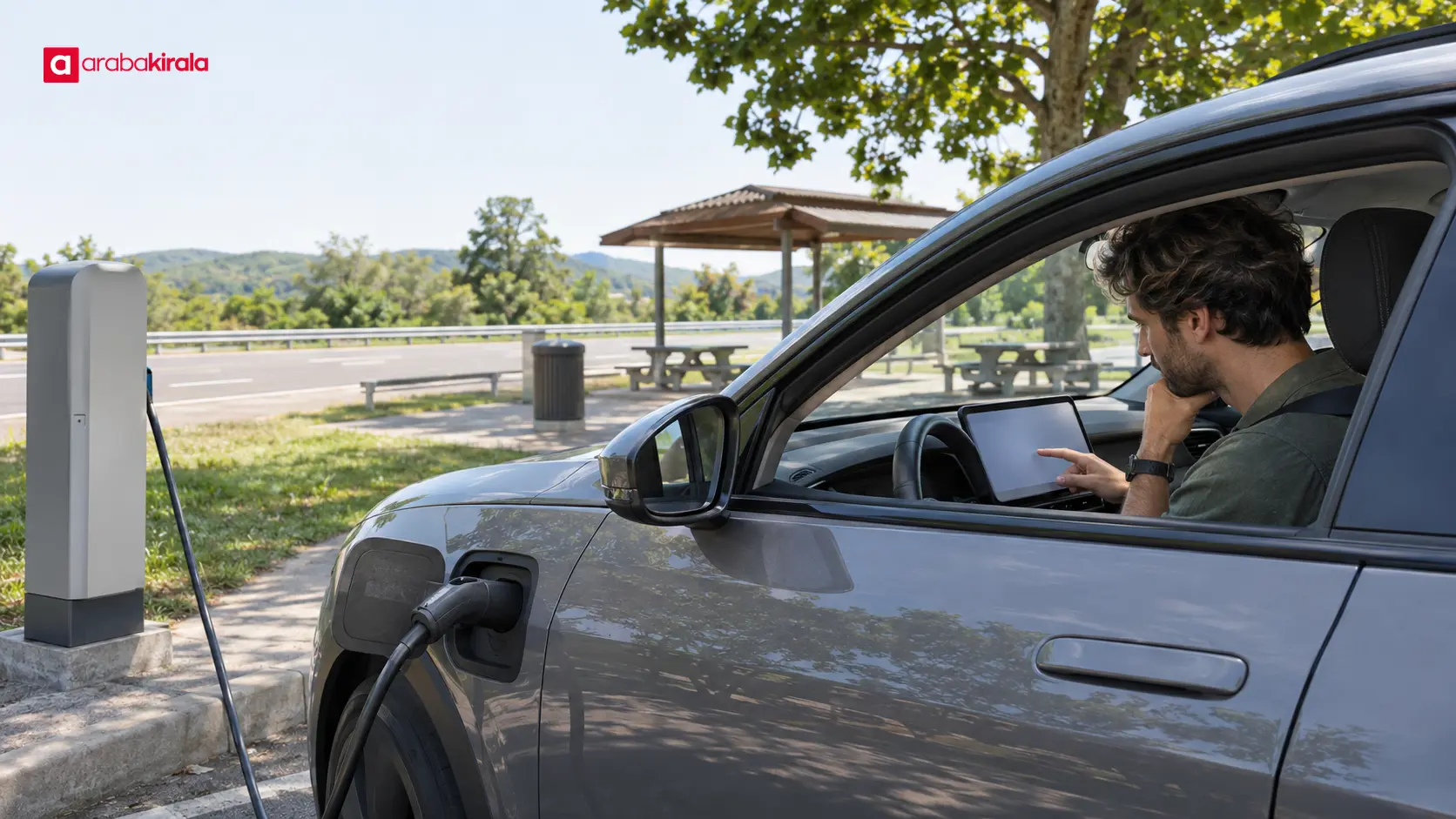
On a longer journey, identifying an accessible alternative along the route reduces reliance on one charging point. Station listings in an app or vehicle navigation do not guarantee that a charger will be available or working when you arrive; conditions can change during the trip. Update information before setting off where possible, and pull over somewhere safe before reviewing the plan rather than handling a screen while driving.
Checks before taking a rental electric car
When travelling in a rental vehicle, evaluate the battery level at pickup against the distance you plan to drive. Range displays, charging connections and navigation features differ by model. Before setting off, familiarize yourself with the indicators, whether a charging cable or other equipment is included, and the vehicle’s specific operating guidance. This reduces uncertainty once you are on the road.
Ask the location where you will rent the vehicle about branch- or reservation-specific details such as the pickup charge, expected return charge, charging equipment use or roadside assistance. These are not universal industry rules. Read how pickup and return condition are recorded in your agreement; a photo of the display can also be useful for your own notes.
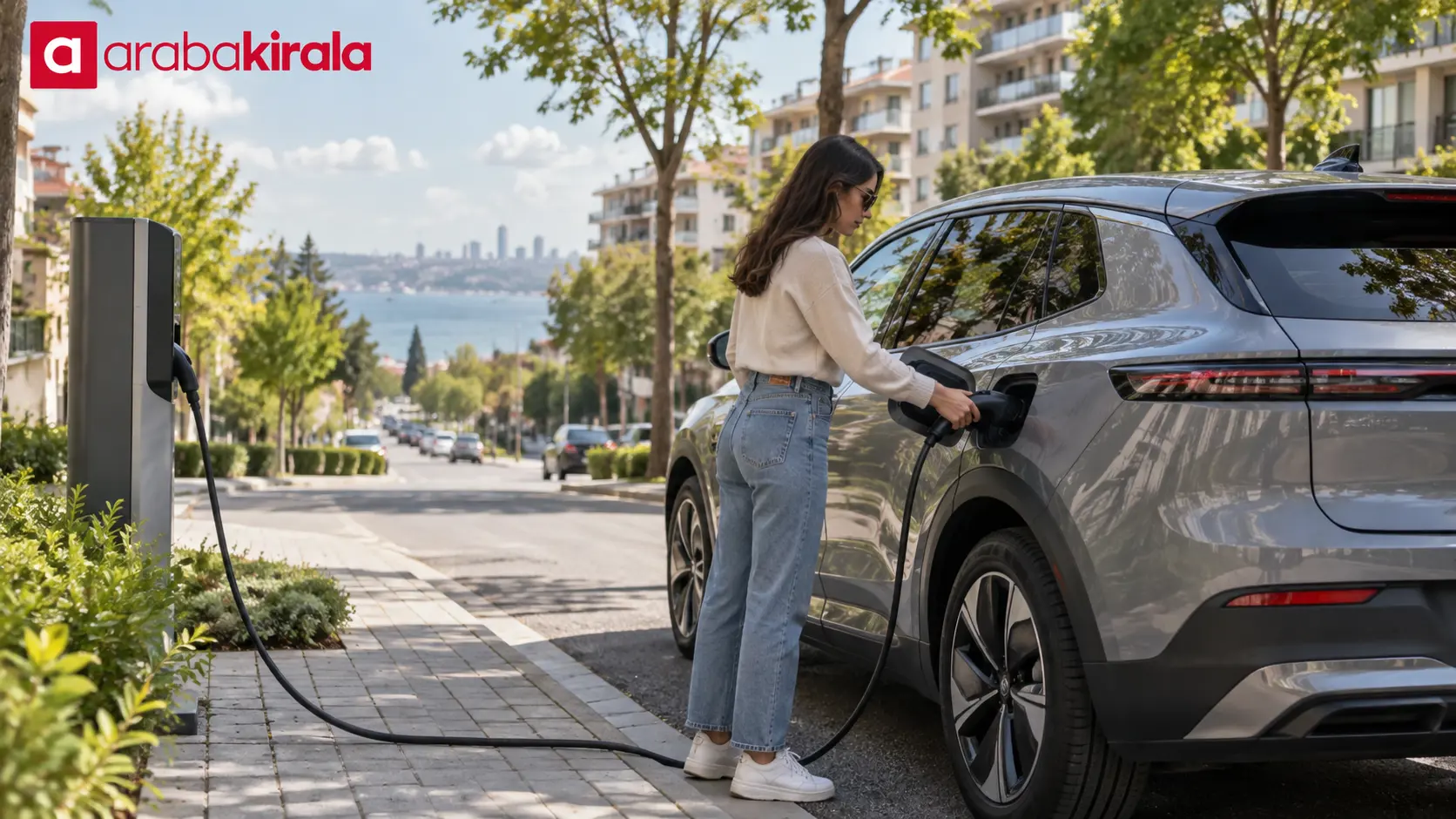
If you have limited experience with electric vehicles, ask the staff at pickup to show you how to open the charging port, connect the cable and start a charge before the vehicle leaves. Interfaces differ between models. The manufacturer’s manual is the most direct reference for the specific vehicle. If charging equipment appears damaged, do not try to use it; contact the pickup location.
Updating the plan during the trip
Revisit the initial plan when road conditions change. If the vehicle’s consumption estimate rises faster than expected or traffic lengthens the route, reassess the remaining distance and the energy you want at arrival. Check navigation at a safe stop, and avoid distracting yourself with a phone or vehicle screen while driving.
Checking the vehicle’s estimated arrival charge before a planned stop can help you decide whether to continue. If the estimate is falling, an earlier alternative may be appropriate. At a charger, follow the vehicle and charger instructions; do not force a cable or connector if something seems unusual. After charging, observe how the range estimate changes and update the remaining route plan.
Having charging points on the route is not enough by itself; availability and compatibility with your vehicle matter. Before travelling, check current information in charging network apps and confirm which connector types your vehicle supports. Because this information can change, avoid basing a long trip on a single source.
Conclusion: set the arrival reserve around your needs
A useful electric car charging plan compares starting battery energy with expected route use and accounts separately for what you want remaining at the destination. Weather, speed, load, elevation and charger availability can all change the calculation. Review the route and backup options before departure, then reassess estimated consumption at safe stops along the way.
For your next step, learn from the vehicle manual how its charge and range displays work, then place charging stops around your actual route. If you are renting, confirm the pickup charge and any vehicle equipment or return details directly with the branch where you will collect the car.
Frequently Asked Questions
What battery percentage should I have before setting off?
There is no single percentage for every journey. The needed starting level depends on route consumption, weather and road conditions, available charging points and the reserve you want at arrival. Assess the vehicle’s range estimate with those factors in mind.
How do I decide how much energy to leave at my destination?
Consider whether you will need to drive again after arrival, how certain destination charging is and what your next route looks like. If charging there is uncertain, do not rely only on the energy needed to reach it; plan an accessible alternative along the route.
How reliable is the range display?
It is an estimate based on the vehicle and recent use, and can change with weather, speed, elevation and climate control. Treat it as an estimate rather than a guarantee, and follow the current reading as conditions evolve.
When should I add a charging stop?
If the battery level and route estimate do not appear to meet your arrival-energy target, plan a stop before leaving. Include the detour, likely availability and an alternative; charging time can vary with vehicle and charger conditions.
What should I ask about when renting an electric car?
Check the battery level at pickup, compatible charging equipment, basic charging steps and return expectations. These details can vary by vehicle and rental location, so ask the branch where you will collect the car before setting off.