How to Check Electric Vehicle Charging Connector Compatibility
Published: November 28, 2026 • Reading Time: 6 min • Last Updated: November 28, 2026 • Author: Merve B.
Contents
- What compatibility means
- Tell AC and DC charging apart
- AC charging
- DC fast charging
- Compare the car and station information step by step
- Checks before collecting a rental EV
- Use the connection safely
- What to do if compatibility is uncertain
- Summary: check the inlet, then the station
- Frequently Asked Questions
- Related Articles
- Sources
Electric vehicle charging connector compatibility is one of the first things to check before a journey. This guide explains how to identify a car's inlet, distinguish AC from DC connections, read station information, and verify the important details when collecting a rental EV. The aim is to check more than whether a plug appears to fit: the charging method and the vehicle's technical support must match too.
What compatibility means
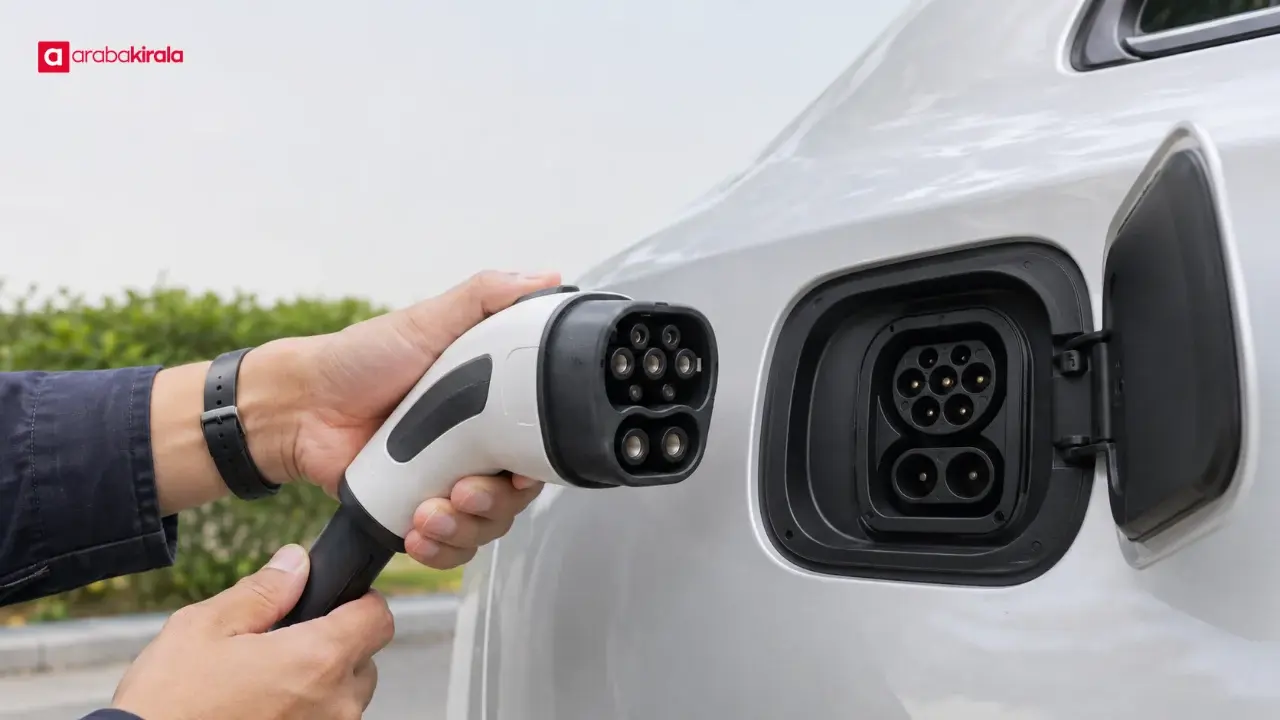
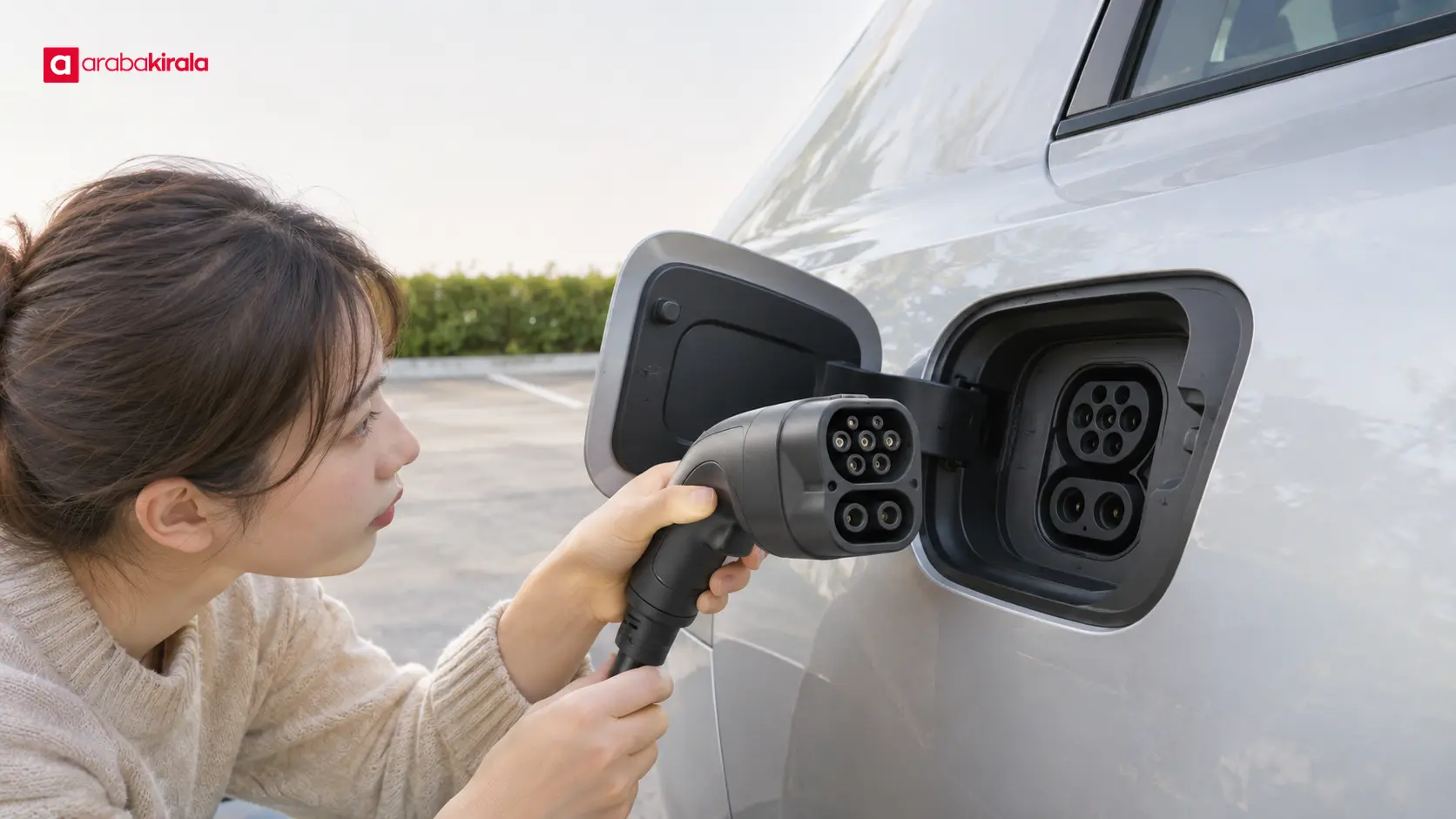
Compatibility means that the station's connection both fits the vehicle inlet and is appropriate for the electrical current type and operating limits. A station may offer several cables or connectors, but that does not make every option suitable for every car. Read the connector information on the station display or listing alongside the inlet description in the vehicle owner's manual.
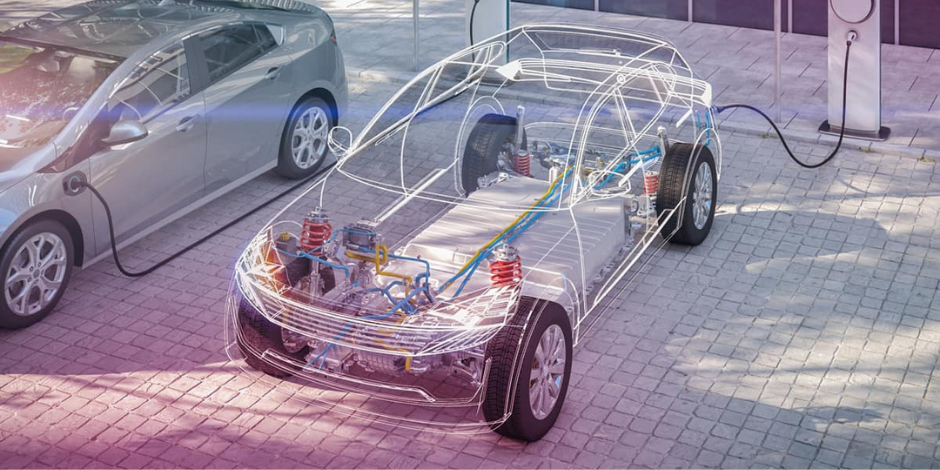
The charging point, cable, and vehicle inlet are separate parts of the setup. Some stations have a cable attached; at some AC points, the driver must connect a compatible cable. Under the inlet flap, a vehicle may have one connection area or a combined inlet designed for more than one current type. Use the manual, manufacturer technical information, and station details instead of judging by appearance alone.
Tell AC and DC charging apart
AC charging
AC means alternating current. AC equipment supplies electricity to the vehicle, where the car's onboard charging system converts it into a form the battery can use. The inlet design and the AC power supported vary by model. A compatible AC connector does not mean the vehicle will draw the station's maximum advertised power.
DC fast charging
DC means direct current. Fast charging equipment supplies power in a form suited to the battery, and the vehicle needs an appropriate DC charging inlet. Not every electric vehicle supports DC fast charging; capability can vary between plug-in hybrid models as well. Never try to force a DC connector into an AC-only inlet.
Different fast-charging standards are used in different markets. For example, CCS describes a combined inlet design, while CHAdeMO is a distinct connector format. Type 2 is also a familiar name in AC charging. Standards and availability depend on vehicle and market, so do not treat any label as a universal compatibility guarantee. The vehicle manual is the reference for its inlet type.
Compare the car and station information step by step
- Identify the model and version. Charging features can differ by model year or trim, even within one model family. Use the vehicle documents or model information to find the correct owner's manual.
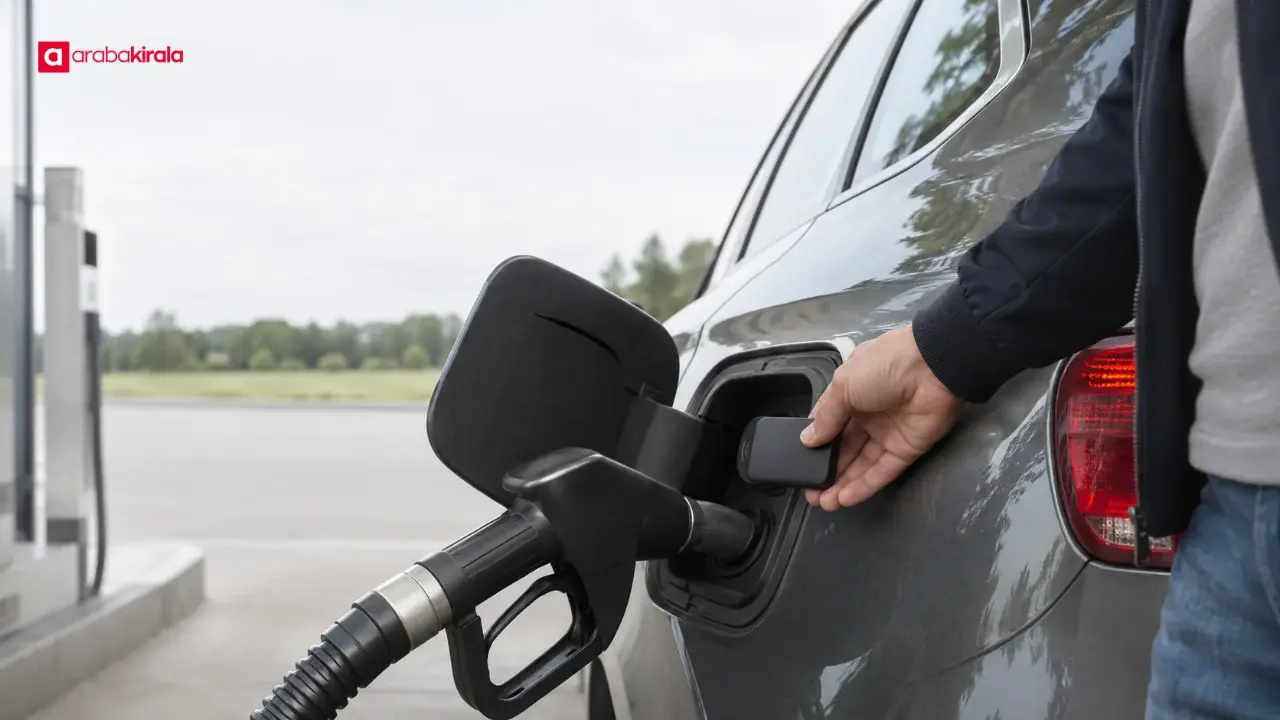
- Inspect the inlet. Open the charge flap in a safe place and note the shape and any markings. Do not touch electrical contacts, insert objects, or force a connection.
- Read the station connector type. Check the station display, its operating information, or the operator's station listing for AC/DC and connector details. If a unit has several options, consider only the one that matches the vehicle.
- Check technical limits. Review the car's AC and DC support in the manual and the charging type and power listed for the station. A matching connector does not guarantee the same charging speed; the vehicle and station limits determine the available power.
- Confirm the cable arrangement. Find out whether the cable is attached to the station or whether a compatible separate cable is needed. Consider an adapter only when the vehicle manufacturer and the charging equipment information explicitly support that use.
Checks before collecting a rental EV
For a rental, the exact vehicle version and charging equipment matter as much as the model name. During reservation or handover, ask which inlet the vehicle has, whether it supports AC and DC charging, and whether a cable or adapter is supplied with that car. These details can vary by vehicle and collection branch, so verify them with the branch you will use.
At handover, take a moment with the staff member to locate the charge flap and see how it opens. Check the charging information on the vehicle display, the owner's manual if available, and any cable supplied. Match the cable or adapter type to the vehicle documentation; do not use a part whose compatibility is unclear.
Connector availability, station operating status, and access arrangements along a route can change. Check current station information before setting out and identify suitable alternatives. Even a physically matching connector may be unavailable, out of service, or unsuitable for the vehicle's charging limits.
Use the connection safely
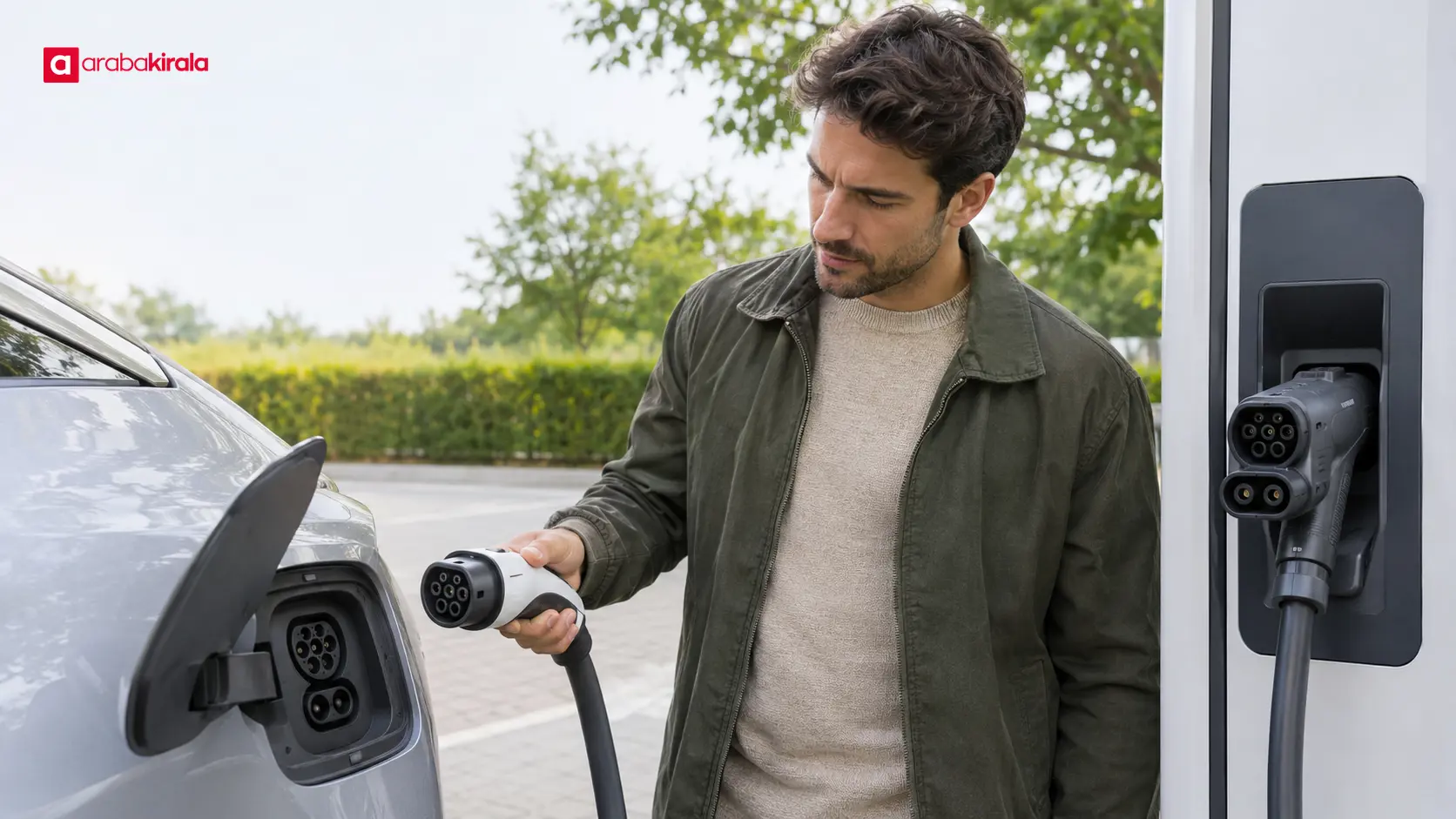
Position the vehicle according to station instructions. Make sure the cable is not stretched tightly between the car and charger or blocking pedestrian and vehicle movement. Insert the connector in the correct orientation using normal pressure. If it does not seat, stop; remove it and check the connector and inlet instead of pushing harder.
Do not use a cable that looks wet, damaged, or unusually hot. If you notice damage, do not start charging; follow the charging operator's instructions. Confirm that charging has started through the vehicle display or station indicator. When finished, stop the session in the stated sequence and remove the cable without yanking it.
What to do if compatibility is uncertain
Do not use a station outlet if the connector shape differs or the station listing shows a type the vehicle does not support. Check the manufacturer's manual and the station's current technical details. For a rental car, contact the collection branch or the vehicle support channel. The fact that an adapter can physically connect two ends does not prove electrical and communication compatibility.
If charging does not start, remove the connector without forcing it and note any error message. The vehicle's charge lock, a station start-up step, or the connection type may be involved. Follow normal checks in the owner's manual, and do not attempt to work on high-voltage components.
Summary: check the inlet, then the station
The most reliable way to check electric vehicle charging connector compatibility is to compare the vehicle manual's inlet and AC/DC support with the connector information for the station. Cable arrangement, power limits, and whether the equipment belongs with the vehicle are also part of the check. For a rental, confirm the inlet type and supplied equipment at handover, and ask your collection branch about branch-specific details. Before a journey, check current stations along the route and identify a compatible connection in advance.
Frequently Asked Questions
Can every electric car use every charging station?
No. The vehicle inlet, station connector, and charging method must be compatible. The car must also support the relevant AC or DC charging type and fit within the station's technical limits.
What is the difference between AC and DC charging?
With AC charging, the vehicle's onboard system converts alternating current into a form the battery can use. DC fast charging supplies suitable direct current to the vehicle. Charging support and speed vary by car.
What do Type 2, CCS, and CHAdeMO mean?
They are names for charging connection types. Type 2 is commonly associated with AC charging, while CCS and CHAdeMO are associated with fast charging. Match the type in the vehicle manual to the station information.
Does a rental EV come with a charging cable?
That can vary by car and rental location. Ask the branch you will use during reservation and at handover whether a cable is included, what type it is, and whether it matches the vehicle inlet.
Can I use an adapter if the plug does not fit?
Only consider an adapter when the vehicle manufacturer and charging equipment information confirm it is suitable for that connection. Physical fit alone does not establish safe compatibility, so never force a connection.
Related Articles
- EV Charging Connector Locks and How to Tell a Session Has Ended
- Electric Car Charging Plan: Prepare Before You Leave
- How to Safely End an Electric Vehicle Charging Session