Electric Vehicle Prices: What Shapes Your Budget
Published: November 10, 2026 • Reading Time: 6 min • Last Updated: November 10, 2026 • Author: Merve B.
Contents
- What determines an electric car's price?
- Equipment and model year
- How much are electric cars? Reading a quote
- Budget beyond the purchase price
- Charging access and energy costs
- Maintenance, insurance and finance
- A checklist for choosing a suitable car
- Common mistakes when comparing offers
- Summary: put the price in context
- Frequently Asked Questions
- Related Articles
When researching electric vehicle prices, look beyond the headline purchase amount and consider how the car fits your routine and what it may cost to use. This guide covers the main factors behind price differences, a fair way to compare offers, and the questions that help you build a realistic budget.
What determines an electric car's price?
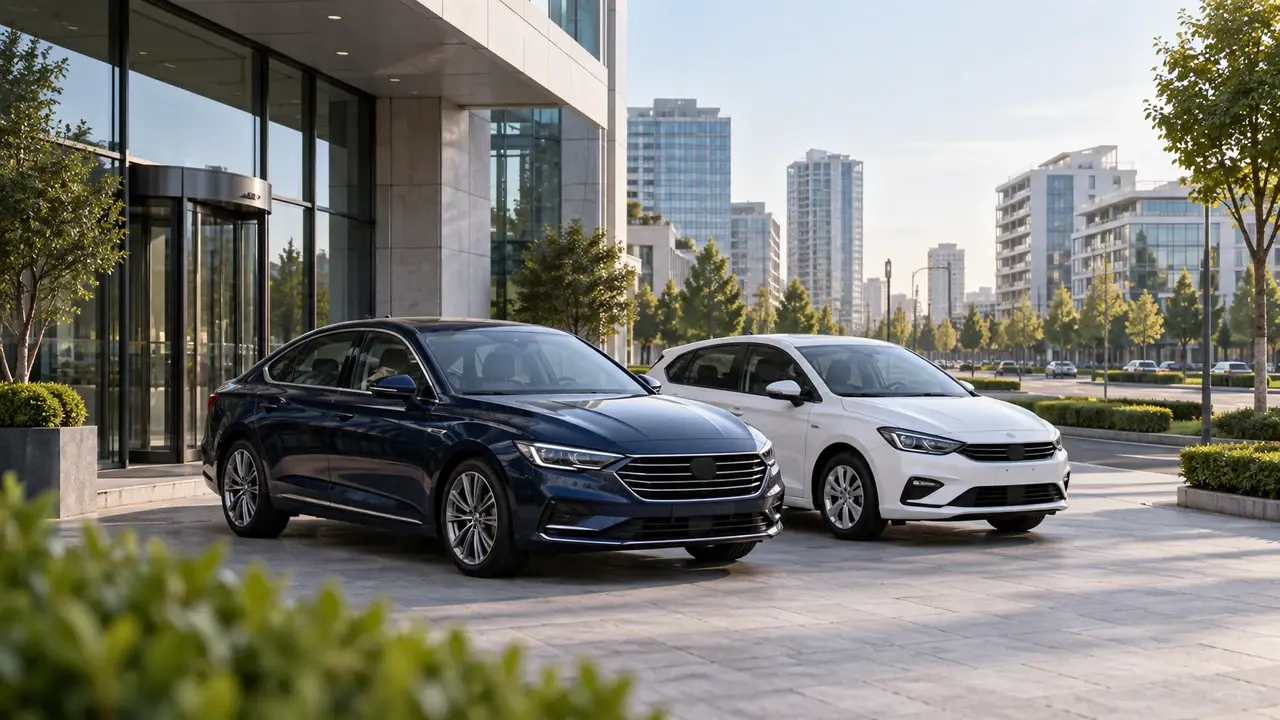
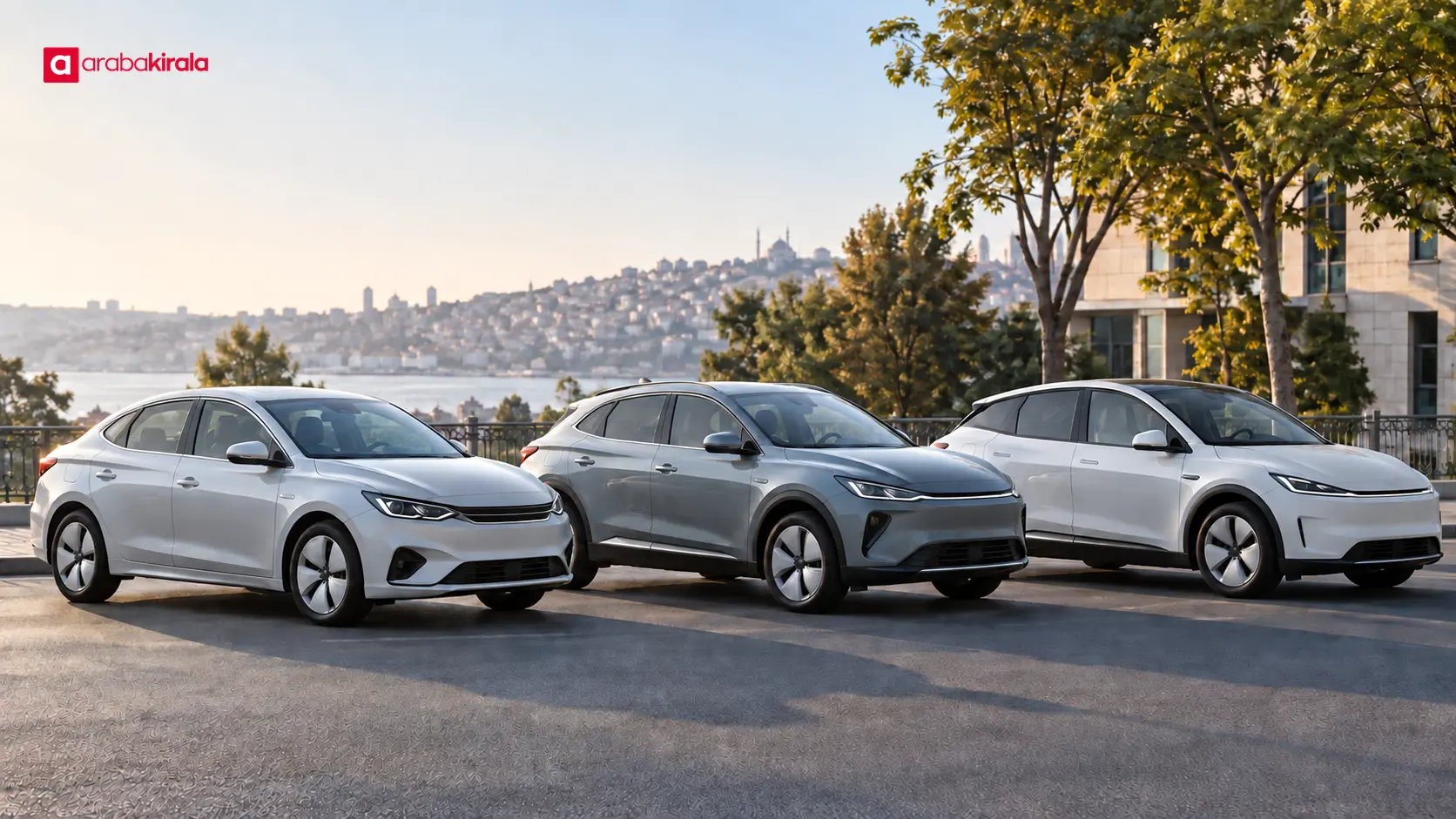
Electric cars span several vehicle classes. A compact city car, a larger family vehicle and a performance-focused model differ in size, materials, power and standard equipment. Comparing two cars simply because both are electric can therefore be misleading. Start by defining what you need the vehicle to do, then compare options within a similar class.
Battery capacity and vehicle efficiency also matter. A larger battery can store more energy, but usable driving range does not depend on capacity alone. Speed, temperature, road gradient, load and driving style influence energy use. Treat a manufacturer's range figure as a result from a defined test method, not a promise for every trip. Relate it to your usual routes and note when figures use different testing procedures.
Equipment and model year
Safety and driver assistance features, cabin materials, displays, seating, and heating or cooling equipment can vary between trim levels. That is why versions of the same model can carry different prices. Model year, inventory, paint choices and optional extras can also change an offer. Check the features actually included, rather than relying only on the name of an equipment package.
How much are electric cars? Reading a quote
There is no single lasting answer to “how much are electric cars?” Prices depend on country, date, model, equipment, taxes and sales terms. An amount in an older search result should not be treated as a current quote. Ask the seller when the price is valid, which version and options it covers, whether the payment method changes the amount, and which delivery-related items are included.
Compare offers for the same model year and similar battery and equipment levels. One figure may be a list price while another depends on a promotion or financing arrangement; they are not directly comparable unless the payment terms match. Ask whether accessories, preparation or extra services are included. This helps distinguish the advertised figure from the total amount you would pay.
Budget beyond the purchase price
Total cost of ownership is a way to think about the budget over the time you use a car, rather than at the moment you buy it. Consider energy, maintenance, tires, insurance, financing and the vehicle's change in value. The amounts depend on mileage, electricity rates, charging access, the vehicle and your circumstances. Use your own information instead of assuming a universal cost.
Charging access and energy costs
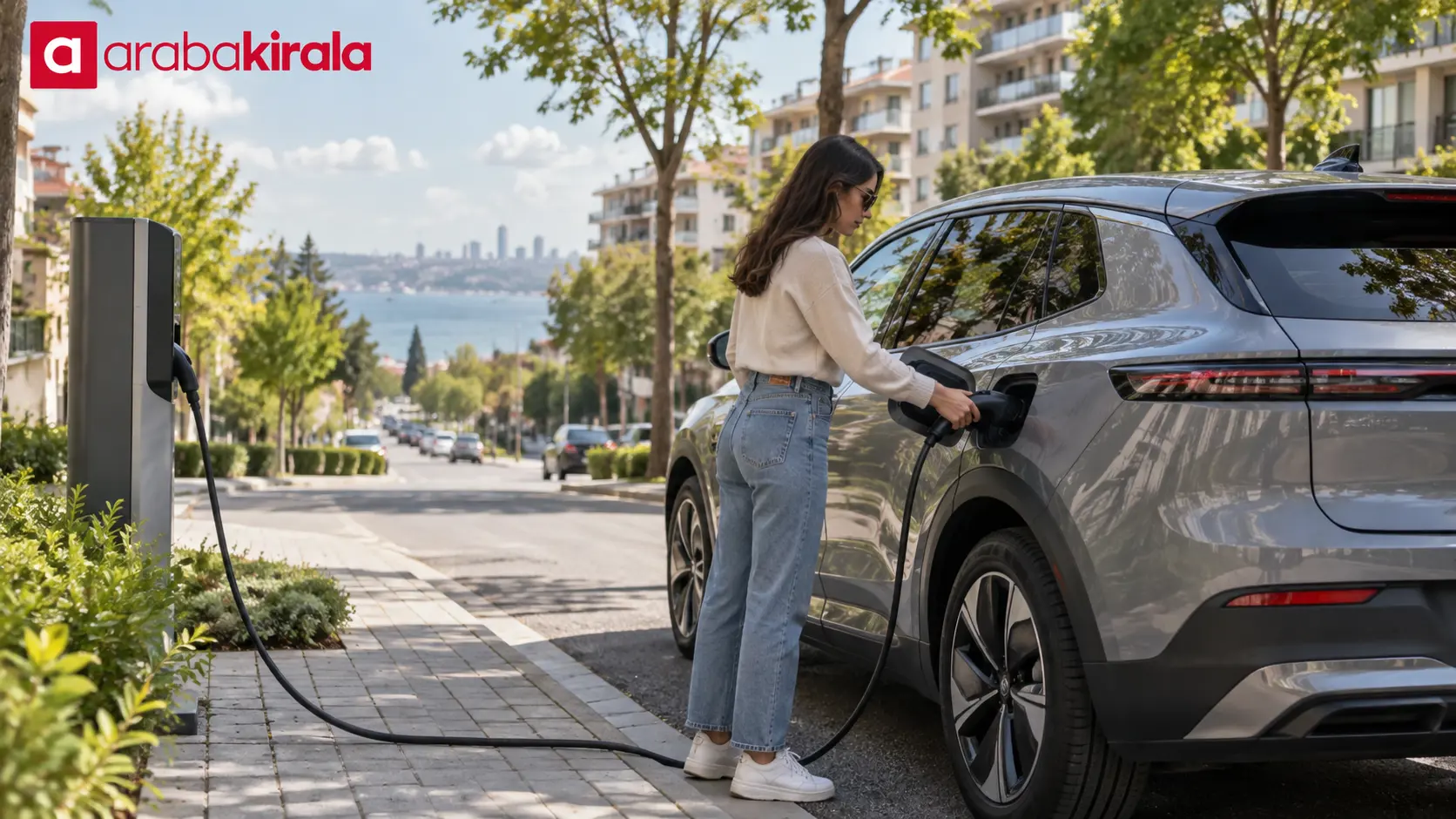
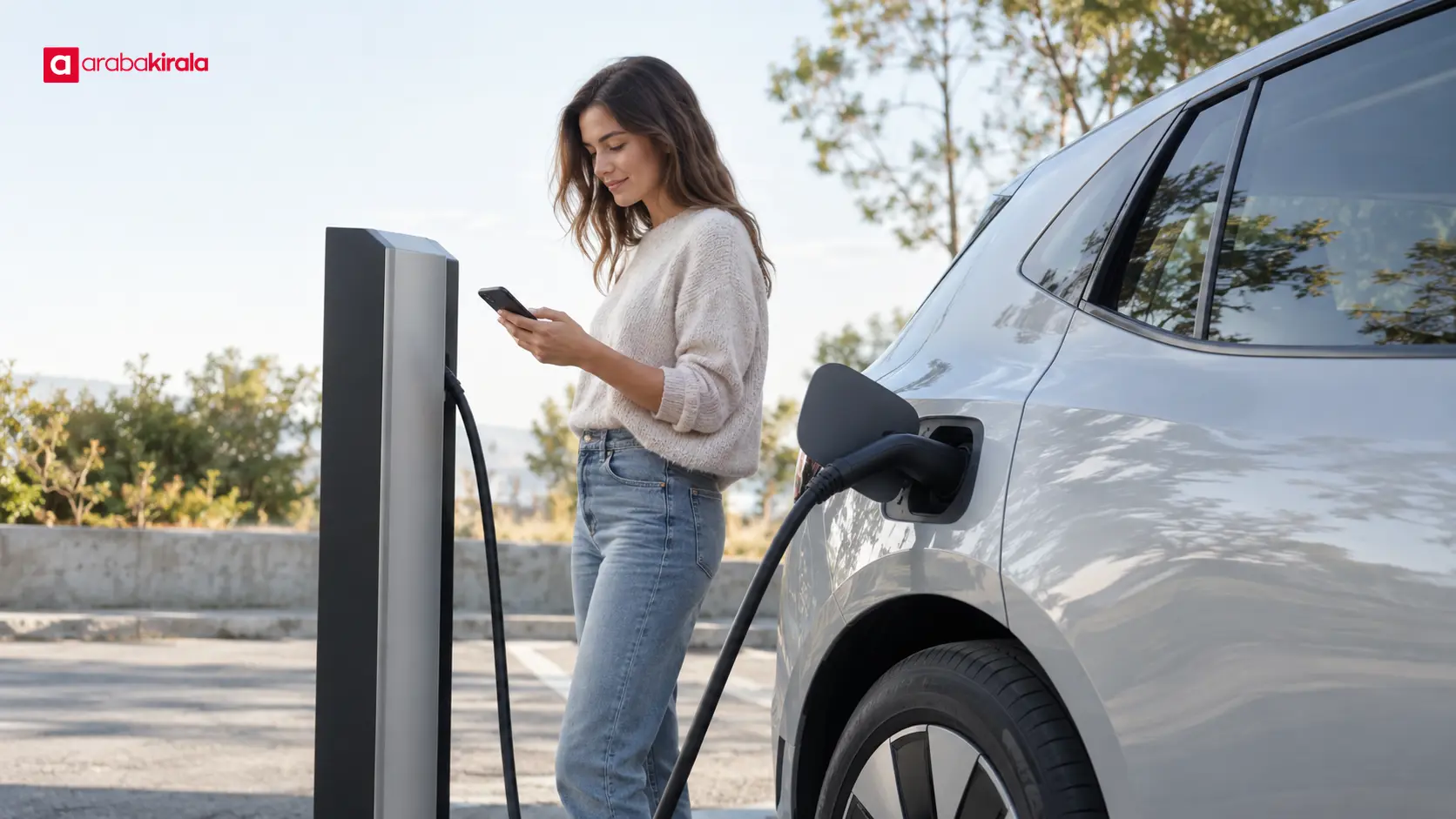
If you may charge at home or work, research any installation needs and related costs. In shared parking, clarify permission, electrical capacity and practical arrangements with the relevant property manager or a qualified professional. Drivers relying on public charging should check station access, connector compatibility and pricing in the places they use. Stations can differ in power and pricing, so do not assume every location works the same way.
To estimate energy spending, start with your typical distance over a chosen period and the vehicle's stated consumption information. Estimate what share of charging would happen at home, work and public stations. Electricity tariffs and public charging prices may differ, and the mix affects the result. An estimate based on your routine is more useful than treating a catalogue range as a cost forecast.
Maintenance, insurance and finance
Electric cars do not have exactly the same maintenance items as combustion-engine cars, but they still need maintenance. Check the manufacturer's plan and technical documents for tires, brakes, climate systems, fluids and model-specific service needs. Insurance prices depend on the driver, vehicle and policy terms, so assess a quote for your own circumstances. Ask the insurer directly how the policy treats the battery or charging equipment.
If you are considering credit, installments or leasing, do not focus only on the monthly payment. Review any upfront amount, total payments over the term, fees and contract terms such as early settlement. These are specific to the offer and provider, so confirm them in the documents. Compare a financed option with an outright purchase over the same period and assumptions.

A checklist for choosing a suitable car
- Write down your weekly and yearly mileage, usual routes, passenger needs and luggage needs.
- Consider regular commutes and longer journeys alongside the car's range information and charging access.
- Align model year, battery, equipment, options, payment method and included services across quotes.
- Research home installation or public charging based on your actual home and work arrangements.
- List energy, maintenance, tires, insurance and finance separately from the purchase amount.
- Confirm the quote's validity date, payment schedule, delivery process and excluded items with the seller.
For a used electric car, review its age and mileage alongside available records about battery condition, service history and whether charging equipment is included. Ask how battery condition was assessed and what any report covers. Do not use one indicator to draw a definite conclusion about remaining range or battery life; seek a qualified technical inspection when needed.
Common mistakes when comparing offers
A common mistake is ranking cars from different classes or equipment levels by the lowest visible price alone. Another is treating a published range figure as a guaranteed result in every season and driving style. It is also unwise to assume that home charging, public charging or maintenance will always cost a fixed amount. Each depends on personal use and local conditions.
To make a decision easier, review two or three suitable cars in one table: purchase amount, equipment, estimated energy costs, charging arrangements, warranty information and finance terms. Record the source and date of each assumption so you can update the calculation if an offer changes. Confirm specific conditions directly with the seller or service provider involved.
Summary: put the price in context
Electric vehicle prices reflect a combination of class, battery, equipment and sales terms. To understand what a car may cost you overall, also consider energy, charging access, maintenance, insurance and finance based on your own circumstances. Your next step is to write down your needs, request current quotes with clear specifications, and compare them using the same assumptions.
Frequently Asked Questions
Why do electric cars have different prices?
Vehicle class, battery, efficiency, power, equipment level, model year and offer terms all affect the price. Use quotes with similar specifications and payment arrangements when comparing.
What is the most important cost when buying an electric car?
There is no single most important item for every driver. Along with the purchase price, consider energy use based on your mileage, charging access, maintenance, tires, insurance and financing terms.
Is the stated driving range the same in every situation?
A published range comes from a defined test method. Real energy use can change with temperature, speed, route, load and driving style, so consider those factors against your daily needs.
Is charging at home always cheaper?
Charging costs depend on electricity rates, installation needs and how you use the car. Research the terms and prices for home, workplace and public charging separately.
What should I check when buying a used electric car?
Review service records, mileage, any available battery condition assessment and the charging equipment. Ask what an assessment covers and arrange a qualified inspection if appropriate.