Electric Vehicle Battery Life: Causes of Cell Aging
Published: November 4, 2026 • Reading Time: 7 min • Last Updated: November 4, 2026 • Author: Merve B.
Learn how battery cells age, how heat, charging patterns, and driving affect usable capacity, and which practical habits can help you care for an electric vehicle battery.
Contents
- What battery aging means
- Factors that can accelerate cell wear
- High and low temperatures
- Spending a long time at very high or very low charge
- Charging power and frequent DC fast charging
- Driving demands and road conditions
- Practical habits for everyday use
- How to interpret changes in range
- What to check before renting an electric vehicle
- Summary and a useful next step
- Frequently Asked Questions
- Related Articles
- Sources
Electric vehicle battery life depends on more than the range shown on the dashboard. Understanding how battery cells age can help you make sense of changing range estimates and choose sensible charging and driving habits. This guide explains the roles of time, temperature, charge level, and power demand, then offers practical steps for everyday use without promising that any routine can prevent all capacity loss.
What battery aging means
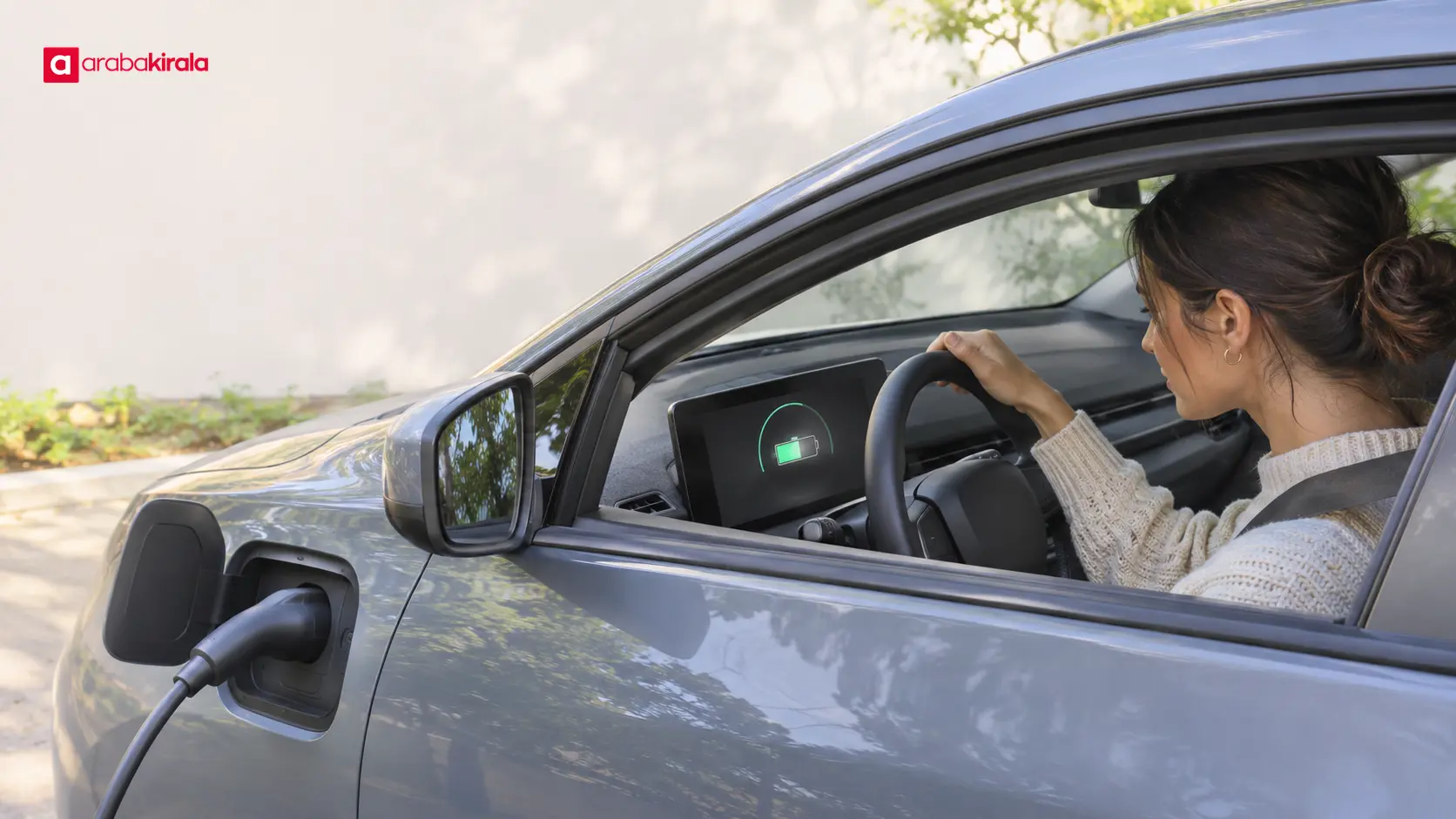
For electric vehicle battery life, the practical points below should be considered together. Most electric vehicles store energy in a pack made up of many cells. Each time energy moves into or out of those cells, chemical processes take place. Over time, those processes can reduce usable capacity or change how readily the battery can deliver power. The change is generally gradual rather than a sudden end to battery function, though its pace and visible effects vary by vehicle and conditions.
It is useful to distinguish calendar aging from cycle aging. Calendar aging describes changes associated with time and storage conditions, even when a vehicle is not being driven. Cycle aging relates to repeated energy use and charging. The two overlap in practice: temperature, charge level, and driving patterns can influence both.
Factors that can accelerate cell wear
High and low temperatures
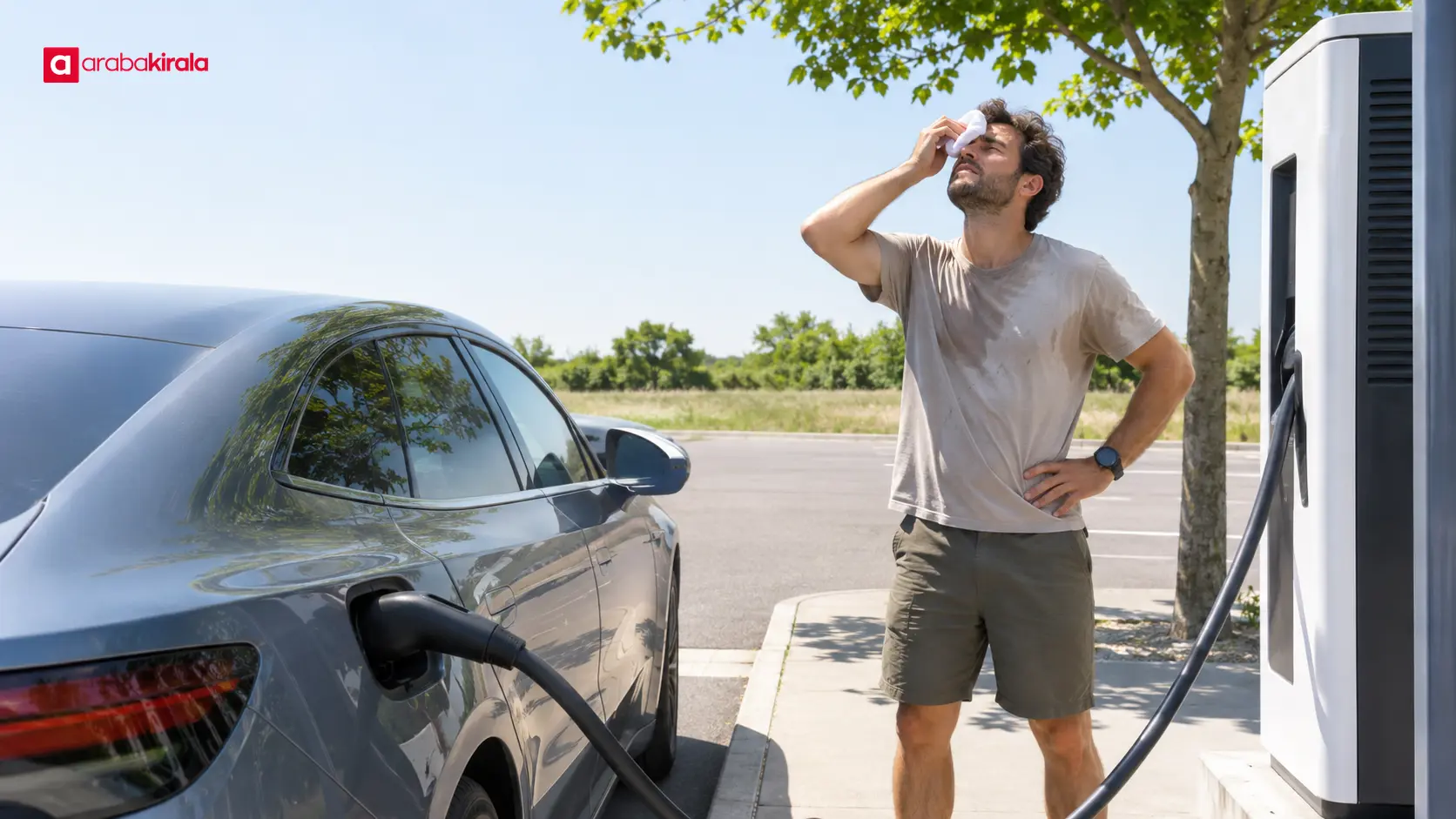
Battery cells work best within a temperature range set by their design. Excessive heat can contribute to faster aging, especially when a battery remains at a high state of charge for a long time. Cold weather can temporarily reduce available power or range. A short-term winter range drop by itself does not establish permanent capacity loss.
Many vehicles use thermal management to heat or cool the battery, but systems differ. Consult the vehicle manual for model-specific guidance on hot-weather parking, cold-weather operation, and battery preconditioning. General advice cannot replace the instructions for the particular vehicle.
Spending a long time at very high or very low charge
Leaving a battery at a very high or very low state of charge for extended periods keeps its cells in conditions that can affect aging. For routine use, it may help to charge in line with the next trip rather than leaving the vehicle full for days without a need. Before long-term parking, check the manual for the maker’s storage recommendation.
This does not mean every driver needs to follow one universal percentage. A long journey, cold weather, or limited access to charging can change what is practical. Balance the range you need with the goal of avoiding unnecessary extended waits at charge extremes. Some vehicles let drivers set a daily charging target; the manual explains whether that feature exists and how to use it.
Charging power and frequent DC fast charging
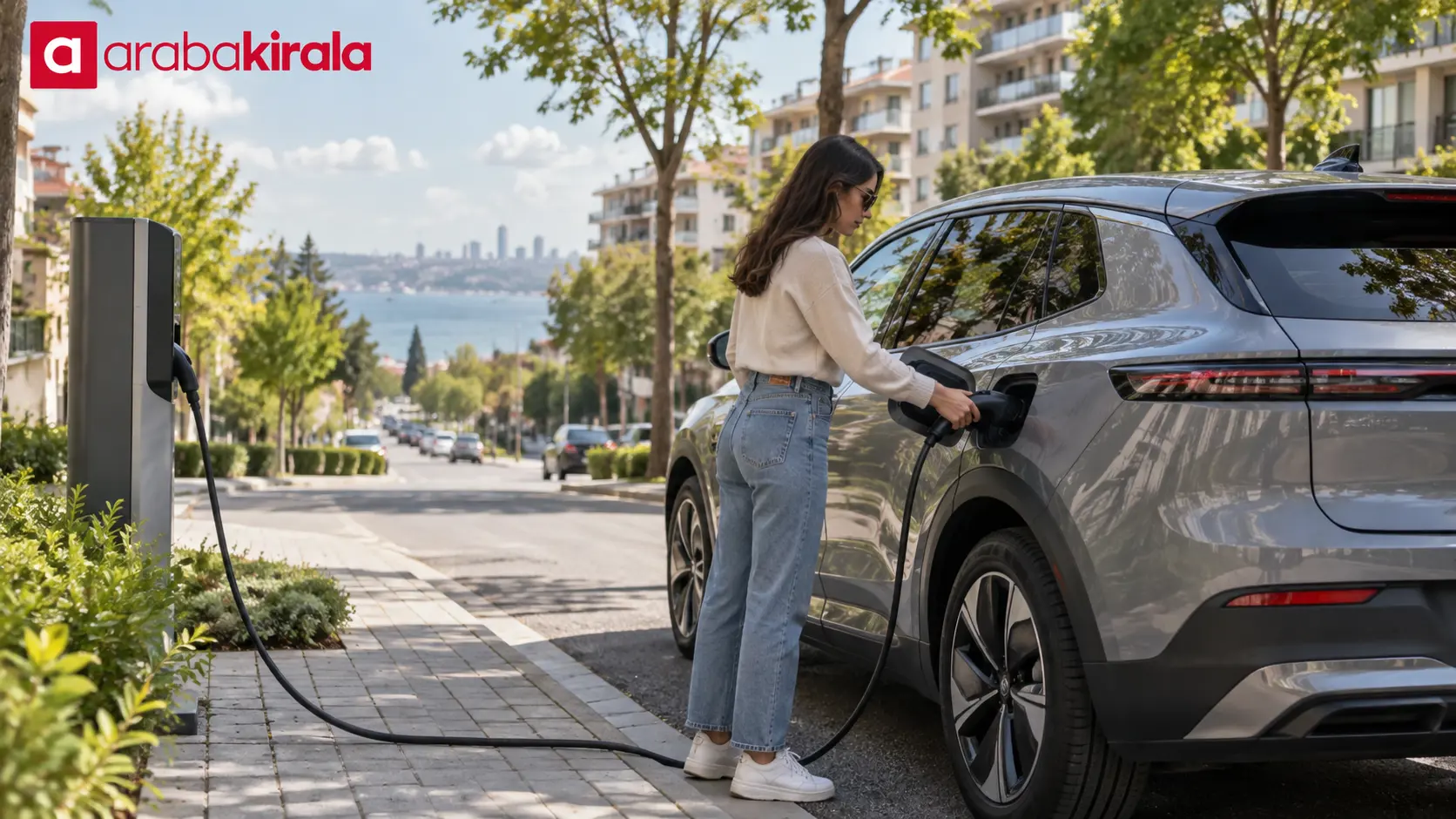
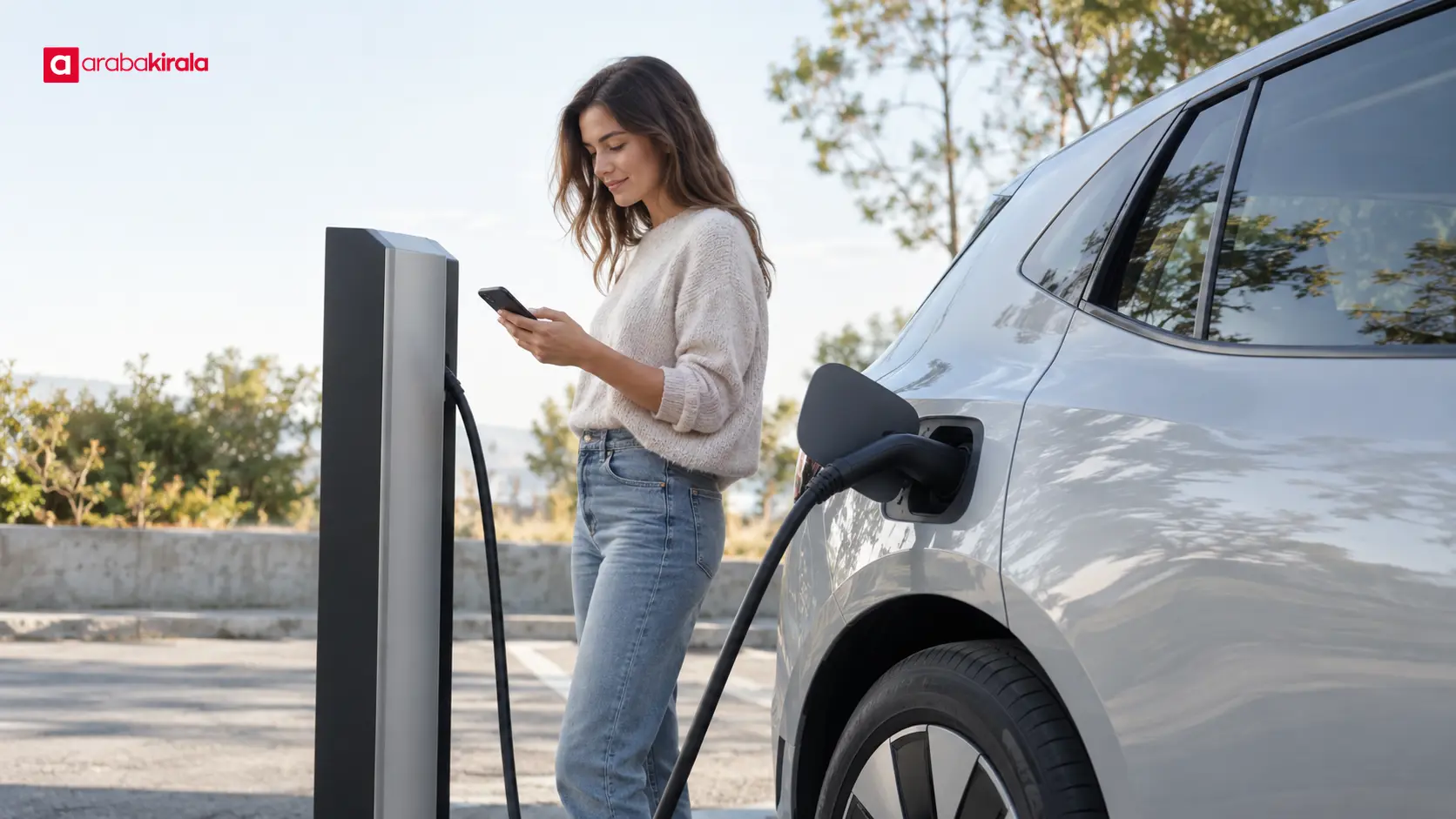
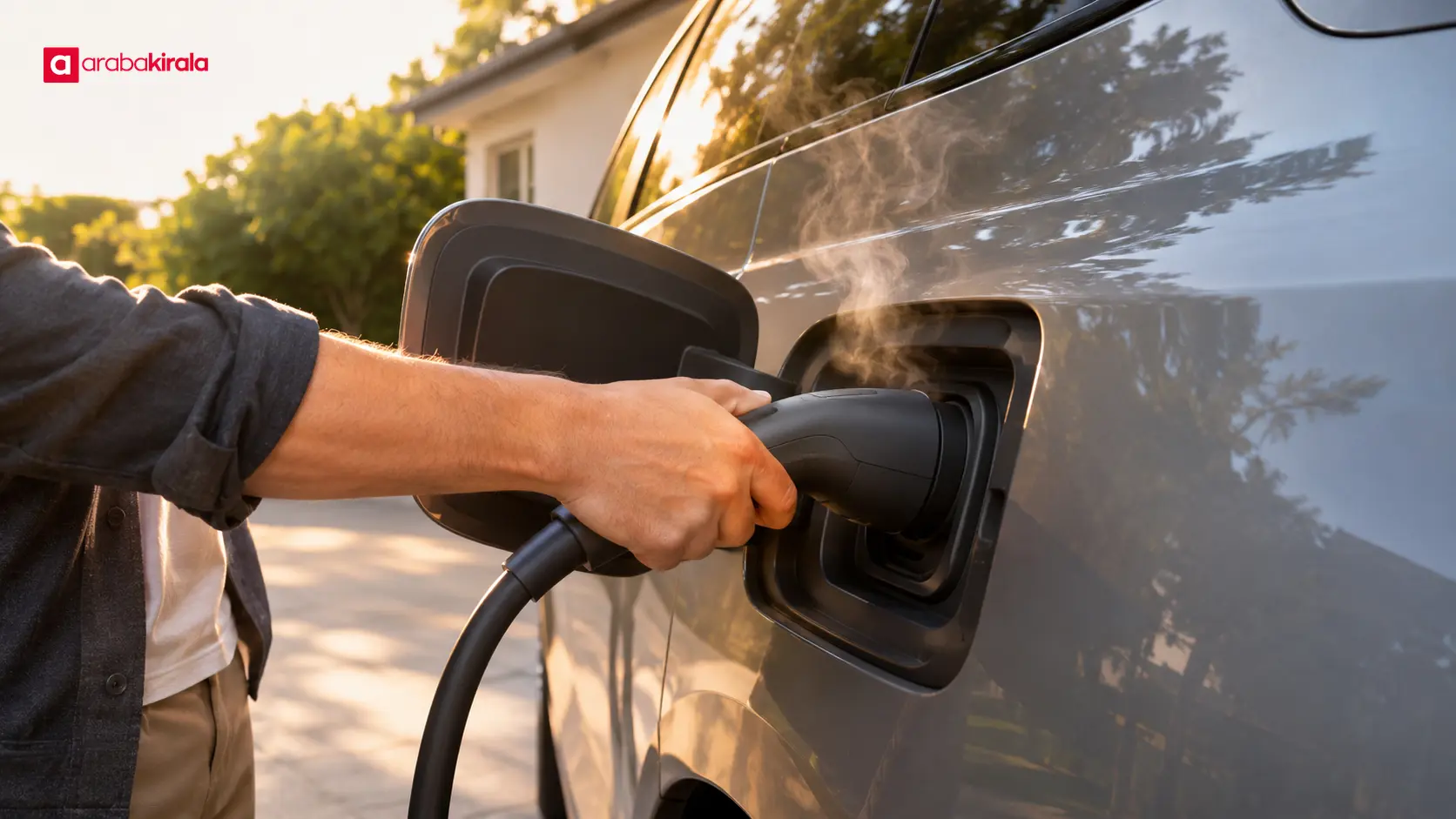
Fast charging can add energy quickly when a compatible station is available, which is useful during a trip. Higher charging power can also generate more heat. The vehicle’s battery management system controls charging within its limits, and charging speed can change with temperature and state of charge.
Fast charging is not automatically harmful in every case, nor is it always the best routine choice. Its effect depends on battery design, thermal management, and use. When convenient, lower-power charging may suit a regular daily routine; on a journey, follow the vehicle and charger instructions. Give priority to any specific charging guidance from the vehicle maker.
Driving demands and road conditions
Hard acceleration, sustained high speeds, heavy loads, steep climbs, and climate control can raise energy use. These conditions do not by themselves prove permanent battery damage, but they can increase power demand and reduce the range available for a trip. Smooth acceleration, a suitable speed, and anticipating traffic can help manage energy consumption.
Regenerative braking converts some kinetic energy into electrical energy while slowing down and returns it to the battery. It recovers a portion of energy that would otherwise be lost as heat; it does not create energy or stop aging. Know the limits of driver assistance and maintain safe following distance in traffic.
Practical habits for everyday use
- Start with the vehicle manual: Check its advice on daily charge targets, parking, temperature, and battery preconditioning.
- Avoid unnecessary long waits at charge extremes: When the trip does not call for it, avoid leaving the vehicle full or nearly empty for an extended period.
- Plan charging around the trip: Consider daily distance, available charging, weather, and a reasonable range reserve for longer journeys.
- Account for heat: If practical, choose shade or covered parking during prolonged hot conditions. Use battery preconditioning only as described in the manual.
- Drive smoothly: Avoiding needless hard acceleration and excessive speed can reduce energy consumption.
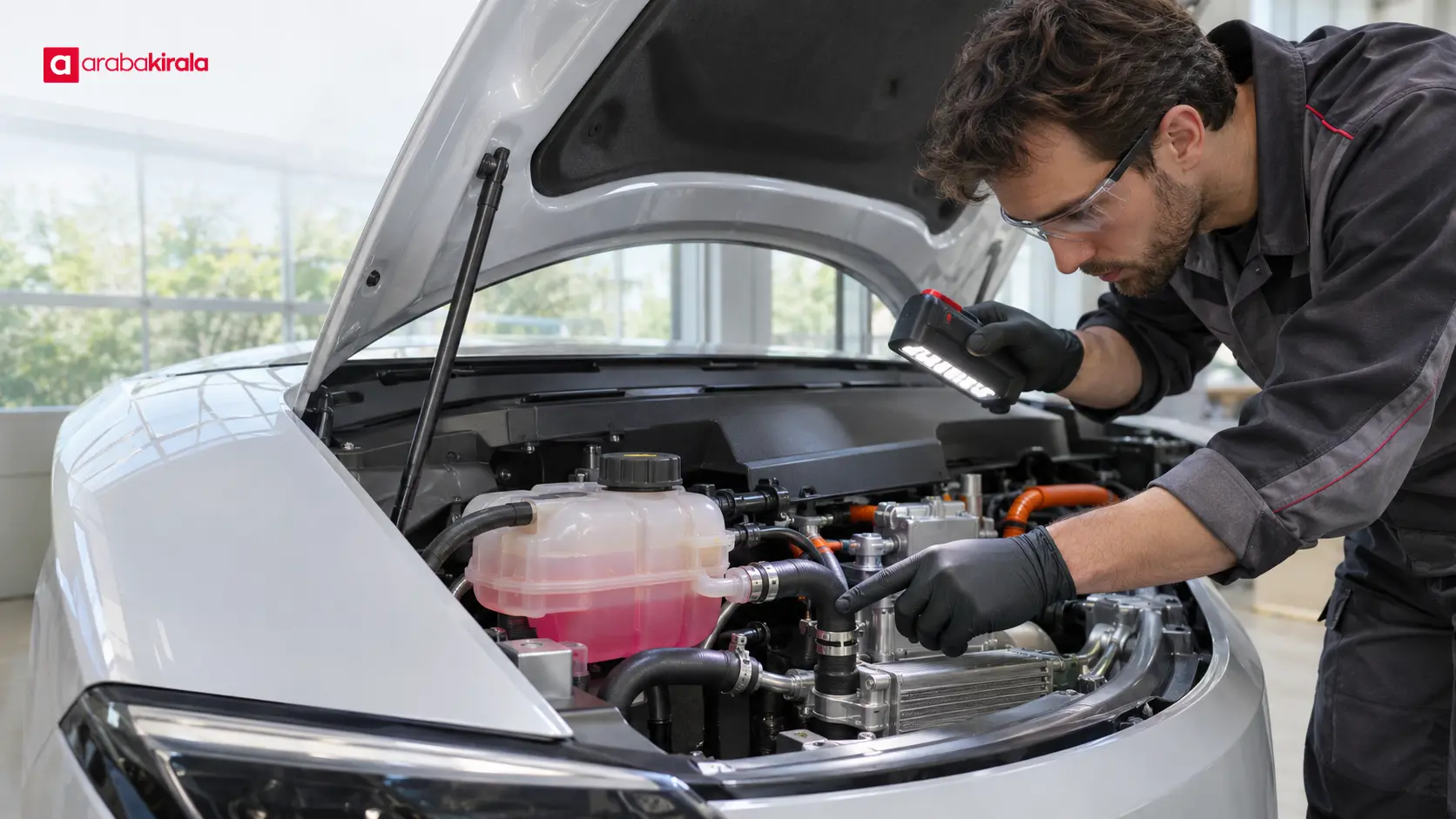
- Respond to warnings: If the vehicle reports a battery, charging, or powertrain fault, follow the manual and seek qualified service support.
How to interpret changes in range
The dashboard range estimate is not a direct, fixed measurement of battery capacity. Temperature, cabin heating or cooling, speed, elevation, load, and recent energy use can all change the estimate. A shorter estimate on a cold morning is not, by itself, proof that cells have permanently aged.
Look for patterns over time under comparable conditions. If the vehicle provides a battery health display, check the manual to understand what it measures. A persistent performance change, repeated charging interruption, or warning message calls for a service assessment rather than a guess based on range alone.
What to check before renting an electric vehicle
For a rental, charge level, charging connections, and expected range matter to trip planning. At pickup, note the displayed charge and any warnings, and ask which charging cable or adapter is supplied and how the vehicle charges. Follow the vehicle manual and the instructions provided with the car.
Details such as battery capacity, charging access, pickup charge level, and included equipment can depend on the reservation and branch. Confirm those specifics with the branch where you will collect the vehicle. For a longer trip, map suitable charging stops and alternatives in advance, then consider weather, speed, and passenger or luggage load when estimating range.
Summary and a useful next step
Battery aging reflects time as well as temperature, time spent at charge extremes, and how energy is used. No habit can prevent capacity loss entirely, but following the vehicle manual, avoiding unnecessary long storage at very high or low charge, and planning charging around the trip are sensible steps. Start by checking your vehicle’s guidance for daily charging and temperature management, then adapt it to your actual routine.
Frequently Asked Questions
Why do electric vehicle batteries lose capacity over time?
Chemical processes within battery cells change with time and use. As a result, the pack may store or deliver less usable energy. The pace depends on cell design, temperature, charge patterns, and operating conditions.
Does charging an electric car to 100% every day wear out the battery?
Spending a long time at a high state of charge can influence aging. Travel needs and the vehicle maker’s instructions also matter. Check the manual for a daily target rather than assuming one percentage applies to every model.
Does fast charging damage an EV battery?
Fast charging transfers energy at high power, making temperature management important. Its effects depend on the battery and how the vehicle is used. Use charging methods supported by the vehicle and follow its guidance.
Is reduced range in cold weather permanent battery loss?
Cold conditions can temporarily affect battery performance and increase cabin-heating demand, both of which can reduce the range estimate. A single cold-weather observation does not establish permanent capacity loss.
How can I monitor battery health?
If the vehicle has a battery health display, use the manual to understand its measure. Do not treat the estimated range alone as a health reading. Track consumption under comparable conditions and ask a qualified service provider to assess persistent changes or warnings.
What should I ask before renting an electric vehicle?
Ask about the charge level, available cable or adapter, supported charging methods, and whether the expected range suits your trip. These details can vary by vehicle and branch, so confirm them with the branch where you will collect the car.
Related Articles
- What Do Series and Parallel Battery Cell Connections Do in Electric Vehicles?
- Electric Vehicle Battery Recycling: Collection, Dismantling and Material Sorting
- How Battery Preconditioning Affects Cell Temperature in Electric Cars
Sources
- U.S. Department of Energy: Batteries for Electric Vehicles
- U.S. Department of Energy: Fueleconomy.gov – All-Electric Vehicles
Legal Disclaimer: All content, articles and information on the Araba Kirala website are provided solely to inform users. No information shared on this website constitutes definitive advice or guidance. Araba Kirala Teknoloji A.Ş. and its authors cannot be held responsible for any direct or indirect damages arising from the application of information on the website. For all questions and requests regarding car rental, please contact the office from which you will rent your vehicle.
 Add ArabaKirala as a preferred source on Google