
How Does Electric Vehicle Thermal Management Differ in Summer and Winter?
Published: October 13, 2026 • Reading Time: 7 min • Last Updated: October 13, 2026
Learn how electric vehicle battery thermal management responds to heat and cold, what that can mean for range and charging, and which practical steps help before and during a trip.
Contents
- What does thermal management cover?
- Summer: managing heat during use
- Why high temperatures matter
- Charging and driving in warm weather
- Winter: cold weather and the battery
- Why a cold battery behaves differently
- Preparing for a winter trip
- Seasonal differences at a glance
- Practical checks for everyday use
- Summary and next step
- Frequently Asked Questions
Electric vehicle battery thermal management refers to the systems that help keep the battery, motor and cabin within suitable operating conditions. This guide explains how summer heat and winter cold can affect battery behavior, range and charging, and outlines practical steps to take before setting off and during a journey.
What does thermal management cover?
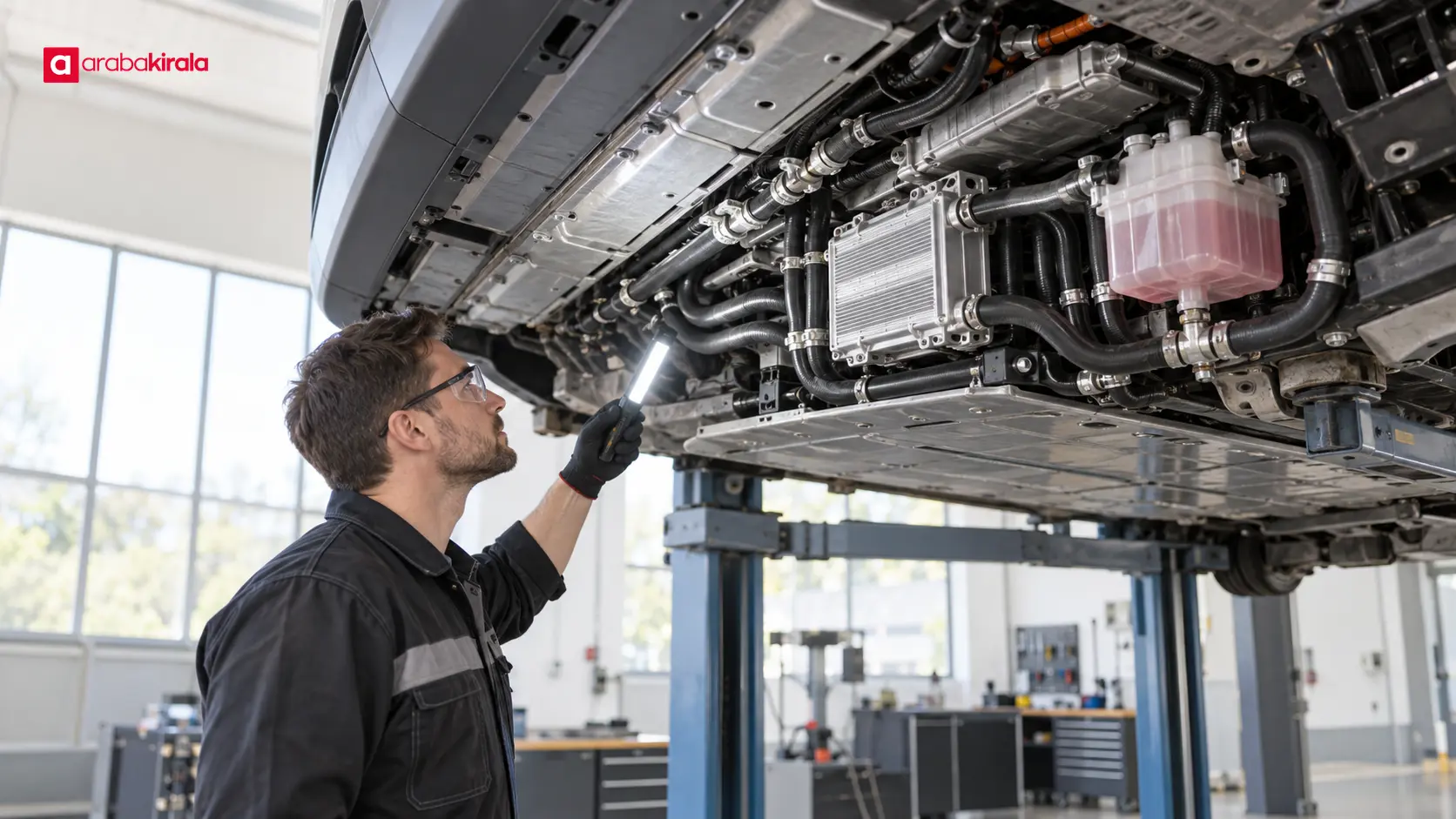
The battery stores energy, while the motor and power electronics generate heat as the vehicle operates. Ambient temperature also affects these components. Depending on the design, a thermal management system may use liquid circuits, airflow, a heat pump, an electric heater and sensors. Vehicles do not all use the same equipment or control strategy. The system is not only for cooling the battery: it can help maintain a suitable battery temperature, protect components and regulate cabin climate.
Battery temperature and cabin temperature are related, but they are not the same. Heating or cooling the cabin can draw energy that might otherwise be available for driving. Some vehicles manage heat and energy across connected systems, while others work differently. A single seasonal rule therefore cannot be applied to every EV. The vehicle display and owner’s manual are the best starting points for model-specific information.
Summer: managing heat during use
Why high temperatures matter
Hot weather, prolonged parking in direct sun and demanding use can increase the heat load around the battery and cabin. The vehicle may activate cooling to protect its systems, which consumes energy. Air conditioning and battery temperature regulation can therefore affect the energy available for a trip. The size of that effect depends on vehicle design, road conditions, speed, climate settings and how long the vehicle has been parked. A fixed range-loss percentage would not reflect these differences.
When practical, parking in shade or a covered area for a long stop can reduce direct solar heating of the vehicle and cabin. This does not guarantee a particular range benefit; it simply helps limit heat exposure. Bringing the cabin to a comfortable temperature before relying on the air conditioner at maximum output may also help avoid prolonged intensive cooling. Keep airflow and temperature settings at a level that remains comfortable and safe.
Charging and driving in warm weather
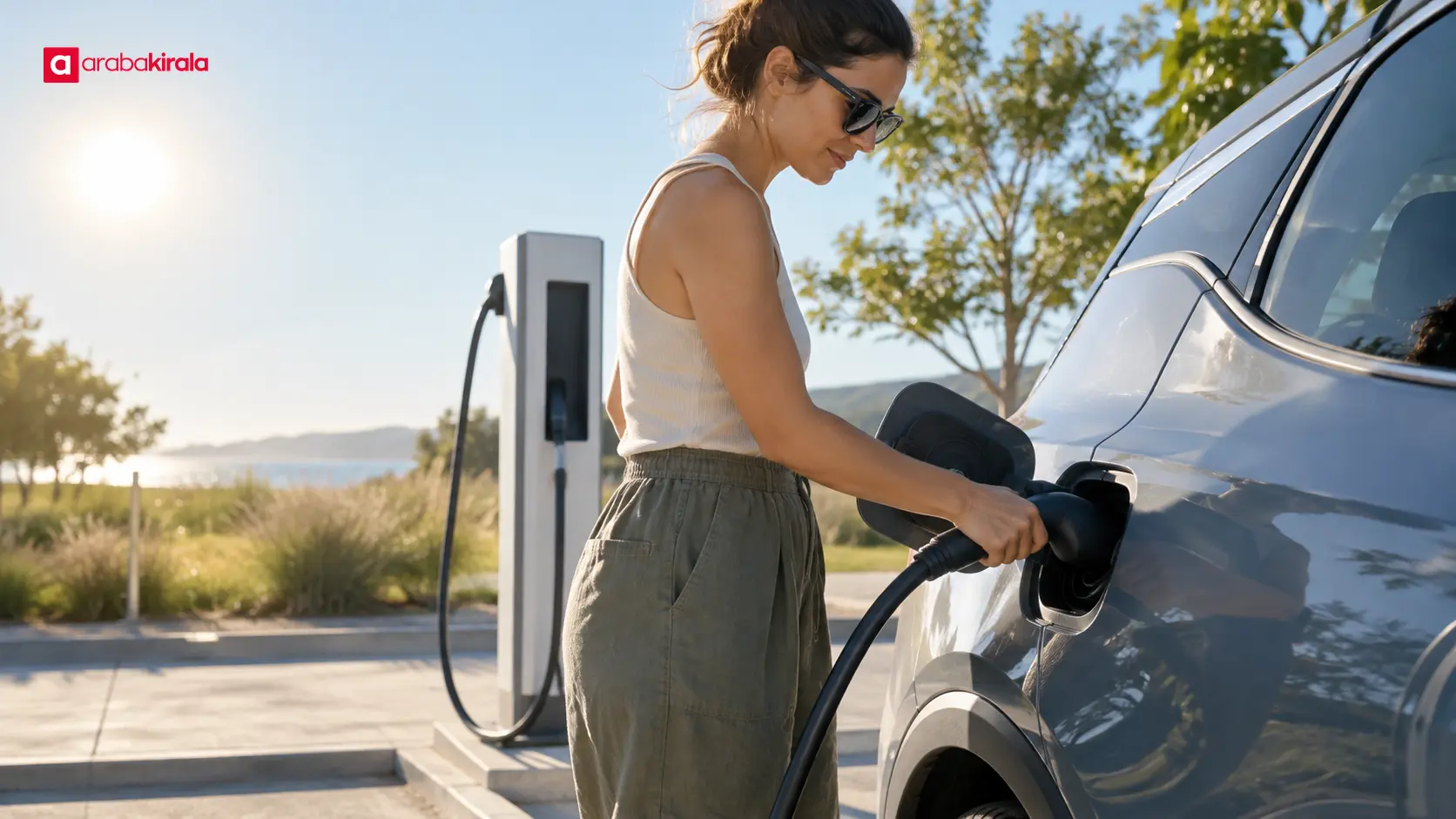
Charging speed depends on more than the charger’s rated capacity. Battery temperature, state of charge, the vehicle’s charging curve and station conditions also matter. The vehicle may limit power to protect the battery, and its cooling system may operate in warm conditions. The estimated charging time on the display can change. Plan around the vehicle maker’s charging guidance and the needs of the journey, not just the charger’s peak power figure.
Before a longer trip, using route navigation to select a charging stop may help a vehicle equipped with battery preconditioning prepare for charging. This feature is not available in every vehicle, and its operating conditions vary by model. Fan or pump sounds during fast charging can be part of normal operation, but they should be considered alongside any dashboard warning. Follow the manual if a warning appears.
Winter: cold weather and the battery
Why a cold battery behaves differently
Low temperatures slow the chemical processes inside a battery. A vehicle may warm the battery, manage available power and charging, or limit performance to protect the system. As a result, initial power delivery, energy use and charging speed can differ from behavior in warm weather. The size of the difference depends on the model, battery temperature, trip and driving conditions; there is no single percentage that applies to every vehicle.
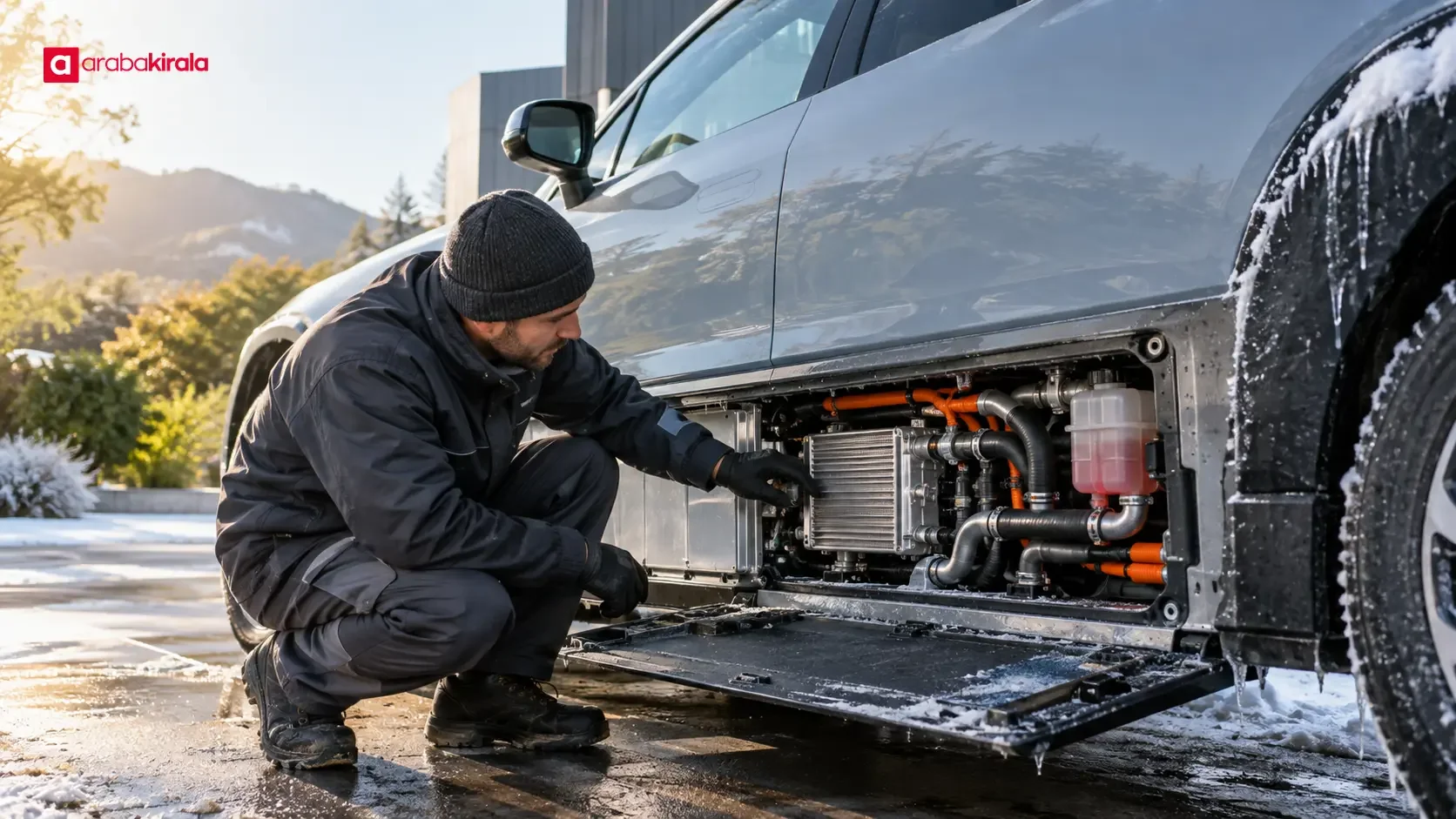
Cabin heating also uses energy. In a combustion vehicle, waste heat from the engine can contribute to warming the cabin. An EV instead may use a heat pump or electric heater. Equipment and efficiency differ, so two EVs can use different amounts of energy at the same outside temperature. If equipped, heated seats or a heated steering wheel may provide personal comfort without heating as much cabin air in some conditions. Set them according to comfort, safety and the vehicle’s guidance.
Preparing for a winter trip
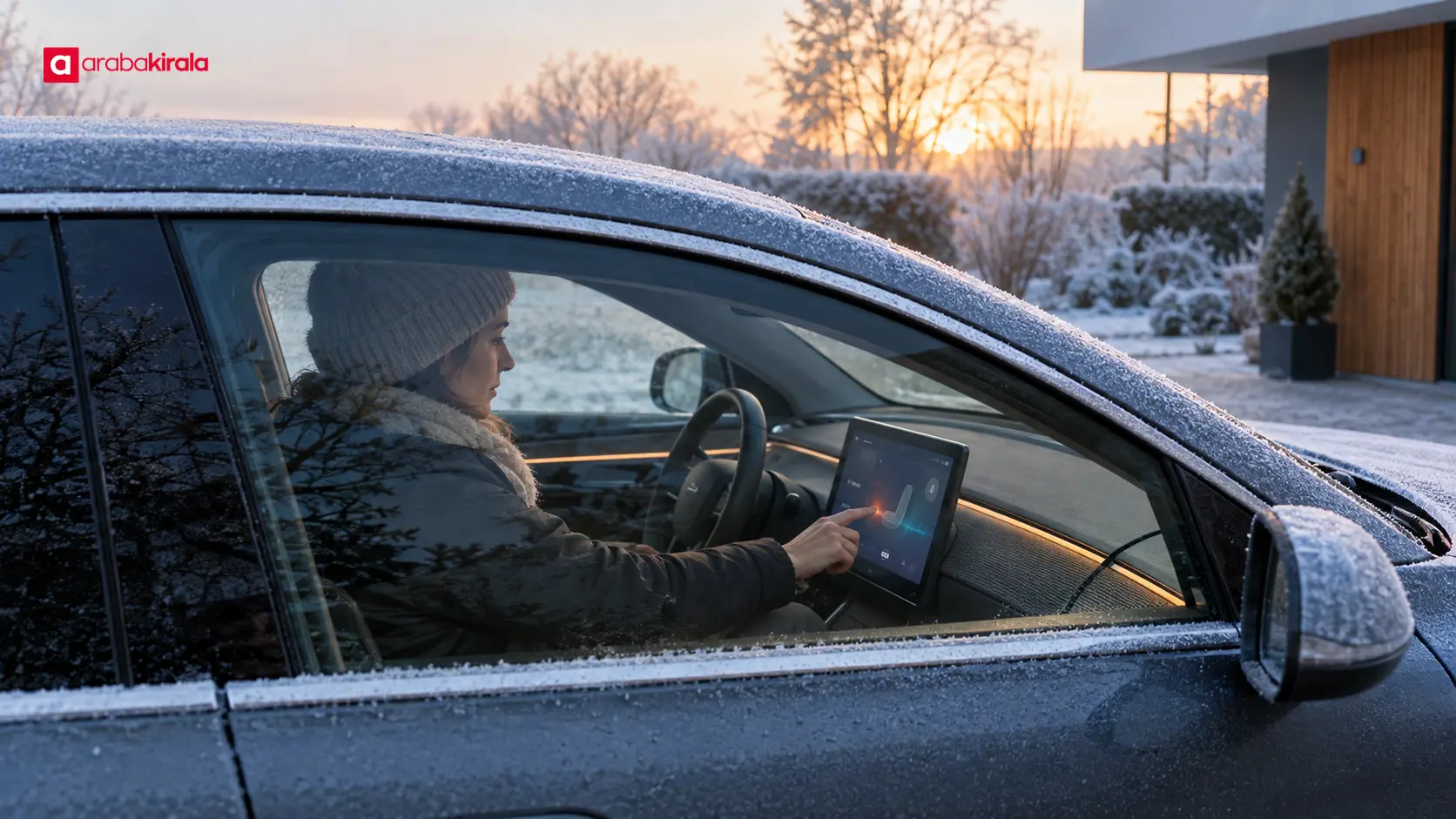
When the vehicle is connected to a charger, using preconditioning may help warm the cabin before departure and, on some models, bring the battery closer to a suitable operating temperature. Whether it draws energy from the charger, when it can be scheduled, and whether it conditions the battery vary by vehicle. Check the owner’s manual. Before moving off, clear ice and fog from the windows so visibility is not compromised; this safety step should not be skipped to save energy.
Because range estimates may change in cold weather, consider the route and charging stops alongside road conditions. The remaining-range figure is an estimate based on recent driving and current conditions, not a guaranteed distance. If charging at the destination is uncertain, review accessible options along the route and leave practical planning margin. When using a rental EV, ask the branch where you collect it for model-specific information such as the charging connector, supplied cable equipment, range display and how to get support.
Seasonal differences at a glance
- Summer: Cooling and air conditioning may be needed more often. Shade and measured cabin settings can help manage heat exposure.
- Winter: Warming the battery and cabin can require energy. Preconditioning and route planning can make a trip more predictable.
- Charging: Battery temperature can influence charging power in either season. Displayed power and time estimates may update as conditions change.
- Assessment: Range also depends on speed, load, tire pressure, elevation, traffic and climate use. One driver’s experience should not be generalized to all vehicles.
Practical checks for everyday use
A few checks at the change of season help set realistic expectations. First, find the battery temperature, charging and preconditioning sections in the owner’s manual. Then consider the distance of your usual route and access to charging. In very hot or cold weather, check the estimate as the trip progresses and adjust the plan if weather or road conditions change.
- Before departure, check the state-of-charge display, estimated range and any warnings.
- For long stops, reduce direct sun exposure where possible; in cold weather, prepare the vehicle safely and according to the manual.
- Learn how the particular model’s preconditioning or battery preparation feature works.
- During charging, watch the vehicle’s power and time estimates; a change does not by itself prove a fault or a station problem.
- For a rental, ask the branch providing the vehicle about its charging connector, included cable equipment, range display and the appropriate support contact.
If the vehicle displays a battery temperature warning, charging fault or power limitation, do not ignore it. Move to a safe place, follow the manual and contact the rental branch or the support channel provided for the vehicle if needed. Do not attempt to handle the battery or high-voltage components yourself.
Summary and next step
In summer, EV thermal management often needs to remove heat; in winter, it may need to provide heat to the battery and cabin. Both can affect energy use, driving behavior and charging time, with actual results depending on the vehicle and conditions. Before your next trip, review the manual’s temperature and charging guidance, plan charging stops along the route, and ask the branch handing over a rental vehicle about that model’s controls.
Frequently Asked Questions
Why can an electric car have less range in cold weather?
A cold battery may need energy to reach suitable operating conditions, and cabin heating also uses energy. The effect varies with vehicle design, driving and weather, so no single percentage applies to every EV.
Can summer heat damage an electric vehicle battery?
The vehicle’s thermal management system helps keep the battery within operating conditions and may manage power when needed. Avoiding prolonged exposure to extreme heat where practical and responding to dashboard warnings are sensible steps. Follow the model’s manual for use and care.
Why might an EV charge more slowly in winter?
If the battery is cold, the vehicle may limit charging power to protect it or bring it toward a suitable temperature. The charger, state of charge and vehicle model also affect charging time. Follow the display and manual guidance.
Can every EV be warmed before departure while plugged in?
Preconditioning availability and its energy source vary by vehicle. If the feature is available, check the manual for its operating conditions. For a rental vehicle, ask the branch about the specific model.
Is fan noise during thermal management normal?
Fans and pumps may make noise while cooling or heating systems operate. Sound alone is not enough to determine whether the vehicle is functioning normally. If a warning or unusual performance accompanies it, consult the manual and seek support.
Legal Disclaimer: All content, articles and information on the Araba Kirala website are provided solely to inform users. No information shared on this website constitutes definitive advice or guidance. Araba Kirala Teknoloji A.Ş. and its authors cannot be held responsible for any direct or indirect damages arising from the application of information on the website. For all questions and requests regarding car rental, please contact the office from which you will rent your vehicle.












