Electric Vehicle Tire Care: Track Pressure and Wear

Published: November 19, 2026 • Reading Time: 6 min • Last Updated: November 19, 2026 • Author: Merve B.
Contents
- Why monitor electric vehicle tires?
- How to check tire pressure accurately
- What does a TPMS warning tell you?
- How to inspect tread and sidewall wear
- What uneven wear may indicate
- A practical tire-check routine
- Picking up and using a rental electric vehicle
- Summary and next step
- Frequently Asked Questions
- Related Articles
- Sources
This guide explains how electric vehicle tire care works in practice: how to check pressure, inspect tread and sidewalls, and respond to a TPMS warning. Tire condition affects road contact, braking, and ride comfort in any vehicle. Regular checks help you notice changes before they become harder to assess.
Why monitor electric vehicle tires?
Tires provide the vehicle’s contact with the road. Incorrect pressure or uneven wear can affect how a tire performs and how the vehicle responds. Electric vehicles may combine substantial vehicle weight with immediate torque delivery, making tire choice and upkeep worth attention. That does not mean every electric vehicle wears tires at the same rate.
Results depend on the vehicle, tire type, road and driving conditions, load, and maintenance history. Do not copy a pressure or mileage figure from another vehicle. Use the pressure label on your vehicle and the manufacturer’s owner information as your reference.
How to check tire pressure accurately
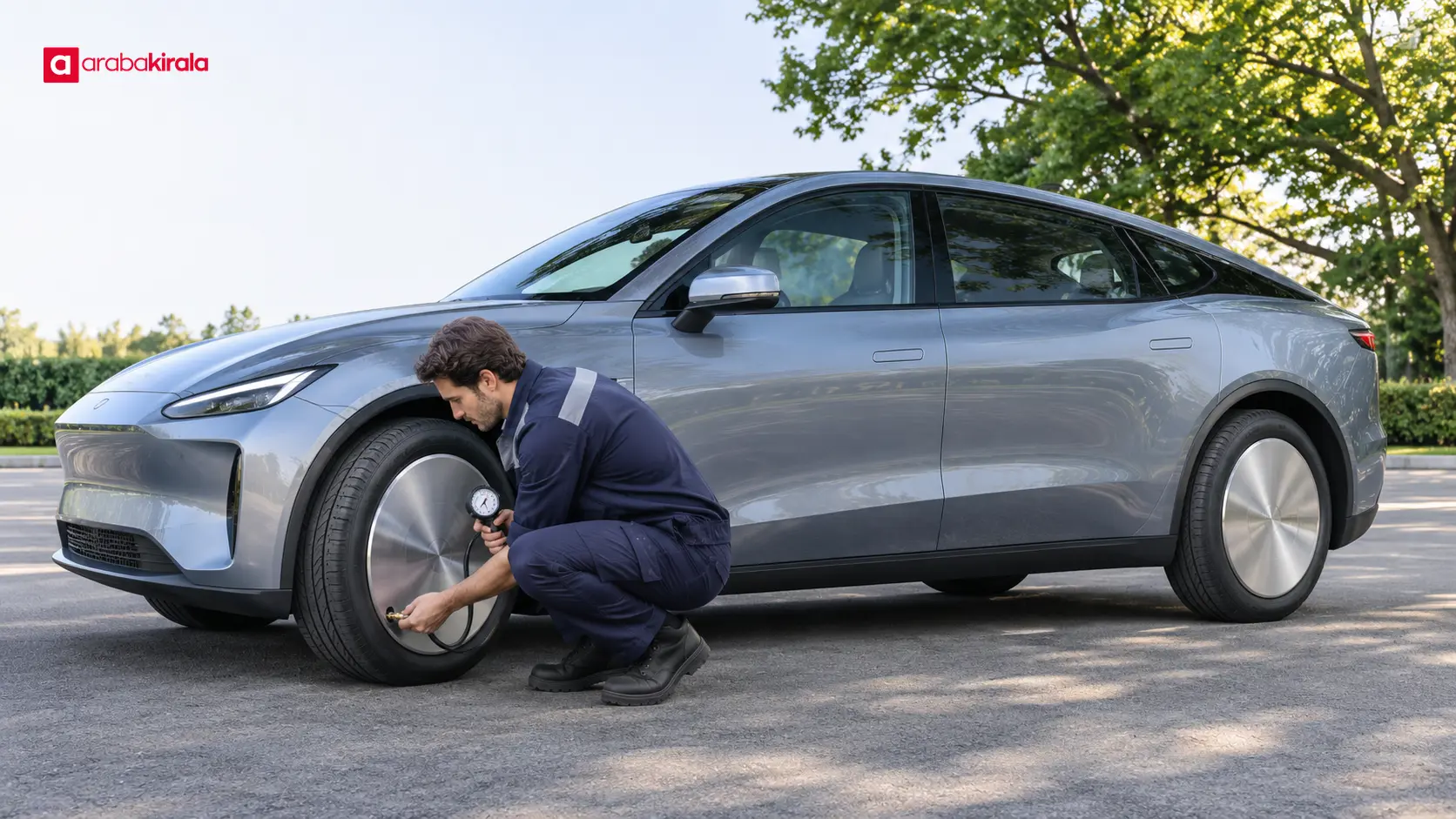
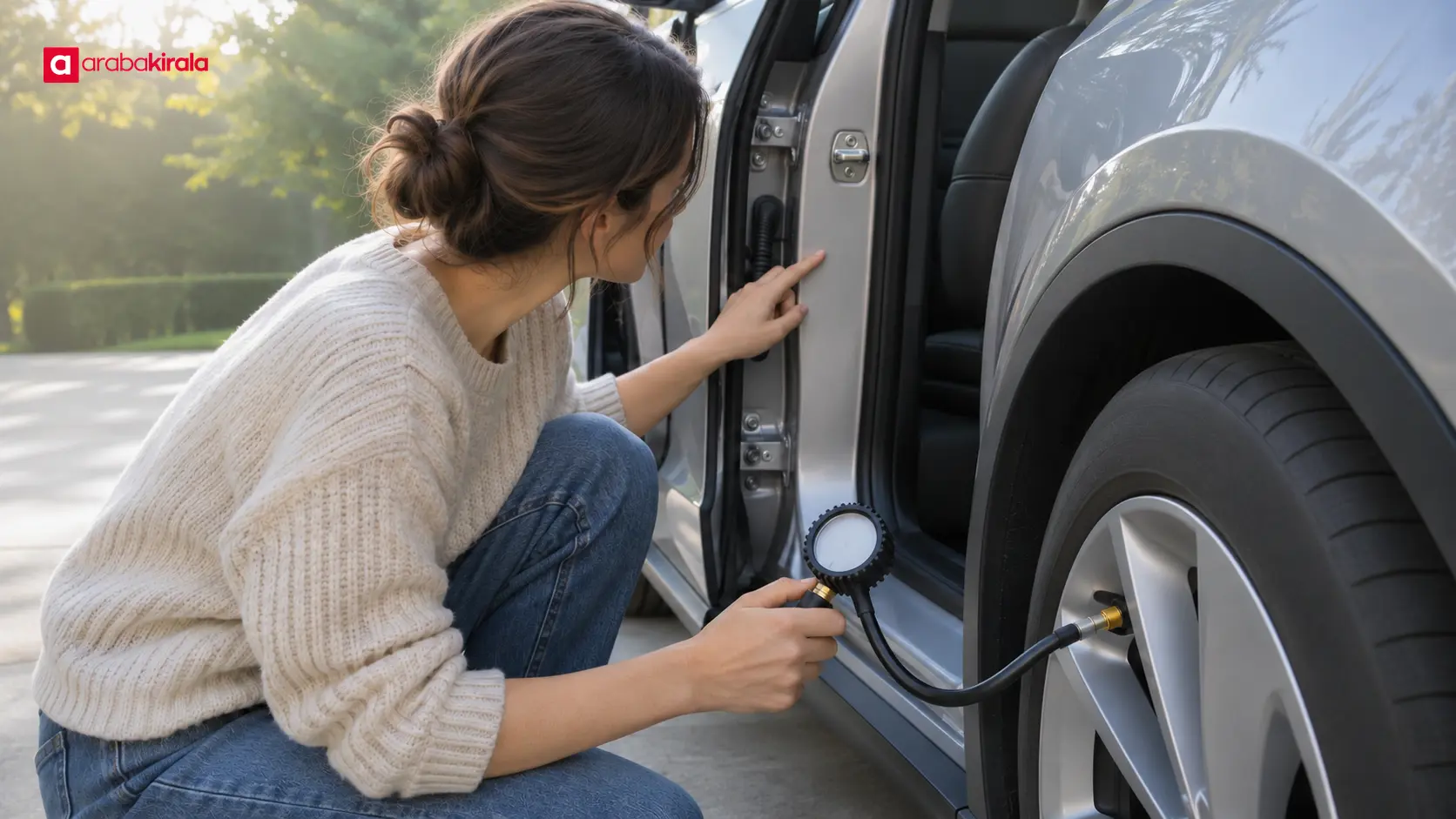
Measure pressure when the tires are cold. Driving warms tires and can temporarily raise the reading. If possible, use a pressure gauge before a long drive, after the vehicle has been parked for a while. After adding air, measure again and replace the valve cap.
The target is not the maximum pressure printed on the tire sidewall. Check the vehicle maker’s recommended front and rear values; the specified pressure can vary with load. The information is often on a label around the driver’s door opening or in the owner’s manual. If the label is unclear, confirm the value in the manual.
Regular checks and a measurement before a long trip are useful habits. Seasonal changes or noticeable temperature swings can also prompt a check. Follow the maintenance guidance for your vehicle’s recommended frequency. If pressure keeps dropping, do not rely on repeated inflation alone; ask a tire professional to check for a leak or valve issue.
What does a TPMS warning tell you?
A tire pressure monitoring system, or TPMS, alerts the driver to a pressure concern. Depending on the system and vehicle, it may measure pressure with sensors or infer a problem from wheel behavior. A dashboard warning means the tires need attention; it should not be treated as a precise measurement of every tire.
If the warning appears, stop somewhere safe and look for visible damage or a noticeably deflated tire. If there is no obvious damage, check pressure with a gauge and compare it with the vehicle label. Reset or calibration steps can differ by model, so use the owner’s manual. If the warning returns, have the system and tires inspected.
How to inspect tread and sidewall wear
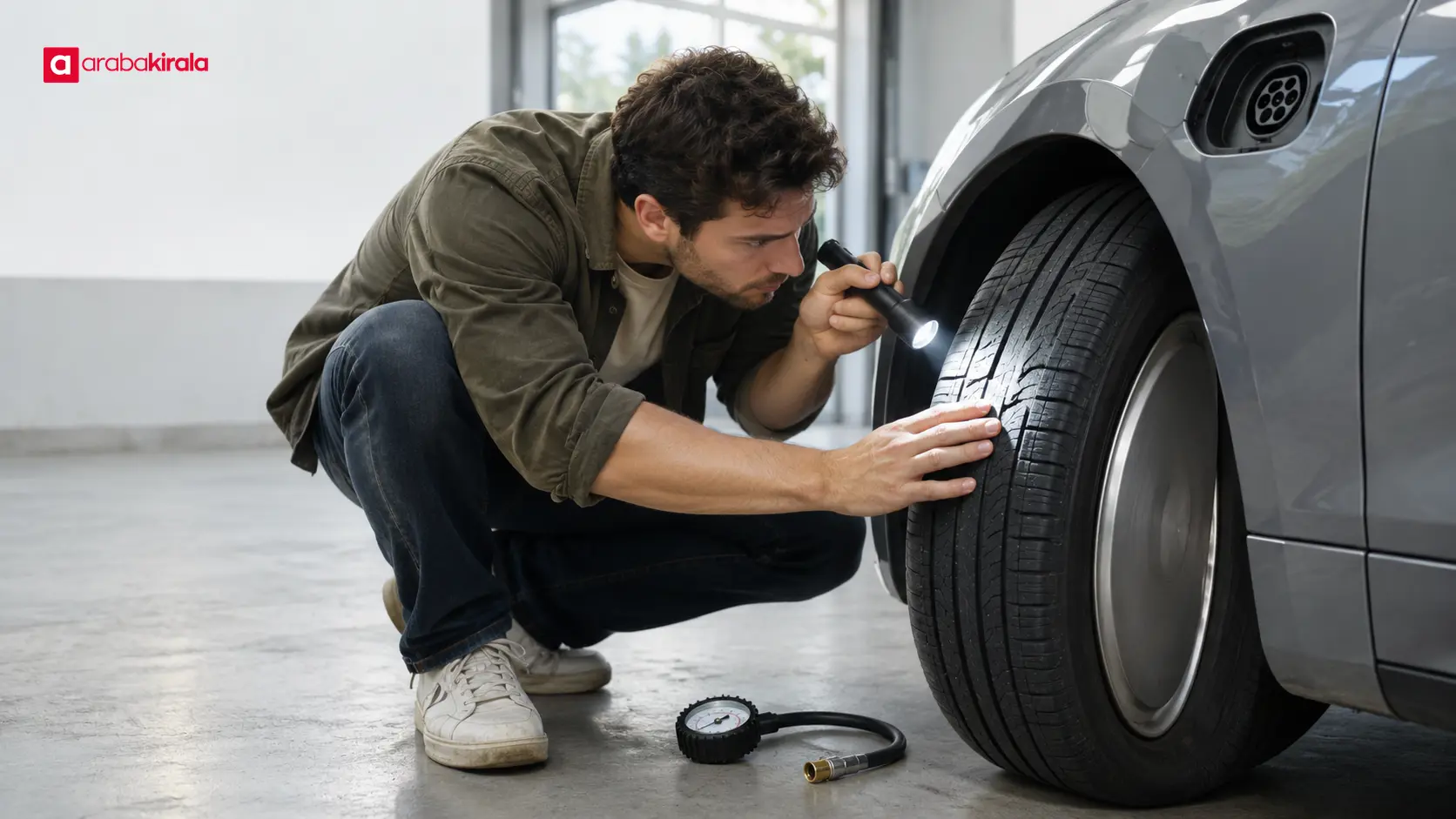
Walk around the vehicle and inspect the tires regularly, preferably in good light. Look for cuts, cracks, embedded objects, bulges, or areas that appear more worn than the rest. Check the inner and outer shoulders from different angles. Do not crawl under the vehicle or reach toward a wheel in an unsafe position.
Tread grooves help channel water and contribute to tire grip. Tread depth is difficult to estimate by sight alone. Wear indicators may be located in some grooves; wear approaching or reaching them is a reason to arrange a professional assessment. For current legal limits or a measurement that applies to your vehicle, consult official information and the tire maker’s documentation.
A bulge, cut, deep crack, or visible tire cord can indicate serious damage. Do not assume it is safe to continue driving. Stop in a safe place and seek professional assistance. Seeing a nail or similar object does not mean you should pull it out; removal may increase air loss.
What uneven wear may indicate
More wear along one shoulder than elsewhere can be associated with pressure, alignment, suspension, or operating conditions. Wear concentrated in the center or at both shoulders also does not identify a cause by itself. A wear pattern can help indicate what needs checking, but a professional measurement is needed to determine the reason.
Do not delay an inspection if you notice uneven wear, the vehicle pulling to one side, steering vibration, or a new humming sound. Each symptom can have different causes. Rather than diagnosing from one sign, ask a professional to assess the tires, wheels, and vehicle together.
Tire rotation means changing wheel positions according to a specified pattern and may help balance wear. Not every tire setup uses the same pattern: directional tires, different front and rear sizes, and manufacturer instructions can change what is appropriate. Follow the vehicle manual for the rotation method and interval.
A practical tire-check routine
- Regular visual checks: Look over tread and sidewalls for cuts, bulges, objects, and uneven wear.
- Measure pressure: Check cold tires and use the front and rear values listed on the vehicle label or in the manual.
- Before a trip: Before a long drive or a substantial change in load, check for visible damage and pressure loss.
- When a warning or symptom appears: Take a TPMS alert, pulling, or vibration seriously; stop safely and arrange an inspection.
- Keep a record: Note pressure readings, rotations, and tire changes to make wear trends easier to follow.
Picking up and using a rental electric vehicle
Before driving a rental electric vehicle, visually inspect the tires and check the dashboard for a tire warning. If you notice clear damage, unusual deflation, or a warning, tell the office where you picked up the vehicle before using it. A visual check does not replace a professional pressure measurement or technical inspection.
Ask the pickup location about vehicle- or reservation-specific details such as the pressure target, how to report a tire issue, and available roadside assistance. These questions also help you understand the rental and handover records. For general upkeep, follow the vehicle maker’s manual.
Summary and next step
Build three habits into electric vehicle tire care: measure cold pressure, inspect tread and sidewalls regularly, and seek professional attention for warnings or uneven wear. Use the vehicle’s pressure label and treat TPMS as an additional alert. At your next check, note the reading and date. If you see damage, stop somewhere safe and get professional help.
Frequently Asked Questions
Where can I find the recommended pressure for an electric vehicle?
Recommended front and rear values are commonly listed on a label around the driver’s door opening or in the owner’s manual. Do not use the tire sidewall’s maximum pressure as the target.
When should I measure tire pressure?
Measure when the tires are cold; readings can rise temporarily after driving warms them. Follow the vehicle’s maintenance guidance and check before a long trip.
What should I do when the TPMS warning comes on?
Stop somewhere safe and look for visible damage or a deflated tire. Measure pressure and compare it with the vehicle label. If the warning remains or a tire looks damaged, seek professional help.
What does uneven tire wear mean?
Different wear patterns can offer clues about pressure, alignment, suspension, or operating conditions, but they do not establish a cause on their own. Have a professional inspect the tires and vehicle.
Can I pull a nail out of a tire?
Do not remove it yourself, because that may increase air loss. If you see an embedded object or damage, stop safely and arrange a professional inspection.
Related Articles
- Electric Car Charging Costs: Payment and Session Guide
- Electric Vehicle Scheduled Charging: A Daily Plan
- Electric Vehicle Charging Screen: Power, Energy and Time