EV Charging Connector vs. Charging Cable
Published: October 6, 2026 • Reading Time: 6 min • Last Updated: October 6, 2026
Learn how an EV charging cable, connector and vehicle inlet differ, and how to check compatibility and handle charging equipment safely.
Contents
- What are the cable, connector and vehicle inlet?
- Why does the distinction matter?
- How does a charging connection work?
- What should you check when considering cable and connector types?
- Connection format
- Charging method and equipment compatibility
- Cable condition and handling
- A practical checklist for choosing or using a cable
- What should you ask about charging equipment in a rental EV?
- Frequently asked questions
- Are a charging connector and charging cable the same thing?
- Will every EV cable fit every charging unit?
- Can an EV be charged without bringing a cable?
- What if the connector is difficult to insert?
- Before you set off
An electric vehicle charging cable, its connector and the vehicle’s charging inlet are three related but different parts. This guide explains what each one does, how they work together, and what to check before connecting at a charging point. Knowing the distinction helps you identify compatible equipment and avoid forcing a connection.
What are the cable, connector and vehicle inlet?
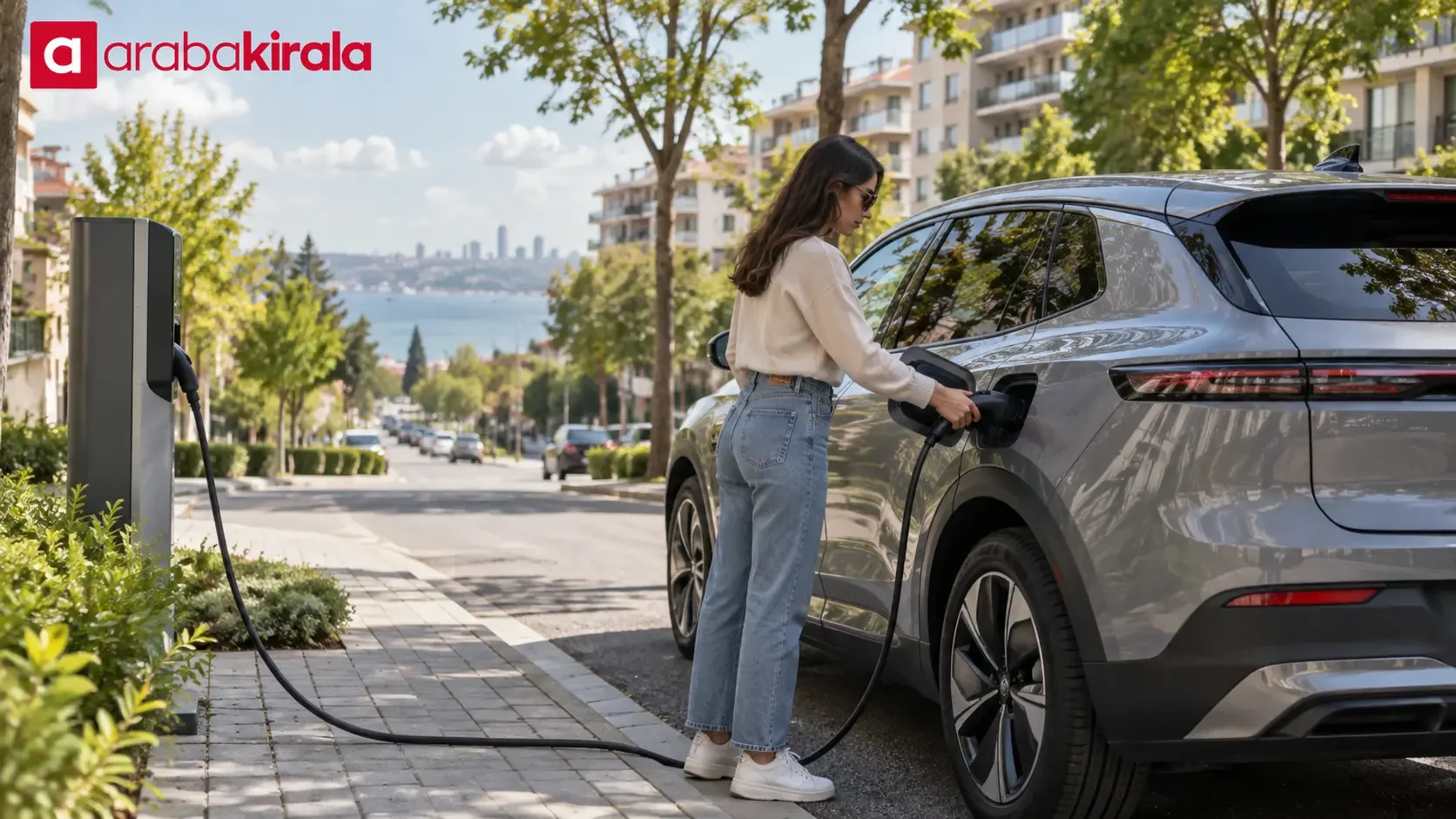
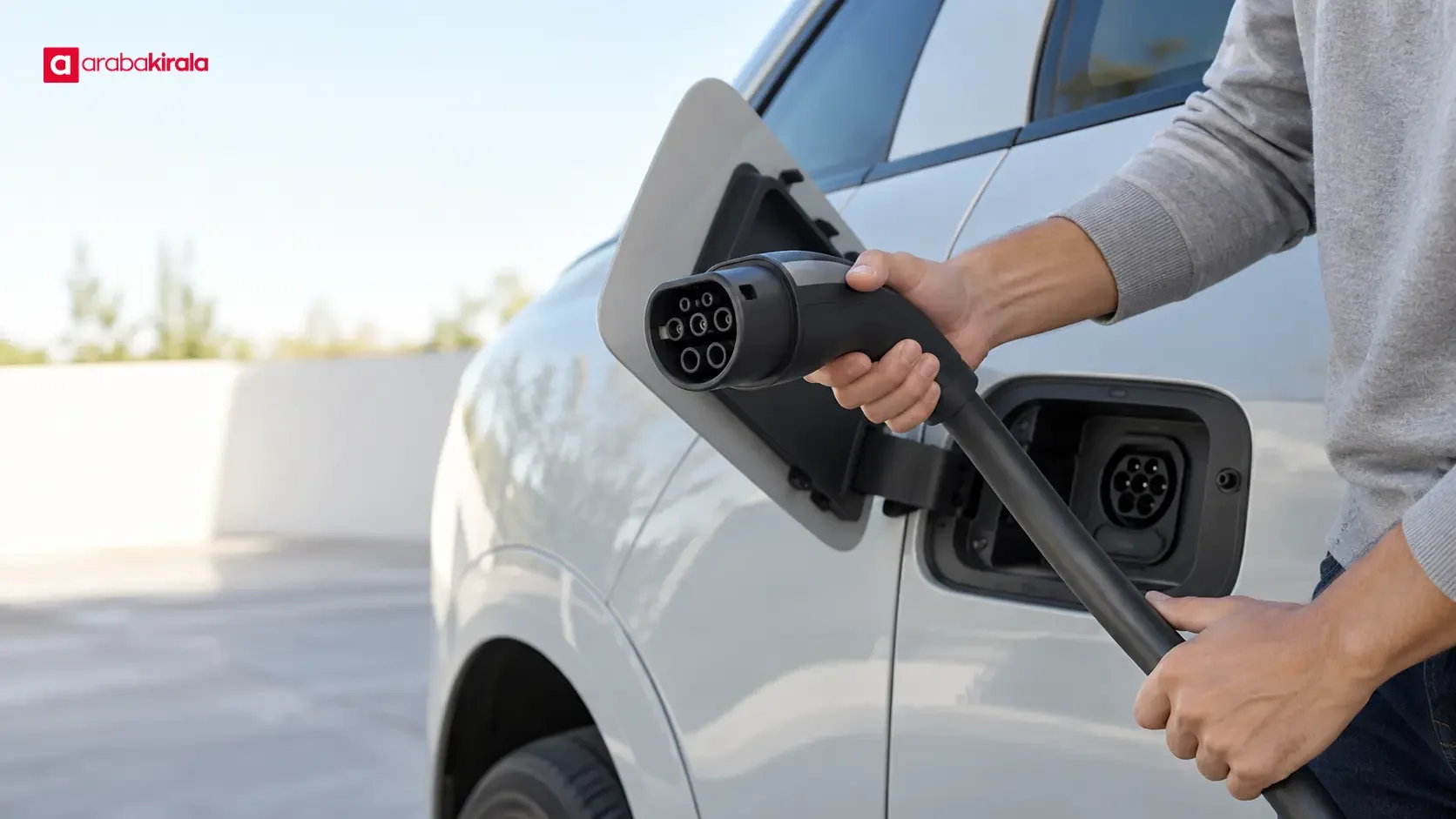
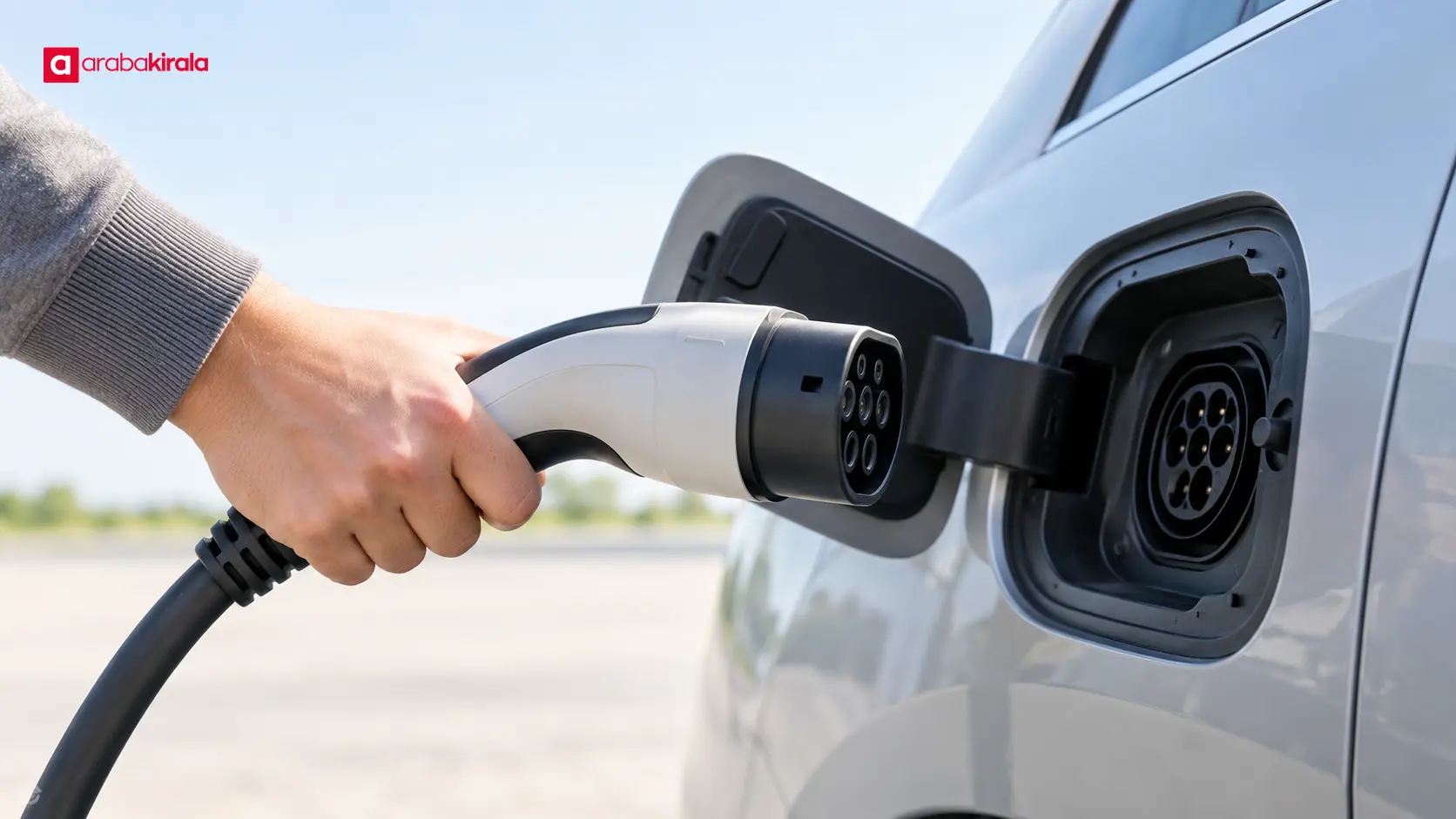
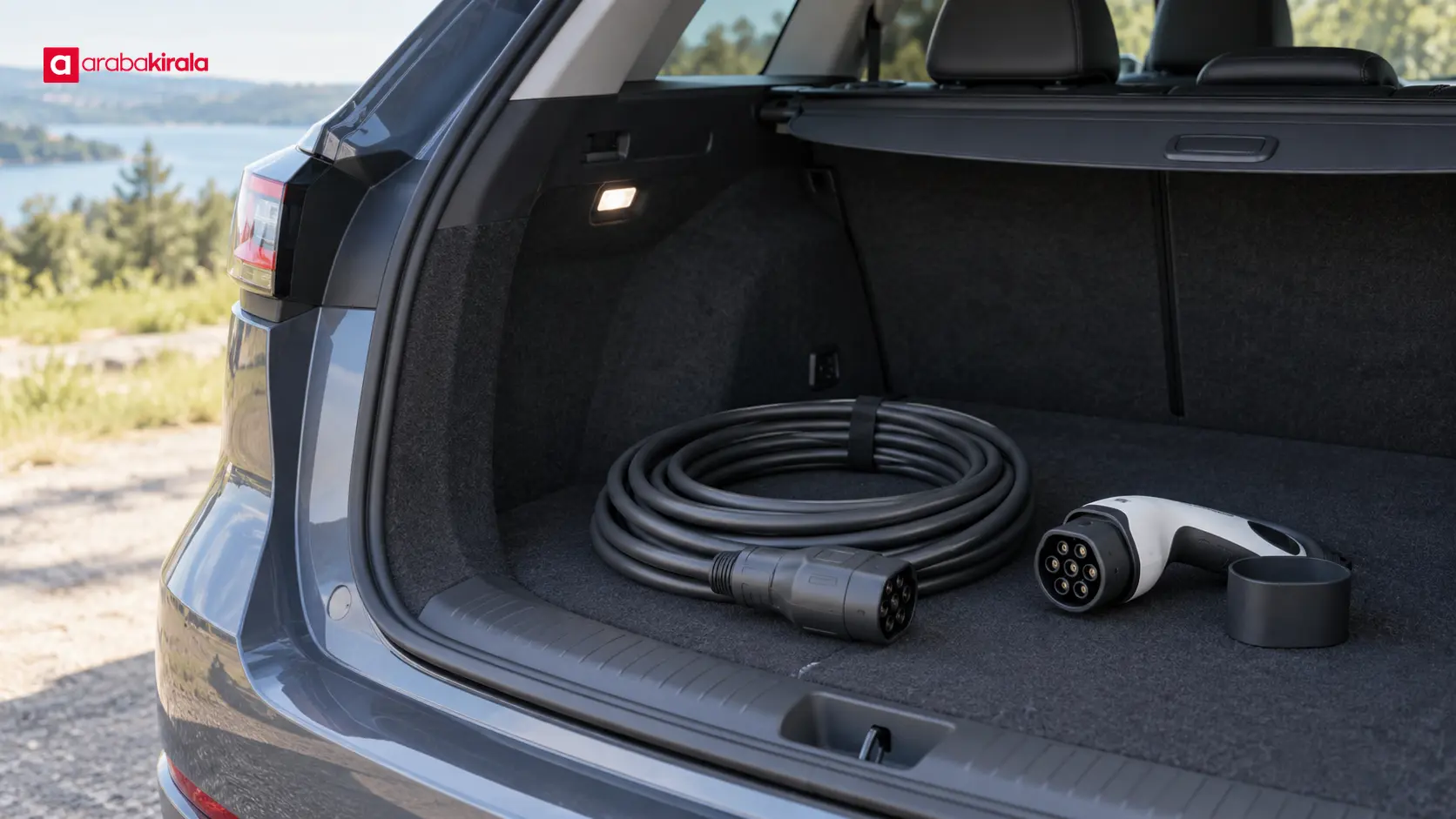
The charging cable is the cable assembly that carries electrical energy between a charging source and a vehicle. A cable may have a connector at each end, allowing it to attach to the charging equipment and the vehicle. Some charging units have a cable permanently attached. At other installations, the driver brings a separate cable and connects it at both ends.
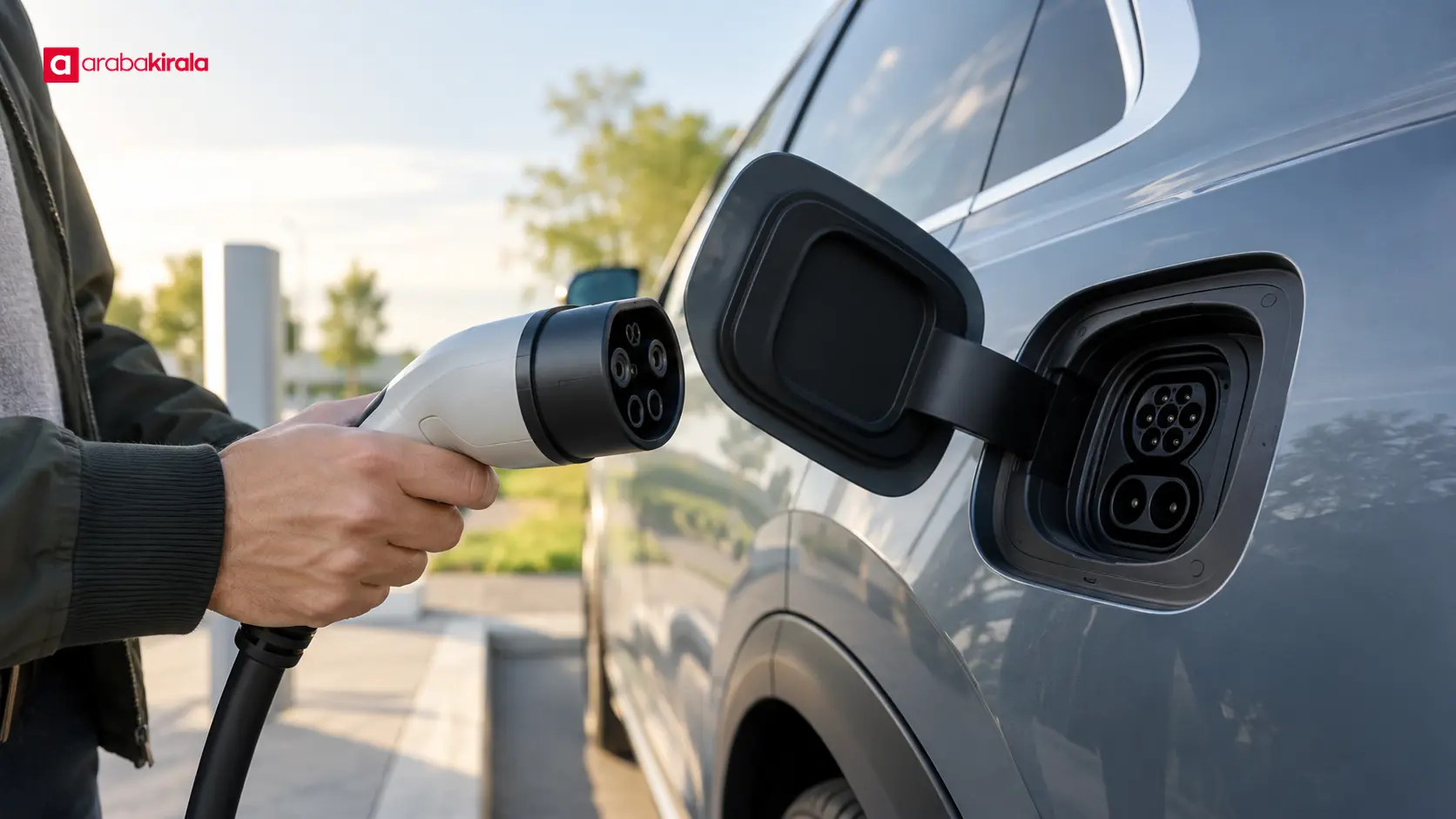
A connector is the plug at the end of the cable. Its contact points and physical shape determine how it mates with the equipment or vehicle. The charging inlet is the socket built into the car where the vehicle-side connector fits. In short, the connector is the cable end, the inlet is part of the vehicle, and the cable carries energy between connection points.
Why does the distinction matter?
Having a cable available does not mean it will fit every vehicle or charging unit. The cable ends, vehicle inlet and charger connection must be compatible. If the shapes do not match, the plug may not seat properly. Even when connectors look similar, check the vehicle and equipment documentation for electrical compatibility instead of relying on appearance alone.
Knowing the parts also helps you describe a problem. A unit without an attached cable may require a portable cable. If a cable is present but its vehicle end does not fit, the issue is connector compatibility. If a suitable connector is in place but charging does not start, the cause may involve the inlet, cable, charger or the steps required by the equipment. Do not force the plug; stop and follow the instructions for the vehicle and charger.
How does a charging connection work?
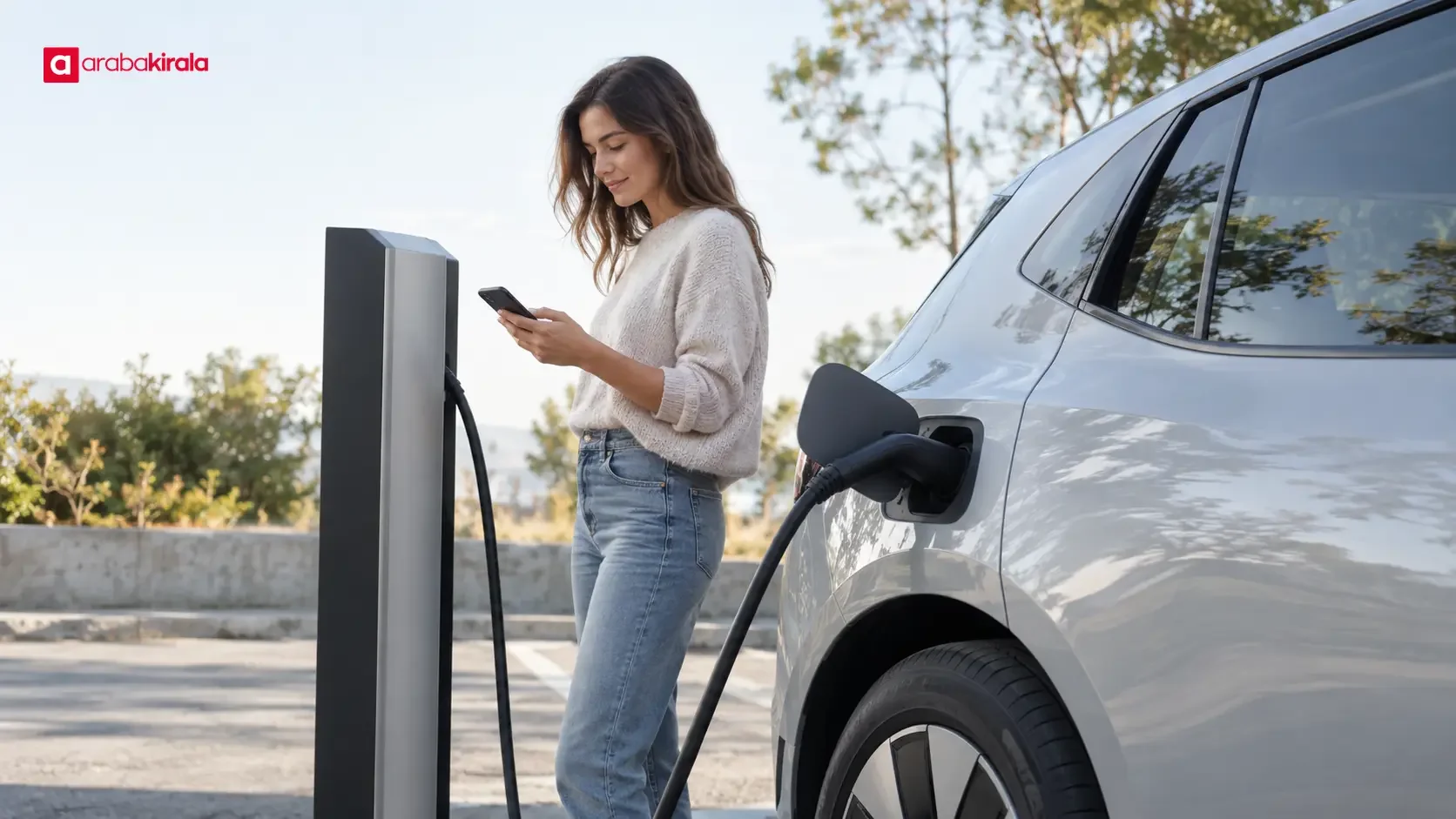
The exact steps depend on the charging method, but a compatible energy source, cable, connector and vehicle inlet form the connection. Once the connector is fully seated, the vehicle and charger can recognize the connection. Charging then proceeds according to the capabilities and settings of both systems. Some equipment also requires an activation or authentication step. Follow the charging unit’s directions and the vehicle manual for the correct sequence.
Hold the connector in the intended orientation and insert it straight. Handle it by its body rather than pulling or carrying it by the cable. Keep the cable clear of the vehicle’s wheels and walkways, and do not leave it where it can be crushed. If you notice unusual heat, visible damage or a loose connection, stop using the equipment. Follow the manufacturer’s instructions on keeping connectors clean and protected from moisture.
What should you check when considering cable and connector types?
Connection format
Start with the charging inlet specified in the vehicle manual and the cable or socket arrangement at the charging point. One end must suit the vehicle and the other the charging source. Do not assume compatibility from the plug’s appearance. The vehicle manual and technical information supplied with the charging equipment are better references.
Charging method and equipment compatibility
Electric vehicles may support different charging methods. With AC charging, part of the conversion takes place in the vehicle’s onboard system. DC fast charging delivers energy to the vehicle by a different method. This does not mean every cable works with every charging method. Check the vehicle’s supported charging options alongside the unit’s technical specifications, rather than selecting equipment by plug shape alone.
Cable condition and handling
Do not use a cable with cuts, crushing, cracks, exposed conductors or a loose connector. Cable length and weight affect reach and storage, but a longer cable is not automatically the better choice. Follow the maker’s guidance for use and storage, avoid tight bends, and keep protective caps clean when provided.
A practical checklist for choosing or using a cable
- Find the charging inlet type and supported charging methods in the vehicle manual.
- Check whether the charging point has a permanently attached cable and identify its connection end.
- If you need your own cable, confirm that both ends match the vehicle and charging source using their technical documentation.
- Visually inspect the cable and connector for damage, dirt or loose parts before use.
- Store a portable cable as directed by its manufacturer and use it only for its intended purpose.
- If you are renting an electric vehicle, ask the branch you will collect it from which charging equipment is supplied and whether it matches the charging points you plan to use.
What should you ask about charging equipment in a rental EV?
Whether a charging cable is included and which connector ends are supplied can depend on the vehicle and collection arrangements. Before collection, ask the branch you are renting from whether a portable cable is included, which connection types its ends support, and how to match them to the charging points you expect to use. Do not assume that one equipment list applies to every vehicle.
You can also ask how the car displays that charging has started and how supplied equipment should be returned. These details help you understand the kit and plan your trip. Battery charge, estimated range and charger availability are separate considerations, so check suitable charging locations along your route before setting off.
Frequently asked questions
Are a charging connector and charging cable the same thing?
No. The cable is the assembly that carries energy; a connector is the plug at its end. The charging inlet is the socket on the vehicle that accepts the connector.
Will every EV cable fit every charging unit?
No. The vehicle inlet, cable ends and charging unit connection must work together. Confirm the match using the vehicle manual and the equipment’s technical information.
Can an EV be charged without bringing a cable?
If the charging unit has a permanently attached cable with a compatible connector, a separate portable cable may not be needed. Requirements depend on the charging point and vehicle, so check in advance.
What if the connector is difficult to insert?
Do not force it. Check its orientation and compatibility. If you see dirt or damage, stop using the equipment and consult the unit’s instructions.
Before you set off
Treat the cable, connector and vehicle inlet as separate parts when checking compatibility. Match the inlet information in the vehicle manual to the charging point, inspect equipment before use and follow the connection instructions. For a rental EV, confirm cable and connector details with the branch you will collect it from, then plan suitable charging stops along your route.
Legal Disclaimer: All content, articles and information on the Araba Kirala website are provided solely to inform users. No information shared on this website constitutes definitive advice or guidance. Araba Kirala Teknoloji A.Ş. and its authors cannot be held responsible for any direct or indirect damages arising from the application of information on the website. For all questions and requests regarding car rental, please contact the office from which you will rent your vehicle.