Exhaust Smoke Colors and Safe Driving: A Practical Guide
Published: November 28, 2026 • Reading Time: 7 min • Last Updated: November 28, 2026 • Author: Merve B.
Contents
- How to assess exhaust smoke
- White smoke: distinguish brief vapor from persistent smoke
- When can thin white vapor be ordinary?
- When white smoke needs attention
- Blue or blue-gray smoke: a possible oil-related sign
- Black smoke: a possible combustion or air-fuel issue
- What else should you observe?
- Safe steps when you notice smoke
- What to share during an inspection
- Summary: observe the smoke and put safety first
- Frequently Asked Questions
- Related Articles
Exhaust smoke colors safe driving is a useful topic because smoke can provide an early clue that a vehicle needs attention, but color alone cannot identify the cause. This guide explains how to distinguish brief white vapor from persistent white, blue, or black smoke, which accompanying signs matter, and how to respond without putting yourself or others at risk.
How to assess exhaust smoke
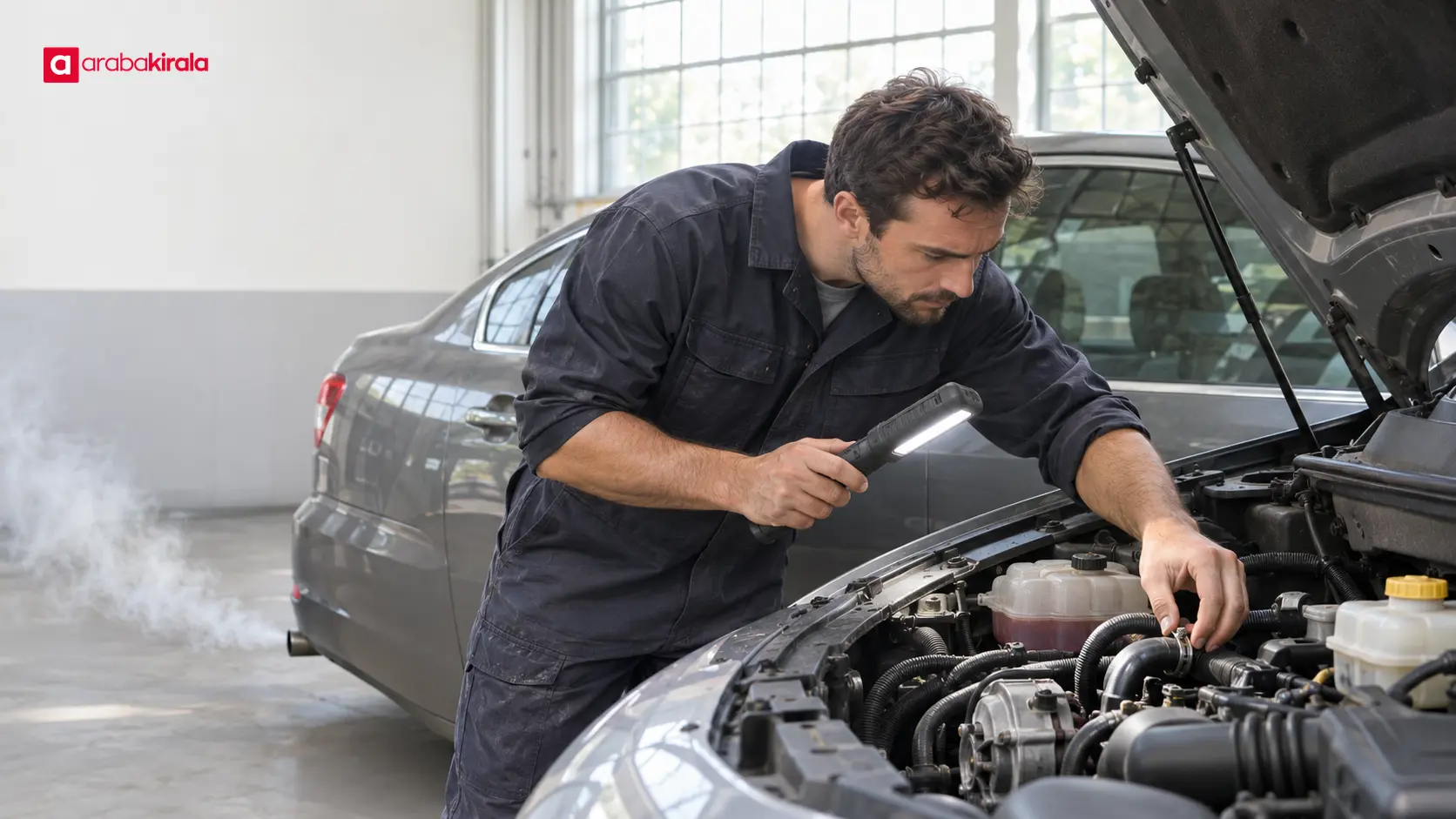
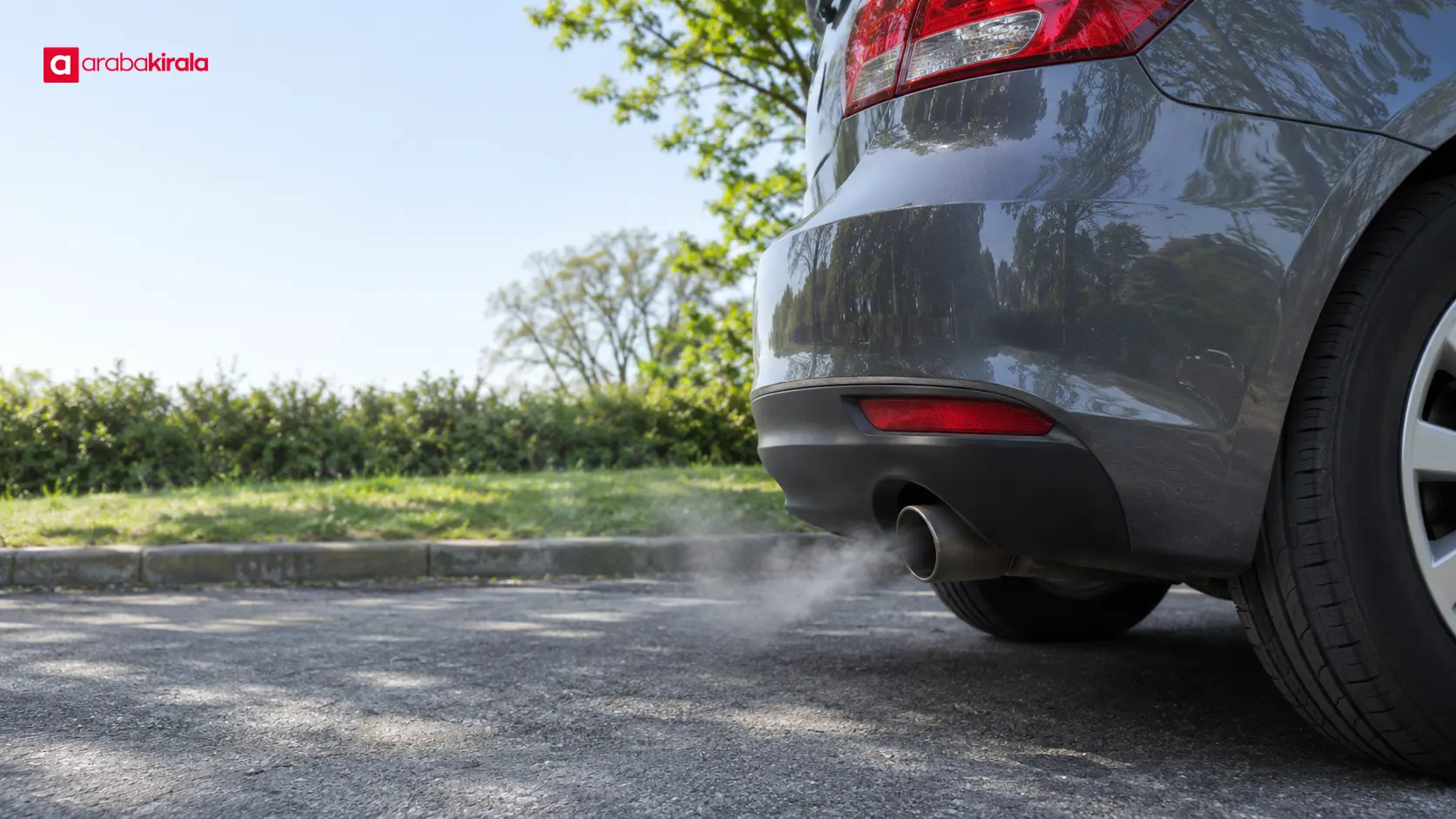
Not everything visible at the tailpipe means the same thing. In cold or damp weather, water vapor can leave the exhaust as a thin white cloud. It often fades as the exhaust warms. Smoke that remains after the engine has warmed up, grows dense, or appears alongside an unusual smell or change in engine behavior deserves closer attention.
Color is only a starting point. Lighting, weather, and the background can change how smoke appears. Observe it in natural light when safe, and note the temperature gauge, dashboard warnings, engine response, idle, and sounds. These details help a technician understand the conditions in which the symptom occurs.
White smoke: distinguish brief vapor from persistent smoke
When can thin white vapor be ordinary?
After a cold start, thin white vapor that quickly disperses is often condensation evaporating from the exhaust system as it warms. A small amount of water at the tailpipe can have the same explanation. Neither observation by itself proves that the engine has a fault.
When white smoke needs attention
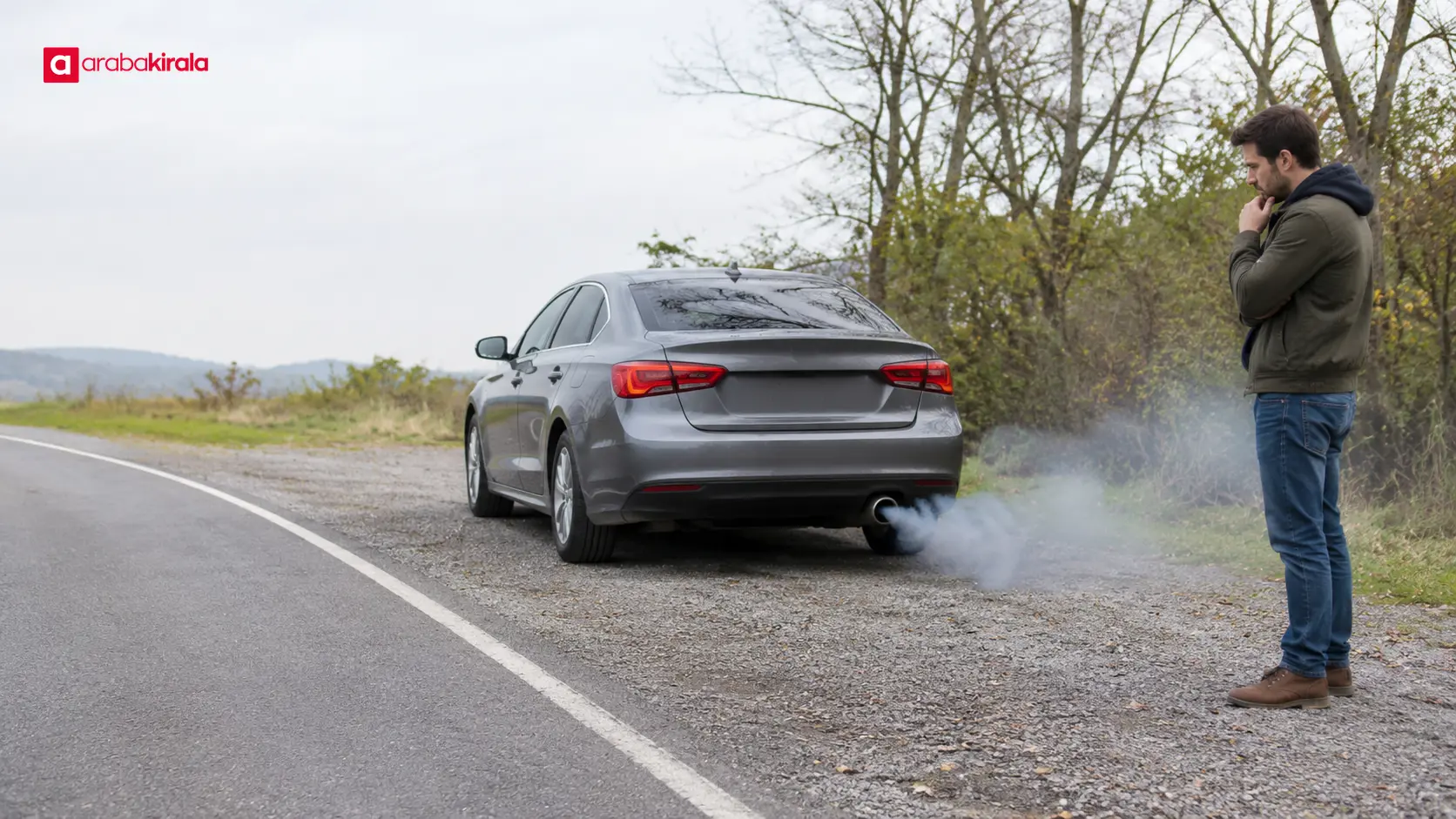
Dense white smoke that continues after the engine is warm is different, especially if it comes with a sweet smell, rising engine temperature, or an unexplained drop in coolant level. A technical issue that allows coolant into the combustion process can produce this kind of symptom, but inspection is needed to determine the actual cause.
If a temperature warning appears or the gauge moves outside its normal range, stop at a safe place. A hot cooling system can be pressurized. Never open a radiator or expansion-tank cap while it is hot; allow the engine to cool and seek appropriate help.
Blue or blue-gray smoke: a possible oil-related sign
Blue or blue-gray exhaust smoke may be associated with engine oil entering the combustion process. The oil level may fall over time, and a burnt-oil smell or change in performance may accompany the smoke. Lighting can affect the perceived color, so note when the smoke appears—at startup, during acceleration, or on a climb—rather than relying on color alone.
If an oil warning appears, a red oil-pressure warning is on, or the engine sound changes markedly, stop safely and follow the vehicle manual. Adding oil does not resolve every underlying problem, and the correct oil and checking method depend on the vehicle maker’s guidance. Avoid working in the engine bay if you are unsure.
Black smoke: a possible combustion or air-fuel issue
Black exhaust smoke can be associated with incomplete fuel combustion or a problem affecting the engine’s air-fuel balance. Several components may be involved, including the air intake, fuel system, sensors, or engine management. The smoke color does not identify which one needs repair. Reduced power, uneven running, or a noticeable change in fuel use may also occur.
If dense smoke affects visibility, or the engine misfires, loses power, or displays a warning light, pull over safely. Avoid continuing through a cloud that obstructs your view. Even if the smoke seems mild, recurring black smoke merits a technical inspection.
What else should you observe?
- Duration: Does the smoke appear only at startup, or does it continue after the engine warms up?
- Density: Is it thin vapor that disperses quickly, or a thick cloud that affects visibility?
- Odor: Is there a sweet, fuel-like, or burnt-oil smell? Do not approach the tailpipe to check.
- Warnings: Is the temperature, oil-pressure, or engine warning light on?
- Vehicle behavior: Have power, idle, engine sound, or the temperature gauge changed?
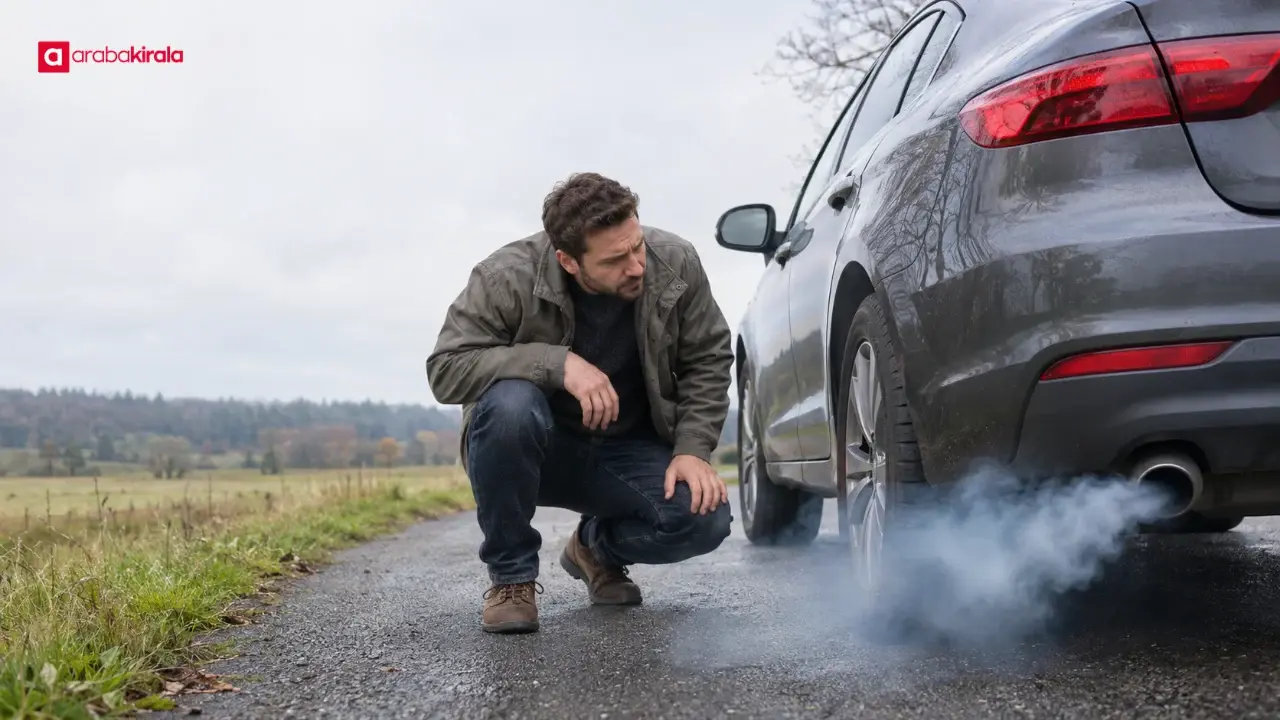
Make observations from a safe distance without interrupting traffic. Exhaust fumes are dangerous to breathe. Do not leave an engine running in an enclosed garage, and do not crawl under the car to look for the source.
Safe steps when you notice smoke
- Assess the road first. If smoke suddenly thickens or the vehicle loses power, move to a safe place while watching traffic and surroundings. Avoid an abrupt maneuver.
- Check dashboard warnings. For a serious sign such as overheating or an oil-pressure warning, do not continue driving. Follow the vehicle manual’s instructions.
- Record the symptom briefly. Note the color, duration, weather, engine condition, and any smell or dashboard warning. Photograph the exhaust only if you can do so safely, away from traffic.
- Get a technical assessment. Arrange a qualified inspection for smoke that continues or returns. If the vehicle appears unsafe or the warning is serious, request roadside assistance.
If smoke appears in a rental vehicle, bring it to a safe stop first, then contact the branch from which you rented it for instructions. Describe the dashboard warnings and what you observed. Follow the branch’s guidance and obtain technical support when needed instead of guessing whether the car is safe to continue using.
What to share during an inspection
A useful inspection considers how the engine behaves as well as the visible smoke. Tell the technician when it appears, how long it lasts, and whether a warning light or performance change accompanies it. Share direct observations such as recent maintenance or a change in fluid level, if you noticed one.
Do not intervene in the vehicle unless you know how to do so safely. Opening fluid caps while the engine is hot, touching the exhaust, or reaching near moving parts can cause injury. A visible color is not enough to decide that a part needs replacement; diagnosis belongs to a technician with the right equipment and vehicle information.
Summary: observe the smoke and put safety first
Exhaust smoke colors safe driving decisions by offering a useful early warning, not a diagnosis. Brief, thin vapor in cold weather may be condensation. Dense white smoke that persists after warm-up, blue smoke, or recurring black smoke may need a technical inspection. If there is an overheating or oil-pressure warning, loss of power, or heavy smoke, stop in a safe place and get professional help.
Your next step is to note the smoke’s color, when it began, and any accompanying signs, then arrange an appropriate inspection. If you are driving a rental car, contact the branch after stopping safely and follow its instructions for the vehicle.
Frequently Asked Questions
Is white smoke from the exhaust normal in cold weather?
Thin white vapor that appears briefly at a cold start and disperses quickly is often moisture evaporating from the exhaust. Dense smoke that continues after the engine warms up, especially with rising temperature or a fluid-level change, calls for an inspection.
Does water dripping from the exhaust mean the car has a fault?
A small amount of water at the tailpipe can result from condensation. If it comes with persistent smoke, an unusual smell, or increasing engine temperature, have the symptoms assessed together by a qualified technician.
What might blue exhaust smoke indicate?
Blue or blue-gray smoke may be associated with oil entering the combustion process, but the color cannot confirm the cause. Note any oil warning, odor, and the conditions when smoke appears, then request a technical assessment.
Can I keep driving if I see black smoke?
That depends on how dense the smoke is and whether other symptoms are present. If visibility is affected, power drops, the engine misfires, or a warning light appears, stop safely and seek help. Recurring black smoke needs inspection.
When should I stop the car immediately because of exhaust smoke?
Stop at a suitable safe location if there is an overheating or oil-pressure warning, significant power loss, dense and increasing smoke, or irregular engine operation. Stay away from enclosed areas where exhaust fumes can accumulate and contact roadside assistance if needed.
What should I do if I notice exhaust smoke in a rental car?
First stop in a safe place. Note the smoke and any dashboard warnings, contact the branch where you rented the vehicle, and follow its instructions about continued use and technical assistance.