What Do the F1 Race Director and Team Race Engineer Do?
Published: November 5, 2026 • Reading Time: 7 min • Last Updated: November 5, 2026 • Author: Merve B.
Learn how the Formula 1 race director oversees official race operations while a team race engineer works with a driver and car, and how their roles differ.
Contents
- Who is the Formula 1 race director?
- Main responsibilities of the race director
- Coordinating sessions and start procedures
- Responding to incidents and safety conditions
- Applying rules and official communication
- What does a team race engineer do?
- Data, feedback, and team decisions
- How the two roles differ
- How communication works during a Grand Prix
- What to watch for in a race broadcast
- Summary and a useful next step
- Frequently Asked Questions
- Related Articles
- Sources
The Formula 1 race director and a team race engineer have distinct responsibilities during a Grand Prix weekend. This guide explains how the race director oversees official sporting operations and track safety, how a team race engineer works with the driver and car data, and where their communication fits. Understanding the distinction makes radio messages and race decisions easier to follow.
Who is the Formula 1 race director?
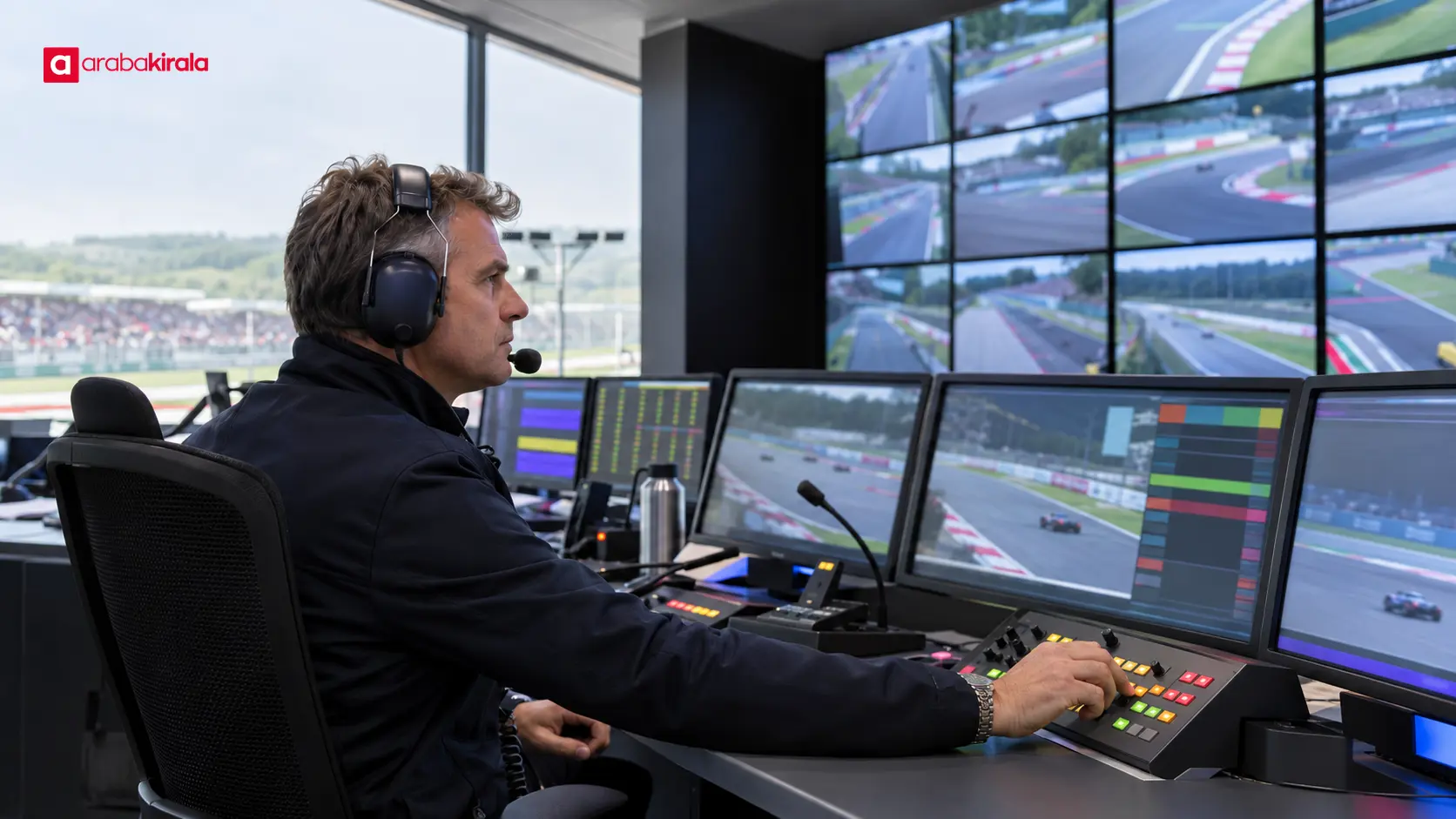
The race director is an official responsible for coordinating the sporting conduct of a Grand Prix event. Working within FIA regulations and event procedures, the role follows activity through race control and helps manage the session’s official flow. The director is central to coordination around major operations such as starting, suspending, or resuming a session.
The focus is the whole circuit and event, rather than one car or team. Reports from track marshals, camera feeds, flag signals, and observations in race control all contribute to the picture. The aim is to keep the sporting session running while accounting for safe conditions for drivers and officials.
Main responsibilities of the race director
Coordinating sessions and start procedures
Practice, qualifying, and the race follow a defined schedule and set of procedures. Within the official race control process, the race director helps coordinate whether a session begins, continues, or is paused because of an incident. Preparations before the start also need to proceed in an orderly way; a team’s own strategy does not replace the official start procedure.
Responding to incidents and safety conditions
A crash, a stopped car, changing weather, or a hazard on the track demands careful assessment by race control. Official measures may include yellow flags, a Safety Car, a Virtual Safety Car, or a red flag. The appropriate response depends on the circumstances and applicable procedures; one signal does not produce the same outcome in every situation.
The race director also considers the positions of marshals and whether intervention is needed. When a Safety Car is deployed, drivers follow the applicable rules. A team engineer can give their driver team-specific information about operating in those conditions, but official track management and the overall race state remain with race control.
Applying rules and official communication
Reviewing incidents may involve different official roles and bodies. The race director does not independently rewrite the rules or personally decide every sporting penalty. The role can include recording an incident, referring it to the relevant officials, and coordinating race control procedures. It is therefore inaccurate to attribute every decision heard during a broadcast to the same person.
What does a team race engineer do?
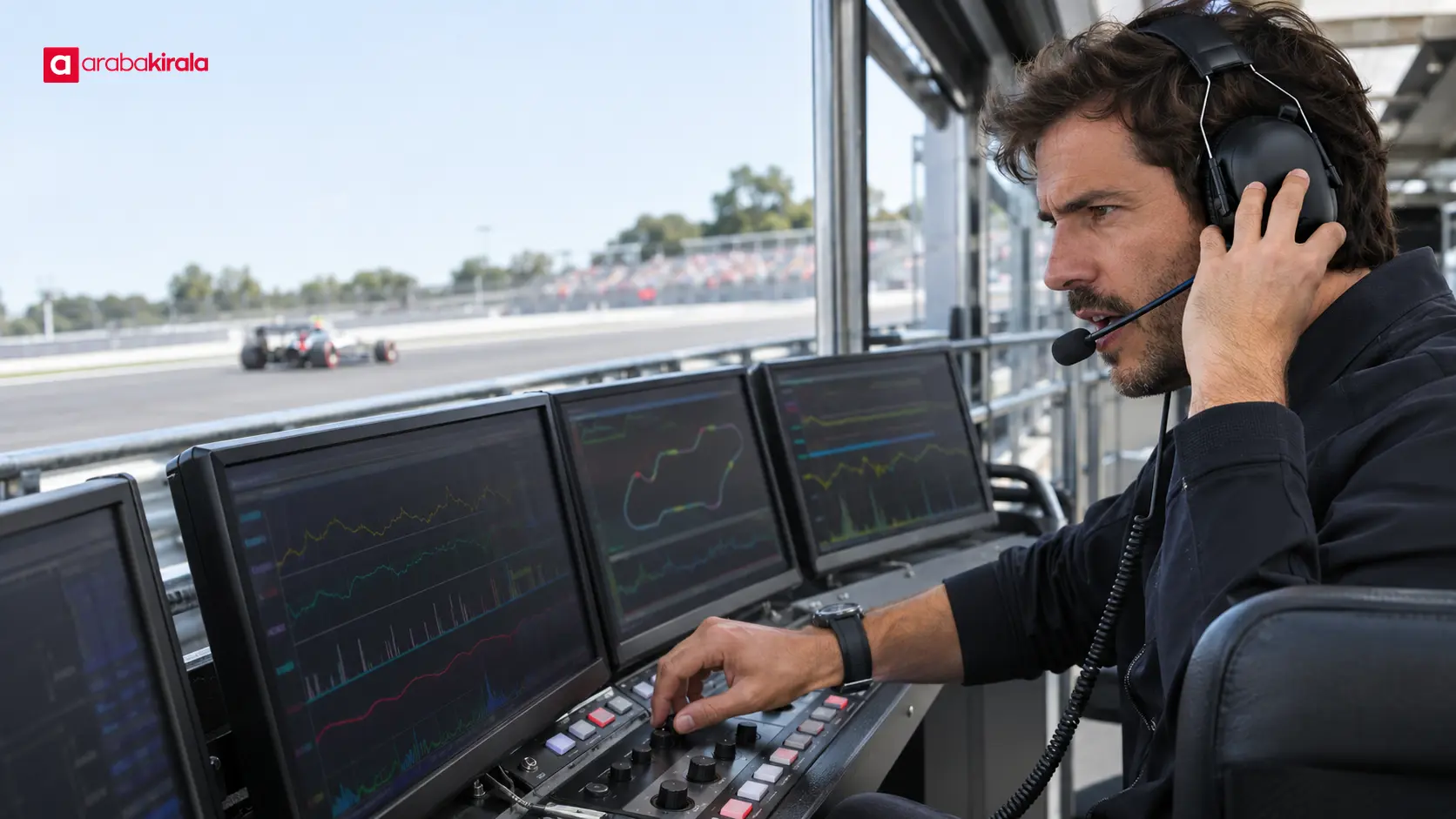
A team race engineer is one of the technical communication points for the crew working with a particular driver and car. From the pit wall or the team’s operating area, the engineer follows the car’s behavior, telemetry, and the driver’s feedback. Radio conversations cover team matters such as car setup, tyre feel, braking behavior, and the race plan.
Telemetry lets engineers assess information gathered by sensors on the car. The team may monitor channels related to speed, the power unit, and car systems; the available data depends on the car and regulations. A number on a screen cannot by itself explain what the driver feels on track. Engineers interpret it alongside driver feedback and circuit conditions.
Data, feedback, and team decisions
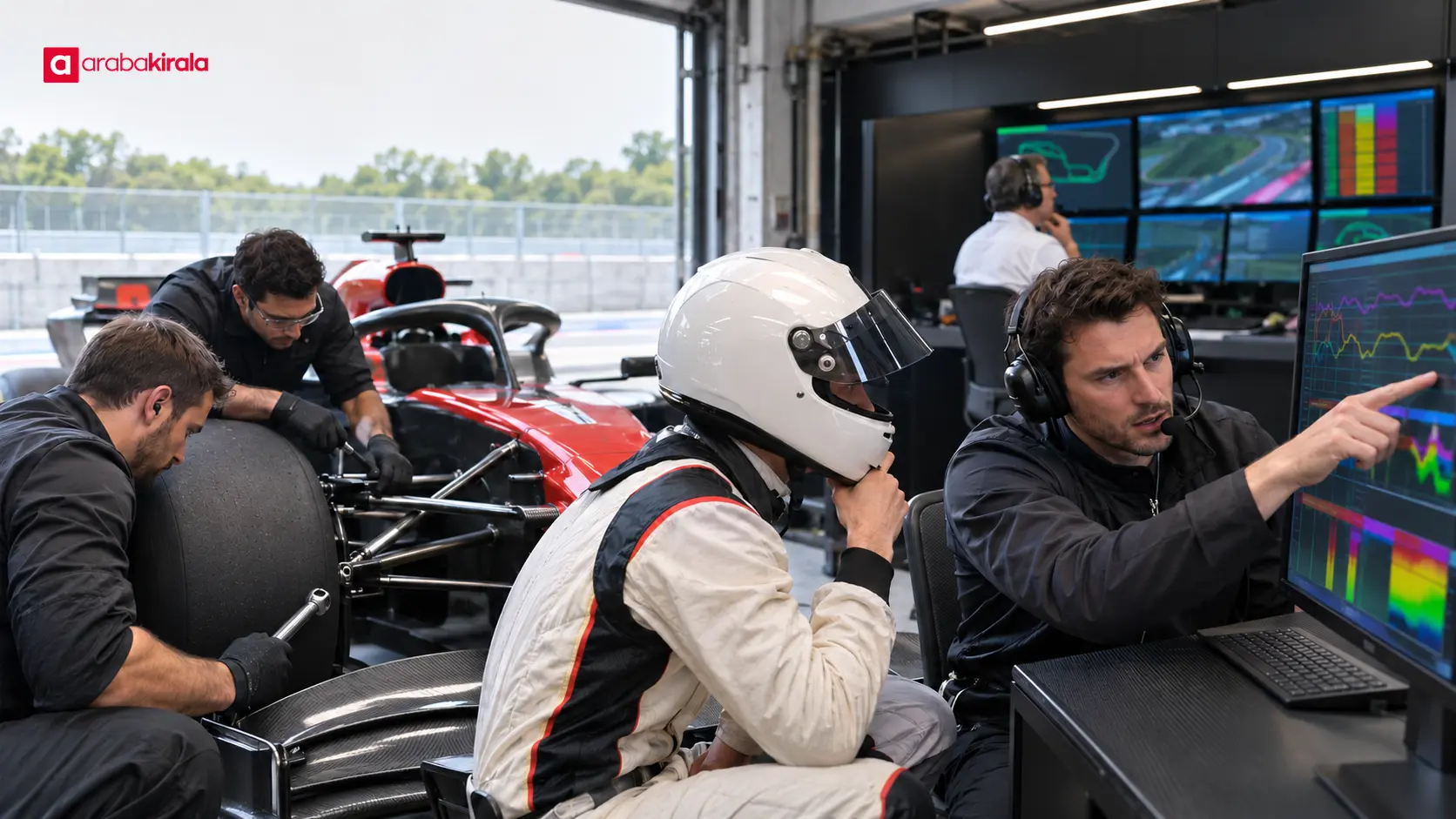
The engineer relays the driver’s comments to the technical crew and communicates the team’s findings in a useful way. Reports of instability on corner entry, tyre wear, or brake temperature, for instance, may need assessment. The engineer’s job is not to fix every technical issue instantly; it is to organize the available information and support decisions by the engineering group and team management.
Strategy discussions are part of the team’s shared work. Tyre selection, pit stop timing, and traffic on track may all be considered against the race plan. The race engineer is often the person who discusses that plan with the driver, although strategic choices can involve input from several people in the team.
How the two roles differ
- Scope: The race director looks after the official flow of the event and circuit; a team race engineer focuses on one car and driver.
- Authority: The race director works in race control and official procedures; the engineer handles team technical and operational communication.
- Information: Race control uses marshal reports and official imagery; the engineer combines car data with driver feedback.
- Communication: Official messages from race control tell teams about shared race conditions; team radio carries team-specific exchanges with a driver.
The roles can affect one another without replacing one another. If race control deploys a Safety Car, an engineer may tell the driver about tyre information and track position. Race control initiates and manages the official measure for the whole circuit; the engineer adapts the team’s car and plan to those conditions.
How communication works during a Grand Prix
When an incident occurs, information moves through several channels. Marshals report observations to race control, which issues appropriate official messages and signals. Teams assess those messages in relation to their own car’s position, strategy, and safety. The team race engineer passes any necessary team-specific guidance to the driver.
This flow explains why a radio exchange heard on a broadcast is not itself the official decision. Instructions to a driver concern the team’s plan, while flags and race control messages establish shared conditions on track. To distinguish the roles while watching, note which channel a message came from and who it addresses.
What to watch for in a race broadcast
- Separate team radio from an official race control announcement.
- Notice which part of the circuit or which conditions a flag signal applies to.
- Remember that teams may assess strategy differently during a Safety Car or Virtual Safety Car period.
- If the reason for a decision is not immediately clear, allow time for incident review and official communication.
This approach discourages drawing a broad conclusion from one radio sentence. The race director oversees operations for the event as a whole, while an engineer works from the needs of their own driver and car.
Summary and a useful next step
The race director deals with official track operations, session coordination, and safety measures. The team race engineer works with car data, driver feedback, and the team’s internal planning. The same incident can touch both areas, but the responsibilities and authority differ. During the next Grand Prix, follow an official message and the team radio separately; doing so helps you understand both the circuit-wide decision and the team’s response.
Frequently Asked Questions
Does the Formula 1 race director run the race alone?
No. The race director works in coordination with race control and the relevant officials. Monitoring track incidents and carrying out procedures are part of an operational process, rather than tasks performed entirely by one person.
Can a team race engineer remotely control the car during a race?
No. The engineer monitors telemetry and communicates with the driver, but does not drive the car remotely. The driver operates it on track, while the use of car systems and settings is subject to technical rules and the car’s design.
Does the race engineer decide when the driver pits?
Pit stops and tyre strategy are considered within the team. The engineer may discuss the plan with the driver and relay data, while the plan is shaped by strategy and operational input from the team.
Can the race director give a team instructions over the radio?
Race control can send teams official messages concerning race conditions. These differ from a team race engineer’s private technical conversation with a driver and are handled under the relevant sporting rules and procedures.
Does the race engineer decide when to deploy the Safety Car?
No. Official measures affecting the whole circuit, such as a Safety Car, fall under race control. After deployment, a team engineer gives their driver information about position, tyres, and the team plan.
Related Articles
- F1 Sprint Qualifying format: Sessions and the Grand Prix start
- What Does Formula 1 Race Control Monitor and How Does It Manage a Race?
- What Are Formula 1 Team Orders and How Are They Communicated During a Race?
Sources
Legal Disclaimer: All content, articles and information on the Araba Kirala website are provided solely to inform users. No information shared on this website constitutes definitive advice or guidance. Araba Kirala Teknoloji A.Ş. and its authors cannot be held responsible for any direct or indirect damages arising from the application of information on the website. For all questions and requests regarding car rental, please contact the office from which you will rent your vehicle.
 Add ArabaKirala as a preferred source on Google