What Is Formula 1 Porpoising? Ground Effect and Balance
Published: November 12, 2026 • Reading Time: 6 min • Last Updated: November 12, 2026 • Author: Merve B.
Contents
- How ground effect creates downforce
- How the porpoising cycle develops
- Why vehicle balance and driver control are affected
- Porpoising versus ordinary bouncing
- How teams try to reduce oscillation
- What to look for while watching
- Summary: consider aerodynamics and mechanics together
- Frequently Asked Questions
- Related Articles
- Sources
This guide explains Formula 1 porpoising, how underfloor airflow interacts with suspension movement, and why that interaction matters for a car’s balance. Porpoising is a repeated vertical oscillation in which a car rapidly dips and rises. It is not simply a soft-suspension problem: it is a feedback loop involving ground effect, ride height and the airflow beneath the car.
How ground effect creates downforce
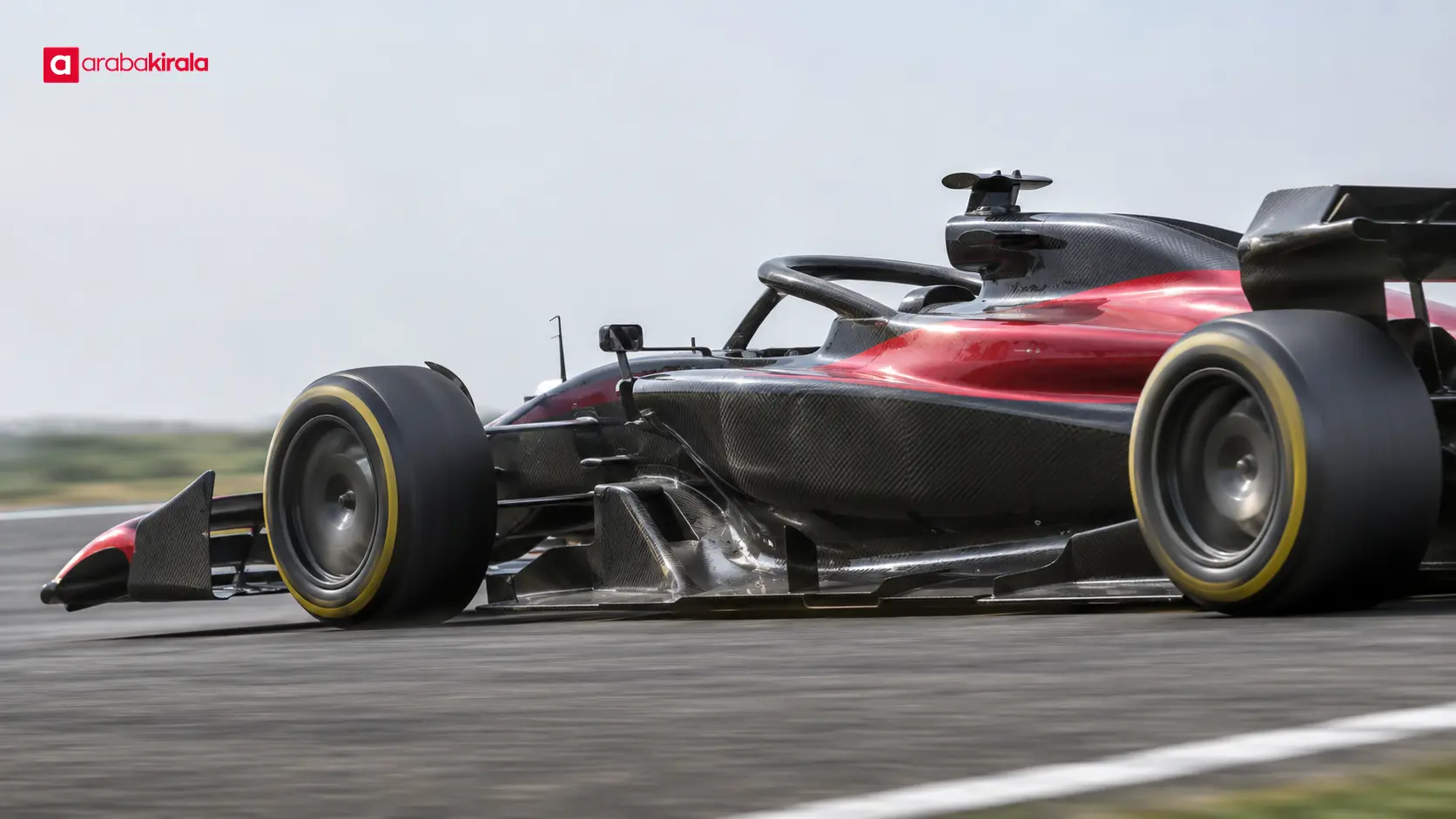
Downforce is the aerodynamic force that presses a car’s tyres toward the track and helps them generate grip, especially through corners. The generation of F1 cars introduced in 2022 used shaped channels beneath the floor and a rear diffuser to manage airflow and produce a substantial part of their downforce. This approach is known as ground effect.
As air passes through the narrowing and widening passages under the floor, its pressure distribution changes. When pressure under the car is lower than above it, the difference pulls the car toward the track. This is a simplified explanation: real aerodynamic behaviour depends on speed, floor shape, diffuser design, airflow stability and ride height working together.
How the porpoising cycle develops
As a car’s floor gets closer to the track, the conditions for airflow underneath can change and downforce may increase. That added force pushes the car lower. At some point, the flow can become restricted or disrupted and the floor may stop working as consistently. Downforce can then fall sharply. The suspension and tyres respond, the car rises, airflow recovers and the cycle can begin again.
The repeated dipping and rising resembles a porpoise moving through water, giving the phenomenon its name. Not every vertical movement is porpoising. Bumps, kerbs and normal suspension response also move the body. To distinguish aerodynamic oscillation, engineers consider how the movement relates to speed and ride height, alongside telemetry and observations from the track.
Why vehicle balance and driver control are affected
When downforce changes quickly, the load reaching the tyres changes too. That can alter aerodynamic balance between the front and rear axles, particularly in a fast corner. The driver may experience less consistent steering response or body movement, while tyre contact and the suspension’s usable travel can also be affected.
The motion may not be limited to a straight. A car needs to change direction under braking, turn-in and acceleration. Repeated vertical movement can challenge the driver’s vision and comfort and make the car’s responses less predictable. In 2022, the FIA said vertical oscillations raised concerns about driver condition and safety. The severity varies with the car and circuit conditions.
Porpoising versus ordinary bouncing
The defining feature of porpoising is a repeating cycle connected to aerodynamic forces. Mechanical bouncing can instead arise from suspension, tyres, the track surface or their interaction. The two can look similar from the outside, so a visual impression alone cannot establish the cause.
- Speed relationship: Aerodynamic oscillation may become more apparent as speed and downforce increase.
- Ride height: The distance between the floor and track affects the behaviour of underfloor airflow.
- Data review: Vertical acceleration, suspension movement, speed and ride height can be examined together in telemetry.
- Track effects: Bumps, kerbs and changes in asphalt can increase mechanical movement and belong in the analysis.
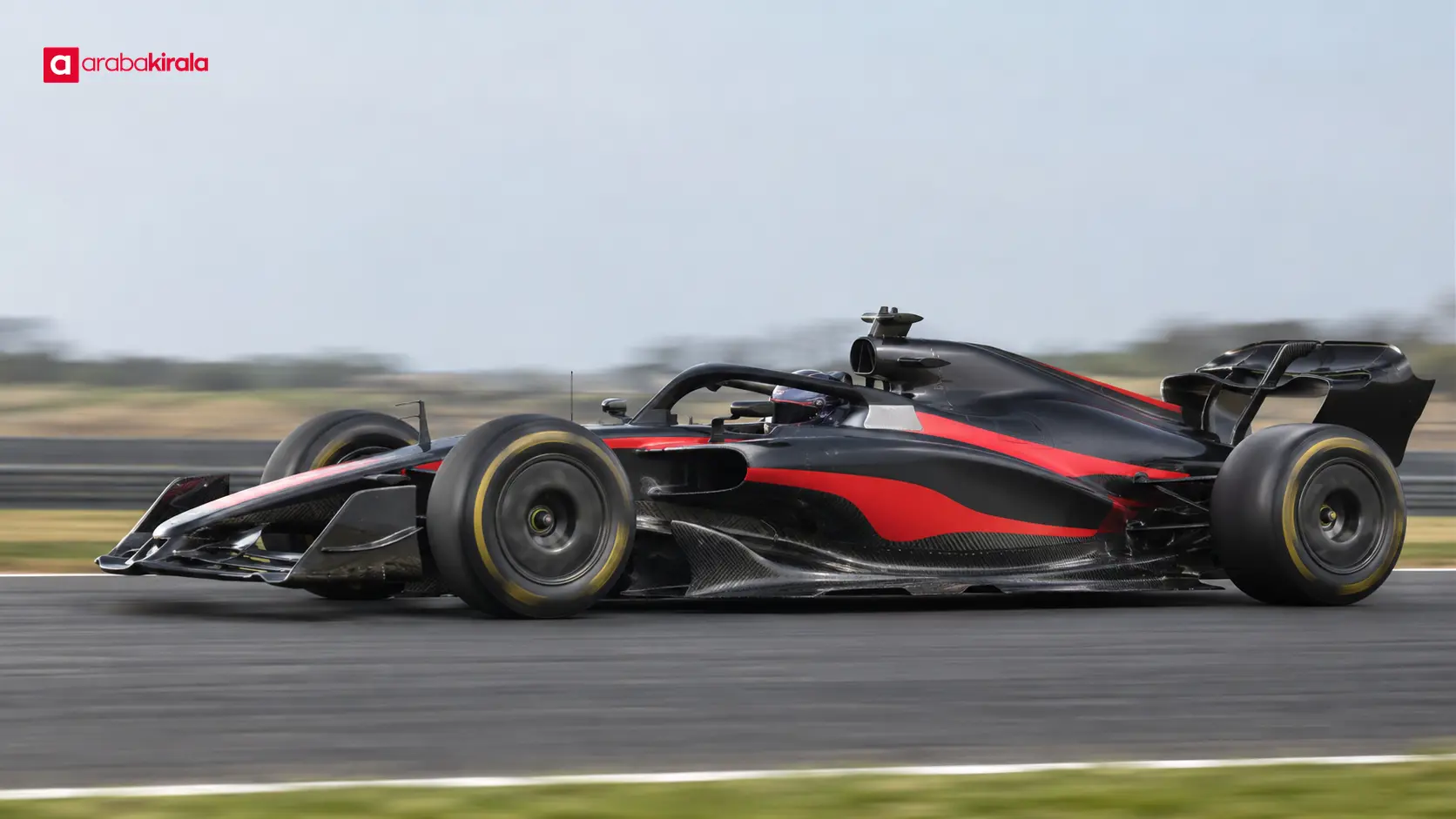
How teams try to reduce oscillation
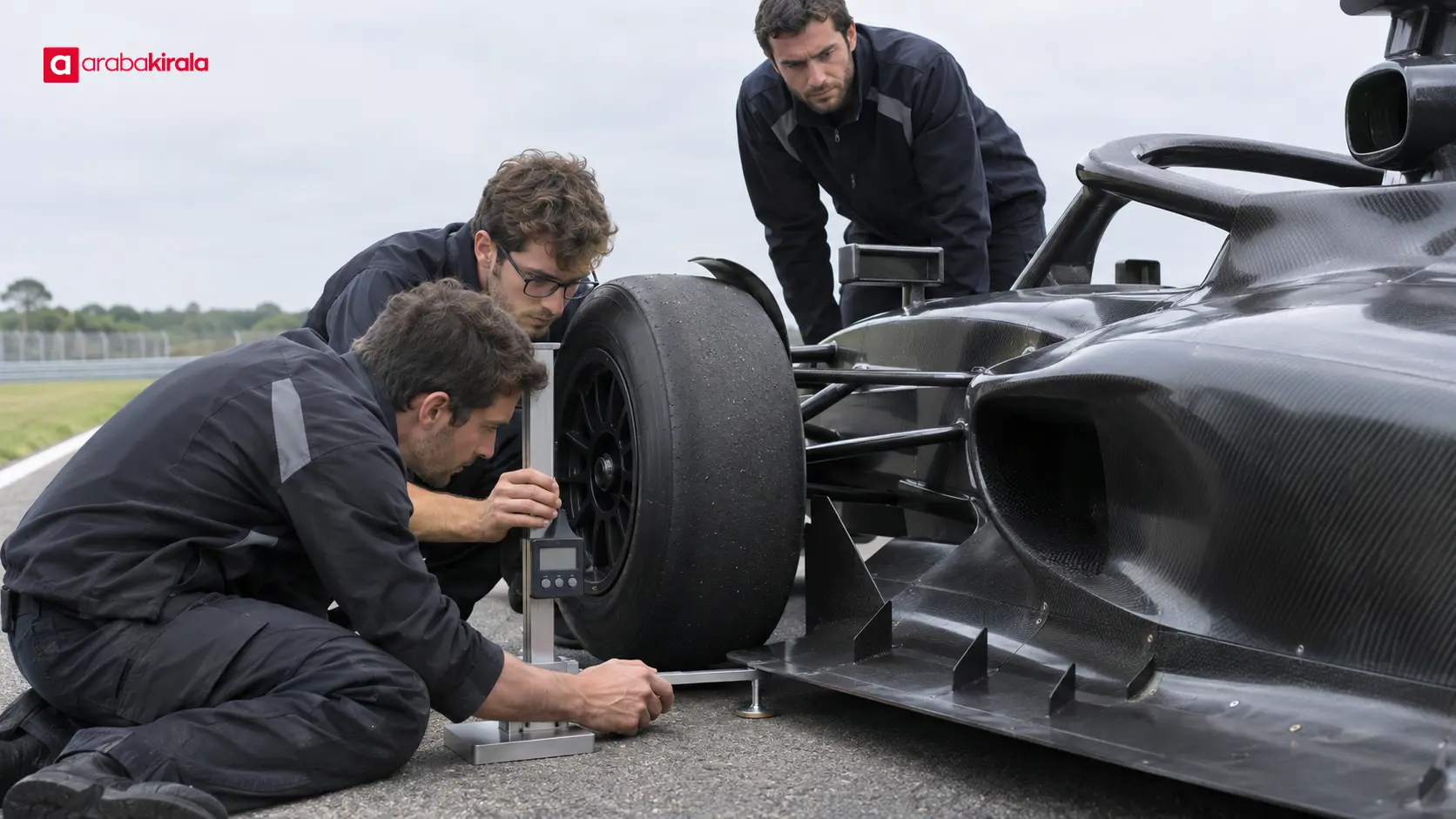
A setup change affects the car’s aerodynamic and mechanical balance, not just one component. Teams assess ride height, suspension settings and airflow around the floor using simulation, measurement and track data. Raising the car may make underfloor flow more stable in some conditions, while also changing downforce and overall performance balance. There is no single setting that produces the same result at every circuit.
In 2022, the FIA announced steps involving scrutiny of floor wear and measurement based on vertical acceleration. This reflected that porpoising was treated as a safety concern as well as a performance issue. Engineers consider speed, cornering behaviour, tyre loads and driver control together when evaluating adjustments. The motion visible to spectators is only one part of a much larger set of measurements.
What to look for while watching
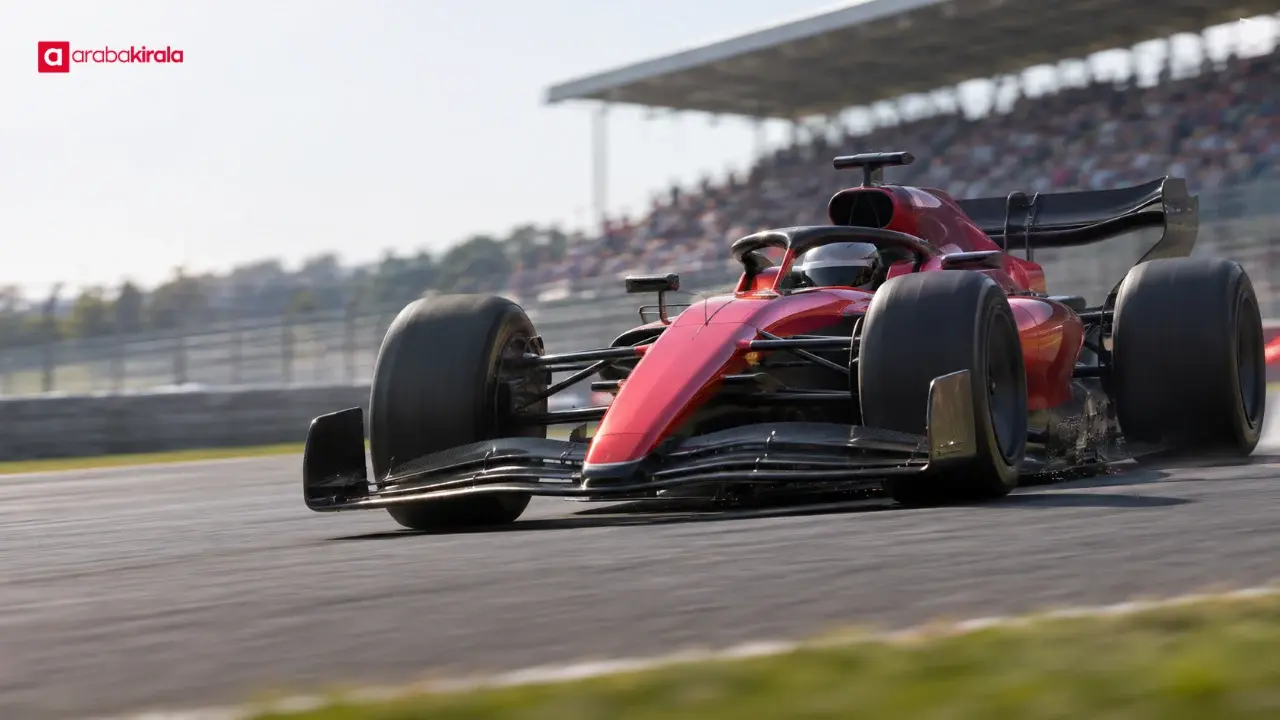
Repeated dipping and rising of the body on a long straight can help viewers spot a possible oscillation in an onboard view. Camera angle, track profile and image vibration can affect what appears on screen. Broadcast footage rarely provides direct access to floor or suspension data, so note where and at what speeds the movement recurs instead of diagnosing its cause from one clip.
Watching how different cars behave on a similar section can provide context, but each has its own design and setup. Treating footage as a definitive performance comparison would overlook those differences. Separating terms such as downforce, ride height and vertical oscillation makes commentary easier to follow and helps distinguish visible bouncing from a possible aerodynamic cause.
Summary: consider aerodynamics and mechanics together
In short, Formula 1 porpoising is a repeating vertical oscillation in which ground-effect downforce changes ride height and the altered height affects airflow beneath the car. Changing forces can affect tyre loads, balance and driver control. Not every bounce is porpoising; understanding the cause requires looking at aerodynamic data, suspension response and track conditions together.
At the next race, watch for repeated body movement on the straights and relate it to speed, ride height and behaviour through corners. This gives you a more useful way to follow the link between ground effect and vehicle balance than interpreting a single image in isolation.
Frequently Asked Questions
Does porpoising happen only at high speed?
At high speed, downforce and underfloor airflow can become more pronounced, so oscillation may stand out in those conditions. Whether it occurs depends on the car’s design, setup and the circuit; there is no single speed threshold that applies to every car.
Are porpoising and bouncing the same thing?
They can look similar in everyday descriptions, but porpoising refers to a repeating motion involving aerodynamic forces and ride height. A bump or suspension response can also look like bouncing. Engineers use measurements to assess the underlying cause.
How can oscillation affect the tyres?
As the body moves vertically, the loads transferred to the tyres can change. Variations in tyre load can affect grip and the car’s response, with the extent depending on the car’s behaviour and conditions.
Will raising ride height definitely eliminate porpoising?
Raising ride height changes the airflow beneath the floor and may help reduce oscillation in some conditions. It also affects downforce and overall balance, so it cannot be treated as a guaranteed fix for every car and circuit.
Can viewers identify porpoising for certain from a broadcast?
Repeated vertical movement is a clue, but camera shake, track surface and mechanical movement can create similar images. A firm distinction requires telemetry and technical analysis; a viewer’s observation alone is not a diagnosis.
Related Articles
- What Are Understeer and Oversteer in Formula 1? Reading Car Balance
- Formula 1 Car Balance: How Weight Distribution Affects Cornering
- Lake Shore Trip Planning by Season: Wind, Paths and Stops