Lake Shore Trip Planning by Season: Wind, Paths and Stops
Published: November 7, 2026 • Reading Time: 6 min • Last Updated: November 7, 2026 • Author: Merve B.
Contents
- How seasons change a lakeside visit
- Assessing wind and weather
- Open shoreline or sheltered path
- Allow for changes during the day
- Choosing a route and reading the ground
- Think about surface and slope
- Fit the route to your group
- Planning visitor stops and timing
- Getting there by car
- Seasonal preparation checklist
- Lake shore trip plan: summary and next step
- Frequently Asked Questions
- Related Articles
A lake shore trip plan should account for more than the temperature. Wind can feel stronger in open stretches, rain may change the footing, and visitor sites may have varying access. This guide helps you weigh route choice, ground conditions, timing and transport so the day is comfortable and adaptable.

How seasons change a lakeside visit
Open water and exposed shorelines can feel different from nearby streets or wooded areas. Wind is often more noticeable across open ground, while shade and shelter vary along a route. A short walk beside the water calls for different preparation from a longer outing with extended stops at viewpoints.
Season also affects daylight and how quickly a trail dries after rain. Mud, loose gravel and puddles can slow a walk. In warmer periods, the amount of shade and time under direct sun matter more. Match the route to your group’s pace and the breaks you expect to take.
Assessing wind and weather
Open shoreline or sheltered path
An exposed path may provide broad views but leave you more affected by wind. A route behind trees or a slope can feel calmer, though it may offer fewer views of the water. Before leaving, look at the route map and note exposed stretches as well as places where your group can pause out of the wind.
Wind changes how comfortable a stop feels in both cool and warm weather. Layered clothing lets you add or remove an outer layer as conditions shift. If you plan to sit by the shore, prepare for the time spent stationary as well as the temperature you will feel while walking.
Allow for changes during the day
Weather can change over the course of an outing. Check a current forecast before you go and decide how you will review updates if the visit runs long. If there is a warning for thunderstorms, strong wind or poor visibility, postpone exposed sections or choose a more sheltered option.
Choosing a route and reading the ground
Think about surface and slope
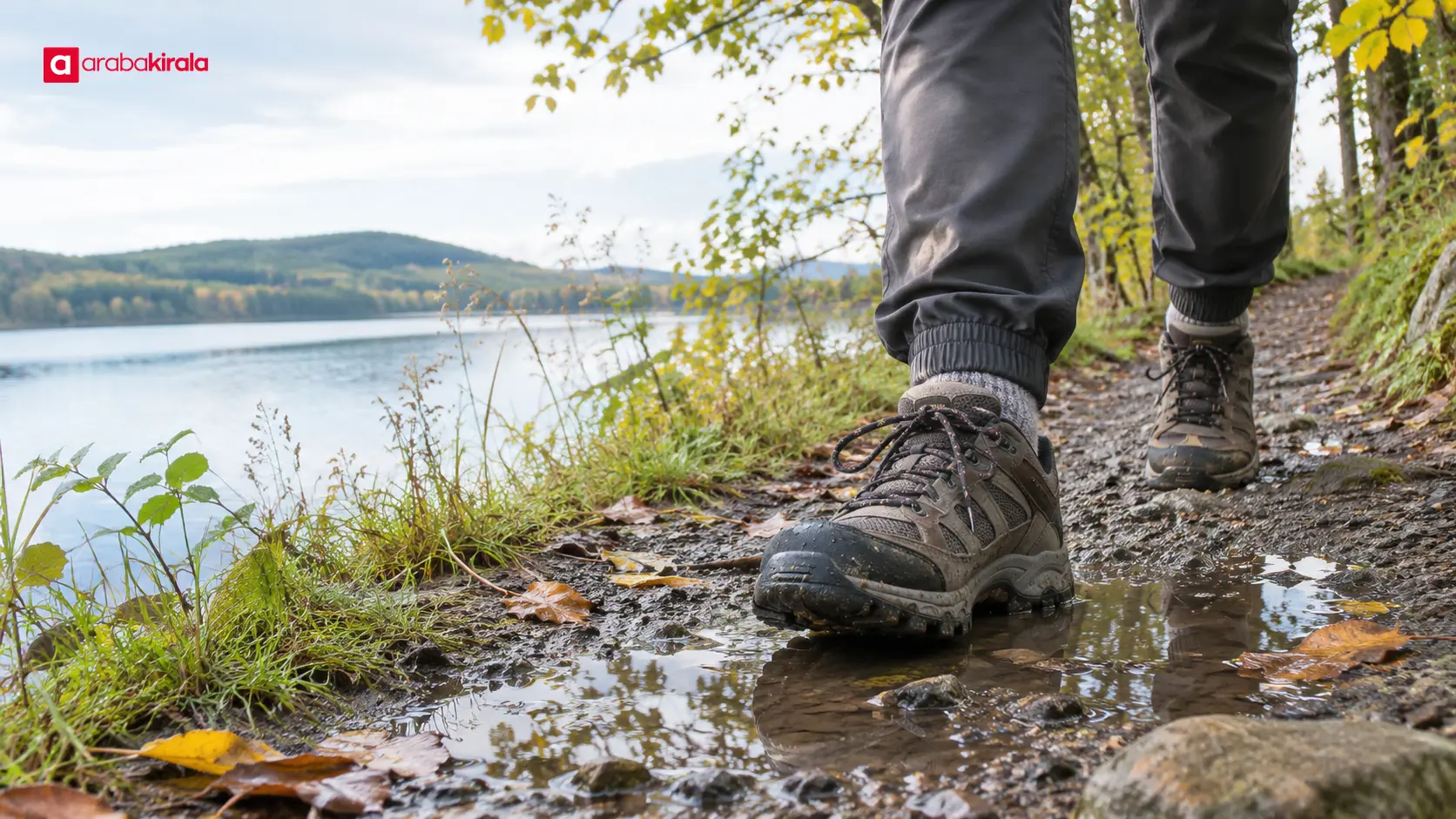
A lakeside route may combine paved sections, soil, gravel or boardwalks. After rain, soil can become slippery and low points near the shore may hold water. Map imagery does not always reveal these details. Check local park or visitor information for current trail conditions when available.
Choose footwear for the surface and length of the walk. A secure fit and a sole with good grip help with uneven ground. If a section is damaged, do not leave the marked path to skirt it through fragile vegetation or along a steep bank; use a safe, clearly marked route instead.
Fit the route to your group
Choose a start and return point, estimate walking time, identify places for breaks and keep a shorter alternative in mind. If children, older adults or people with limited mobility are coming, consider slopes, surfaces and rest opportunities. Distance alone is a poor measure: uneven ground and wind can make a walk more tiring.
Planning visitor stops and timing
Lake areas may have viewpoints, trailheads, picnic spots or places suited to watching birds. Access, opening times and permitted uses can differ by location. Before making a specific stop the center of your day, check current information from the relevant local authority or site operator. That reduces the chance of building the whole outing around a section that is closed or inaccessible.
Identify a few suitable nearby alternatives instead of relying on one viewpoint. Give them a priority order rather than trying to fit every stop into one visit. When daylight is shorter, leave enough time for the return and include photo or rest breaks in your estimate.
Getting there by car
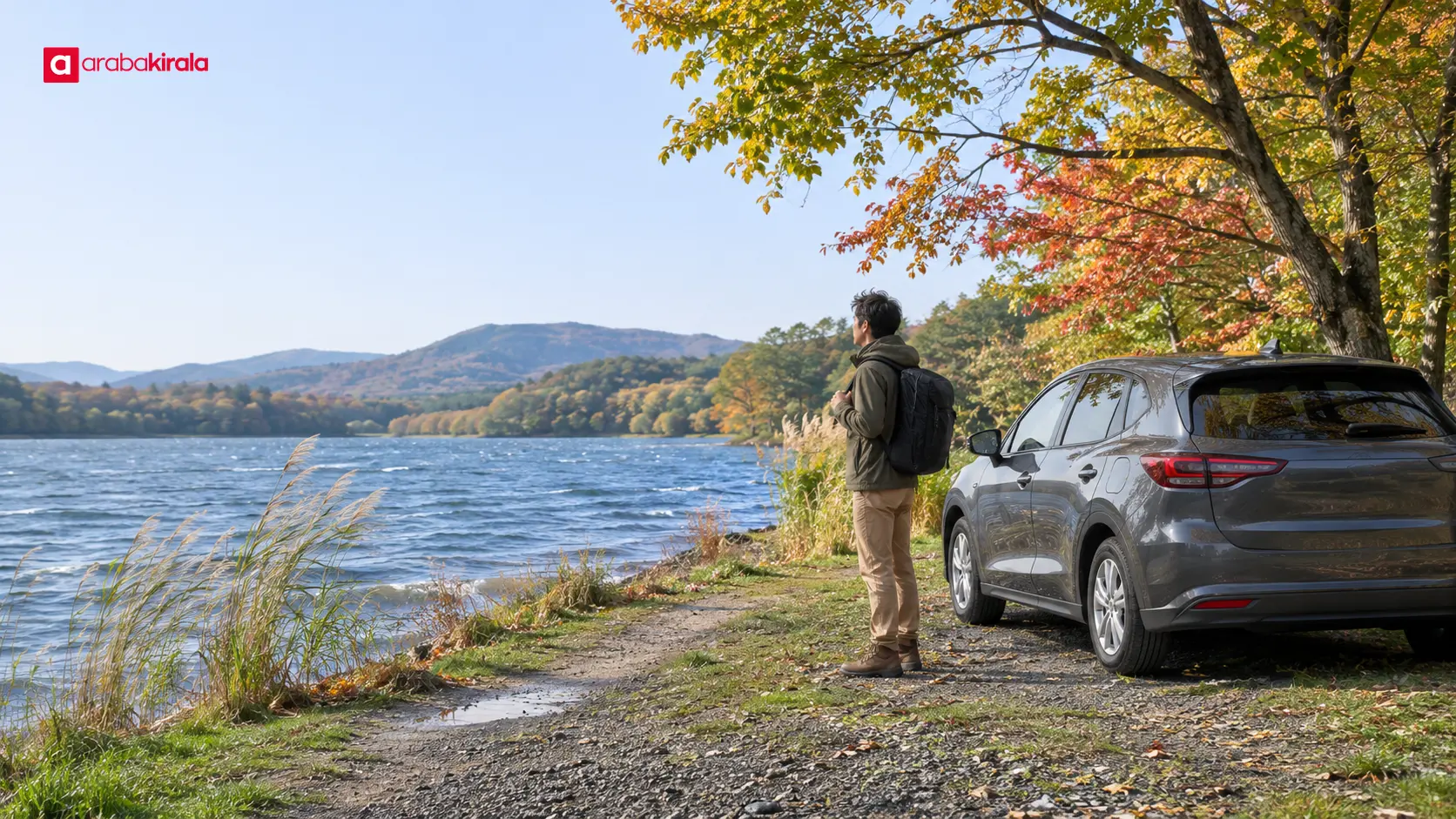
A car can make it easier to move between visitor sites that are spread around a lake. Check the road leading to each stop, not only the destination pin, and find out where parking is permitted. Navigation apps may not reflect a local closure or seasonal restriction, so use current information from a relevant local source as well.
If you plan to rent a car, decide on your route and pickup location before booking. Ask the branch you will use about vehicle suitability for your plans, luggage needs and local road conditions. Confirm details that depend on that specific branch, including pickup and any optional services. General trip advice does not guarantee the terms of a particular vehicle or rental service.
Before driving, check the vehicle’s fuel or charge level, basic safety equipment and the stops along your route. Set navigation before moving to reduce distraction. At a trailhead, park only where permitted and do not block access or sightlines.
Seasonal preparation checklist
- Cool, windy days: Bring layers, a wind-resistant outer layer and a dry top for after the walk.
- Wet periods: Choose water-resistant footwear, allow for slippery surfaces and plan a shorter alternative.
- Warm periods: Consider sun protection, drinking water, shaded breaks and walking at a cooler time of day.
- Any season: Keep your phone charged, consider an offline map, carry water and let someone know your return plan.
Treat the list as a starting point to adapt, not a fixed recipe. Local notices and site rules may affect which route is suitable. Stay on marked paths to avoid disturbing natural areas, and take your rubbish with you.
Lake shore trip plan: summary and next step
A useful lake shore trip plan brings together the forecast, wind exposure, trail surface and access to visitor sites. First decide how long you will be out and what your group needs. Then choose a main route, a backup and a return time. If weather or footing changes, shortening the outing may be the better choice.
Before setting out, check current weather and local site information. If you need a car, confirm the route and rental details specific to the branch you will use. A little preparation helps you enjoy the scenery while keeping the day comfortable and safe.
Frequently Asked Questions
Which season is best for a lake shore trip?
There is no single best season for everyone. Consider wind, rain, daylight, trail conditions and what your group wants from the visit. Selecting the route and duration for current conditions is more useful than choosing by season alone.
Can I walk along the shore on a windy day?
That depends on the conditions and local advisories. Avoid exposed shoreline sections during strong-wind or severe-weather warnings. A sheltered inland route or rescheduling the visit is a safer option when conditions are poor.
What should I watch for on a trail after rain?
Walk slowly on soil, boardwalks and stone that may be slippery, and wear footwear with good grip. Do not leave the trail to get around puddles by stepping through vegetation or onto a sloped bank.
What should I check when planning a lake visit by car?
Review the final road section, parking arrangements, road condition and current access to visitor sites. If you are renting, confirm vehicle and pickup details with the branch you will use.
What should I pack for a lakeside outing?
Weather-appropriate layers, comfortable grippy shoes, water, a charged phone and personal essentials are a good start. Adjust your bag for rain, sun exposure and how long you expect to walk.
 Add ArabaKirala as a preferred source on Google