Formula 1 Start Procedure: Formation Lap and Lights
Published: November 28, 2026 • Reading Time: 6 min • Last Updated: November 28, 2026 • Author: Merve B.
Contents
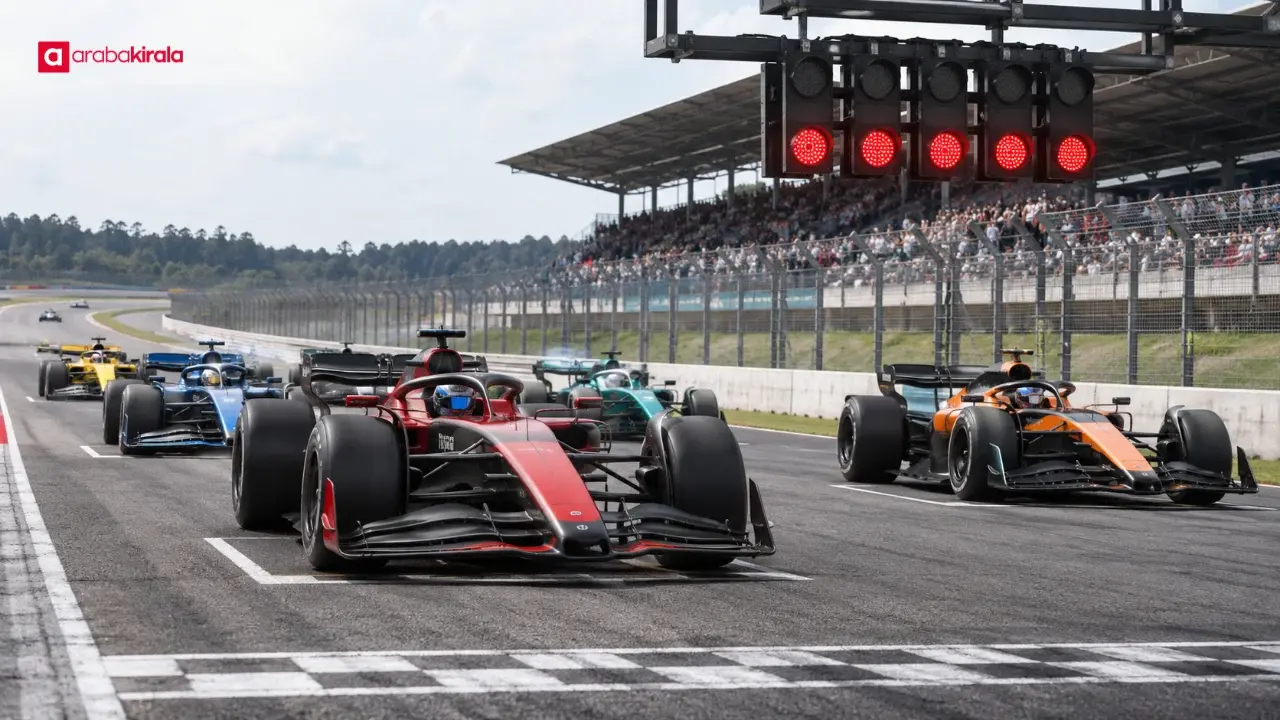
The Formula 1 start procedure is the sequence that takes cars from their grid positions to the moment the start lights go out. This guide explains how the grid is prepared, what the formation lap is for, how to read the red lights and what to watch in the first moments after the start.
Why does a race start happen in stages?
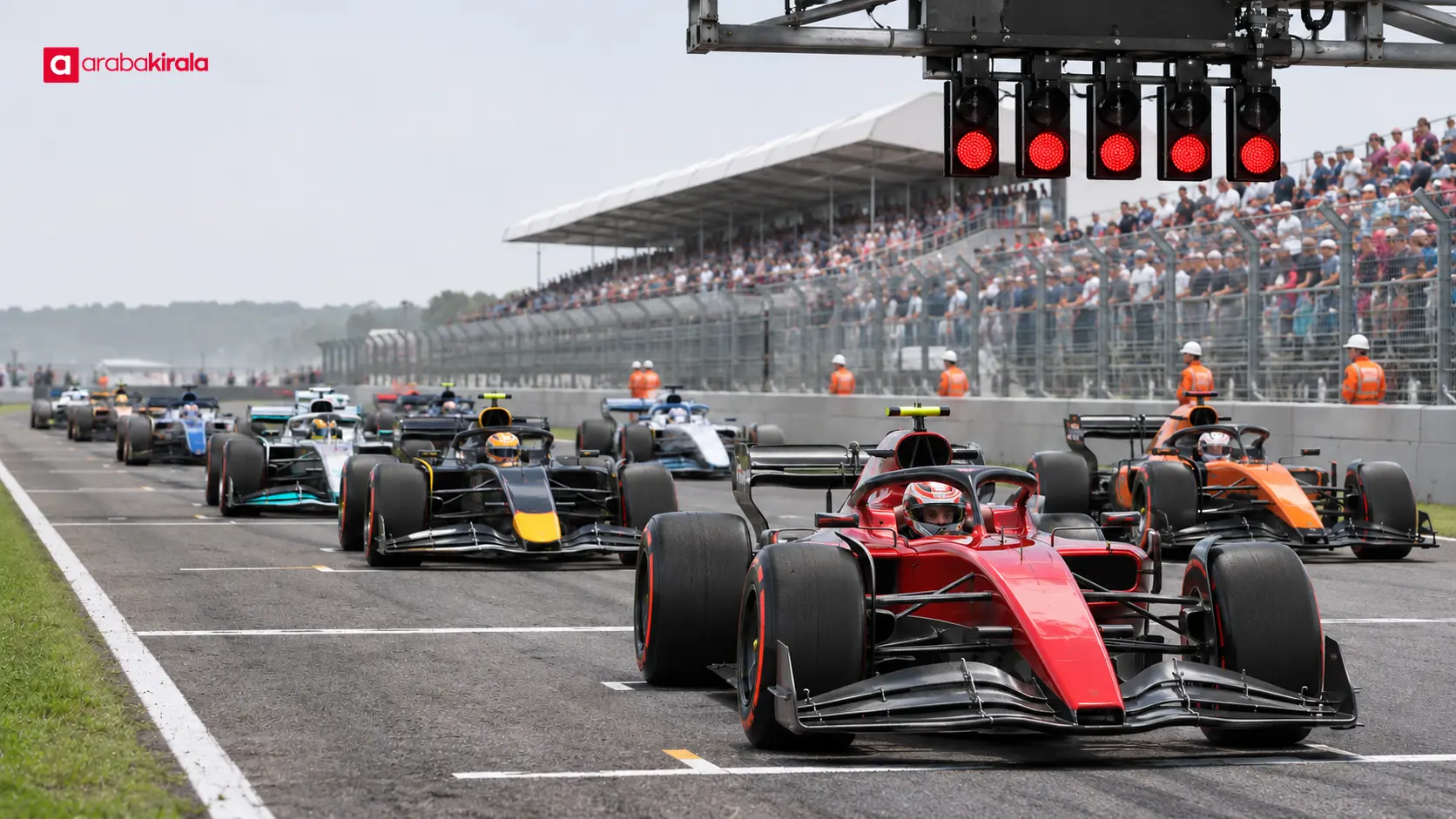
A race start is more than a group of cars accelerating at once. Drivers must reach their assigned places, officials must confirm that the grid and track are ready, and the light sequence then signals that the start is approaching. The steps create a shared starting signal in a narrow, busy area where many cars move at the same time.
The sporting regulations for the relevant season govern the event’s procedure. Weather, an incident on track or a technical problem can alter the usual flow. For a live event, messages from race control and visible officials’ signals give the most current information.
The grid and pit lane exit
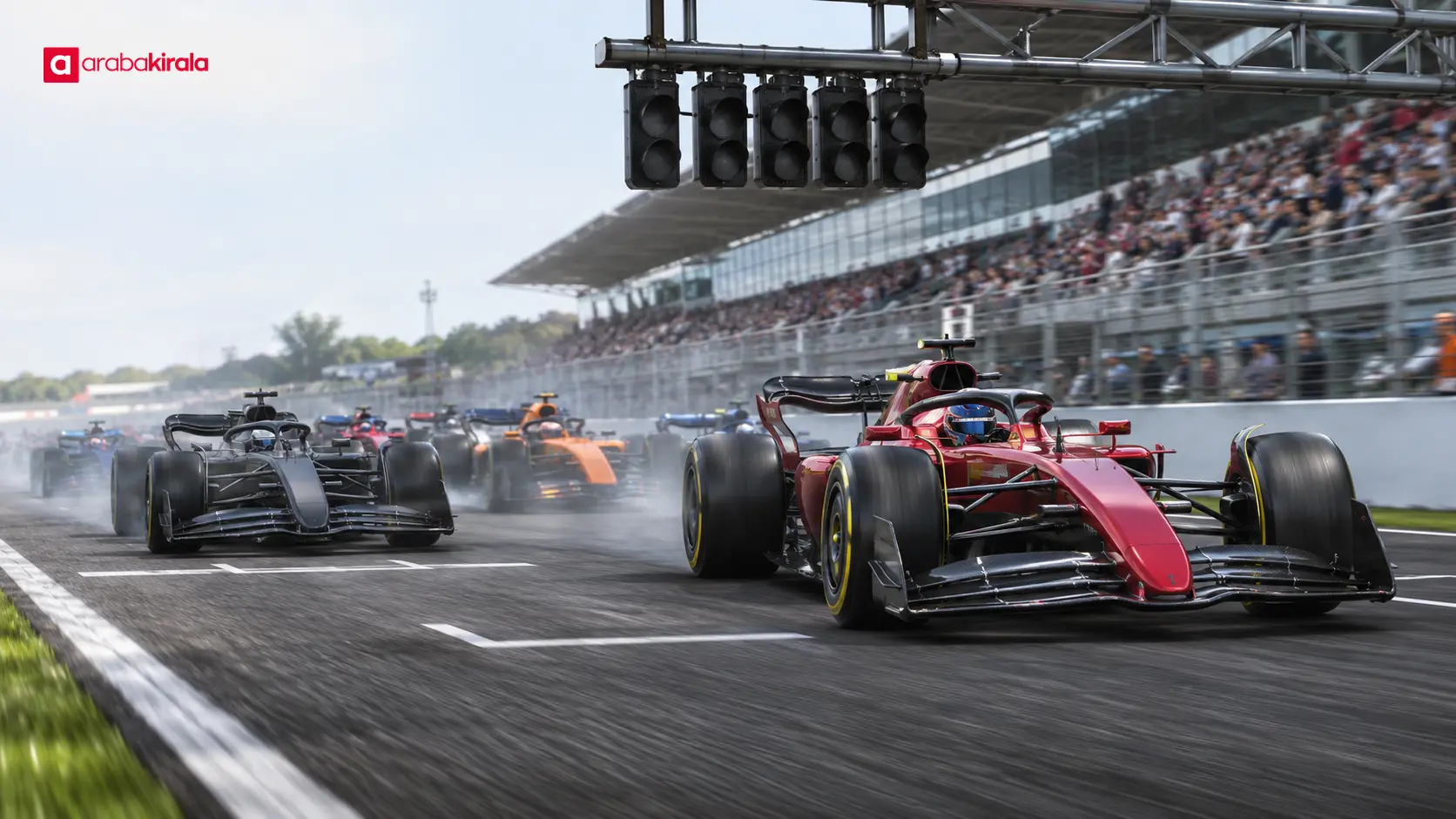
The grid is the marked area where cars line up to start the race. The result of qualifying determines each driver’s starting position. Teams bring their cars to their assigned boxes, where it matters that each car is positioned within the markings and facing the correct direction. Even small differences in placement can affect the room available during the initial launch.
The pit lane exit is where cars join the circuit from the area containing the garages. Drivers leave through this point and reach the grid in an organised sequence. When the exit opens and how cars proceed depend on race control’s signals. Watching pit lane activity separately from grid preparation makes the sequence easier to follow.
What happens during the formation lap?
The formation lap is the lap drivers complete before the start to reach their grid positions. It is sometimes called a warm-up lap, but it is not a racing lap and drivers are not contesting positions. Its main purpose is to bring the cars to the starting area in a controlled manner and complete the pre-race arrangement.
Drivers follow the car ahead and the officials’ signals. You may see controlled movements intended to help bring tyres and brakes into suitable operating conditions, but the precise approach and conditions can differ. From a viewing perspective, the key point is that the group keeps its order and returns to its grid boxes.
A car may encounter a problem during the formation lap and stop in an unexpected place near the grid or pit lane. Officials may then assess the flow and safety, delay the start or move to another procedure allowed by the rules. Broadcast messages such as “start delayed” explain changes before the lights sequence begins.
How to read the start lights
Once the cars are in position, drivers and officials complete final preparations. The start lights provide the visual signal for the race start. In the familiar sequence, red lights illuminate in turn; after all are lit, they go out and the race begins. Drivers react to the moment the lights go out.
The five red lights going out are the best-known signal for viewers. Although the lights create a countdown-like sense of anticipation, drivers do not launch according to a fixed number of seconds between the lights appearing and the start. The wait can vary, so watching the light sequence is more useful than trying to predict the exact moment.
If a problem affects the lights or another technical element, race control may use alternative signals or stop the process. This is not a step that happens the same way at every event. Announcements, officials’ signals and the official broadcast graphics show what applies at that moment.
The first seconds after the start
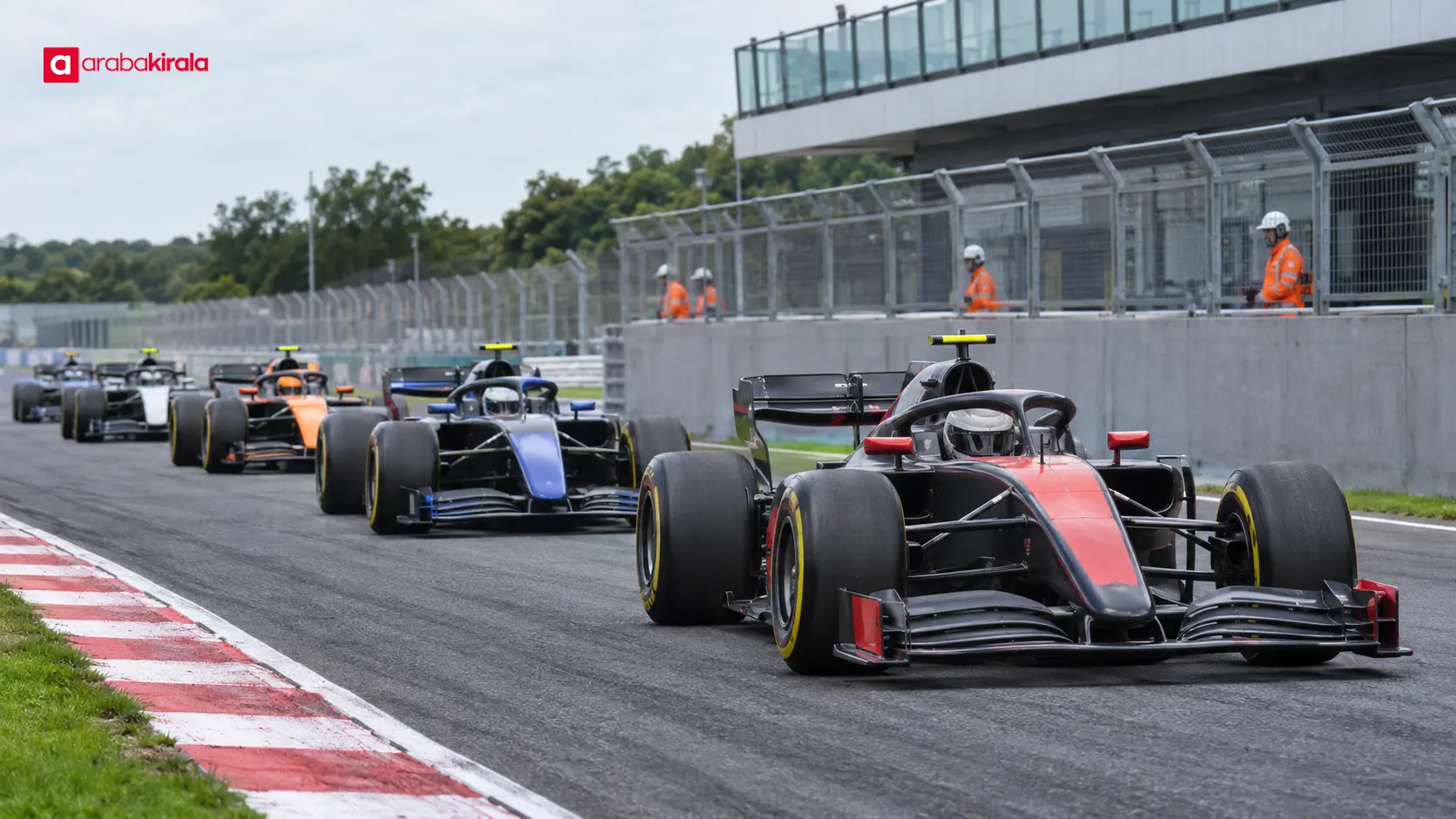
When the lights go out, cars accelerate and drivers try to hold or improve their positions on the way to the first corner. Cars can be close together, limiting visibility; drivers may also take different lines and braking points as they approach the turn. The start therefore includes both the initial reaction and the first manoeuvres made while keeping track of nearby cars.
As you watch, note the order in which cars reach the first corner, the congestion on the inside and outside lines, and the space between cars. A brief gain or loss of position does not by itself determine the rest of the race. Strategy and changing conditions over subsequent laps can affect the result.
Practical points for watching the start
- Watch the grid positions: Notice how the qualifying order is reflected in the starting places.
- Identify the formation lap: The lap before the cars take their places is not the first race lap.
- Wait for the lights to go out: This is the visual signal that the race has started.
- Focus on the first corner: Follow the cars’ lines and the distances between them.
- Follow official updates: If the start is delayed or the procedure changes, use race control and broadcast announcements for the current information.
Summary: Follow the sequence
The Formula 1 start procedure moves through grid preparation, the formation lap, cars taking their places and the start lights going out. The formation lap brings the cars to the starting area; the red-light sequence prepares drivers and viewers for the start. If the flow changes, official signals and announcements provide the applicable information.
For the next race, focus first on the grid order, then the completion of the formation lap, and finally the lights going out. Recognising these three stages makes the start easier to understand and puts the action into the first corner in context.
Frequently Asked Questions
Is the formation lap the first lap of the race?
No. The formation lap takes place before the race so cars can reach their grid positions. Racing laps begin after the start lights go out.
What signal starts a Formula 1 race?
In the standard light sequence, the start signal is the red lights going out. If a technical issue or procedural change occurs, follow the signals and announcements from race control.
Why do cars move in a controlled way on the formation lap?
Drivers follow the car ahead and monitor track conditions as they return to the starting area. The lap is not a section of racing in which they compete for position.
Why don’t drivers launch while the start lights are coming on?
The illuminated lights show that the starting sequence is under way. The race start is signalled when the lights go out, so drivers wait for that cue.
What happens if there is a problem on the formation lap?
Race control assesses the situation and may delay the start or use another procedure permitted by the rules. The response depends on the incident and official instructions.
Related Articles
- Formula 1 Lap Data: Fastest, Session and Race Laps
- How to Read Formula 1 Sector Colors and Time Gaps
- What Do the F1 Race Director and Team Race Engineer Do?