Formula 1 Lap Data: Fastest, Session and Race Laps
Published: November 4, 2026 • Reading Time: 6 min • Last Updated: November 4, 2026 • Author: Merve B.
Learn how fastest laps, session laps and race laps differ, and how to read lap times, sectors and completed-lap counts in context.
Contents
- What does a lap measurement show?
- Fastest lap and session lap
- Fastest lap
- Session lap
- Race laps and lap counts
- How sector times break down a lap
- Conditions that affect lap times
- How to read a timing screen
- A short checklist for comparing lap data
- Summary and next step
- Frequently Asked Questions
- Related Articles
- Sources
Formula 1 lap data describes several different measurements: the time for one circuit lap, the laps completed in a session, and the number of laps completed during a race. A fastest lap, a session lap and a race lap are not interchangeable terms. This guide explains what each one measures, how timing screens present them, and why conditions matter when you compare a driver’s times.
What does a lap measurement show?
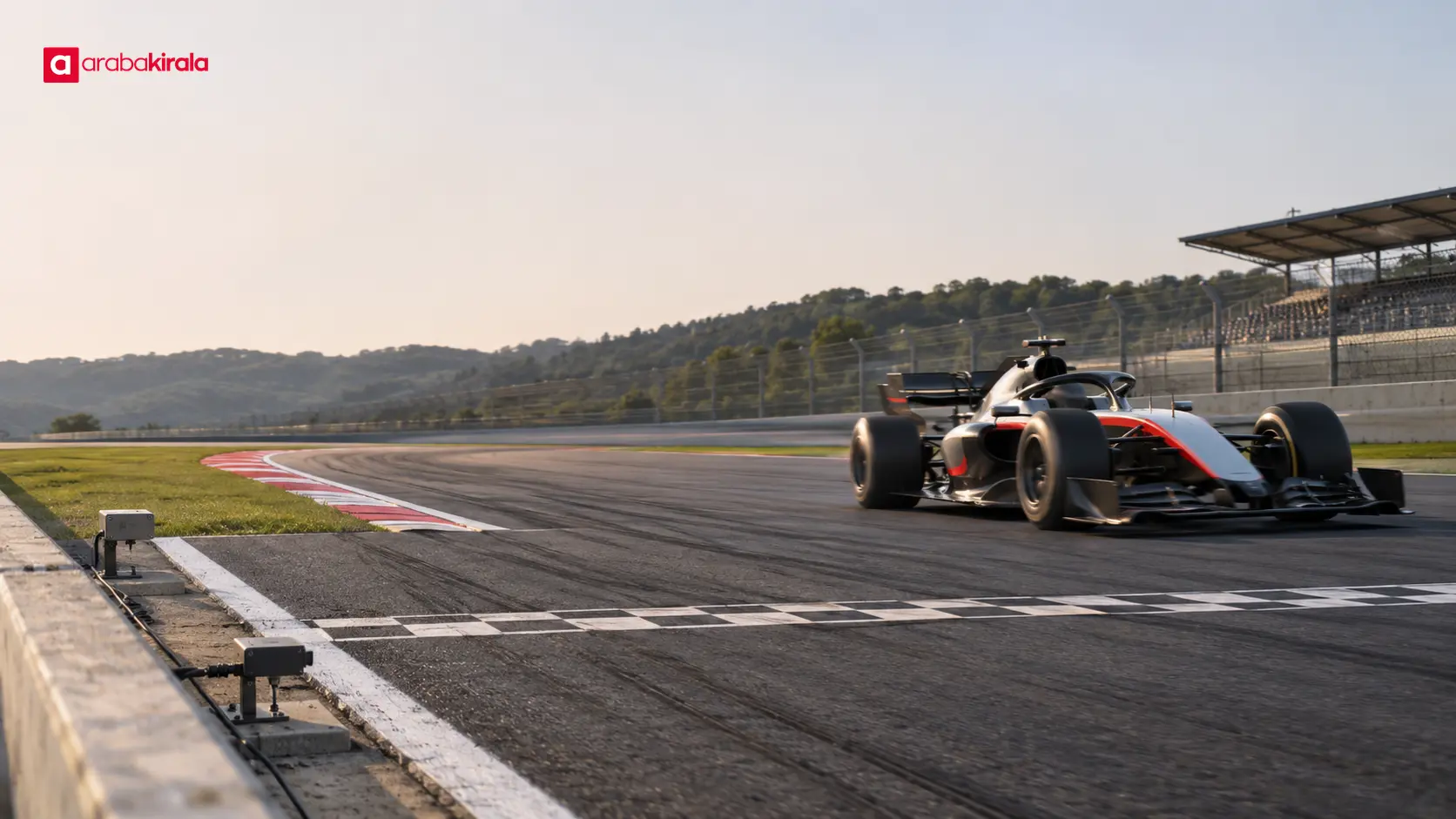
A lap is one complete circuit between successive crossings of the designated timing line. The timing system records those crossings and calculates the elapsed time. A time such as 1:24.500 means the circuit was completed in one minute, 24.500 seconds.
The number alone does not explain how quickly a car or driver performed in a broader sense. Circuit layout, track and air conditions, tyre state, traffic, fuel load and the purpose of a run can all affect a lap. Read Formula 1 lap data alongside the context in which it was recorded.
Fastest lap and session lap
Fastest lap
The fastest lap is the shortest valid lap time recorded within a defined period. That period might be a practice session, a qualifying segment or a Grand Prix. The phrase needs that context: the fastest lap of a session and the fastest lap of a race refer to different sets of timed laps.
A session’s fastest lap compares the best recorded laps within that session. A race’s fastest lap refers to the shortest valid lap recorded during the race. It does not mean that its driver was quickest throughout the entire event; it describes one lap under the conditions at that moment.
Session lap
A session lap is a circuit completed during a defined part of an event, such as practice or qualifying. Those sessions have different purposes. Practice can include setup work, tyre evaluation or longer runs. In qualifying, drivers aim to set a time that determines their starting position.
A session results table commonly shows each driver’s best lap and the gap to the leading time. That single result does not describe every attempt or the conditions during the lap. Whether the timing system recognizes a lap as valid also matters when reading the classification.
Race laps and lap counts
A race lap is a completed circuit during a Grand Prix. Lap times can vary because of pit stops, traffic and the changing conditions of a race. Unlike a qualifying lap, a race lap forms part of an extended drive involving strategy, tyre management and on-track competition.
Lap count helps show how many circuits a driver has completed and how far behind the leader a car is. It indicates progress through the race distance, not speed by itself. Interpret a lap deficit alongside the race’s classification and events rather than treating it as a time comparison.
How sector times break down a lap
For timing purposes, a circuit is divided into sectors. A sector time measures the interval between timing points within that portion of the track. Sector data helps identify where time was gained or lost within a complete lap.
A driver may be quick in the first sector and slower in another. That does not guarantee the quickest overall lap, because the full lap time combines all sectors. Display colours and symbols can vary by broadcast, so use the relevant screen’s legend when interpreting them.
Conditions that affect lap times
- Tyres and track conditions: Tyre state, surface temperature and available grip can influence a lap time.
- Traffic: The gap to another car and the amount of clean air can affect a driver’s line and rhythm.
- Purpose of the run: A one-lap push and a longer practice run have different goals. Check the run context before comparing them.
- Pit exit and preparation: A car leaving the pit lane or preparing its tyres is not necessarily on the same kind of lap as a car pushing for a time. Pay attention to where the timed lap begins and ends.
- Circuit configuration: Different layouts or changing event conditions can make direct comparisons less meaningful.
How to read a timing screen
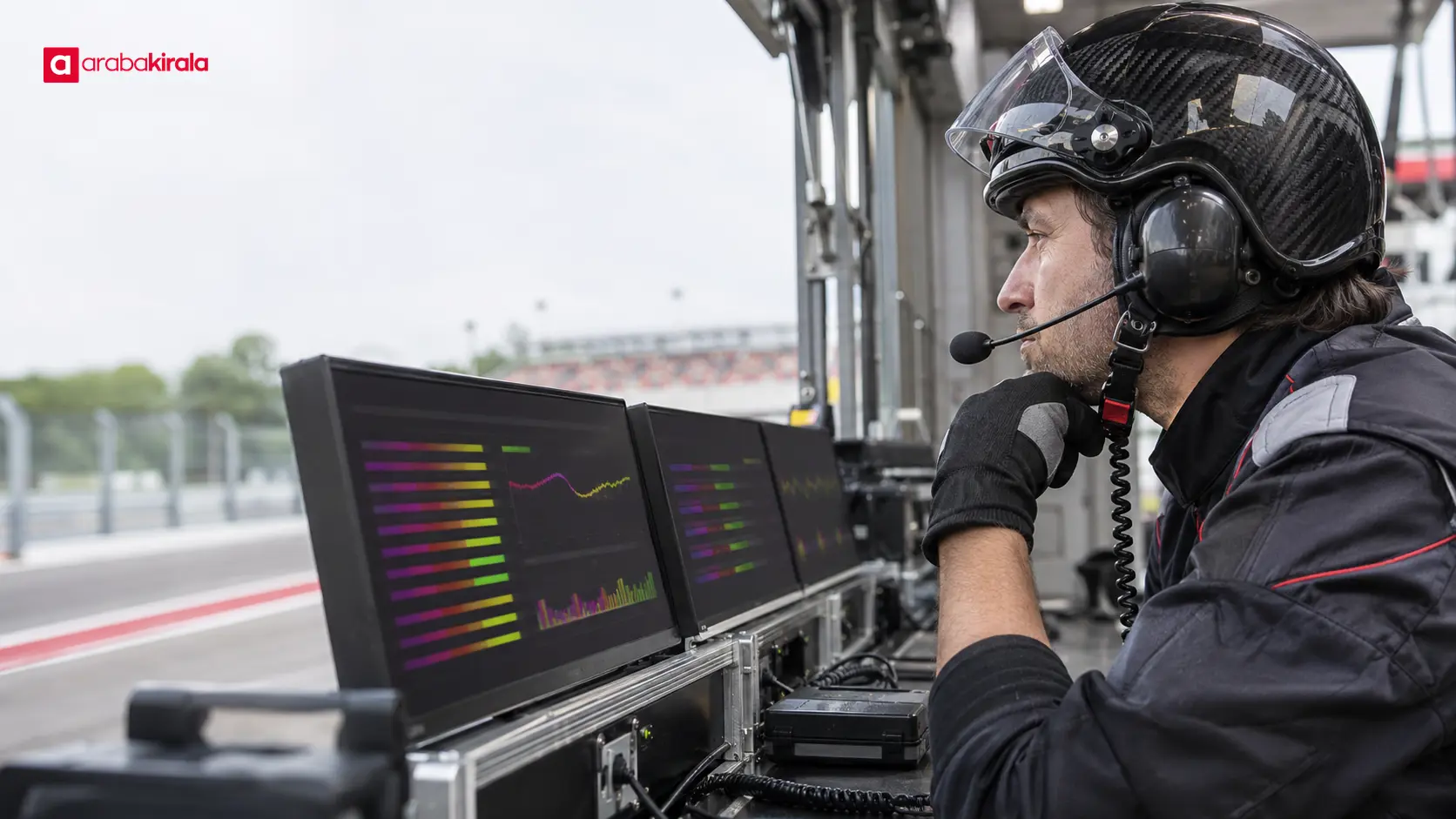
First identify the session or race shown and the time period covered. Then check whose lap is displayed and whether it is a current lap or a best result. Compare the lap time with the leader’s time, and use sector times to locate differences rather than treating one sector as the complete result.
Check whether the lap was completed and listed as a valid time. A car heading into the pit lane may not finish a normal timed lap. Live graphics and a later official classification may show different levels of detail; use the final classification when confirming a result.
A short checklist for comparing lap data
- Compare times from the same session or race.
- Check whether each lap was completed and recognized as valid.
- Account for tyres, traffic and the purpose of each run.
- Read sector times as parts of a lap, not as substitutes for the total time.
- Keep lap count separate from a speed comparison.
Summary and next step
A fastest lap is the shortest valid time within a specified period; a session lap is completed during practice or qualifying; and a race lap is completed during a Grand Prix. Sector times show how a lap is divided, while lap count tracks progress through the race. When you next view Formula 1 lap data, identify the session and measurement first, then consider the conditions. That sequence makes the timing table easier to understand.
Frequently Asked Questions
Is the fastest lap always set by the race winner?
No. The fastest lap is the shortest valid lap within the defined session or race. The driver who wins the race and the driver who sets its fastest lap can be different.
Why should a qualifying lap and a race lap not be compared directly?
In qualifying, a driver is generally pursuing a lap time. During a race, traffic, tyre management and race events affect the lap. The purpose and conditions of the two laps may differ.
What does a sector time tell me?
It shows the time taken across one section of the circuit. It helps locate where a lap’s performance changed, but it does not replace the full lap time.
Does lap count show how fast a driver is?
No. Lap count records completed circuits. To assess speed, consider lap times and the classification in the context of the race.
Why can one driver’s lap time change during the same session?
Track grip, tyre condition, traffic and the purpose of a run can change. Compare the circumstances as well as the times when assessing different laps.
Related Articles
- How Do Race Distance, Lap Count, and the Chequered Flag Relate in Formula 1?
- Formula 1 Tyre Colors: Hard, Medium, Soft and Wet Tyres
- What Does an F1 Race Engineer Do? Driver Communication and Data
Sources
Legal Disclaimer: All content, articles and information on the Araba Kirala website are provided solely to inform users. No information shared on this website constitutes definitive advice or guidance. Araba Kirala Teknoloji A.Ş. and its authors cannot be held responsible for any direct or indirect damages arising from the application of information on the website. For all questions and requests regarding car rental, please contact the office from which you will rent your vehicle.
 Add ArabaKirala as a preferred source on Google