Accessibility Planning for Car Rentals in Istanbul
Published: November 5, 2026 • Reading Time: 7 min • Last Updated: November 5, 2026 • Author: Merve B.
A practical guide to planning mobility, sensory, and communication needs before an Istanbul rental car trip, including vehicle access, seating, equipment, routes, and pickup checks.
Contents
- Map each traveler’s needs before choosing a vehicle
- Consider entry, seating, and mobility equipment together
- Check the driver’s access to the controls
- Plan the route, stops, and destination access
- Coordinate child seats and passenger safety
- What to confirm during booking and pickup
- A short checklist before setting off
- Frequently Asked Questions
- Related Articles
Car Rentals in Istanbul directly describes the main subject covered in this guide. Istanbul car rental accessibility planning starts with identifying who will drive, who will travel as a passenger, and what practical support the trip requires. This guide covers vehicle entry, seating, mobility equipment, driver controls, route planning, and questions to confirm before pickup. The aim is to assess a car by how it will work for the people using it, rather than by seat count alone.
Map each traveler’s needs before choosing a vehicle
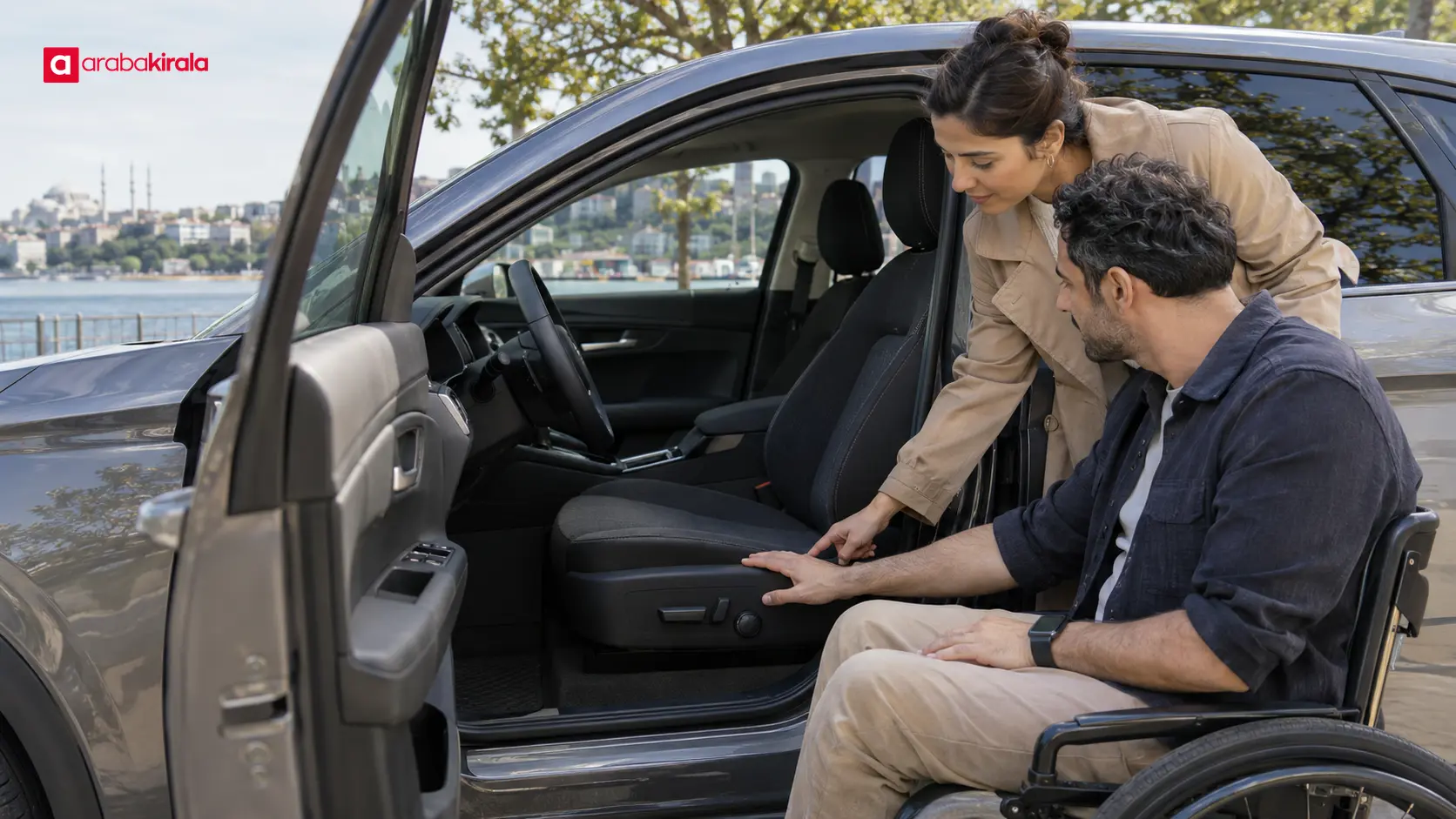
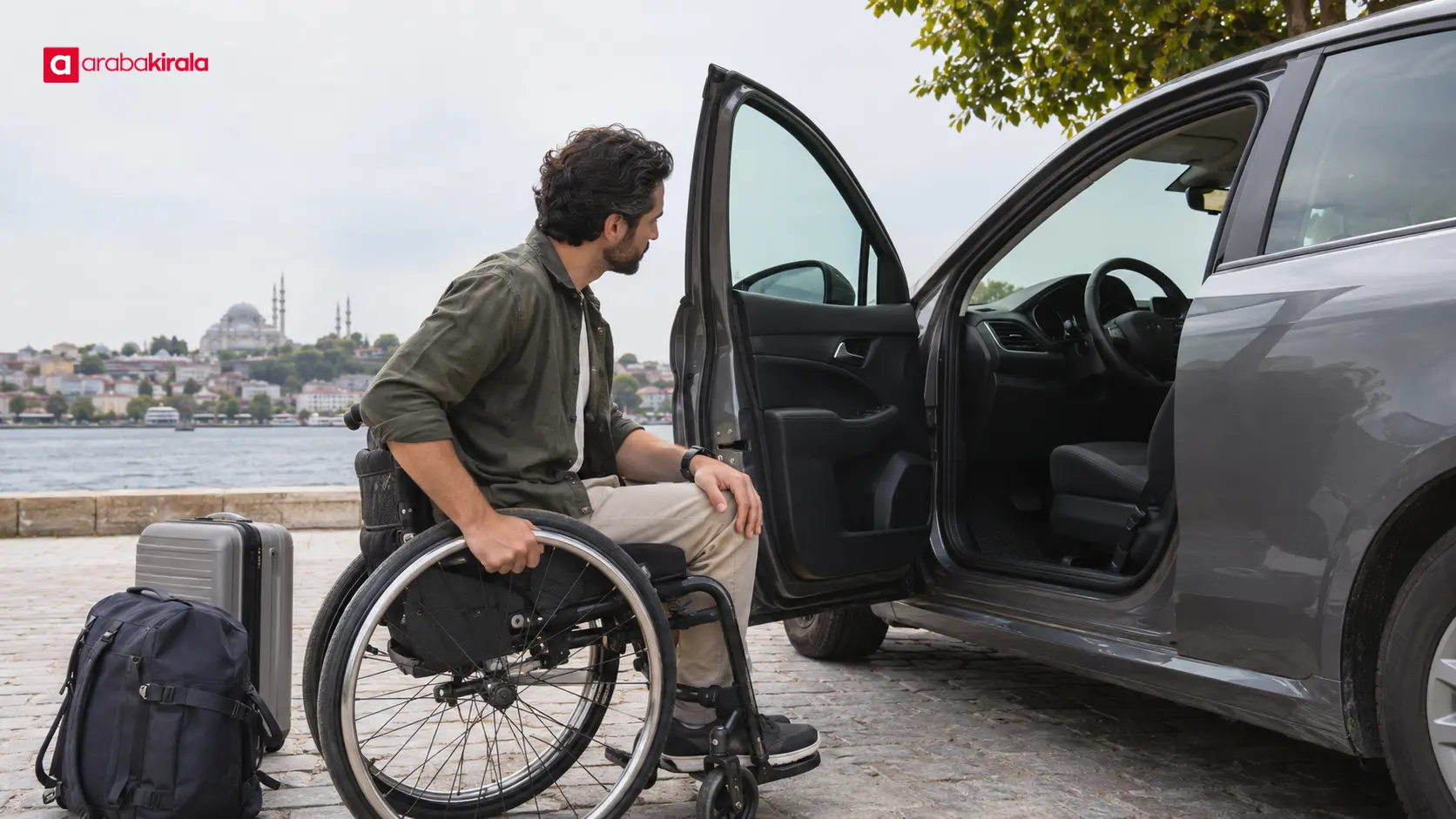
For Car Rentals in Istanbul, the practical points below should be considered together. Accessibility is not a single feature. A driver may need to reach the pedals, steering wheel, seat controls, and other controls comfortably. A passenger who uses a mobility aid may need room to transfer, a suitable seating position, and space for the equipment. Vision, hearing, balance, stamina, or communication needs can also affect how the journey should be prepared.
Discuss practical needs with everyone traveling. Who will drive? Does anyone need help getting into or out of the car? Which mobility aids or other equipment need to travel? How often might the group need a stop? The answers turn broad concerns into vehicle features that can be checked. Share only the practical details needed to arrange a safe and comfortable trip.
Consider entry, seating, and mobility equipment together
Access depends on factors such as how wide the door opens, the height of the sill, the space between the seat and doorway, and the room around the parked car. A passenger who needs support while transferring may need more clear space. The vehicle category alone cannot establish accessibility; the model, its configuration, and the traveler’s needs all matter.
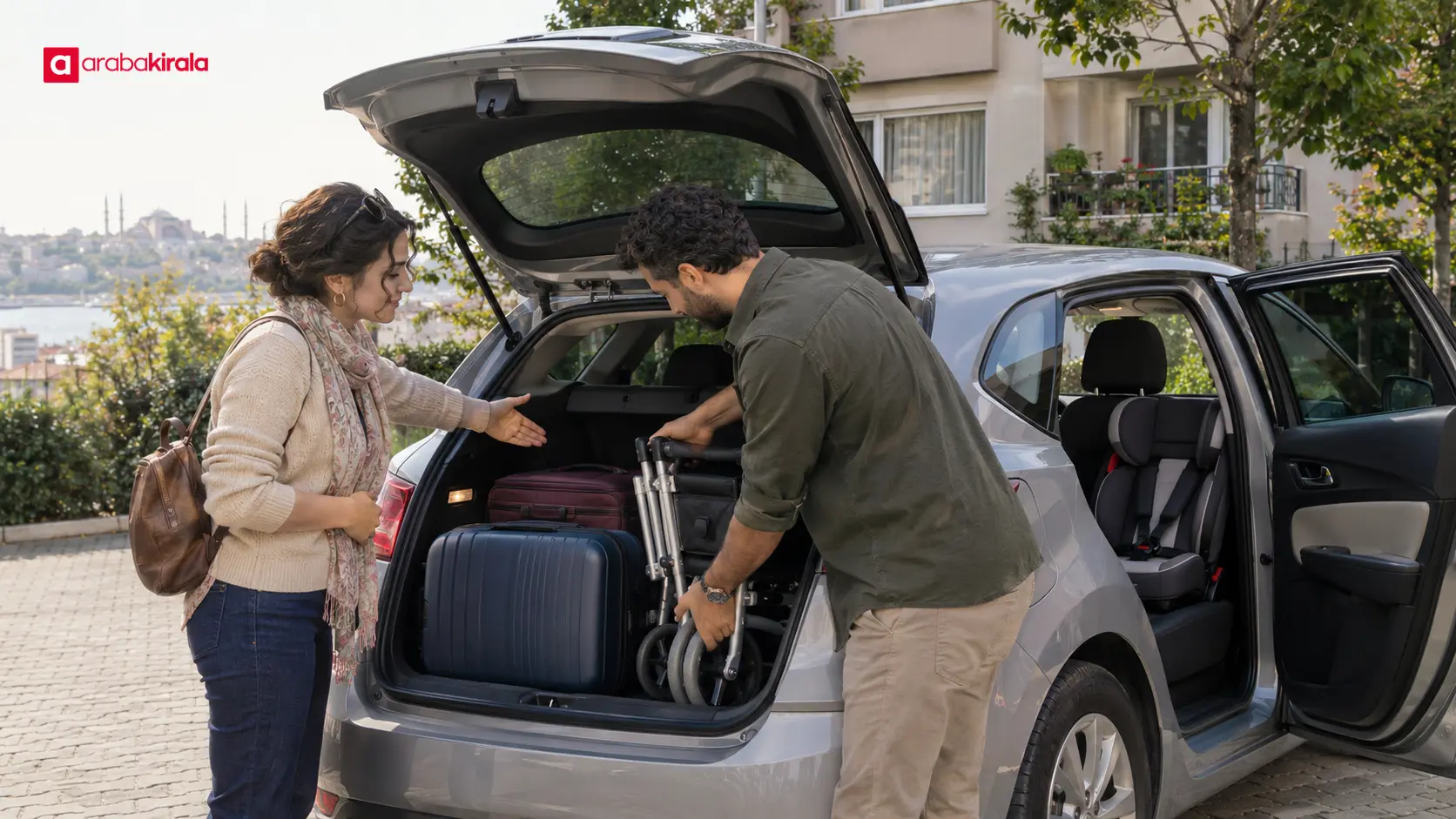
If a wheelchair, walker, or other mobility aid will be carried, note its dimensions when folded and, where relevant, when in use. Consider its weight and how it will be loaded. Trunk capacity in liters does not tell the whole story: the height and width of the opening, as well as the shape of the cargo area, affect whether equipment fits. Stowed items should not block sightlines, reduce passenger space unsafely, or move around while the car is in motion.
If a transfer aid, extra handle, or adapted control is needed, confirm in advance whether it is compatible with the vehicle and can be fitted or used there. A feature may not be available on every car or configuration. Ask the branch you will rent from about the specific model, seating arrangement, and any compatible equipment, and request confirmation of the relevant vehicle details where possible.
Check the driver’s access to the controls
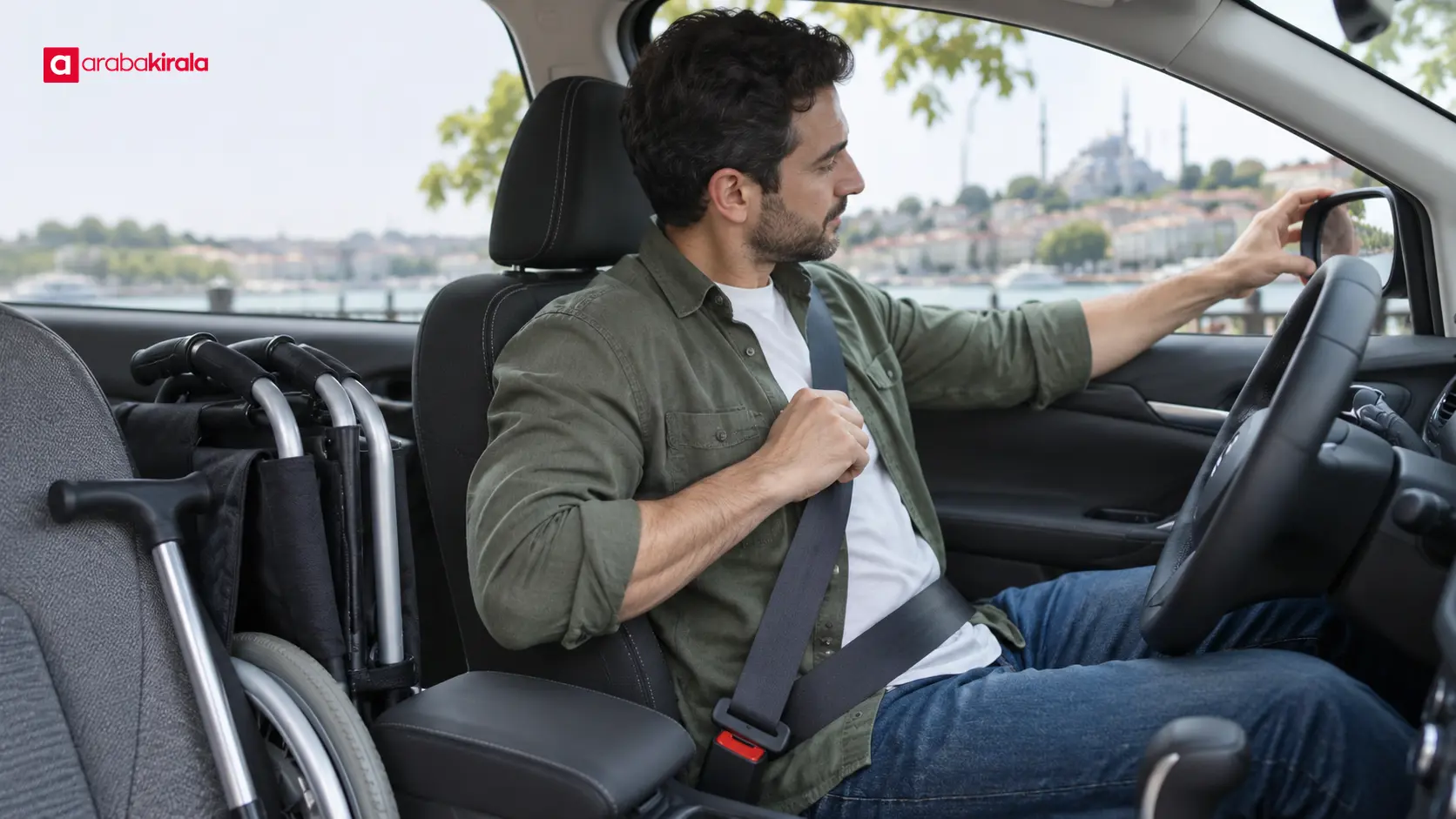
For the driver, useful checkpoints include seat height and forward-back adjustment, steering position, reach to the pedals, and whether the seat belt can be fastened and released comfortably. The mirrors need to provide a clear view from the driving position. Controls should also be within the driver’s practical reach.
If the driver requires an adaptation beyond the vehicle’s standard equipment, do not assume it will be available. Explain the need clearly to the rental branch and ask which vehicle and adaptations can be provided. If a control layout or device is unfamiliar, the driver should become comfortable with its safe operation before entering busy traffic.
Once seated, take a moment before moving: is the seat and steering wheel in a usable position, is the belt properly fastened, do the mirrors cover the needed view, and can the driver reach the necessary controls? These checks support attention to the road as well as comfort.
Plan the route, stops, and destination access
Accessibility in Istanbul depends on more than the car. At both ends of the trip, consider sidewalks, entrance ramps, elevators, the distance from parking to the building, and a safe place to drop off passengers. The shortest route shown by a navigation app may not be the most convenient route for everyone. Check destination access and decide where passengers can get out safely.
Build in travel time and rest needs when selecting stops. A suitable stop should allow the car to pull over safely and give travelers room to manage their needs. For a longer trip, include the ability to adjust seating or stop when needed in the plan.
Other practical preparations include whether directions will be available without a connection, whether the phone is charged, and whether spoken navigation works for the driver. Set the destination and necessary stops before driving. Do not adjust a phone while the vehicle is moving; arrange for a passenger to help if the driver needs support with directions.
Coordinate child seats and passenger safety
When traveling with a child, choose a seat for the child’s size and check the vehicle’s available anchorage points against the seat manufacturer’s instructions. The seat’s position can affect other passengers’ access and the placement of mobility equipment, so plan the whole seating arrangement together.
Each passenger should use a seat belt in a way that fits properly. Keep mobility equipment from interfering with a seat or belt, and do not stow loose objects where they may shift. If someone needs a particular seating or restraint arrangement, work out a safe plan before travel instead of improvising a way to secure them in the car.
What to confirm during booking and pickup
Sharing specific needs early helps the branch check relevant vehicle features. Instead of saying only “accessible car,” describe the needed door opening, equipment to be carried, driver control, or seating arrangement. The branch can clarify when the vehicle model will be known and whether the feature you need is present in that vehicle.
- Ask for the vehicle model and the access features or measurements that matter.
- Confirm that mobility equipment can fit and be carried securely.
- Check whether a required driving adaptation is available in the vehicle.
- Ask about child seats, additional equipment, and access at the pickup point.
- Confirm branch-specific details about reservation, pickup, and return times.
At pickup, inspect the car without rushing. Check the doors and trunk, seat adjustments, belts, and any necessary controls. Load the equipment and make sure it does not obstruct passenger access or the driver’s view. If an essential feature is missing, discuss the available options with the branch before setting off.
A short checklist before setting off
- Note the mobility, sensory, and communication needs of drivers and passengers.
- Specify needs for entry, seating, luggage, and any adaptations.
- Confirm vehicle features and reservation details with the rental branch.
- Plan the route, destination access, and any needed stops.
- At pickup, check the seat, belt, mirrors, controls, and equipment placement.
These steps make Istanbul car rental accessibility planning practical and specific to the travelers. As a next step, write down equipment dimensions and driver requirements, then confirm the vehicle details with the branch you plan to rent from before booking.
Frequently Asked Questions
What information should I prepare first for an accessible car rental in Istanbul?
Prepare the driver’s requirements, passengers’ entry and seating needs, the dimensions of equipment to be carried, and access conditions at the destination. Specific information helps the branch check the relevant vehicle features.
Will a wheelchair fit in a rental car trunk?
That depends on the wheelchair’s dimensions and folding design, the trunk opening, and the shape of the cargo area. Share the measurements with the rental branch and confirm vehicle details. At pickup, stow it securely without blocking the driver’s view.
Can a driver with limited mobility use a standard rental car?
That depends on the driver’s needs and the vehicle’s control layout. Consider access to the seat, pedals, steering wheel, belt, and controls. If an adaptation is needed, confirm with the branch in advance whether it is available in the vehicle.
How should I describe vehicle access needs when booking?
Describe observable requirements such as door opening, seat height, transfer space, equipment dimensions, or the type of control needed. This gives the branch something concrete to check against vehicle information.
How can I plan an accessible route in Istanbul?
Check the destination entrance, the distance from parking to the building, and a safe drop-off area. Allow for travel time and rest stops, set the route before driving, and avoid adjusting a phone while the car is moving.
Related Articles
- Planning Passenger Comfort When Renting a Car in Beylikdüzü
- Istanbul Car Rental: Tunnel and Height Restrictions
- Rental Car Pre-Drive Visibility and Access Check
Legal Disclaimer: All content, articles and information on the Araba Kirala website are provided solely to inform users. No information shared on this website constitutes definitive advice or guidance. Araba Kirala Teknoloji A.Ş. and its authors cannot be held responsible for any direct or indirect damages arising from the application of information on the website. For all questions and requests regarding car rental, please contact the office from which you will rent your vehicle.
 Add ArabaKirala as a preferred source on Google