Istanbul Car Rental: Tunnel and Height Restrictions
Published: November 4, 2026 • Reading Time: 6 min • Last Updated: November 4, 2026 • Author: Merve B.
A practical guide to checking tunnel and covered entrance clearances against your rental car, roof cargo and route before driving in Istanbul.
Contents
- Why clearance belongs in route planning
- Work out the vehicle’s actual height
- Separate the car’s height from its loaded height
- Check that roof cargo is secure
- Review the route using more than one source
- Pay attention to parking and other covered entrances
- What to clarify when collecting a rental car
- A practical pre-drive checklist
- Frequently Asked Questions
- Related Articles
Istanbul car rental tunnel height restrictions are an important route check when you are driving a vehicle whose dimensions or roof load may not be familiar. This guide explains how to assess a car’s total height, identify low clearances along a route, verify navigation information, and plan a safer alternative before setting off.
Why clearance belongs in route planning
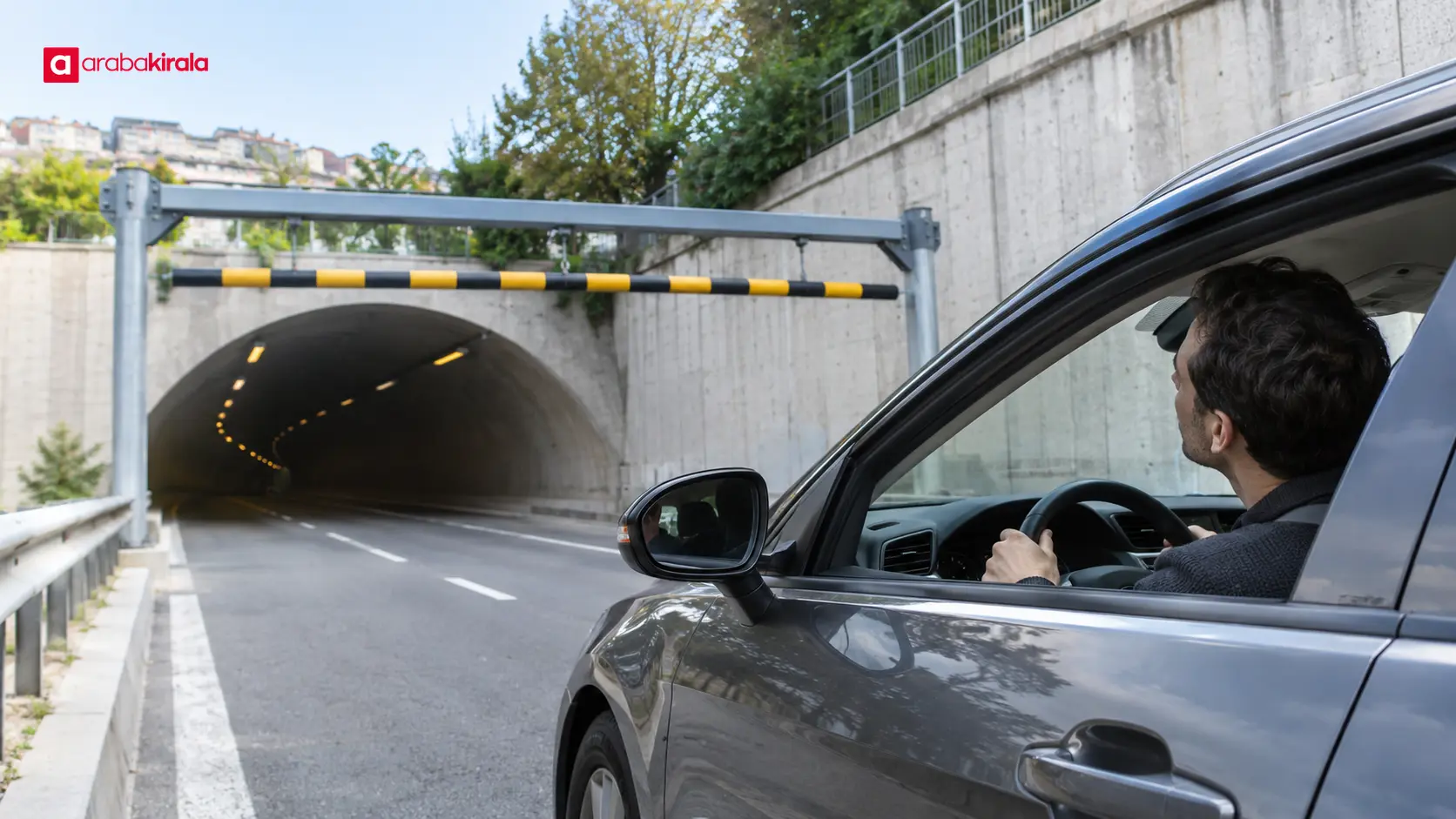
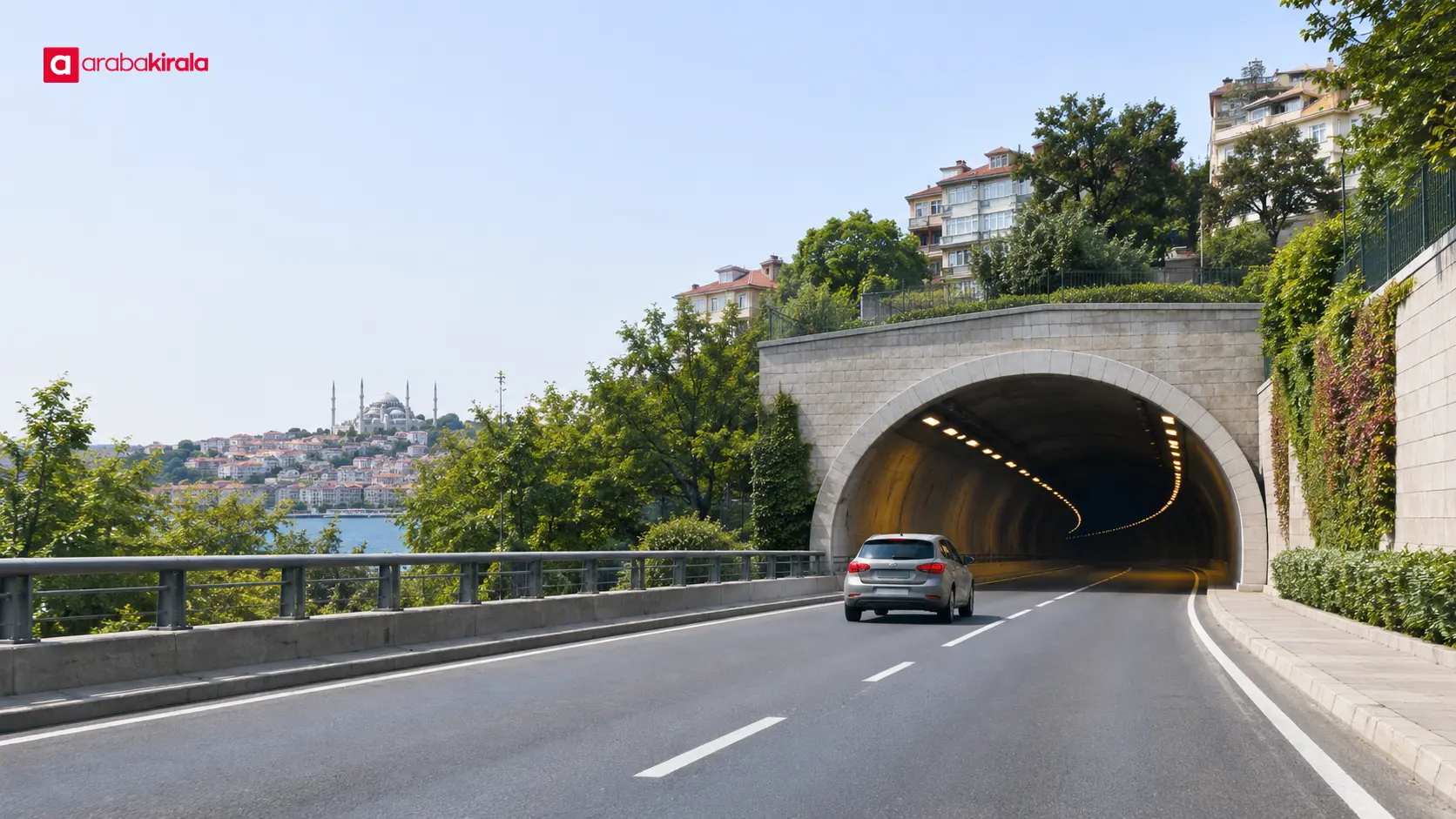
Tunnels, underpasses, covered parking facilities and other enclosed entrances may limit the maximum vehicle height they can accommodate. The relevant measurement is not always the car body alone. A roof box, bicycle carrier or other fitted equipment can raise the highest point, and cargo may extend beyond the equipment itself.
A route that looks shortest on a map may include a structure that is unsuitable for the vehicle. In a large city, it helps to assess the route by its physical constraints as well as distance and travel time. A detour that avoids an uncertain low entrance is a more practical choice than trying to pass through and discovering the clearance too late.
Work out the vehicle’s actual height
Separate the car’s height from its loaded height
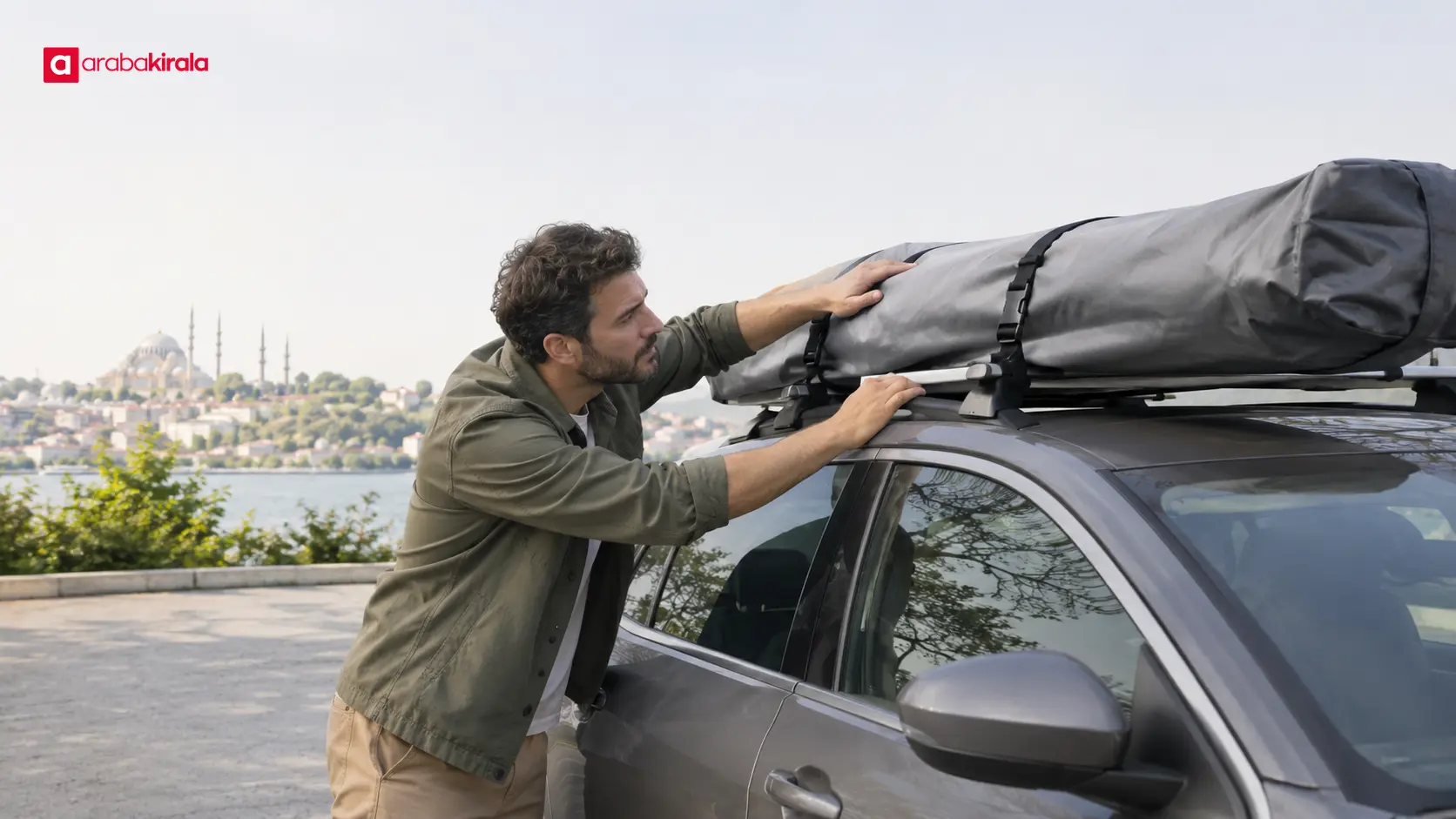
Vehicle specifications describe a particular configuration. Adding a roof box, rack, carrier or other accessory changes the overall height. An empty carrier still contributes to the vehicle’s height, so include every item that projects above the roof when assessing a restricted entrance.
When roof cargo is fitted, use reliable measurements for the complete loaded vehicle instead of estimating by adding rough figures. Manufacturer documentation may provide the vehicle dimensions and relevant usage limits; the equipment maker’s instructions can provide its own dimensions and installation details. If you cannot establish the total height, avoid routes with a restrictive clearance.
Check that roof cargo is secure
Follow the equipment manufacturer’s installation instructions and confirm that the load is properly secured before driving. The arrangement of the cargo can affect its highest point, and an unstable load can shift with vibration, wind or sudden manoeuvres. Do not rely on a height estimate if the equipment or cargo is not installed as intended.
When arranging a rental, a vehicle category or model option alone may not answer the exact height question. Ask the branch you will rent from for the relevant dimensions and whether the vehicle supplied has roof equipment. If you plan to add equipment, clarify its fit and measurements before loading it.
Review the route using more than one source
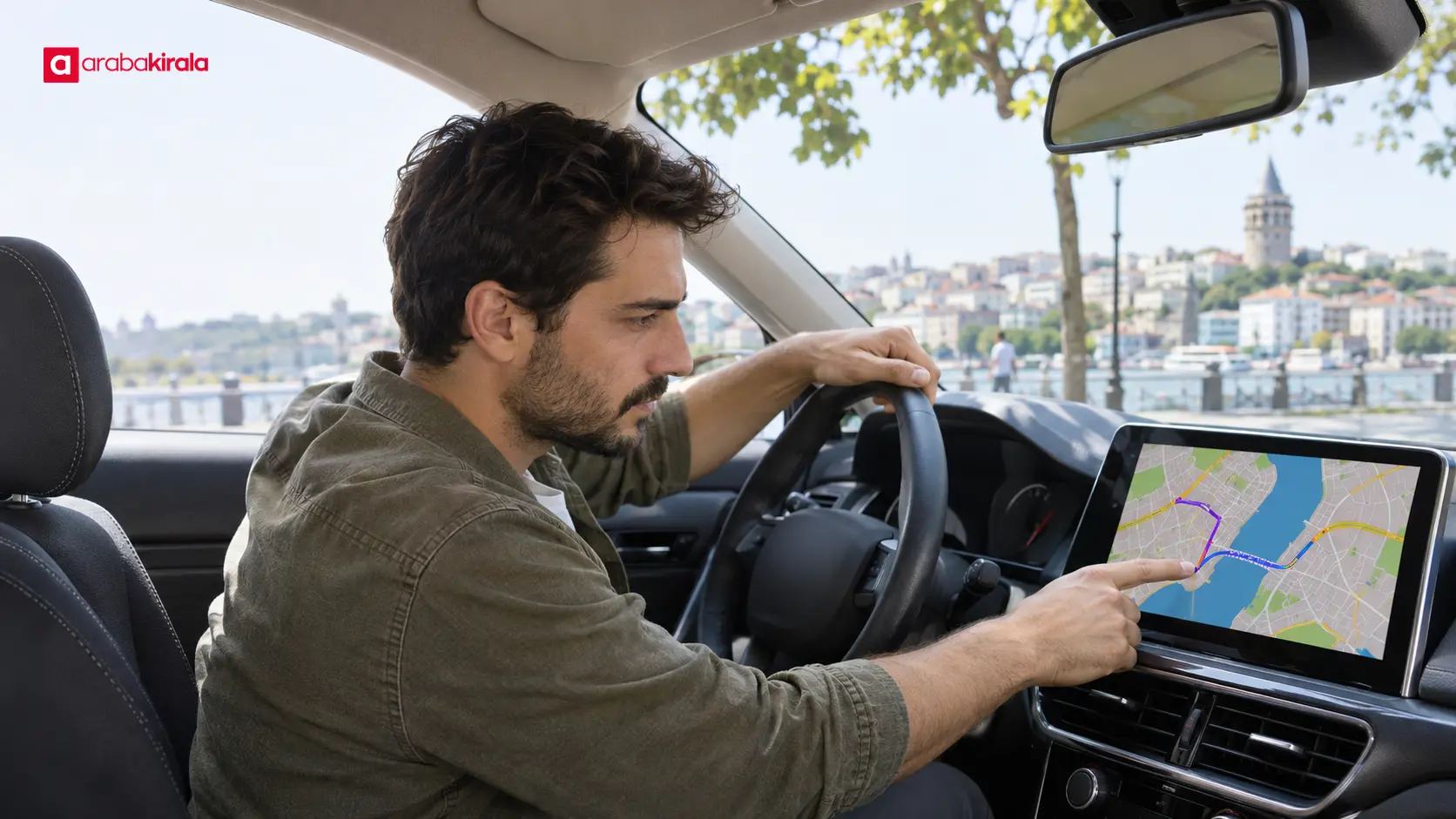
Navigation apps can offer route choices, but do not assume that every app displays every height restriction on every road. If route settings allow vehicle type or dimensions, enter the correct information; still treat the result as a planning aid rather than definitive permission to pass. Roadworks and temporary diversions can also change the route.
- Review the start, destination and expected travel time.
- Identify tunnels, underpasses, covered parking entrances and other low structures on the proposed route.
- Check current restrictions and closures in notices from the relevant public authority or road operator.
- Follow official clearance signs and directions on the road.
- If clearance is uncertain, choose a suitable alternative before reaching the restricted structure.
If published information and a sign at the entrance appear to differ, follow the current official warning at the location and do not edge the vehicle toward a limit to test it. If a sign is unclear or the route changes, stop somewhere safe and review the route. Set up navigation before driving, or adjust it only after safely stopping.
Pay attention to parking and other covered entrances
Height restrictions are not limited to tunnels. A hotel, residence, shopping destination or other facility may have a low covered parking entrance. The slope of a ramp, roof accessories and cargo can make clearance harder to judge. Check the stated entrance height for the actual parking facility instead of relying only on the destination name in a navigation app.
Do not estimate at the entrance in order to make a quick decision. If the vehicle and load exceed the stated limit, or their height is unknown, do not use that entrance. Where possible, confirm in advance whether an alternative entrance or open-air parking is available. Never move forward as a trial when there is a risk of roof contact.
What to clarify when collecting a rental car
Vehicle-specific details should be confirmed with the branch you will rent from, since they can depend on the reservation and the car supplied. Ask for the exact model or relevant vehicle dimensions and whether roof equipment is fitted. If your journey requires a particular tunnel or covered parking facility, describe the route and the total clearance you need to assess.
Review the vehicle’s safety and operating information before travelling. If the assigned car changes, do not reuse a height calculation made for the previous vehicle. Check the new car and any equipment again so that your route choice reflects the vehicle actually provided.
A practical pre-drive checklist
- Establish the total height of the car, including roof equipment and cargo.
- Look for tunnels, underpasses and covered parking entrances along the route.
- Verify clearance using current official notices and signs at the location.
- Do not enter a restricted route when the vehicle exceeds the limit or its height is unknown.
- Plan a suitable alternate route or open-air parking if needed.
- Repeat the check if the vehicle or roof equipment changes.
In short, Istanbul car rental tunnel height restrictions should be checked by establishing the total height of the vehicle and its load, then comparing it with current information for structures on the route. Your next step is to ask the rental branch for the supplied vehicle’s dimensions and review those measurements against tunnel or parking warnings before you leave.
Frequently Asked Questions
Which vehicle measurement matters at a tunnel?
Use the total height from the ground to the highest point of the vehicle as configured for the trip. A roof box, carrier and cargo can increase the height, so the car’s standard body measurement may not be enough.
Can a navigation app reliably show every tunnel height restriction?
Do not assume that every app shows every restriction accurately or in real time. Check relevant official road information and signs along the route, and avoid a passage if clearance remains uncertain.
Can I take a rental car with a roof box through a tunnel?
That depends on the complete vehicle and equipment height compared with the clearance for that passage. Confirm the total measurement and check the current warning at the entrance. If the height is unknown, choose another route.
Should I check clearance at a covered car park too?
Yes. A covered car park can have its own entrance limit. Find the stated clearance for the specific facility and compare it with the car’s height including any roof load.
How can I find the height of the rental car?
Ask the branch you will rent from for the dimensions of the exact model or vehicle being supplied. If the car or its equipment changes, verify the measurement again rather than carrying over the previous figure.
Related Articles
- Checking Temporary Road Closures on Navigation Maps When Renting a Car in Istanbul
- How to Check Official Transport Rules Before Renting a Car in Istanbul
- Crossing the Bosphorus by Car in Istanbul: Routes, Bridges and Tunnels
Legal Disclaimer: All content, articles and information on the Araba Kirala website are provided solely to inform users. No information shared on this website constitutes definitive advice or guidance. Araba Kirala Teknoloji A.Ş. and its authors cannot be held responsible for any direct or indirect damages arising from the application of information on the website. For all questions and requests regarding car rental, please contact the office from which you will rent your vehicle.
 Add ArabaKirala as a preferred source on Google