Matrix LED Headlights: How They Work
Published: November 20, 2026 • Reading Time: 7 min • Last Updated: November 20, 2026 • Author: Merve B.
Contents
- How Matrix LED headlights work
- How they differ from a conventional high beam
- How light distribution affects visibility
- Bends, road edges, and changing conditions
- Matrix LED, adaptive lighting, and automatic high beam
- System limits and safe use
- Getting familiar with the lighting in a rental car
- A short pre-drive check
- Summary and next step
- Frequently Asked Questions
- Related Articles
- Sources
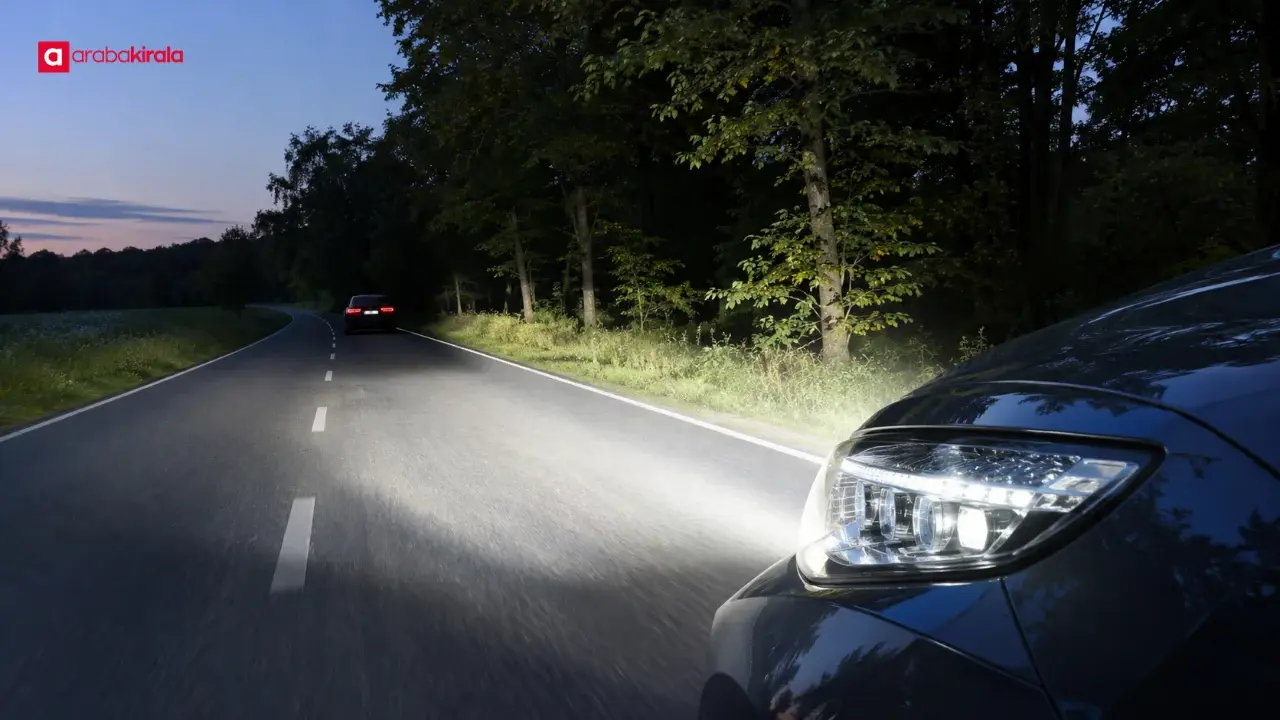
Matrix LED headlights manage separate parts of a beam instead of simply switching all the light between low and high settings. This guide explains the basic operating principle, how the technology differs from a conventional high beam, what it can contribute to visibility, and where its limits lie. Understanding the controls in a new or rental car helps you use its lighting more confidently after dark.
How Matrix LED headlights work
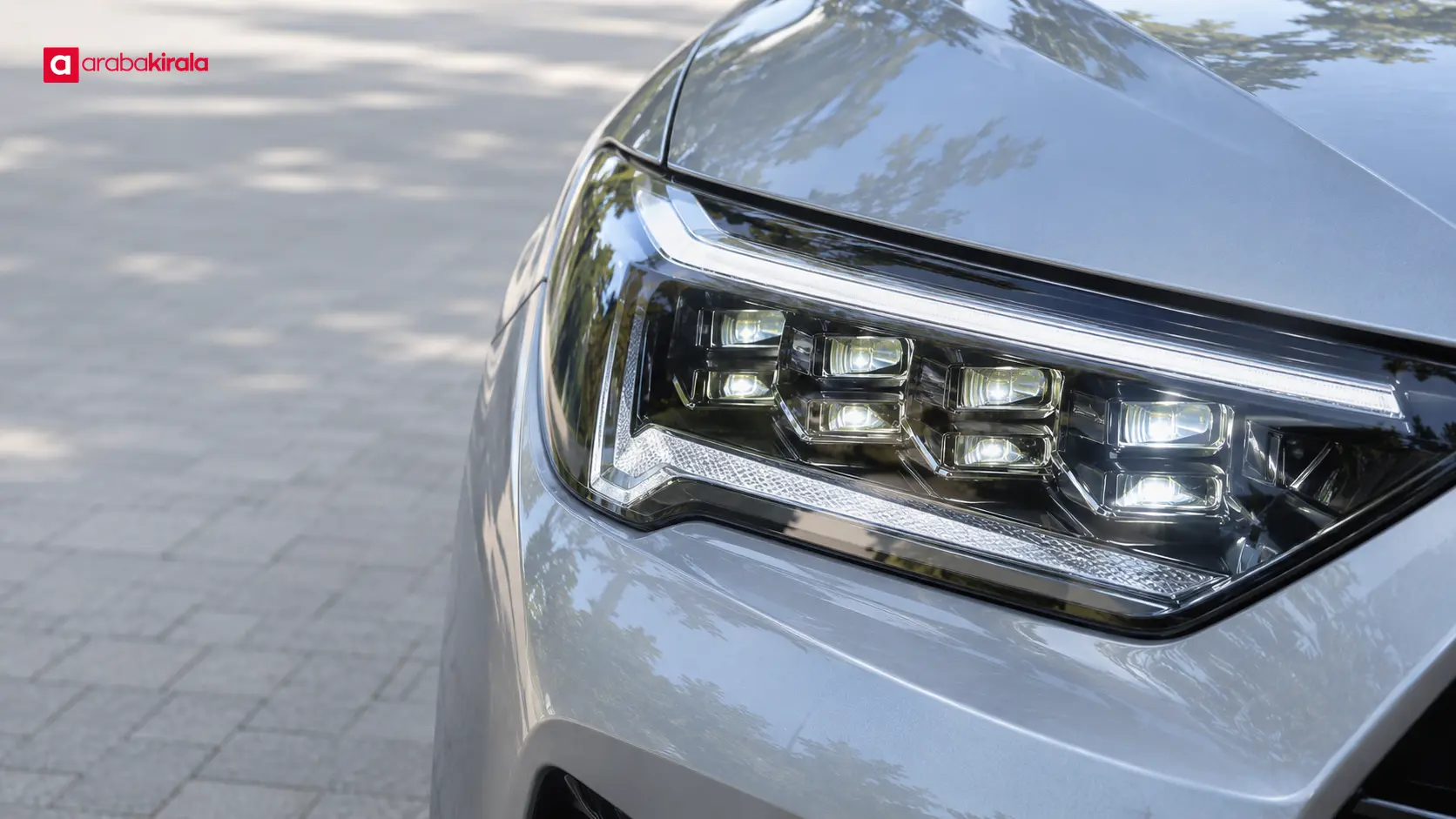
An LED converts electrical energy into light. A matrix arrangement places multiple light sources or controllable zones inside a headlamp. The number of elements and the optical design vary by vehicle; the shared idea is that electronics can adjust the distribution of light in finer steps.
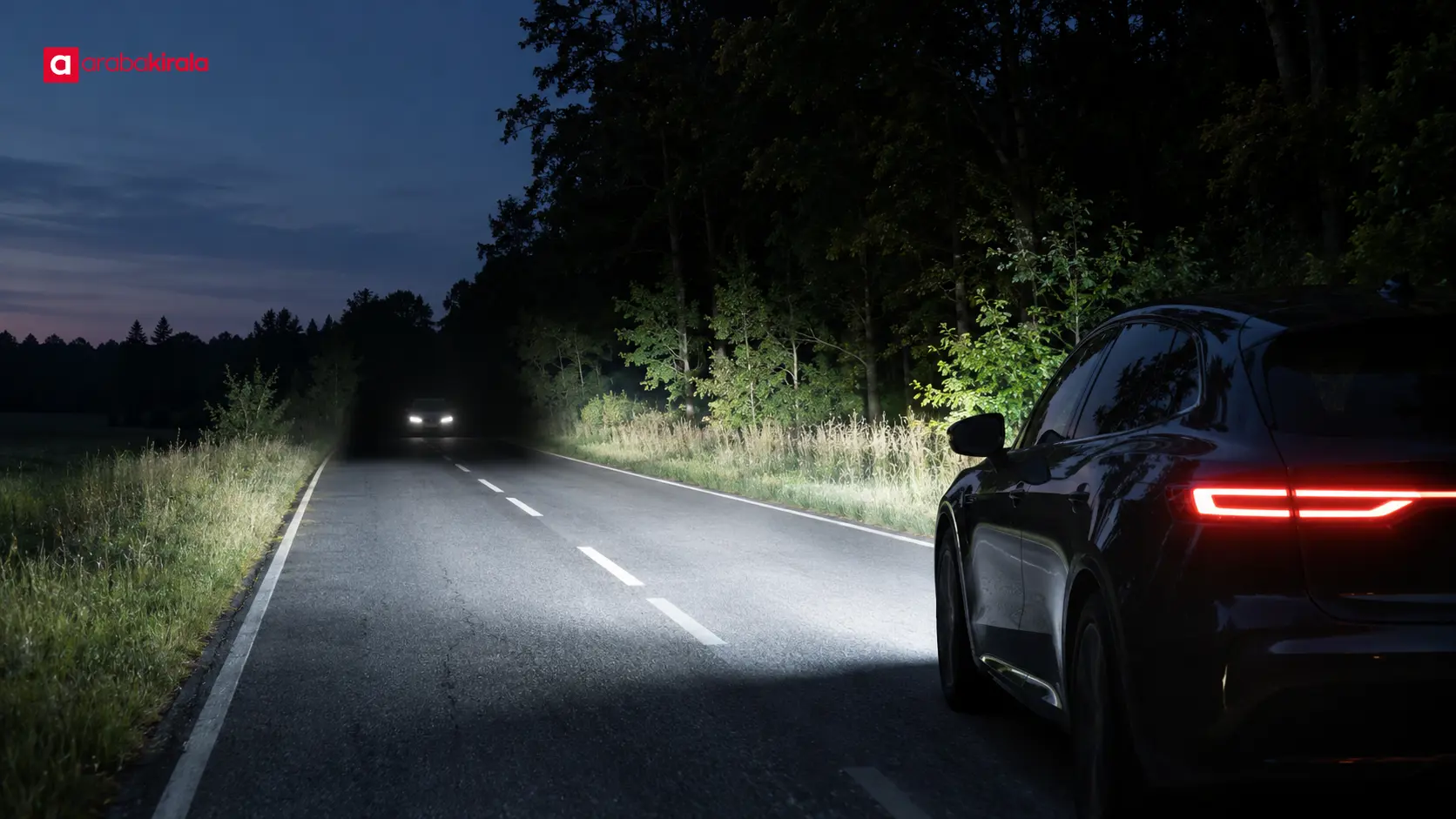
A control unit can use information from a camera and other vehicle inputs to select a lighting function. In some systems, individual LED sections switch on, dim, or switch off. This can create a shadowed area within the beam instead of changing the entire headlamp from high beam to low beam.
How they differ from a conventional high beam
A conventional high beam reaches farther along the road, but drivers need to dip it when another vehicle approaches. High-beam assist can automate that transition by detecting traffic and controlling the lamps. In many basic systems, the beam still changes broadly between high and low settings.
Some Matrix LED designs can reduce light only in selected parts of the beam. Light directed toward a detected vehicle may be limited while other parts of the road remain illuminated. Performance depends on camera visibility, software, headlamp adjustment, and the vehicle’s equipment. The Matrix LED label alone does not mean every system offers the same functions.
How light distribution affects visibility
Night vision depends on more than brightness. Drivers need to make out the road edge, the direction of a bend, and objects farther ahead. Depending on its design, a matrix system can maintain illumination in selected parts of the road while reducing light aimed toward other road users.
This may allow a driver to keep using high-beam lighting for longer in suitable conditions. It is not an absolute promise that nobody will experience glare. A sensor may fail to detect a vehicle promptly, visibility may be limited by rain, fog, dirt, or a sharp bend, and the system may not operate in every situation. Drivers still need to observe traffic and switch the lights manually when needed.
Bends, road edges, and changing conditions
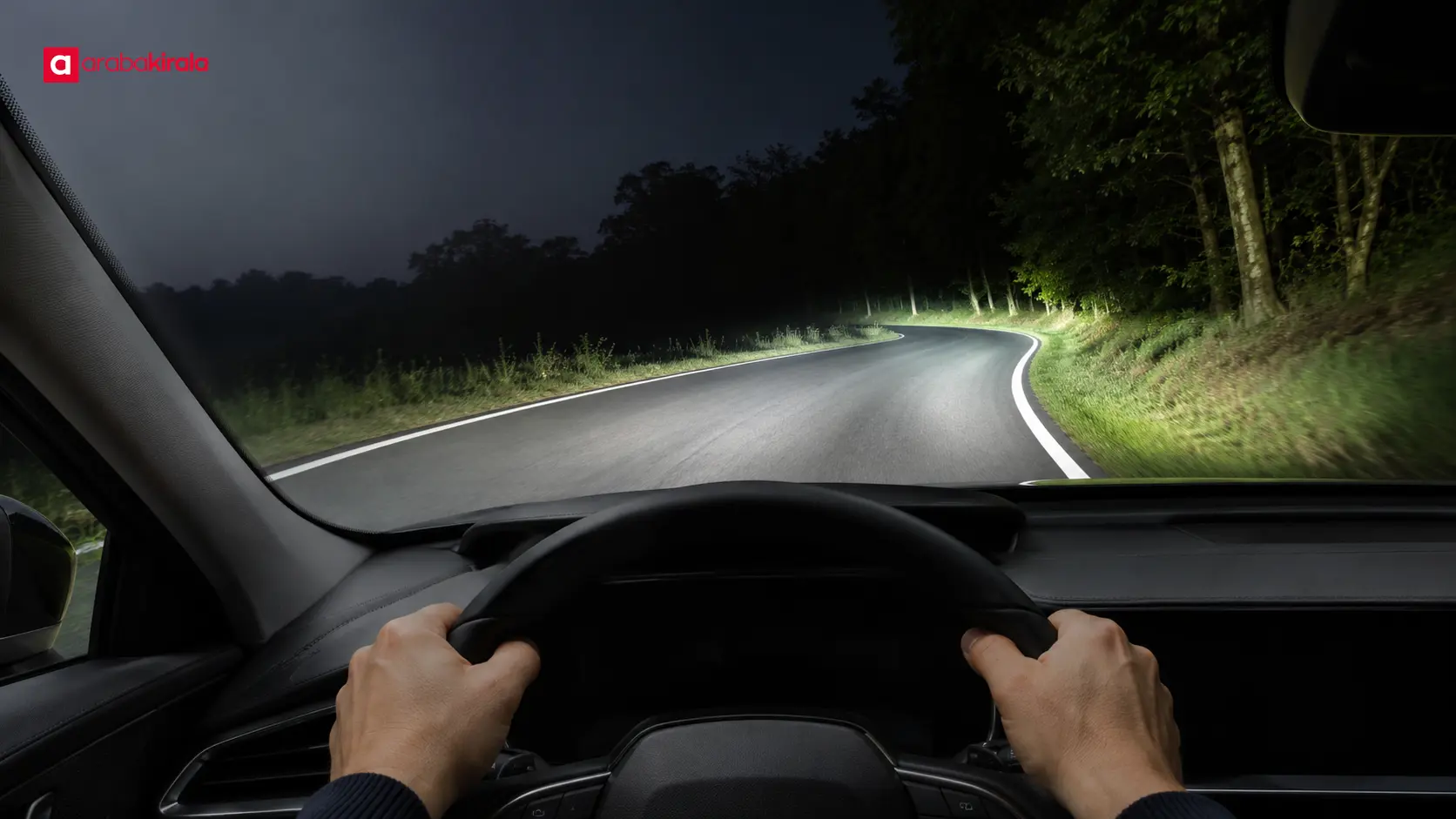
Some vehicles alter the direction or intensity of the beam using inputs such as steering angle or speed. This can help illuminate the inside of a bend earlier. However, the name Matrix LED does not mean that every model includes cornering lights or the same adaptive functions.
Wet roads, fog, heavy rain, snow, dirty glass, and deposits on the headlamp lens can all reduce visibility. Bright light can reflect from wet surfaces, while high beams in fog may increase backscatter instead of improving what the driver can see. Follow the vehicle manual’s lighting guidance and adjust speed to the available sight distance.
Matrix LED, adaptive lighting, and automatic high beam
These terms describe related functions, but they are not always interchangeable. Automatic high beam focuses on switching between high and low beams. Adaptive front lighting is a broader term for changing the lighting pattern to suit road or operating conditions. Matrix LED describes an approach that uses separately controlled light sources to shape parts of the beam.
A model may combine several of these functions, while another may use the same label for a different set of features. Do not rely on a feature name in a vehicle description alone. Check the owner’s manual to see which lighting modes are fitted and under what conditions they operate.
System limits and safe use
Camera-based detection can be affected by a dirty windscreen or an obstructed field of view. Accessories that cover the sensor, or dirt on the glass, can make it harder for the system to assess traffic. If a warning appears or the lights behave unexpectedly, do not try to force the feature to work. Check the manual and, if necessary, stop somewhere safe and request assistance.
Correct headlamp alignment matters. Misaligned light can reduce the driver’s view and disturb other road users. Follow the vehicle instructions instead of changing the headlamp height by guesswork. Damage, a fault warning, or a marked difference between the two beams should be checked by a qualified service provider.
Matrix LED does not replace attentive driving. Choose a speed that suits visibility and road conditions, maintain a safe gap to the vehicle ahead, and watch for pedestrians and cyclists, especially near junctions and in built-up areas. Automatic lighting does not remove the need for driver attention.
Getting familiar with the lighting in a rental car
Equipment can vary by vehicle, so ask about the lighting functions and controls at booking or collection. Before setting off, identify the headlamp symbols, any automatic mode, and how high-beam assist is activated. If a control is unfamiliar, learn it while the vehicle is parked rather than experimenting in traffic.
For a longer journey, check that the headlamp lenses are clean and undamaged and that the camera area of the windscreen is clear. Ask the branch you are renting from about the equipment on the assigned vehicle; do not assume that every car has the same system. When choosing a collection location for a trip, account for your route and any planned night driving.
A short pre-drive check
- Use the owner’s manual to identify the headlamp controls and dashboard warnings.
- Know whether automatic high beam or an adaptive function is active and how to switch it off manually.
- Keep the windscreen, headlamp lenses, and the camera’s field of view clean.
- In rain, fog, or dense traffic, manage the lights and speed for the conditions even when an automatic feature is available.
- If a lamp fails or behaves unexpectedly, stop in a safe place and request help.
Summary and next step
Matrix LED headlights can shape a beam around surrounding traffic and driving conditions by controlling multiple light areas separately. Their main difference from a conventional high beam is that some systems can dim selected parts of the beam instead of changing it all at once. Visibility benefits depend on the vehicle design and conditions, and drivers still need to supervise the system.
Before driving a new or rental car, learn the lighting controls and the operating conditions in the manual. Ask the branch about the equipment fitted to the vehicle, then check the windscreen and headlamps before a night journey.
Frequently Asked Questions
Do Matrix LED headlights completely prevent glare for oncoming drivers?
Some systems are designed to reduce light directed toward detected vehicles in suitable conditions, but no system guarantees perfect detection in every situation. Keep watching the road and switch to low beam manually when needed.
Are Matrix LED headlights the same as automatic high beam?
No. Automatic high beam generally manages the transition between high and low beams. Matrix LED can control separate light areas to limit part of the beam; both functions may be present in the same vehicle.
Do these headlights always illuminate bends better?
Cornering illumination depends on the model and its equipment. The Matrix LED name alone does not confirm that the lamps steer with the vehicle or include a cornering function. Check the owner’s manual.
Should I use automatic high beam in rain or fog?
Choose lighting for the weather and visibility. High beam can increase reflected light in fog or heavy rain. Follow the vehicle manual and reduce speed to match the sight distance.
How can I tell whether a rental car has Matrix LED headlights?
Ask the branch you are renting from about the vehicle model and its equipment during booking or collection. Before driving, identify the controls and relevant dashboard symbols in the assigned car.
Related Articles
- How to Read Wet-Road Braking Tests for New Cars
- Screens and Physical Controls in New Cars
- Wireless Software Updates in New Cars: Process and Checks