How to Read Wet-Road Braking Tests for New Cars
Published: November 14, 2026 • Reading Time: 5 min • Last Updated: November 14, 2026 • Author: Merve B.
Contents
- What does a wet-road braking test measure?
- Conditions that influence the result
- Surface and water
- Starting speed and brake application
- Tires and vehicle condition
- How should ABS and driver input be understood?
- What to check when comparing reports
- What do test findings mean for everyday driving?
- A practical reading of a new car braking test
- Frequently Asked Questions
- Related Articles
- Sources
Braking Tests for New directly describes the main subject covered in this guide. To understand a new car braking test, do not look only at how many meters the car takes to stop. This guide explains what wet-road tests measure, how test conditions can change the result, and what published figures can and cannot tell you about everyday driving. The goal is to assess measurements in context and draw practical conclusions for safer driving.
What does a wet-road braking test measure?
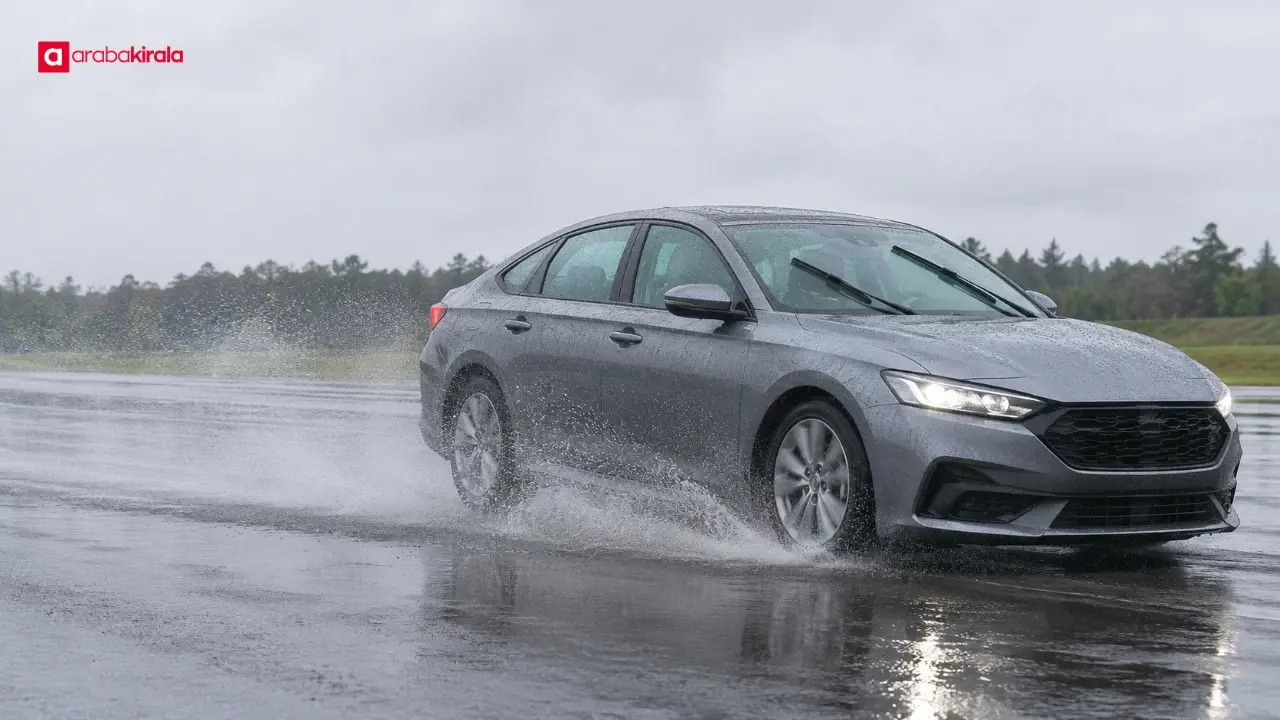
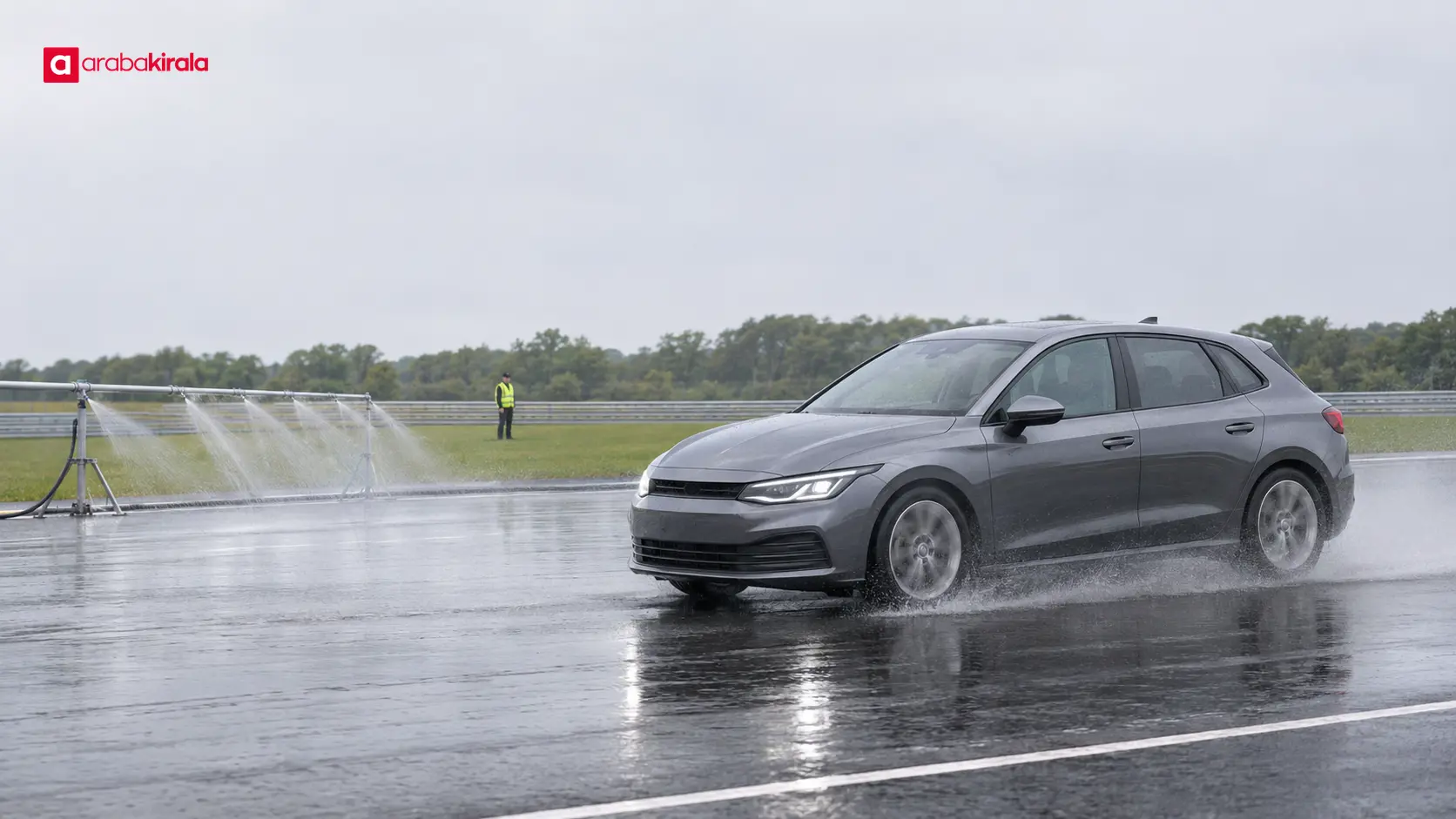
For Braking Tests for New, the practical points below should be considered together. A braking test measures how a vehicle slows and stops after the brakes are applied from a defined speed. A wet-surface run helps assess how tire contact changes when water is present on the road. The outcome reflects the tires, road surface, test procedure, and braking equipment together.
“Braking distance” generally means the distance from the start of brake application to the point where the vehicle stops. The distance traveled while a driver notices a hazard and reacts is a separate component of total stopping distance. If a report gives only braking distance, do not treat it as the complete distance that includes perception and reaction.
Conditions that influence the result
Surface and water
Wet asphalt is not one uniform surface. Texture, slope, temperature, and how water is distributed can affect tire grip. Test organizations try to define conditions so that runs can be repeated, but two reports should not be assumed to use identical pavement or water conditions. If the method describes the surface and how it was wetted, use those details when comparing results.
Starting speed and brake application
Starting speed is a fundamental test input. Distances from tests that begin at different speeds can be misleading when placed side by side. A useful protocol explains how speed was set, where braking began, and how the measurement was recorded. Read the method notes as well as the results table.
Tires and vehicle condition
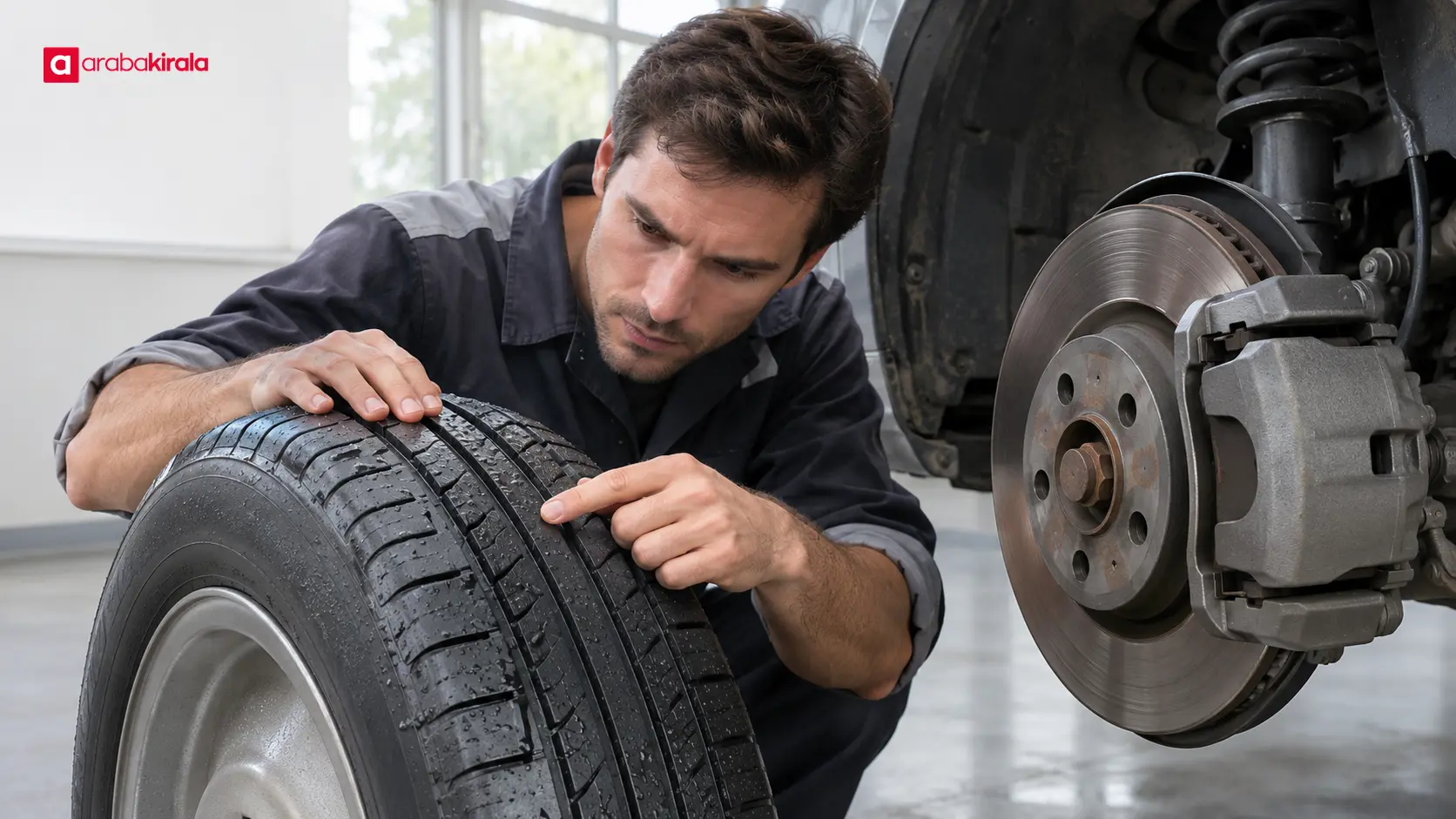
Tire design, size, pressure, wear, and temperature can affect road grip. Tread depth and overall tire condition contribute to moving water away from the contact area. Vehicle load, brake condition, and fitted equipment can also influence the outcome. A test therefore may not represent a vehicle with the same model name but different tires or load.
How should ABS and driver input be understood?
An anti-lock braking system (ABS) helps limit wheel lock during hard braking. This can help a driver retain steering control, but it does not guarantee a short stopping distance in every slippery condition. System behavior, tire-road grip, and the surface all matter.
Standardizing pedal force and the point at which braking begins can reduce variation between test runs. On a real road, the driver's reaction time, pedal input, visibility, and need to steer all affect what happens. A laboratory or track result therefore does not promise the same distance in traffic.
What to check when comparing reports
- Method: Are speed, surface, water conditions, measurement point, and number of runs described?
- Tires: Does the report identify tire type and size, and describe their condition?
- Result format: Is it a single best run or an average of repeated measurements?
- Comparability: Are vehicle load, equipment, and test conditions similar to the other report?
- Scope: Does the measurement cover braking distance alone or a broader safety assessment?
When conditions do not match, do not interpret a small numerical difference as definite superiority. Measurements made with the same procedure and similar vehicle conditions support a more useful comparison. A single test result also cannot establish a car's overall safety performance.
What do test findings mean for everyday driving?
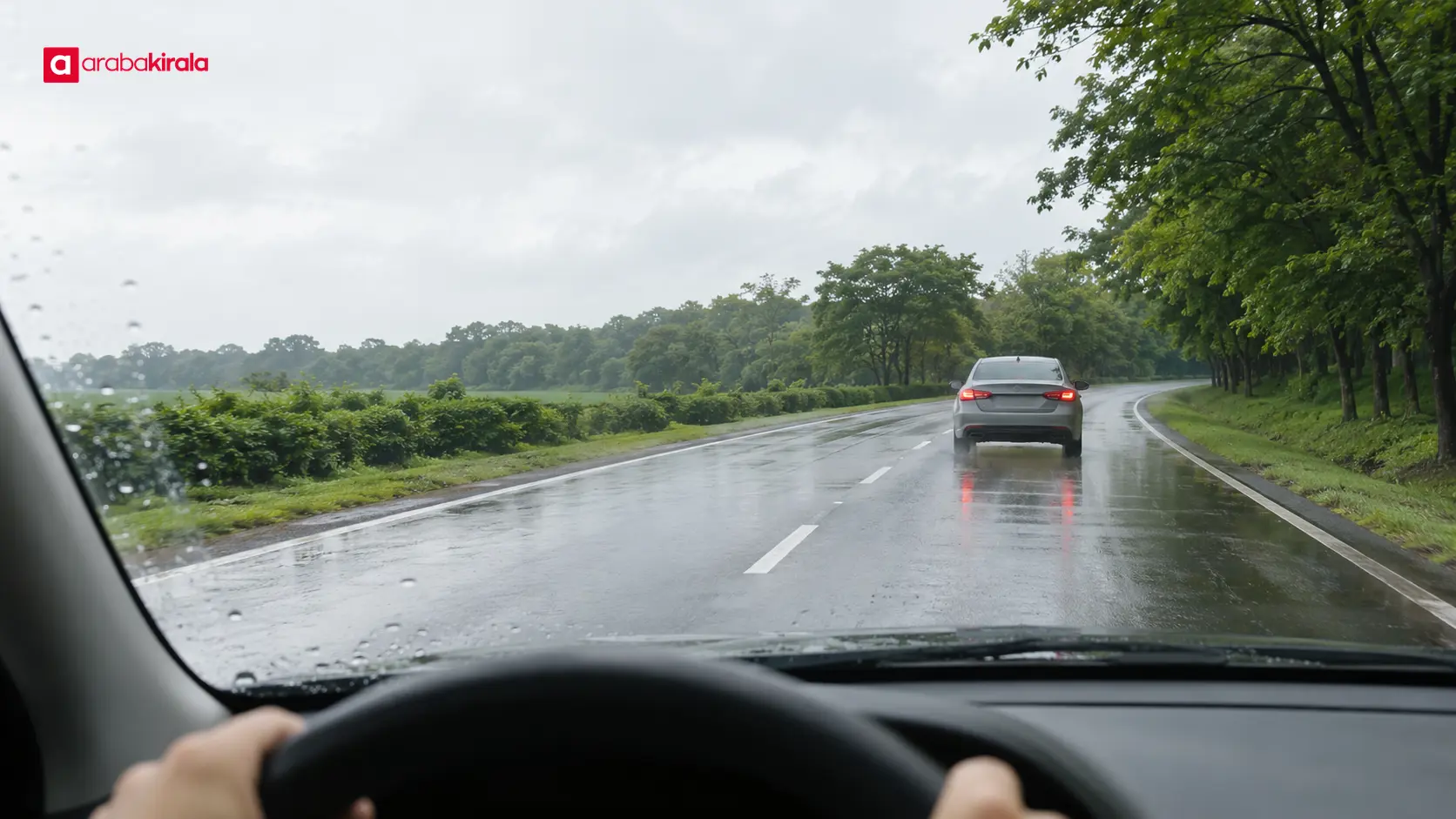
A test provides evidence about braking behavior under defined conditions; it does not mean the same stopping distance will be achieved on every road in the rain. For drivers, the practical point is that wet-road grip can change, so following distance should reflect conditions. Choose a speed that suits visibility, traffic, and the surface, and leave enough space ahead.
Monitor tire pressure and wear using the vehicle manufacturer's guidance. If you notice unusual vibration, pulling, noise, or a change in braking performance, stop somewhere safe and seek help from a qualified service professional. Leave brake-system repairs to trained technicians. Driver assistance systems do not remove the need for attention and safe spacing.
A practical reading of a new car braking test
Read wet-road braking results alongside speed, asphalt and water conditions, tires, vehicle load, and method. Before comparing reports, check whether those conditions are similar. In daily use, do not treat a test figure as a promise: maintain tires and brakes, and adapt your driving to the weather and road. For information about the tires or equipment on a particular rental car, ask the branch where you will collect it.
Frequently Asked Questions
Why can wet-road stopping distance differ from dry-road distance?
Water can change the contact and grip between the tire and road. The outcome depends on the surface, tires, speed, and water conditions, so there is no single difference that applies to every car.
Does ABS always shorten braking distance?
ABS is designed to help prevent wheel lock during hard braking. Because stopping distance also depends on the surface, tires, and other factors, it cannot be said to shorten distance in every condition.
How can I compare two cars' braking test results?
Check whether test speed, surface and water conditions, tires, vehicle load, and measurement method match. If the conditions differ, comparing the figures directly may not produce a reliable conclusion.
Does a reported braking distance include reaction time?
Many measurements focus on the distance from brake application to the vehicle stopping; the time spent noticing a hazard and reacting may be separate. Check how the report defines its measurement.
What should drivers do when braking on wet roads?
Adjust speed to the road and visibility, leave a safe gap to the vehicle ahead, and avoid abrupt inputs. If the tires or brakes show signs of a problem, seek qualified help before continuing to drive.
Related Articles
- Screens and Physical Controls in New Cars
- Wireless Software Updates in New Cars: Process and Checks
- Electric Car Puddle Safety: Assessing Risks on Wet Roads