A Road Trip to Gümüşler Monastery and Tyana in Niğde
Published: November 5, 2026 • Reading Time: 7 min • Last Updated: November 5, 2026 • Author: Merve B.
A practical guide to visiting Gümüşler Monastery and ancient Tyana by car, with route planning, time management, site etiquette, and driving preparation.
Contents
- Two historic sites, two distinct visits
- Build a Niğde route and choose the order
- Preparing for Gümüşler Monastery
- What to notice at ancient Tyana
- Driving, parking, and practical needs
- A quick checklist for a Niğde historic sites by car trip
- Conclusion: Set the route and give each place time
- Frequently Asked Questions
- Related Articles
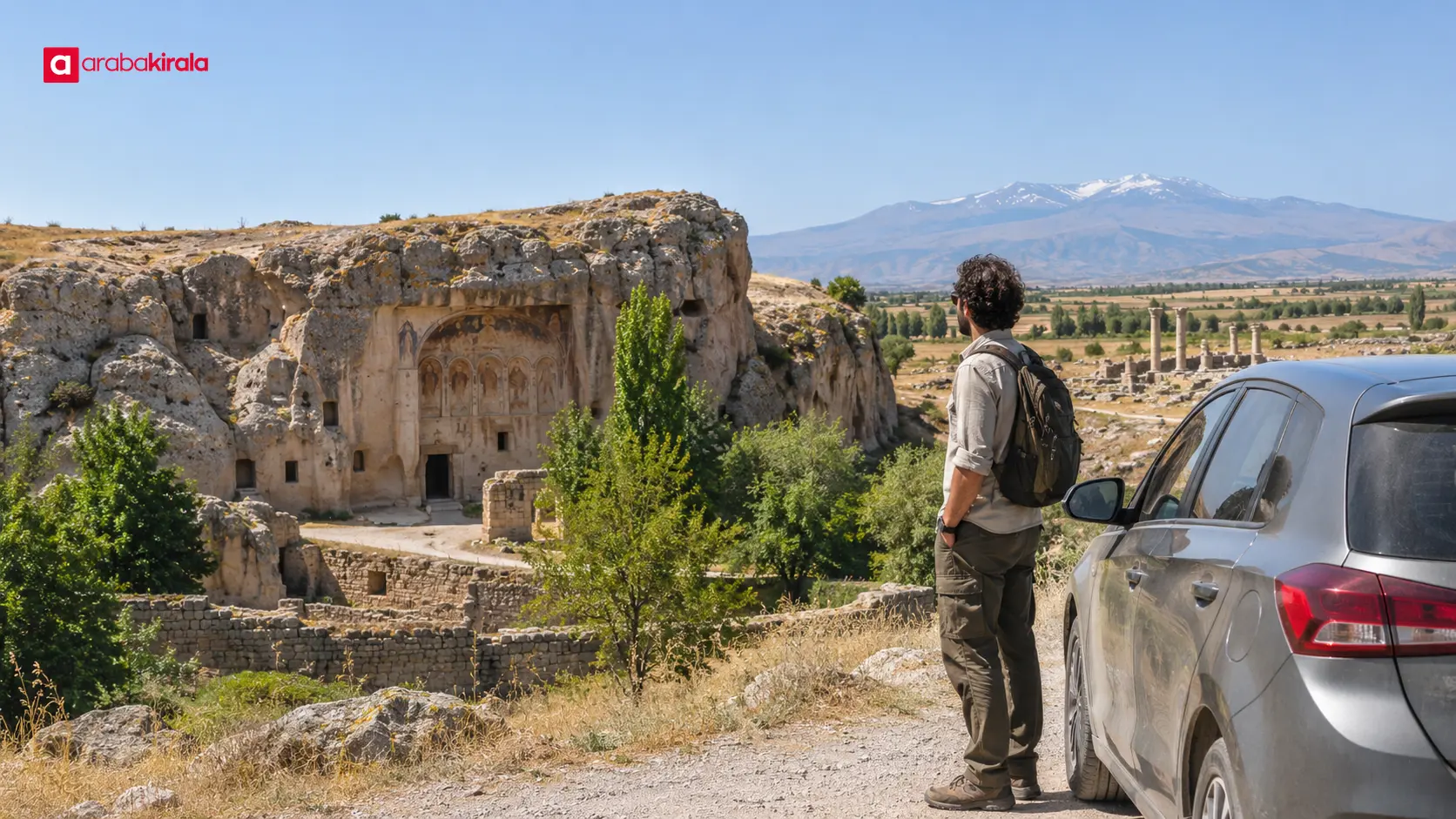
in Niğde directly describes the main subject covered in this guide. A Niğde historic sites by car itinerary can bring together two very different places: the rock-cut rooms of Gümüşler Monastery and the remains of ancient Tyana near Kemerhisar. This guide explains what to expect at each stop, how to shape a manageable route, and what to prepare for the drive and visits. Use it to turn a broad idea into a practical day plan without rushing through either site.
Two historic sites, two distinct visits
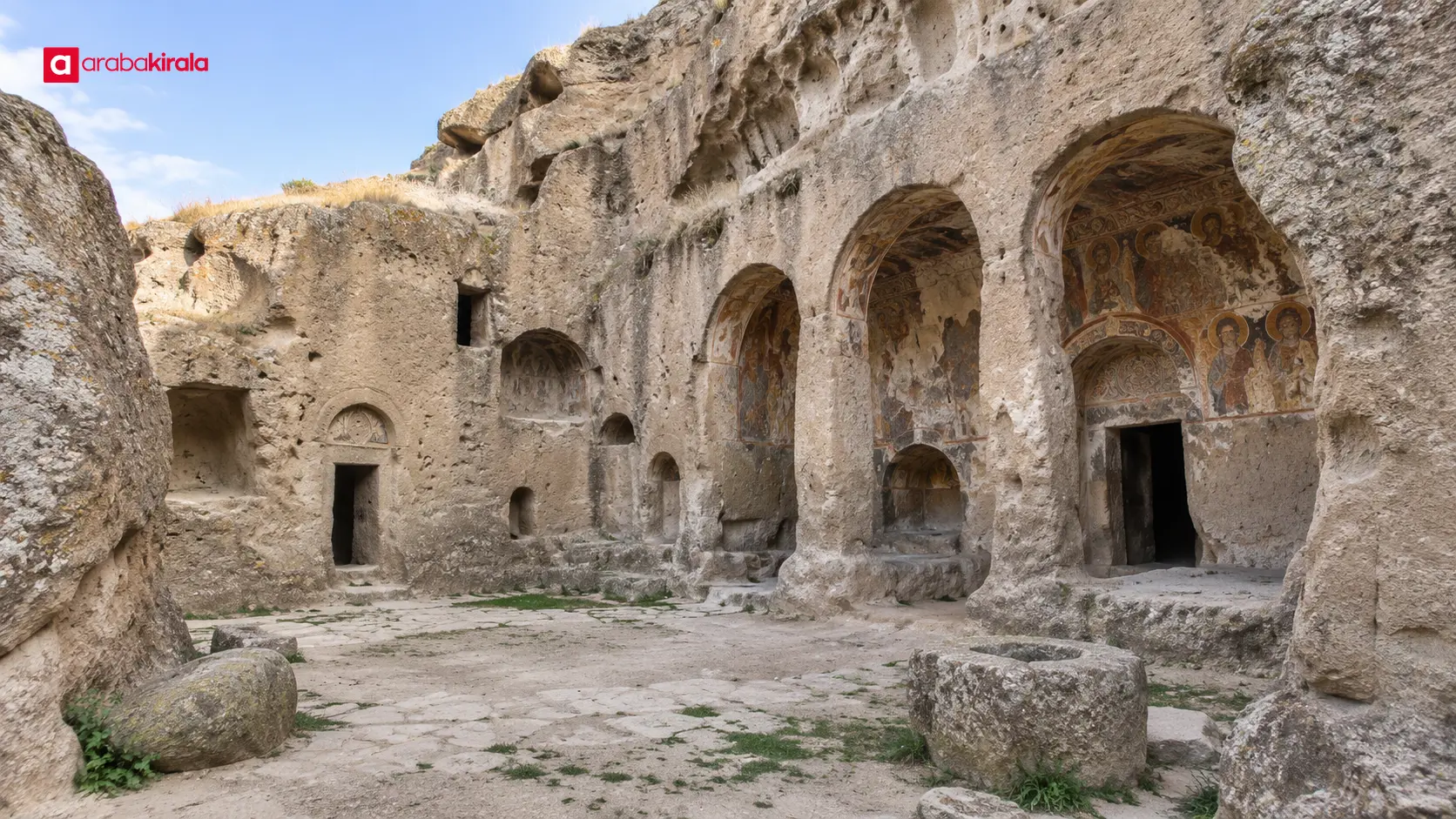
Gümüşler Monastery is known for spaces carved into rock and for the way its architecture fits within the surrounding stone. A visit rewards close observation: notice the courtyard, openings cut into the rock, and the changing levels of the complex. Allow time to look at the structure as a connected place rather than treating it as a quick photo stop.
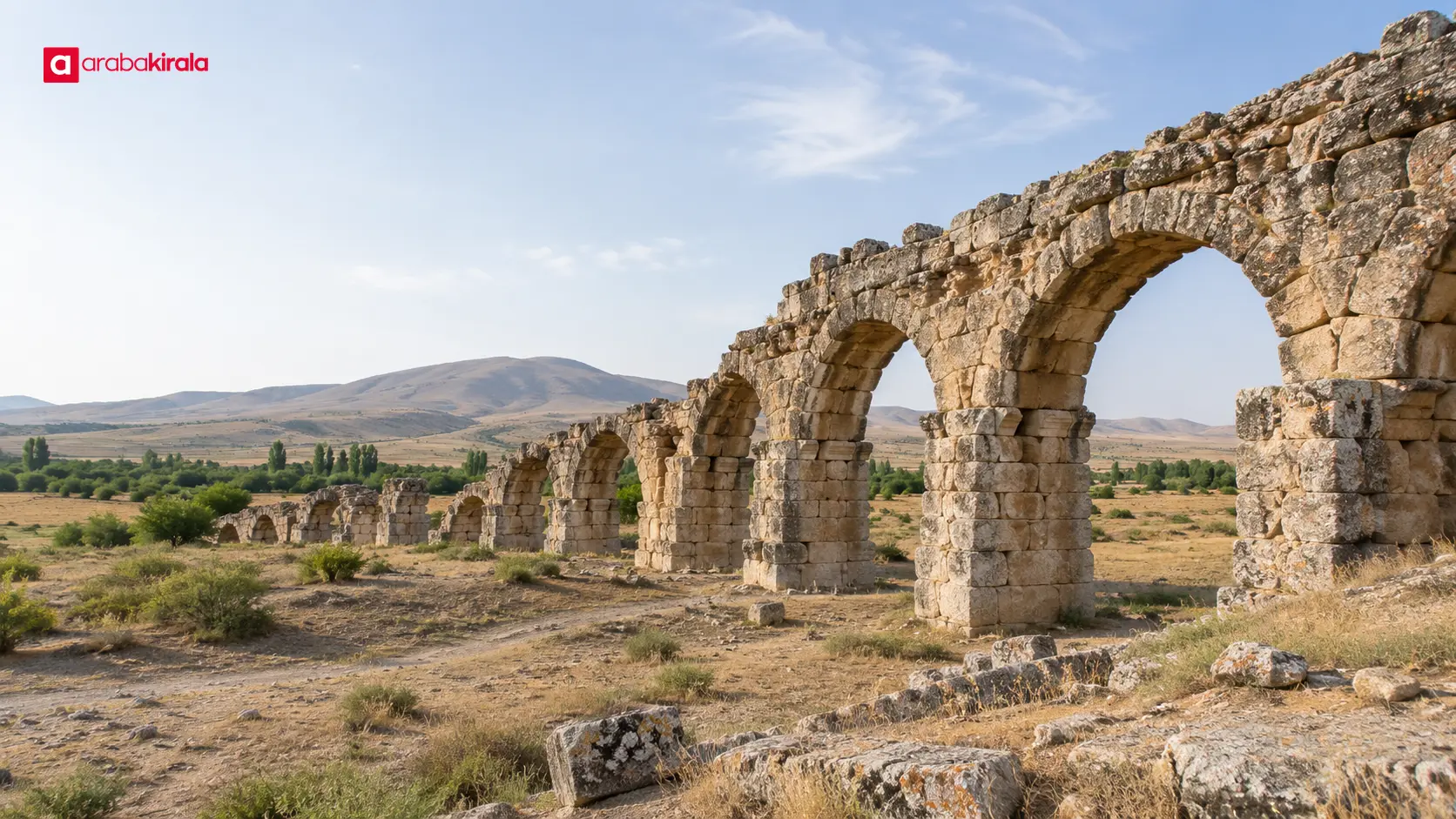
Ancient Tyana is associated with the area around Kemerhisar in Niğde’s Bor district. Its Roman-era aqueducts are among the visible remains that help visitors understand the settlement’s historical footprint. The experience is more open-air and landscape based: you can consider how surviving structures sit within the present-day surroundings.
The contrast matters when setting the pace. Gümüşler invites attention to carved interiors and architectural details, while Tyana calls for time outdoors to view the aqueducts and traces of the ancient settlement. Planning for these different kinds of observation makes the day more satisfying than assigning both places the same brief stop.
Build a Niğde route and choose the order
You can start at either site depending on your starting point, the current visiting hours, and the day’s road conditions. Visiting both in one day is a possible approach, but avoid a tight schedule that leaves no room for driving, parking, walking, or a break. Check current access and visiting information with the relevant official site or local authority before departure so you do not arrive when access is limited.
Use a map to review the complete journey, including your starting point and return destination, rather than searching for only the two attractions. Driving time can change with the selected route, traffic, and road conditions. The shortest route on a navigation app may not be the easiest route, so follow road signs and actual conditions as well as the navigation prompts.
- Set the day’s order: Confirm access information first, then sequence the two stops and any meal or rest break.
- Leave a buffer: Keep room for walking, photographs, short pauses, and unexpected delays.
- Review road conditions: Check navigation before setting off and study the route in advance in case mobile coverage drops in rural areas.
- Plan the return: Save the route from the final stop back to Niğde city or your accommodation.
Preparing for Gümüşler Monastery
Set aside time to see the rock-cut spaces and their different surfaces. Comfortable shoes with a stable grip can make walking on uneven or stony ground easier. Follow the site’s visitor boundaries, conservation notices, and staff directions, especially where a passage or room is closed to visitors.
Help protect the historic fabric by avoiding contact with carved surfaces, not leaning on structures, and staying out of closed or restricted sections. Follow any current guidance about photography or flash use. In narrower areas, be considerate of other visitors and keep passages clear.
A short bit of reading before the visit can make the architecture easier to interpret. You might note the spaces you want to observe and how they relate to one another, so the visit becomes more than a sequence of photographs. Check current opening and access details before travelling, since practical visitor information can change.
What to notice at ancient Tyana
At Tyana, viewing the aqueducts in their surroundings helps convey their scale and relationship to the landscape. From an appropriate viewing point, look at how the arches extend across the site. Do not climb on surviving masonry or step on fragile remains. Leaving archaeological features undisturbed protects both the site and the experience of future visitors.
Because this stop is largely outdoors, account for the weather. In sunny or hot conditions, bring water, a hat, and sun protection; if wind or rain is expected, dress accordingly. Follow local signs about site boundaries and access. Do not assume every visible structure or area is open to visitors.
Think of the Tyana stop as a measured walk through a historic landscape. Saving the location on a map in advance can be useful if there is limited on-site wayfinding. Still, make sure navigation is not directing you onto private property or a route closed to vehicles.
Driving, parking, and practical needs
Before setting out, check basic vehicle condition for a comfortable drive: fuel or charge level, visible tire issues, lights, and clean windows. Park only in safe, permitted places. Avoid stopping near historic structures in a way that blocks visibility, obstructs traffic, or creates a roadside hazard.
If you are using a rental car, ask the office you will rent from about details specific to your reservation and branch before booking and at pickup. Questions may include pickup and return location and hours, mileage arrangements, additional-driver registration, and required documents. These details can vary; do not assume a general industry rule applies. Read the terms and handover documents provided for your booking.
At pickup, review the recorded fuel level, odometer, and vehicle condition. A walk-around before departure helps identify existing marks or damage that should be reflected in the handover record. Follow the branch’s stated return process and keep the related records. These steps do not promise a particular coverage or fee outcome; they simply make the trip records easier to understand.
A quick checklist for a Niğde historic sites by car trip
- Confirm current visiting and access information for both Gümüşler Monastery and Tyana.
- Review the route, return journey, and possible rest stops on a map.
- Pack season-appropriate clothing, comfortable walking shoes, water, and sun protection.
- For a rental, confirm reservation and branch terms directly with the office and read the agreement and handover records.
- Protect the sites by avoiding contact with historic surfaces, staying off ruins, and using only permitted paths.
Conclusion: Set the route and give each place time
Gümüşler Monastery and ancient Tyana offer two different ways to experience Niğde’s history in one car journey. Focus on rock-cut architecture at the monastery and on aqueducts and settlement traces at Tyana. Fit the route to current access details and road conditions, leave time for each stop, and follow conservation guidance.
Your next step is to choose a visit date, confirm current access information for both places, and map the route from departure through the return. If you plan to rent a car, clarify pickup, return, and agreement details with the branch you will use. That turns a Niğde historic sites by car idea into a clear, workable itinerary.
Frequently Asked Questions
Can I visit Gümüşler Monastery and ancient Tyana in one day?
You can plan both sites in one day. Whether that feels comfortable depends on your starting point, visiting hours, road conditions, and how long you want to spend at each place. Confirm access in advance and leave time for breaks.
What kind of shoes should I wear at Gümüşler Monastery?
Comfortable shoes with a good grip are useful for walking on uneven or stony ground. Stay on the permitted visitor route and do not enter closed sections.
What is the main feature to look for at ancient Tyana?
The Roman-era aqueducts are among Tyana’s best-known remains. Observe them in relation to the surrounding landscape, and avoid climbing on or touching masonry that should be protected.
Where should I park during a visit to these sites near Niğde?
Use only safe, permitted parking that does not obstruct traffic. Follow local signs and current visitor information at each site for guidance on appropriate parking.
What should I confirm when planning a Niğde road trip with a rental car?
Ask the branch you will rent from about pickup and return locations and hours, mileage arrangements, additional-driver registration, and required documents. Review the agreement and handover records, since conditions may depend on the reservation and branch.

Related Articles
- How to Plan a Drive to Sardis and Aigai in Manisa
- How to Plan a Visit to Troy Museum and the Ancient City by Car
- A Burdur Archaeological Sites Road Trip: Sagalassos and Kibyra
Legal Disclaimer: All content, articles and information on the Araba Kirala website are provided solely to inform users. No information shared on this website constitutes definitive advice or guidance. Araba Kirala Teknoloji A.Ş. and its authors cannot be held responsible for any direct or indirect damages arising from the application of information on the website. For all questions and requests regarding car rental, please contact the office from which you will rent your vehicle.
 Add ArabaKirala as a preferred source on Google