Driving the Phrygian Valley: Ayazini and Rock Monuments
Published: November 7, 2026 • Reading Time: 6 min • Last Updated: November 7, 2026 • Author: Merve B.
Contents
- What a driving visit to the Phrygian Valley involves
- Build a route around Ayazini and the rock monuments
- Choose what matters most to you
- Group nearby stops
- Road and field preparation
- Check current conditions before leaving
- Prepare the vehicle and your day bag
- Respect rock-cut structures and the landscape
- Day trip or a broader itinerary?
- Before-you-go checklist
- Summary: keep the route flexible
- Frequently Asked Questions
- Related Articles
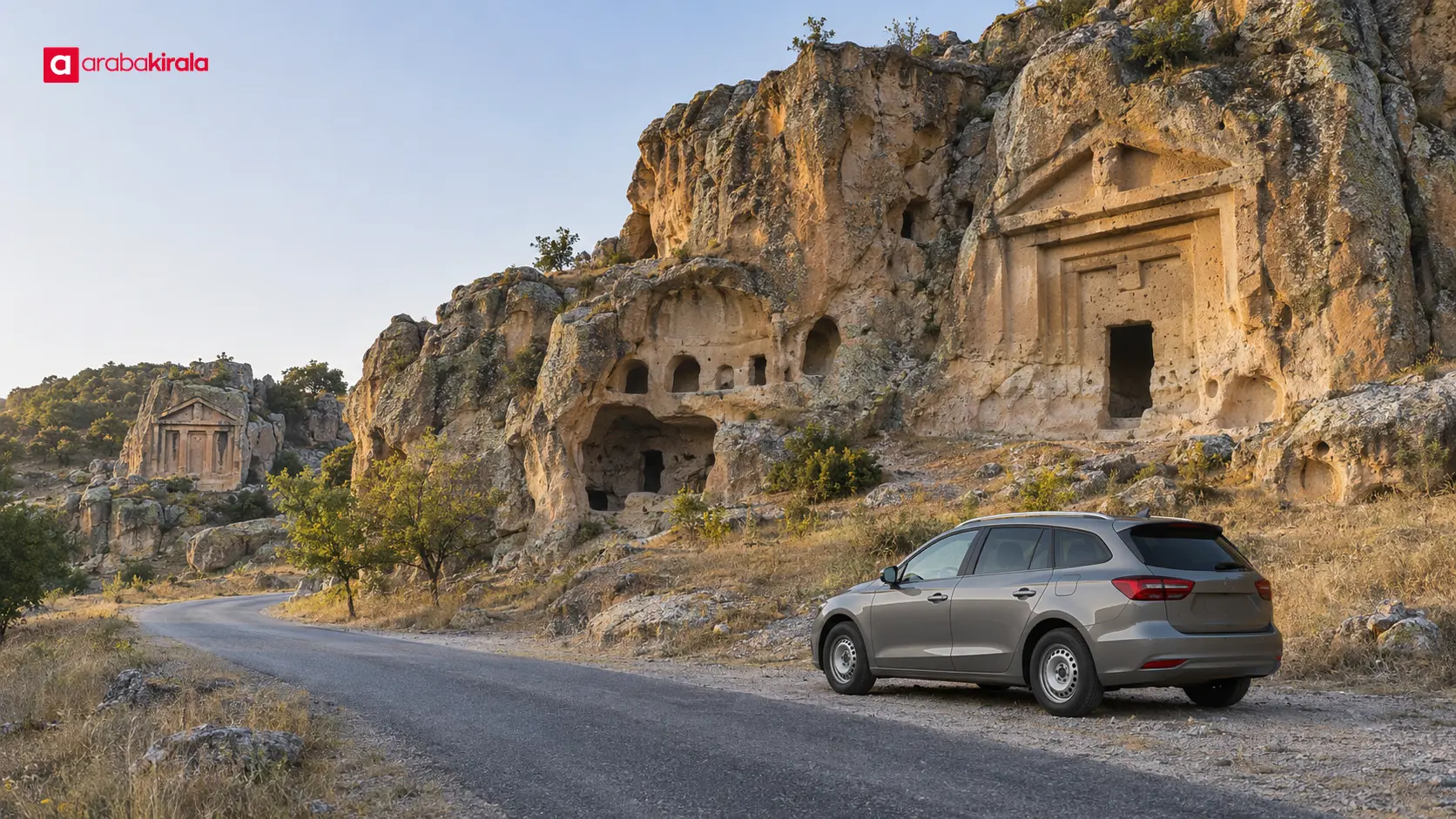
Driving the Phrygian Valley directly describes the main subject covered in this guide. A Phrygian Valley driving tour works best when Ayazini, nearby rock monuments, and open landscape stops are planned as a series of places rather than one compact attraction. This guide explains how to shape a route, separate time on the road from time on foot, and prepare for changing conditions. Distances on a map do not show the full effort of parking, approaching a site, or walking over uneven ground, so leave room in the day for more than driving.
What a driving visit to the Phrygian Valley involves
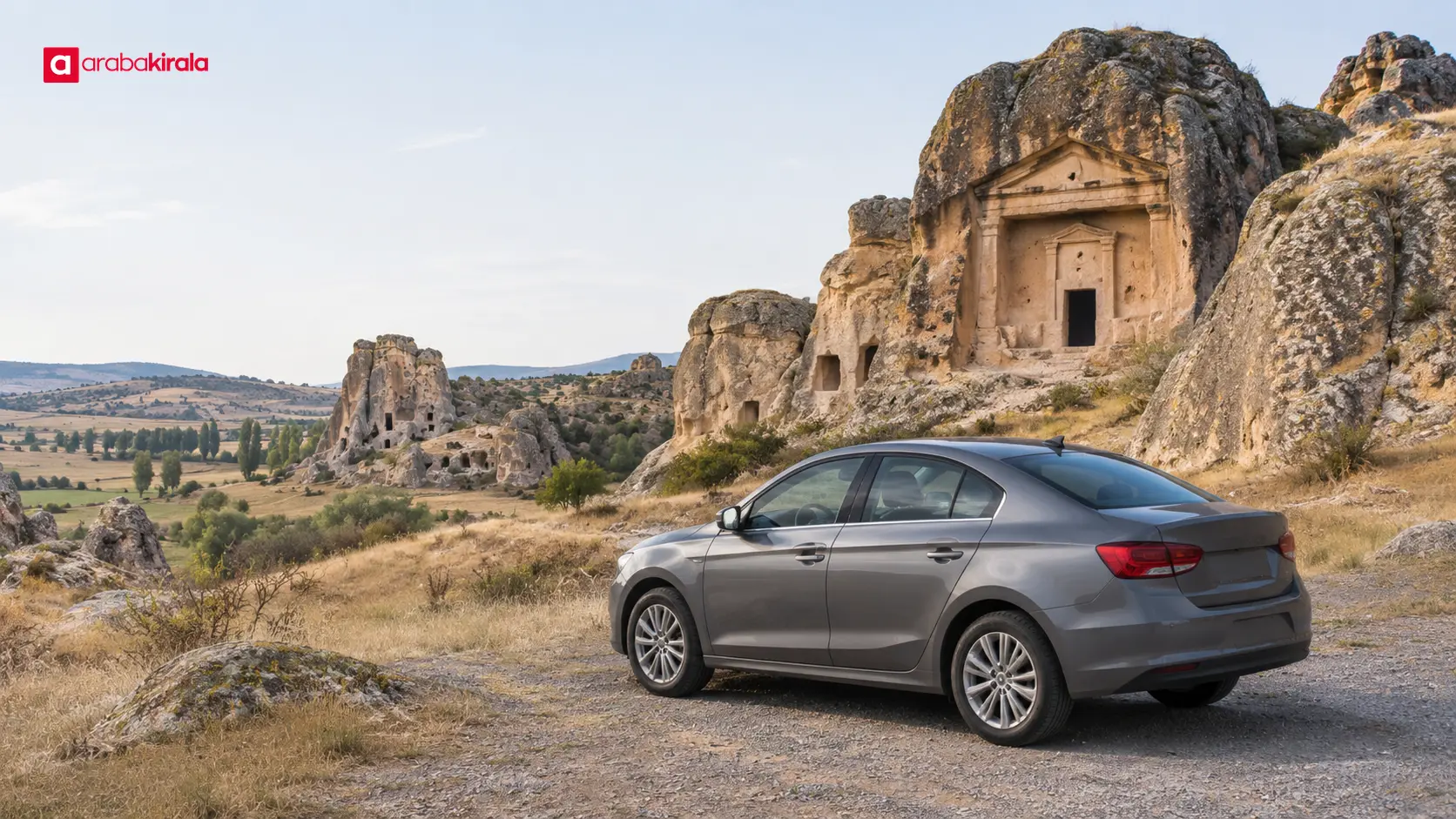
For Driving the Phrygian Valley, the practical points below should be considered together. The Phrygian Valley is a broad landscape with rock formations, carved structures, and historic settlement areas spread across different locations. A car can help connect stops, but it does not mean every feature can be reached by vehicle or entered freely. The final stretch may involve walking, and the condition of roads and access points can vary.
That distinction helps make the itinerary realistic. Two points that appear close on a map may require a longer road connection, while a short visit may take more time once you leave the car and explore. Consider route quality, time at each stop, and the walking involved instead of relying only on distance estimates.
Build a route around Ayazini and the rock monuments
Choose what matters most to you
Start an Ayazini travel plan by deciding which parts of the landscape interest you most: rock-cut structures, settlement remains, monuments, or open views. If historic features are your priority, allow time to look carefully at the areas that are accessible to visitors. If scenery and varied formations matter more, reserve time for walking away from the roadside. A smaller list of stops can make for a more attentive day than a rushed attempt to cover everything.
Group nearby stops
Mark intended stops on a map and group those that are close to one another. For each group, think through the drive, where you might safely stop, and the approach on foot. This can reduce backtracking and clarify how much of the day to spend in Ayazini and how much to leave for other rock monuments. Navigation estimates may not account for slow road conditions or walking around a site.
When visiting for the first time, do not treat a navigation pin as confirmation that the last approach is straightforward. Check the road and current access information before setting out. If map information and local directions differ, use the safest accessible route and follow on-site instructions.
Road and field preparation
Check current conditions before leaving
Before starting an Afyonkarahisar road trip, review the weather, road conditions, and current visitor information for the places you intend to see. Rain, ice, poor visibility, or hot weather can affect both driving and walking in exposed areas. Road work or temporary access changes may also alter a route. These details can change, so an older travel article should not be treated as current confirmation.
If you are renting a vehicle, discuss your planned region and route with the branch handling your booking during reservation or pickup. Vehicle suitability, delivery details, use conditions, and assistance arrangements can depend on the service and location. Clarify what applies to your booking rather than assuming one general industry rule.
Prepare the vehicle and your day bag
At pickup, check the fuel or charge level, visible damage, and dashboard alerts, then compare relevant details with the handover record. Ask for an explanation of any unfamiliar vehicle control before driving. For the day, consider phone power, offline map access, and basic supplies such as water, since mobile coverage can be limited in open areas.
Choose comfortable footwear suited to uneven surfaces. Moving quickly over rocks, approaching edges, or climbing where the footing is uncertain increases the risk of a fall or injury. Weather-appropriate layers, sun protection, and water make outdoor stops more comfortable. These are personal preparation tips, not a claim about facilities available at any particular site.
Respect rock-cut structures and the landscape
The rock monuments and carved structures are part of a historic and natural landscape. Do not write on surfaces, move fragments, or lean on fragile sections. Follow signs and boundaries at visitor areas. Avoid closed, collapsed, or visibly unsafe spaces, and do not take risks on ledges or high points for a photograph.
Be considerate of other visitors when taking pictures. Follow local guidance about restricted areas, private property, and drone use. A place appearing on a map does not establish that entry or vehicle access is permitted or safe.
Day trip or a broader itinerary?
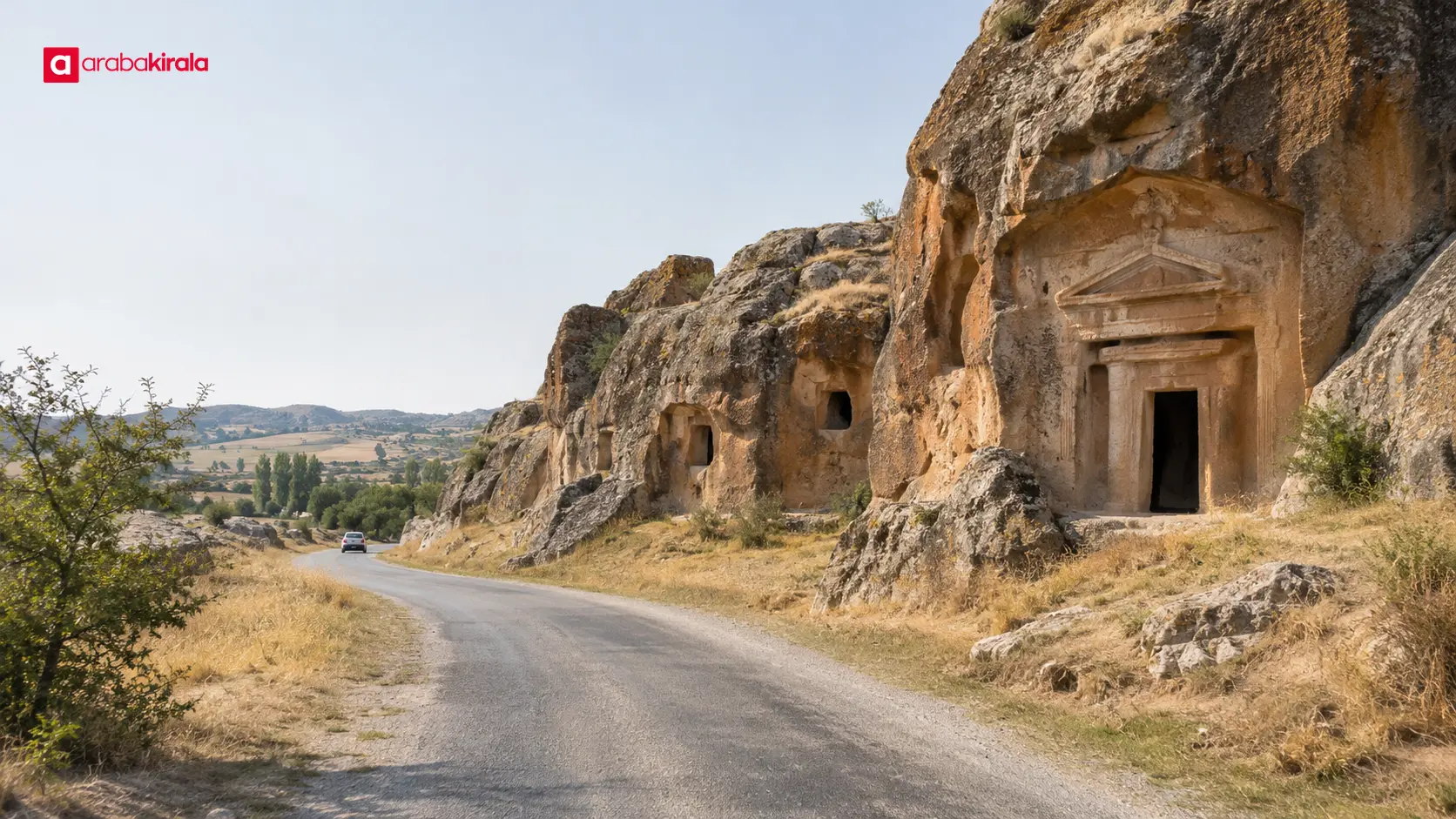
A day trip is easier to manage when it focuses on a limited number of stops and includes enough time for the return drive. Set a start time with breaks, parking, and walking in mind, not just the time behind the wheel. If you want to visit several rock areas, rank them so you can drop a later stop if the day runs short.
A longer visit can include other points of interest in Afyonkarahisar, but every addition increases travel and visit time. If you are arriving from another city or staying overnight, keeping the first day lighter can help account for travel fatigue. This is a time-planning suggestion rather than a promise about any accommodation or booking arrangement.
Before-you-go checklist
- Select the stops you care about and group them on a map.
- Check current road conditions and visitor access information.
- Allow for walking after parking; a vehicle may not reach every feature.
- Confirm vehicle use and handover details with the branch handling your rental.
- Bring water, a charged phone, suitable clothing, and comfortable shoes.
- Keep enough time for the return journey and a change of plan.
Summary: keep the route flexible
For a Phrygian Valley driving tour, a practical approach is to group Ayazini and rock monuments into manageable clusters, plan driving and walking separately, and verify current conditions before departure. A vehicle helps connect parts of the region, while seeing historic areas often means leaving the car and exploring carefully on foot.
Your next step is to mark your priority stops, update road and access information, and confirm rental and handover details with the branch handling your booking. That preparation makes the itinerary easier to follow and leaves more time to experience each place at a comfortable pace.
Frequently Asked Questions
Can I see the Phrygian Valley in one day by car?
It depends on how many stops you choose and how long you spend at each one. For a day trip, focus on a limited number of places and allow for driving, parking, and walking rather than trying to cover the whole area.
Will I need to walk after reaching Ayazini by car?
Access points and the layout of visitor areas can vary. Include the possibility of walking from where you leave the car to structures or viewpoints, and check current local directions before you travel.
Are all roads in the Phrygian Valley suitable for every vehicle?
Road conditions, weather, and the nature of the route can affect access, so it is not safe to assume every road or stop suits every vehicle. Share your planned route with the rental branch and clarify access details for your booking.
How should I behave around the rock monuments?
Follow signs and boundaries, avoid damaging fragile surfaces, and stay out of unsafe areas. Wear footwear suited to uneven ground, and do not approach edges to get a photograph.
What should I check before setting out?
Review weather, road conditions, access information, and your route. Treat map estimates as a planning aid rather than a complete picture, and verify changing conditions close to your travel day.
 Add ArabaKirala as a preferred source on Google