Choosing Automatic or Manual Gears for a Rental Car
Published: October 31, 2026 • Reading Time: 6 min • Last Updated: October 31, 2026 • Author: Merve B.
Choose a rental car transmission by weighing your daily route, traffic, road conditions, and driving habits, then check the vehicle details with the branch.
Contents
- Choose a rental transmission that fits your route
- How automatic and manual transmissions differ
- What an automatic transmission does
- What a manual transmission requires
- How your daily route affects the choice
- Busy city traffic and frequent stops
- Long journeys, slopes, and changing road surfaces
- Consider your driving habits and passengers
- A short checklist before booking and pickup
- Safe driving points that apply to either type
- Make the decision in three steps
- Frequently Asked Questions
Choose a rental transmission that fits your route
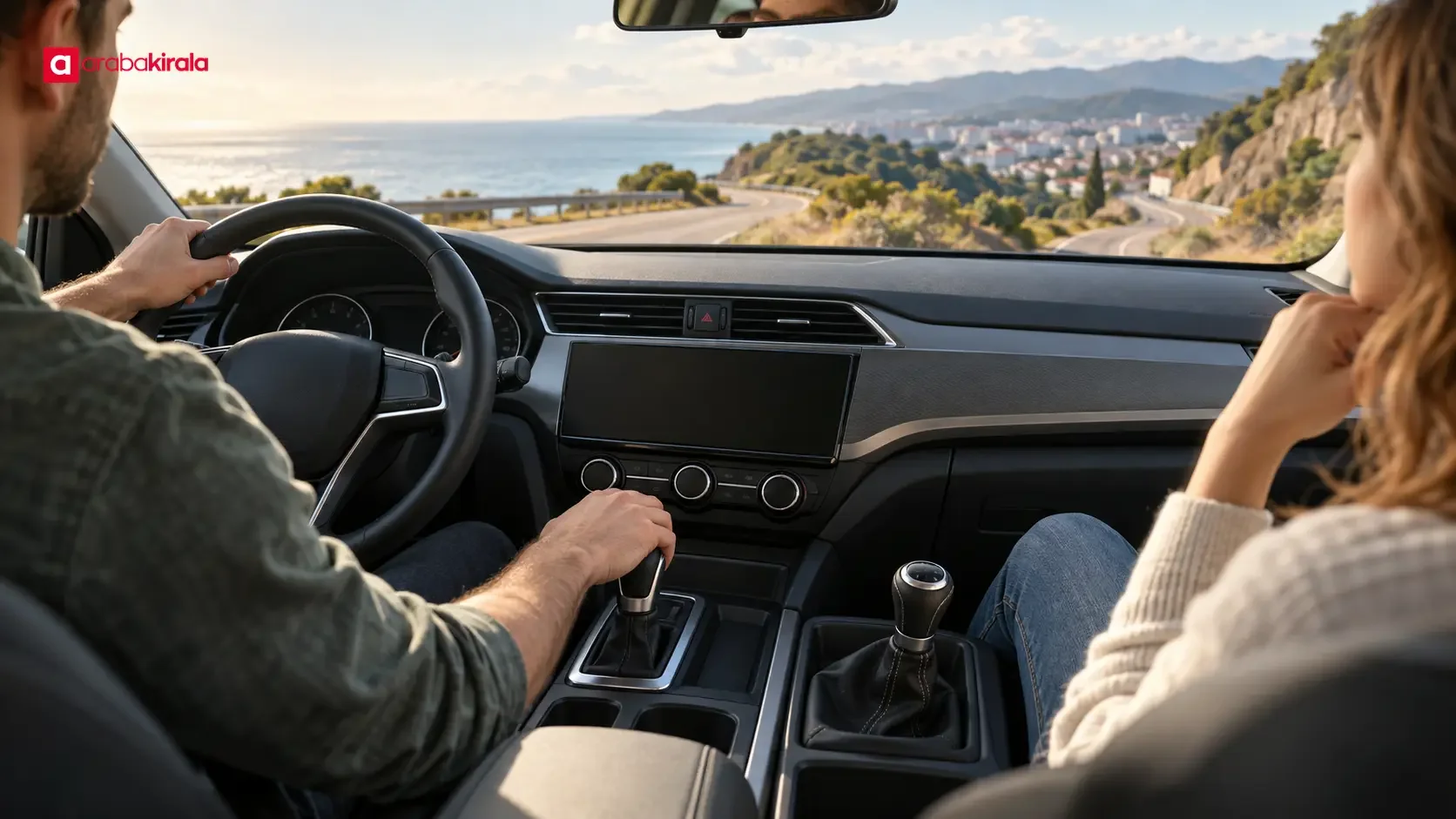
When choosing a rental car transmission, consider more than which type you usually drive. Think about traffic, hills, distance, and how often you expect to stop. An automatic transmission selects gear ratios for you; with a manual transmission, you coordinate the clutch and choose gears yourself. That difference can affect effort in stop-and-go traffic or on a route with frequent climbs. This guide explains how the two systems work, which habits they may suit, and what to check before setting off.
How automatic and manual transmissions differ
What an automatic transmission does
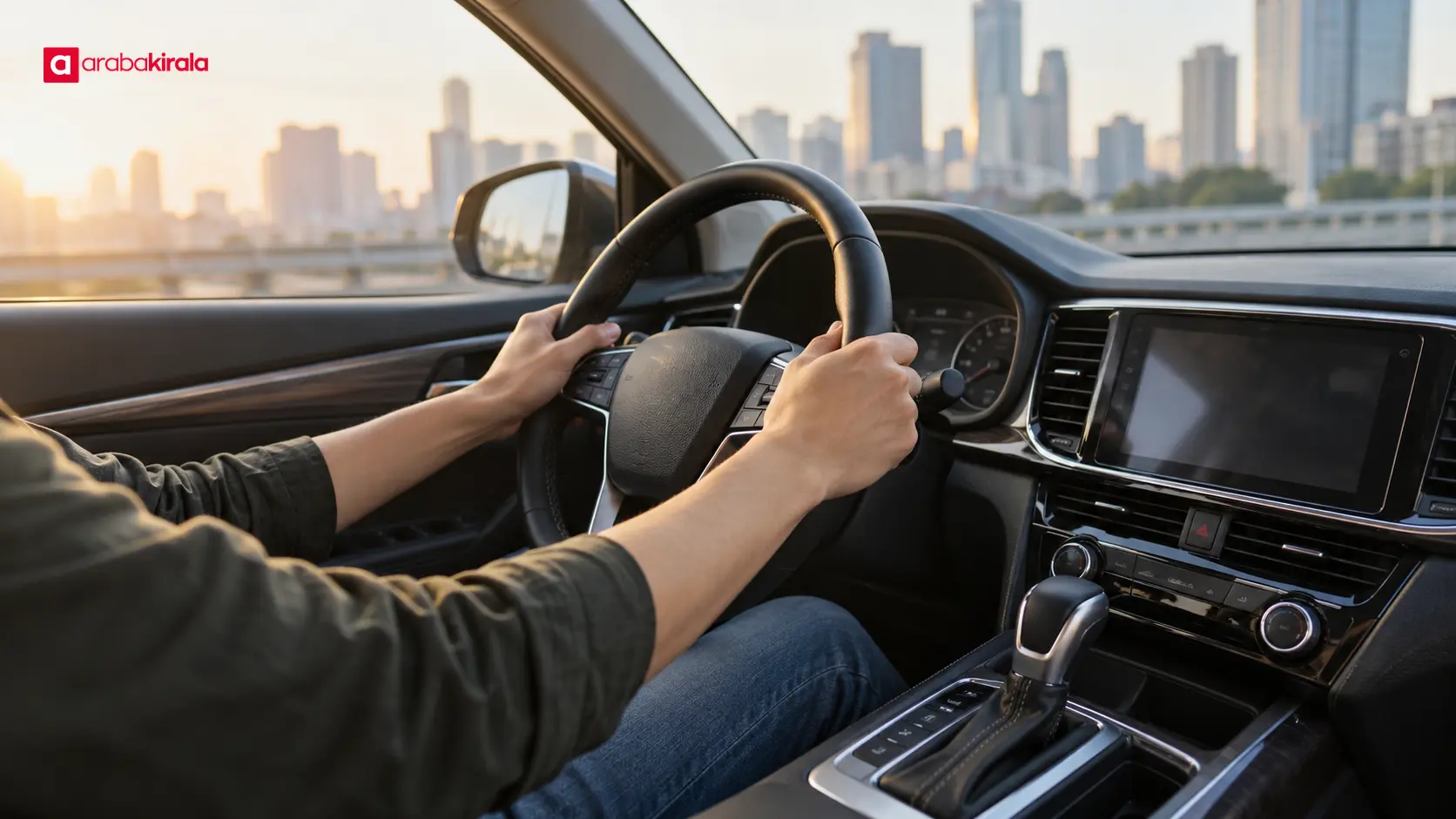
An automatic transmission adjusts gear ratios according to driving conditions such as speed and engine load. The driver generally operates the accelerator and brake, without a clutch pedal. This can reduce repeated gear changes during slow traffic. Automatic cars do not all use the same controls: selector positions and driving modes can vary by model. Even if you have driven an automatic before, take a moment at pickup to identify the selector, parking position, and parking procedure for the specific car.
What a manual transmission requires
With a manual transmission, the driver uses a clutch pedal to temporarily disengage the engine from the driven wheels and changes gears directly. Drivers accustomed to this arrangement may appreciate choosing gears themselves. It does require coordinating clutch movement and gear selection, and those actions come up more often in stop-and-go traffic or when starting on a slope. A manual car makes sense when you can use that coordination comfortably and safely.
How your daily route affects the choice
Busy city traffic and frequent stops
If your route includes central streets, repeated traffic lights, or slow queues, an automatic may reduce the repeated clutch and gear changes. That can lower the amount of input required from the driver, although it cannot make traffic itself less tiring. Keeping a safe following distance, watching for pedestrians, and maneuvering in narrow streets still call for attention regardless of transmission.
A manual car may also suit a short urban trip if you are used to driving one, can control the clutch smoothly, and are comfortable with frequent stops. Base the decision on your actual experience in traffic rather than someone else's preference. If your manual driving has mostly been on quiet roads, consider whether that experience will feel comfortable on a route with prolonged queues.
Long journeys, slopes, and changing road surfaces
On a longer journey, seat comfort, visibility, breaks, and fatigue matter alongside transmission. An automatic continues to handle gear changes for the driver; a manual lets the driver directly choose gears and manage engine response. Neither description makes one system better for every route. Vehicle features, road gradients, traffic, and the driver's experience all matter.
On hilly roads, keep speed and control appropriate to conditions with either type. In a manual car, hill starts and gear selection depend on the driver's coordination. In an automatic, you still need to understand the selector and any relevant driving mode. Learn the vehicle's basic instructions before the trip; avoid using a steep hill as your first practice area, and get familiar with the controls somewhere safe.
Consider your driving habits and passengers
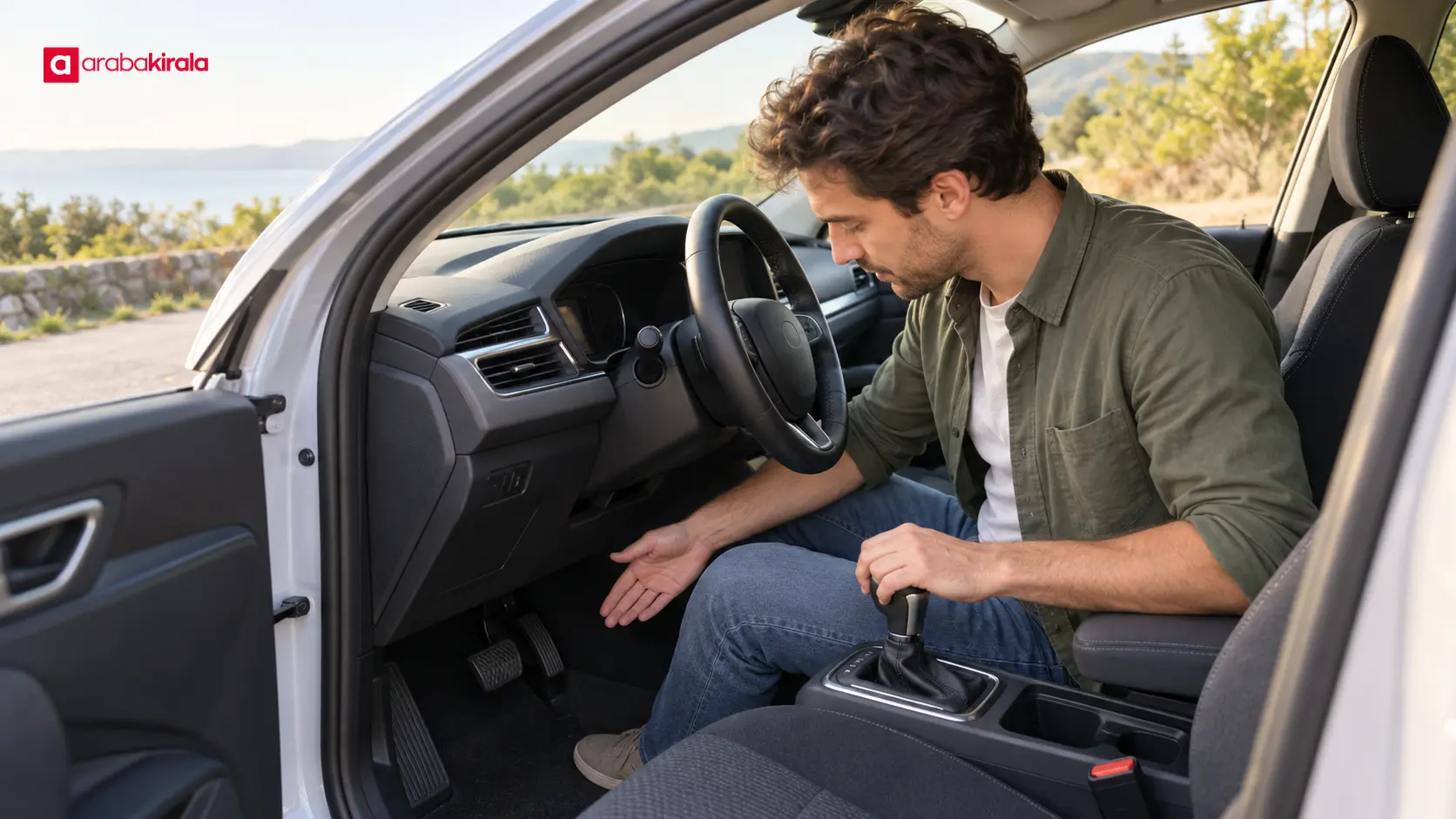
Start with the system you can use comfortably. If you drive manuals regularly and are confident with clutch control, a manual may feel familiar. If most of your everyday driving is in an automatic, choosing familiar controls can reduce the mental load during a trip. If you need to use an unfamiliar transmission, avoid making the first minutes of the journey a busy commute and take time to learn the controls at pickup.
If more than one person will drive, make sure each person can safely operate the selected transmission. Ask the branch you will rent from whether each driver needs to be recorded for the rental. This is a practical detail to confirm, not an assumption about company policy. Passenger numbers, luggage, and child-seat needs should be assessed separately from transmission; consider vehicle size and equipment alongside the route.
A short checklist before booking and pickup
- Describe the route: Estimate how much of it involves city stop-and-go traffic, highways, rural roads, and hills.
- Assess your real habits: Consider which transmission you use most and how comfortable you are adapting to another setup.
- Confirm the booking detail: Ask the relevant branch whether the requested transmission is available for your selected vehicle and location. Do not assume a specific class or transmission will be offered everywhere.
- Learn the controls: At pickup, identify the selector, parking position, handbrake or electronic parking brake, and dashboard alerts.
- Start in a calm setting: Adjust the seat and mirrors before moving, then get used to the brake and accelerator response in a safe area.
Safe driving points that apply to either type
Transmission is only one part of safe driving. Fasten your seat belt, adjust the mirrors, and check for pedestrians, cyclists, and other vehicles before moving. In an automatic, keep your foot on the brake while selecting a gear and follow the manufacturer's parking sequence. In a manual, learn how the car responds and avoid taking your attention off the road to change gears while moving.
If an unfamiliar warning appears on the dashboard or the selector behaves unexpectedly, stop in a safe place and consult the vehicle manual. Do not force a control you do not understand. Before leaving, clarify with the rental branch how existing damage is inspected and recorded, and what fuel and return arrangements apply. These are booking-specific details to confirm with the branch.
Make the decision in three steps
First, review traffic and slopes on your route. Next, identify which transmission you can use comfortably. Finally, confirm the requested type with the branch for your chosen location and learn the controls during pickup. Frequent urban stops and a preference to avoid clutch use may point toward an automatic; experience with manuals and a preference to select gears directly may favor a manual. The right choice is the one that matches your conditions and lets you drive safely.
Frequently Asked Questions
Why might an automatic be useful in city traffic?
The driver does not need to operate a clutch pedal or change gears repeatedly during stops. That can reduce control inputs in heavy traffic, though attention, safe spacing, and awareness of other road users remain essential.
Can a manual transmission work for a long trip?
It can suit a driver who operates a manual comfortably and safely. Also consider breaks, seat comfort, road gradients, and fatigue when planning a long journey.
Which transmission should I choose for a hilly route?
There is no single answer for every driver and vehicle. Clutch and gear control matter in a manual, while the selector and instructions for the particular model matter in an automatic. Learn the basic operation at pickup.
Can I be sure of the transmission when I reserve?
Check how options are shown during booking and confirm with the relevant branch. Do not assume a particular vehicle feature is available at every location.
What should I check if several people will drive?
Make sure everyone can safely operate the selected transmission. Ask the branch how the people who will drive should be identified in the rental record.
Legal Disclaimer: All content, articles and information on the Araba Kirala website are provided solely to inform users. No information shared on this website constitutes definitive advice or guidance. Araba Kirala Teknoloji A.Ş. and its authors cannot be held responsible for any direct or indirect damages arising from the application of information on the website. For all questions and requests regarding car rental, please contact the office from which you will rent your vehicle.