Rental Car Luggage: Visibility and Balance Guide
Published: November 28, 2026 • Reading Time: 6 min • Last Updated: November 28, 2026 • Author: Merve B.
Contents
- Why luggage placement affects driving
- Arrange luggage by weight and size
- Put heavy items low and toward the seatbacks
- Use lighter items to fill gaps
- Keep the driver's sightlines clear
- Secure items carried in the cabin
- Check vehicle fit and available equipment
- A quick check before driving
- Summary and next step
- Frequently Asked Questions
- Related Articles
Rental car luggage organization is about more than fitting bags into the trunk. The load should preserve the driver's view and reduce the chance that items will shift around the cabin. This guide covers how to arrange luggage by weight and size, keep the rear window and mirrors clear, secure belongings inside the cabin and inspect the load before setting off. Trunk shape and vehicle limits vary, so confirm vehicle-specific capacity with the branch where you will rent.
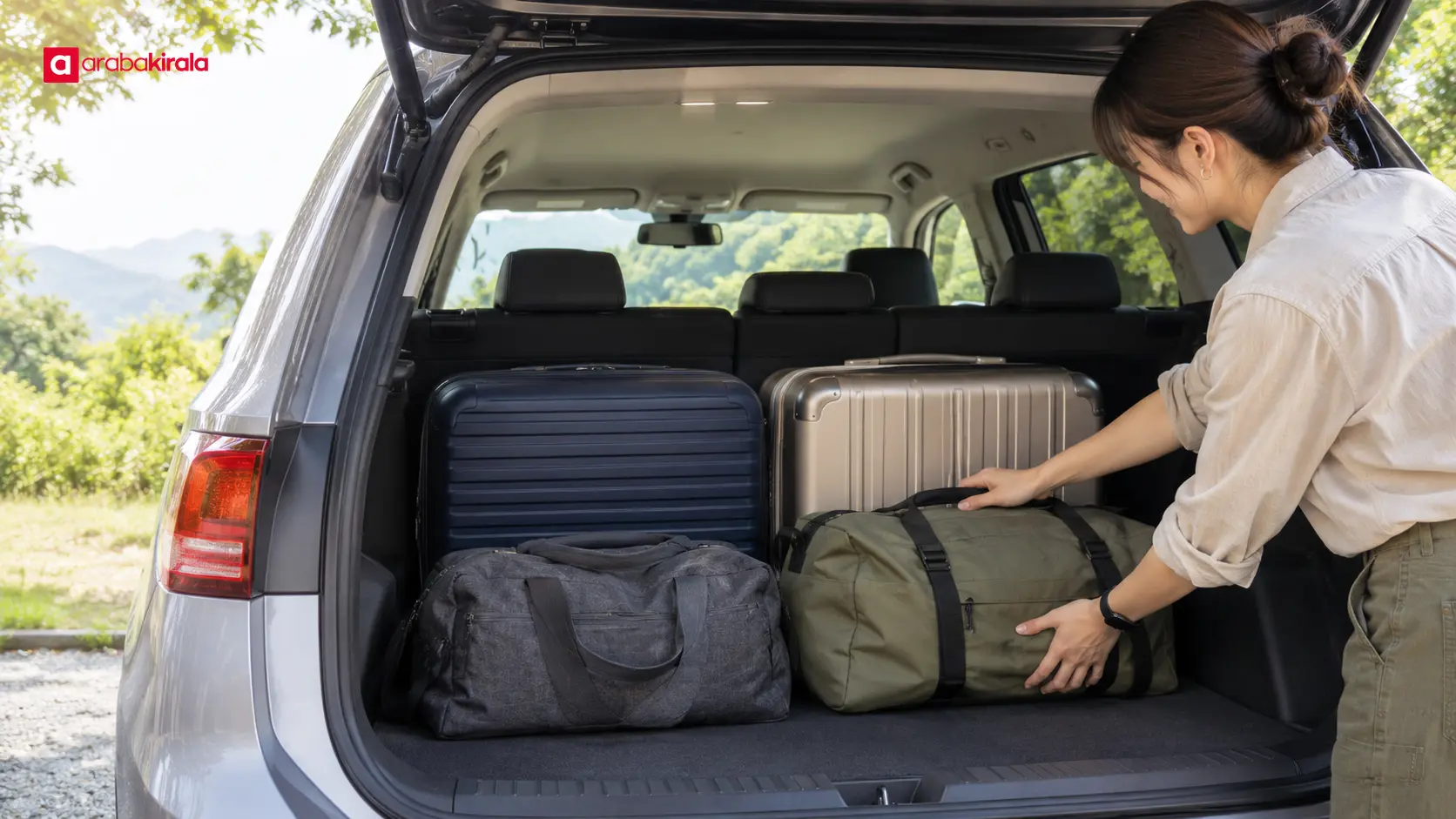
Why luggage placement affects driving
For Rental Car Luggage, the practical points below should be considered together. Luggage adds weight to the vehicle. A load piled heavily on one side can create an uneven distribution, while a tall, loose stack may move during cornering, braking or a sudden change of direction. Shifting items can distract the driver and damage belongings or interior trim.
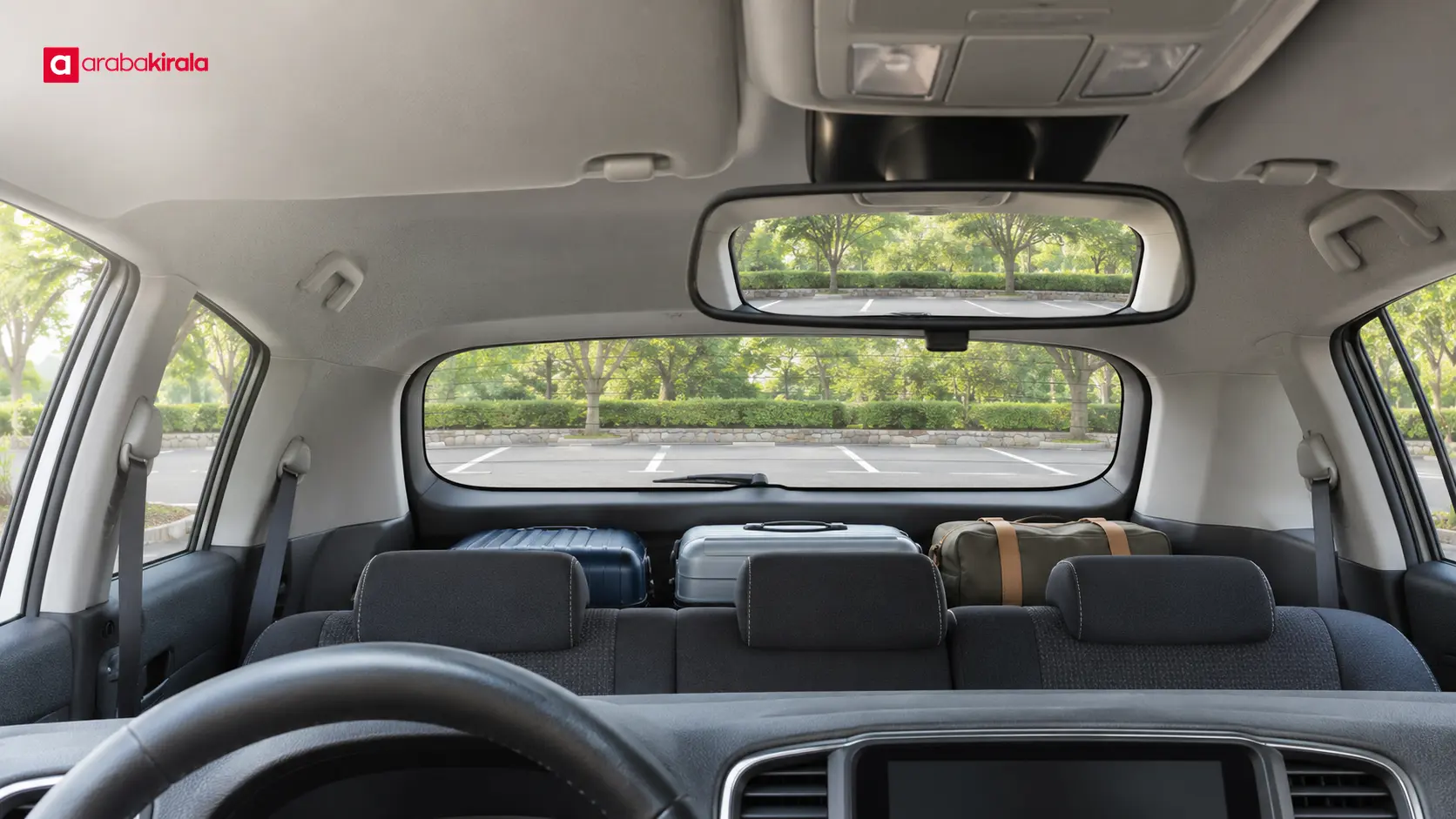
Visibility matters just as much. Suitcases that cover much of the rear window reduce what the driver can see in the rear-view mirror. Side mirrors remain useful, but monitoring traffic behind the car and judging space during maneuvers can become harder. Keep the load below the rear window sightline and leave the mirrors unobstructed.
Arrange luggage by weight and size
Put heavy items low and toward the seatbacks
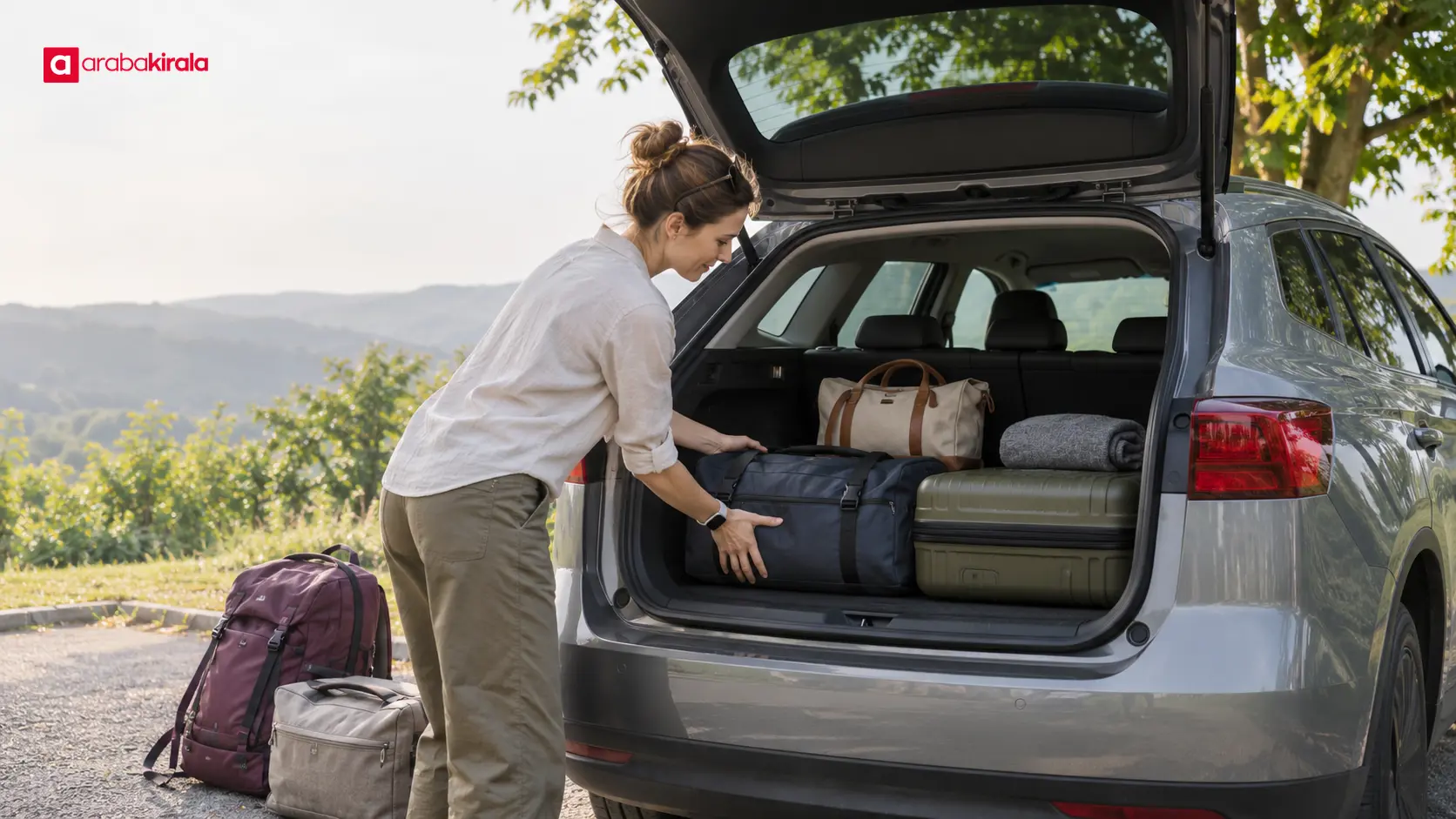
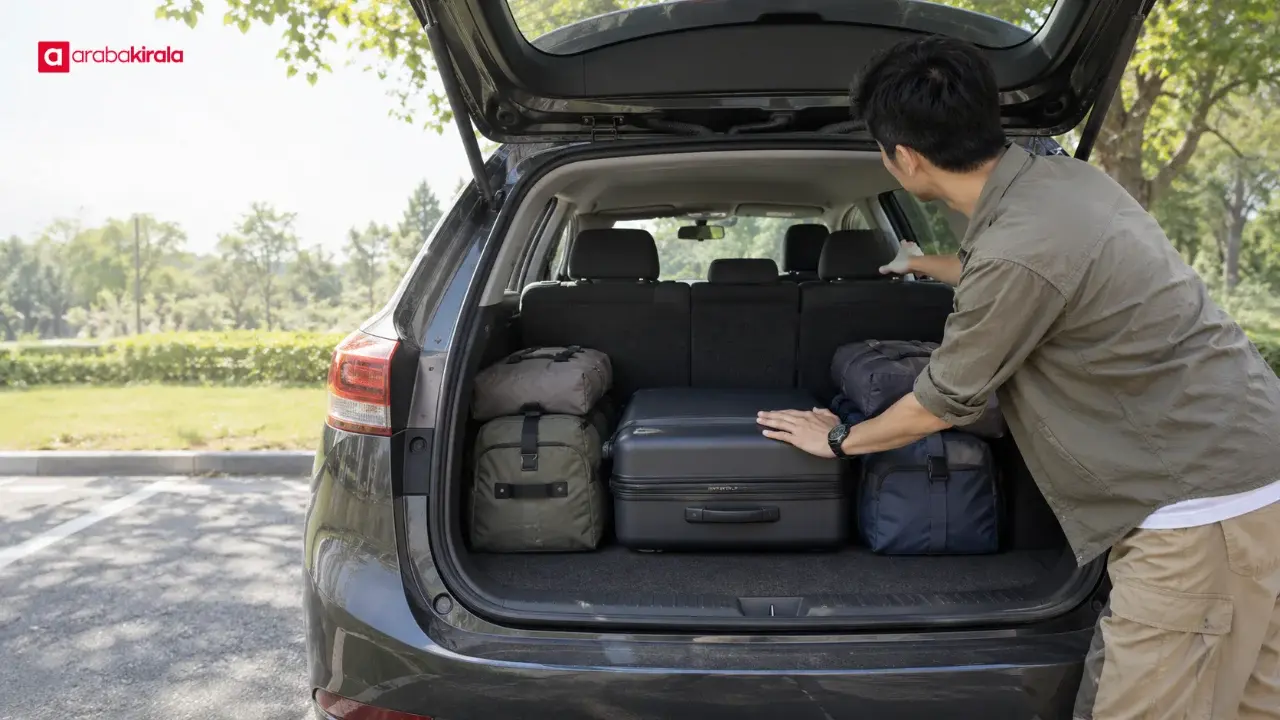
Place large suitcases, boxes or heavy equipment on the trunk floor. Positioning them close to the rear seatbacks, where space permits, leaves less room for them to slide forward. Avoid building a tall tower of heavy items; an upper bag can shift or fall.
Spread the load across the left and right sides instead of concentrating the heaviest pieces in one corner. A balanced floor layout makes the load more orderly, but it does not change the vehicle's stated carrying limits. Check the owner's manual or ask the rental branch about the vehicle's limits.
Use lighter items to fill gaps
Soft bags, coats and similar light items can fill small gaps. Place them where they help limit movement rather than piling them high on top of heavy luggage. Protect fragile belongings from pressure, and separate sharp or hard objects so they do not puncture other bags.
Check that the hatch closes without pressing against the load. A closed hatch does not prove that the luggage is arranged properly. If an item protrudes into the closing area or the hatch needs force, rearrange the load rather than forcing the mechanism.
Keep the driver's sightlines clear
A stack that rises above the rear window sightline can restrict visual checks, especially when reversing or changing lanes. Keep the luggage below the lower edge of the rear glass where possible. Take account of the rear headrests or any fixed partition that may also affect the view from the driver's seat.
Before departure, sit in the driving position and adjust the rear-view and side mirrors as usual. Check that luggage does not block the view in any of them. Repeat the check after changing the load; even a small bag can affect the rear window area or a mirror angle.
Secure items carried in the cabin
Putting bags on the rear seat may seem convenient when the trunk is full, but unsecured objects can move forward during hard braking. Do not leave heavy, sharp or rigid items loose on a passenger seat. If an item must travel on a seat, make sure it is positioned safely and use any designated restraint points as intended. Do not treat a seat belt as a cargo tie-down.
Keep everyday items such as phones, bottles and small bags away from the pedals, gear controls and the driver's sightlines. An object that slides onto the floor could interfere with pedal movement. If something needs repositioning, stop in a safe place rather than rearranging luggage while the vehicle is moving.
Check vehicle fit and available equipment
Trunk volume and load limits differ by vehicle. Body shape, seat position and the trunk floor all affect usable space. When booking, describe the number and size of your bags and ask whether the selected vehicle can accommodate them. For a specific capacity or permitted-load figure, request vehicle-specific information from the rental branch.
Tie-down points, a cargo cover or a divider net may not be available in every vehicle. Find out whether the car has them and how they are meant to be used before loading. Do not plan around equipment you have not confirmed. If there is a cargo cover, do not place luggage on it where it blocks the driver's view.
A quick check before driving
- Are heavy items on the trunk floor and, where practical, close to the seatbacks?
- Is the load spread across both sides, with loose items unlikely to slide?
- Can you see clearly through the rear window and all mirrors from the driver's seat?
- Does the hatch close without force or pressing on the luggage?
- Are cabin belongings clear of the pedals and the driver's sightlines?
- Have you asked the branch about vehicle-specific load limits or restraints if needed?
A heavy load can affect the vehicle's response. If a warning light appears or you notice an unusual sound or behavior, stop in a safe place, follow the vehicle's instructions and contact the branch where you rented. If the load needs reducing or redistributing, do so only while the car is fully stopped.
Summary and next step
Good luggage placement keeps heavy items low and toward the seatbacks, spreads weight across the trunk, limits loose objects and preserves visibility. Group your belongings before the trip, check that they fit the vehicle and inspect the mirrors from the driver's seat. If you need a definite answer about capacity, restraints or a vehicle-specific load limit, ask the rental branch during booking or pickup.
Frequently Asked Questions
Where should I put heavy suitcases in a rental car?
Place heavy cases on the trunk floor, as close to the seatbacks as practical, and distribute them across both sides. Avoid stacking them into a tall pile.
Is it safe to fill the trunk up to the roof?
A high load can block the rear view and give items more room to shift. Keep the sightline clear and use a cargo cover or divider only for its intended purpose.
If the hatch closes, does that mean the luggage is packed correctly?
No. Items can press against the hatch, become wedged or obstruct the rear window. Check that the hatch closes easily and that the mirrors and rear view remain clear.
Can I carry a bag on the rear seat?
Loose bags can move during braking. Use the trunk where possible; if an item must be in the cabin, position it so it does not obstruct the driver's view or pedal area and secure it appropriately.
How can I find out the trunk capacity?
Capacity and load limits depend on the vehicle. Ask the rental branch about the specific car during booking or pickup. Sharing the dimensions and number of larger items can help clarify whether they will fit.