Rental Car Parking Damage: What Should You Record?
Published: November 6, 2026 • Reading Time: 6 min • Last Updated: November 6, 2026 • Author: Merve B.
Learn how to document damage found on a parked rental car with photos, location and timing notes, and a clear report to the rental branch.
Contents
- Start with safety
- What information should you record?
- Location and appearance of the damage
- Place and time of discovery
- Photos and video
- Make the photo record easy to understand
- Write a concise incident note
- Report it and keep handover records
- Avoid common documentation mistakes
- Summary and next step
- Frequently Asked Questions
- Related Articles
A rental car parking damage record should make clear what you noticed, where the vehicle was, and when you discovered the damage. This guide explains how to document the visible condition safely, take useful photos, note the location and timing, and report the issue in an orderly way. The aim is to preserve observable facts, not guess how the damage happened.
Start with safety
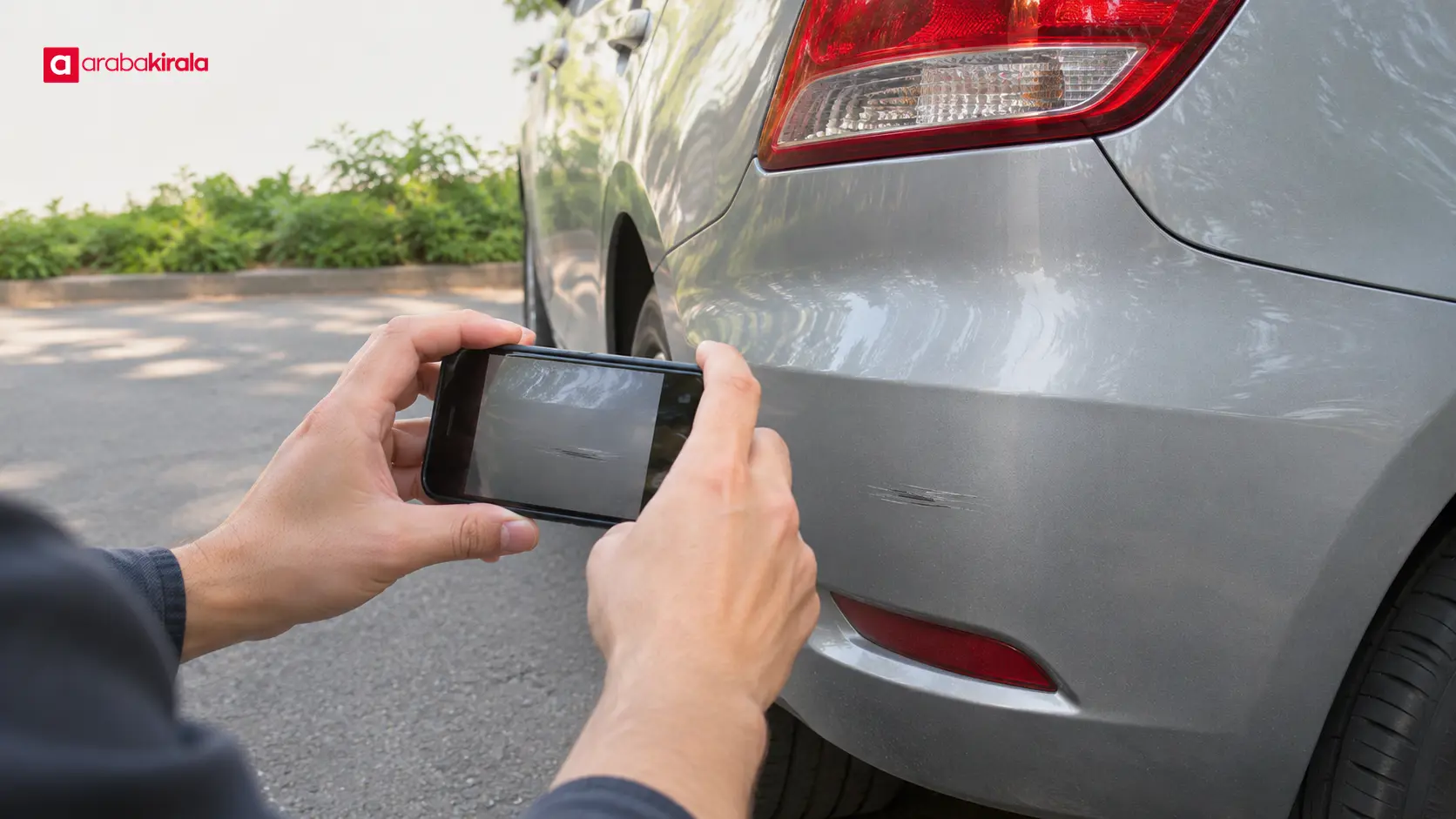
For Rental Car Parking Damage, the practical points below should be considered together. If traffic, a confined parking space, or another hazard makes it unsafe to inspect the car, move to a safe place first. Do not block vehicles or step between moving cars to take pictures. If the damage appears to create an immediate safety concern, avoid continuing to drive and contact an appropriate source of assistance.
Even damage that looks minor deserves attention if a part is loose or hanging, a light is broken, visibility is affected, or a tire appears damaged. These conditions can affect safe use. If you are unsure whether the car can be driven safely, call the rental branch and ask for direction.
What information should you record?
Location and appearance of the damage
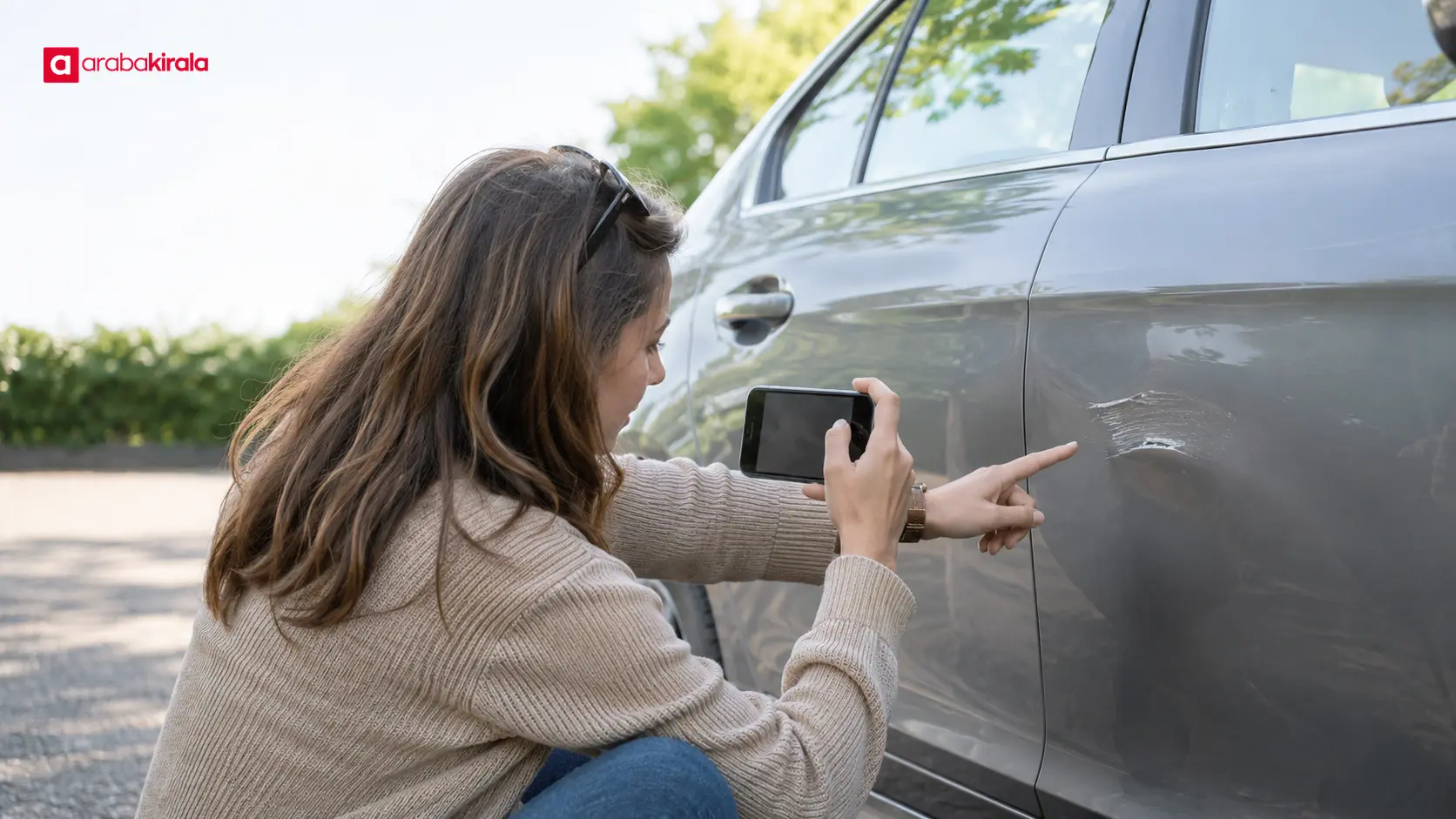
Identify the area on the vehicle, such as the right rear bumper, left front door, or a wheel. Describe what you can see: a scratch, dent, crack, or broken component. If you did not witness the event, do not state a cause as fact. A note such as “dent noticed while the car was parked” distinguishes observation from assumption.
Place and time of discovery
Record the parking location as precisely as you reasonably can, including an address or recognizable place, parking level, and nearby landmark. Note the date and approximate time you discovered the damage. If you remember when you last saw the car without the damage, record that separately; it is not necessarily the time the damage occurred.
Keep location notes within what you are authorized to access, and do not seek other people’s private information. A parking receipt or record from an app you used may help clarify the timeline, so retain relevant records that belong to you.
Photos and video
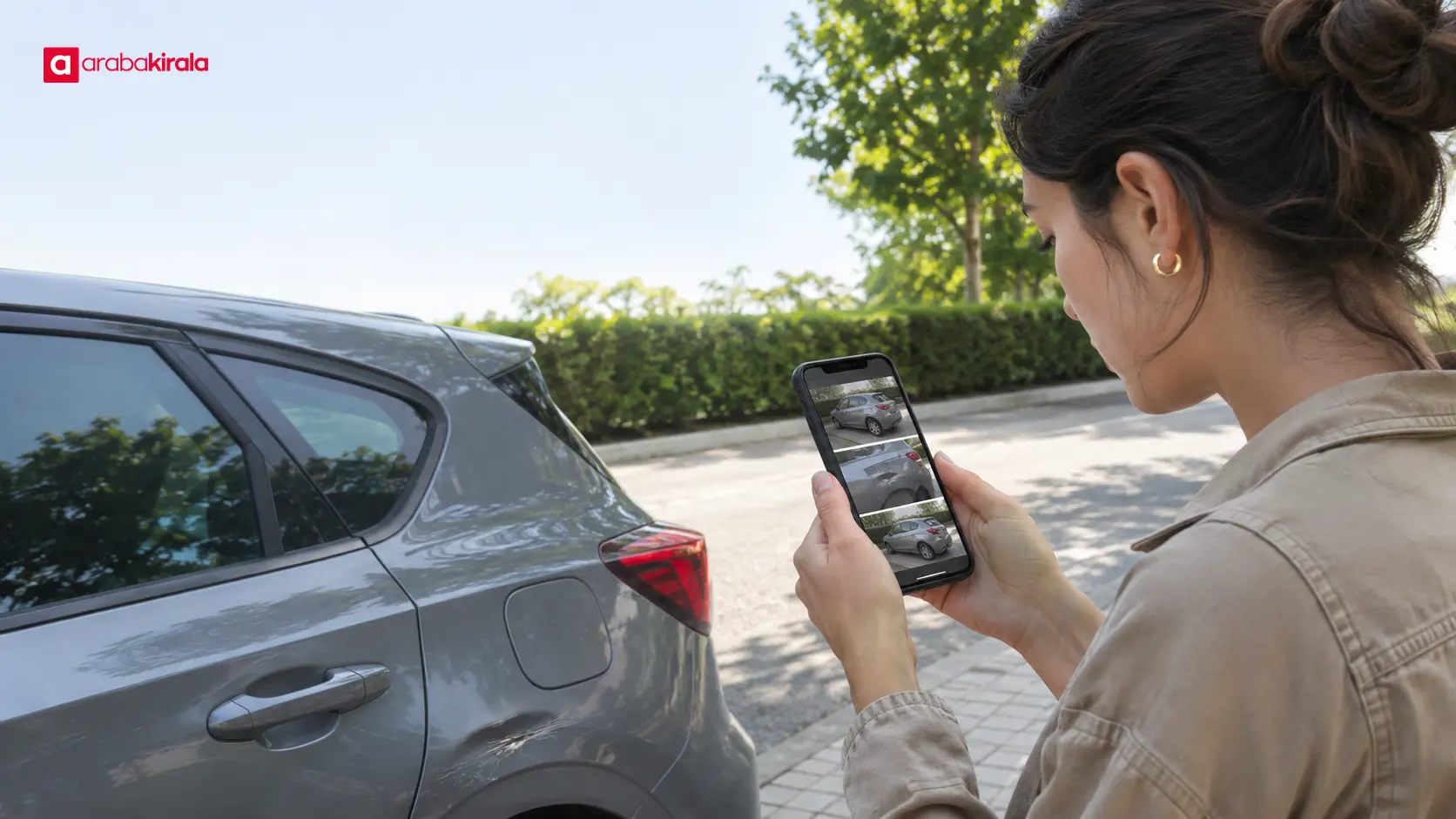
Take a wide shot showing the whole car and its parking surroundings. Then photograph the affected panel, followed by a close view of the scratch, dent, or other detail. Include an angle that makes the damaged area’s position on the vehicle clear. If glare obscures the surface, change the angle or use available natural light.
Do not move parts, clean the area, or use an unrelated object as a measuring tool just to improve the picture. Keep the original image files. Copies with arrows or captions can help explain a photo, but they do not replace the original. If you make an annotated copy, retain the unedited file too.
Make the photo record easy to understand
- Use a wide view to show the car in its parking context.
- Show the damaged area together with its position on the body.
- Add a close image that captures the surface detail clearly.
- Take another angle only when it adds useful context.
- Keep the original capture date and time information intact.
The purpose of a photo is to communicate the visible condition, not make it look more or less serious. Light, shadow, and reflections can change how a scratch appears. A combination of context, panel, and detail views is more informative than one close-up by itself.
Write a concise incident note
Keep the note chronological: where the car was parked, when you returned, when you first noticed the damage, when you took photos, and whom you notified. Separate what you know from what you do not know. If you did not see a collision, “dent found on the right rear area” is more accurate than saying another vehicle struck it.
If a witness saw the event, ask whether they are willing to share contact details; do not pressure them or record them without permission. If you spoke with parking staff or security, note the approximate time and any reference information they provided. Do not assume camera footage exists; ask the relevant location about access and retention if applicable.
Report it and keep handover records
After you have documented the damage and are safe, contact the rental branch promptly. Ask which channel to use for the report and photos. Provide the vehicle details, location, discovery time, and a short description. Keep the date of your call or message and any reference number you receive, and confirm that your images were delivered.
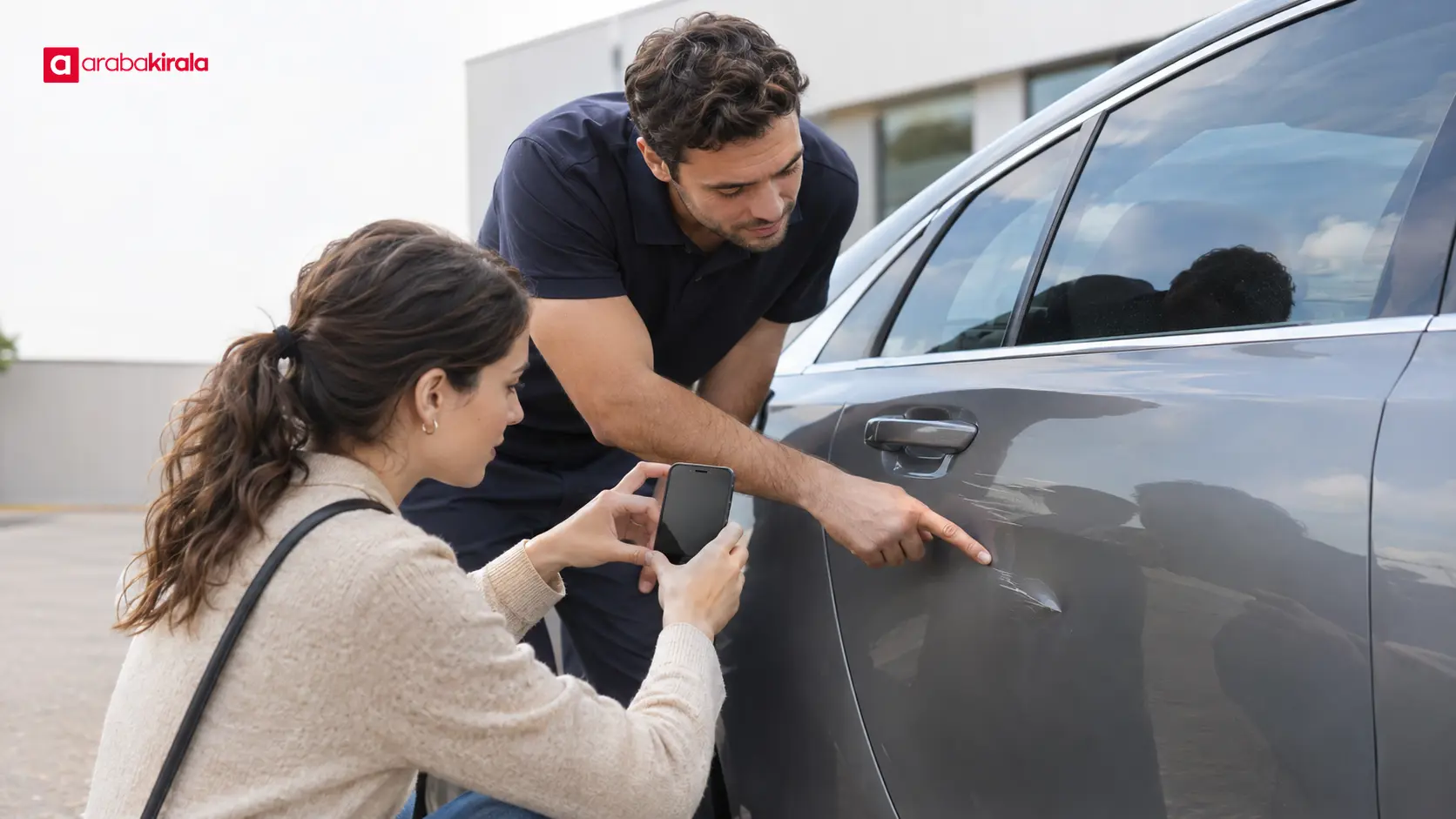
At vehicle handover, check how the existing damage is recorded. If a damage form, handover document, or digital record is presented, compare its description with what you observed. Ask for an explanation of any unclear wording before signing, and request a copy or digital image for your own records.
Details such as the reporting channel, whether you may continue using the vehicle, and how an inspection or handover proceeds can depend on the rental arrangement and branch. Ask the branch you are renting from about those specifics instead of assuming one process applies everywhere.
Avoid common documentation mistakes
- Taking only a close-up that does not show where the damage is on the car.
- Presenting an unobserved cause as certain.
- Waiting until return to report damage you have already found.
- Keeping the only copy of the photos in a messaging app.
- Deleting original images after cropping or annotating them.
- Signing a form without reading it or asking about unclear terms.
You can organize the record in a folder by date, with the photos, incident note, and messages with the branch together. This makes it easier to recall what was recorded and when. Share only information needed to describe the issue, and avoid unnecessary disclosure of other people’s images or personal details.
Summary and next step
When you find parking damage on a rental car, first make sure you are safe. Record the location and appearance of the damage, where the car was parked, and when you noticed it. Take context, panel, and detail photos, then write a short note that separates observation from guesswork. Contact the rental branch and ask directly about reporting and handover details. An organized record helps you explain what you found and review the vehicle condition documents carefully.
Frequently Asked Questions
Which photo should I take first after finding parking damage?
Start with a wide photo that shows the vehicle and its parking context. Follow with separate photos that identify the damage’s position and surface detail. Do not take photos from a place that puts you at risk.
What should I write if I do not know when the damage happened?
Record the times you do know, such as when you last saw the vehicle and when you discovered the damage. Do not guess the time or cause and present it as established fact.
When should I report the damage to the rental branch?
Contact the branch promptly after discovering the damage and making sure you are safe. The reporting channel and next steps may be specific to the branch, so ask them directly.
Can I edit damage photos?
You can create a copy with notes for clarity, but keep the original files unchanged. The originals help preserve the initial image and its capture information.
What if the damage is missing from the handover form?
Point it out to the staff member and ask for the visible condition to be recorded. Ask what unclear wording means before signing, and retain a copy of the record you receive.
Related Articles
- What to Check in a Rental Agreement Before Taking a Car Abroad
- How to Save a Rental Car’s Parking Spot and Floor
- EV Charging Connection: Indicators to Check When Starting and Stopping
Legal Disclaimer: All content, articles and information on the Araba Kirala website are provided solely to inform users. No information shared on this website constitutes definitive advice or guidance. Araba Kirala Teknoloji A.Ş. and its authors cannot be held responsible for any direct or indirect damages arising from the application of information on the website. For all questions and requests regarding car rental, please contact the office from which you will rent your vehicle.
 Add ArabaKirala as a preferred source on Google