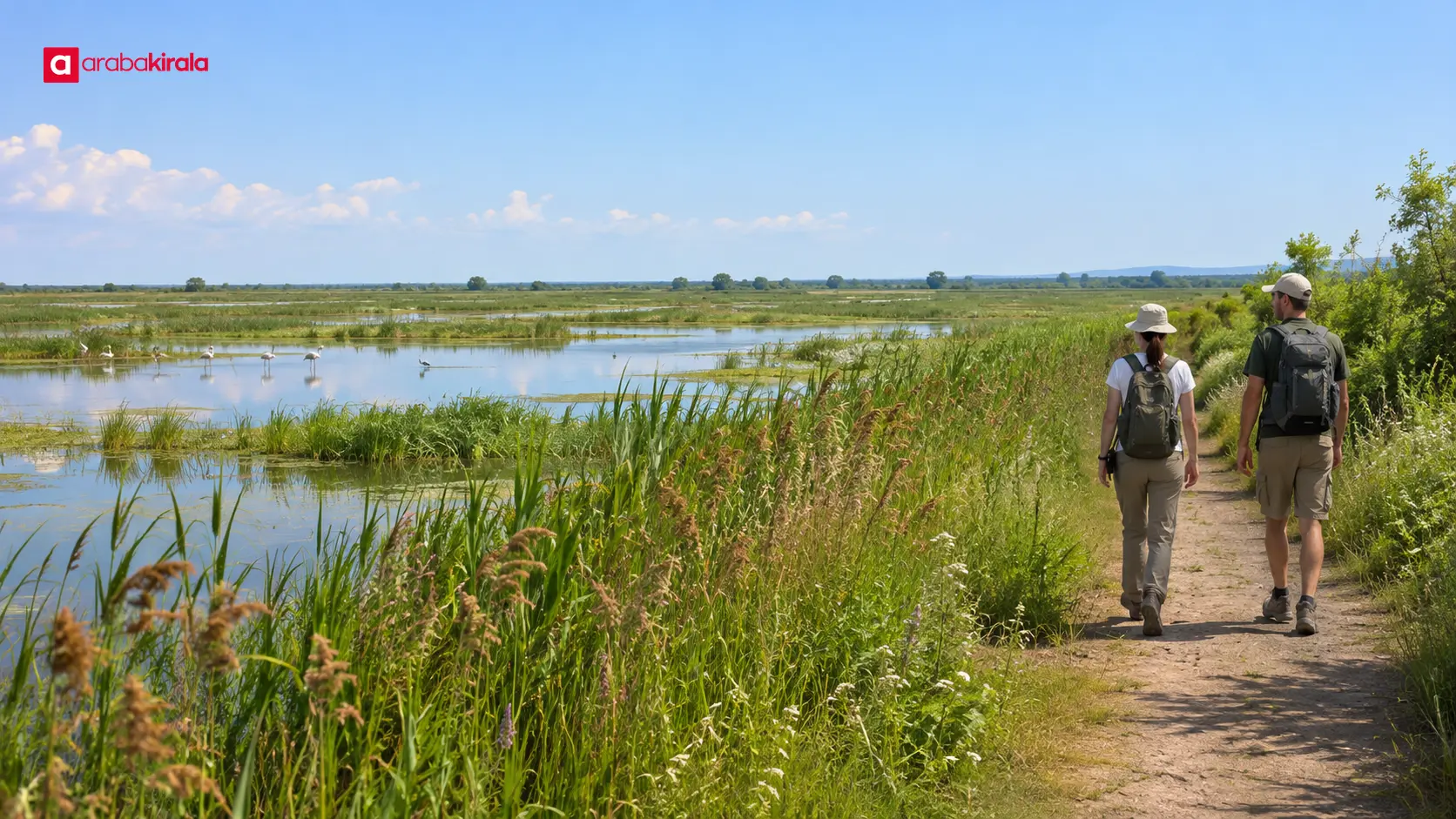
Summer Birdwatching in the Kızılırmak Delta: Heat and Sites
Published: November 13, 2026 • Reading Time: 6 min • Last Updated: November 13, 2026 • Author: Merve B.
Contents
- When are the more comfortable hours for summer birdwatching?
- How to choose places to visit in the delta
- How to behave at a birdwatching spot
- Staying comfortable and safe in hot weather
- Practical preparation for better birdwatching
- A short checklist before your visit
- In summary: choose a cool hour and give wildlife space
- Frequently Asked Questions
- Related Articles
Summer birdwatching in the Kızılırmak Delta calls for a plan that accounts for heat, the character of the wetland you want to visit, and the need to leave birds undisturbed. This guide explains how to make use of cooler hours, adjust your pace in hot weather, and check practical route information before you go.
When are the more comfortable hours for summer birdwatching?
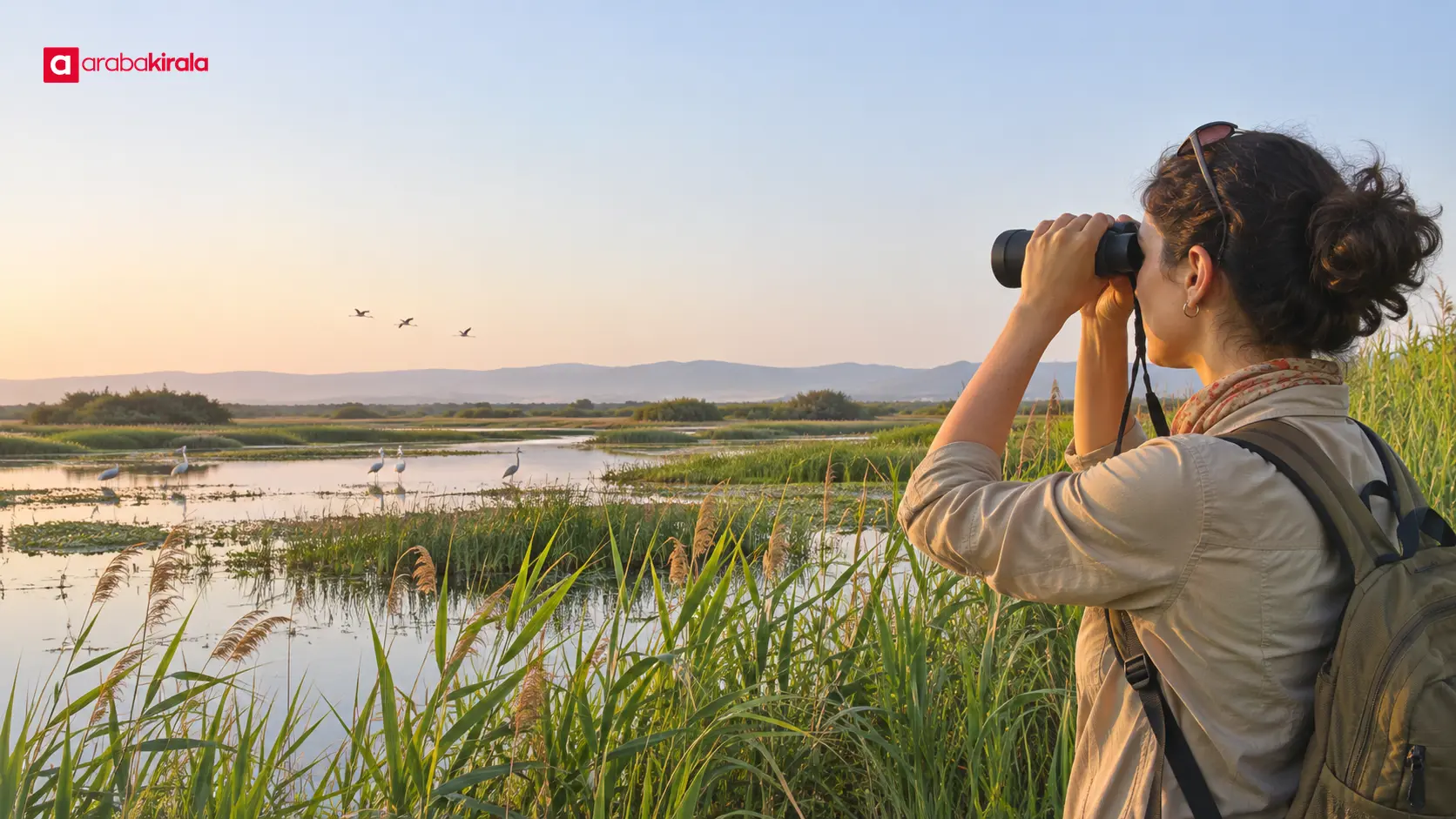
The early part of the day is often cooler and more comfortable for walking. Starting in the morning can leave time for observation before the midday heat becomes pronounced, while also making it easier to schedule rest breaks. Weather varies from day to day, so check the current forecast for temperature and rain before setting out.
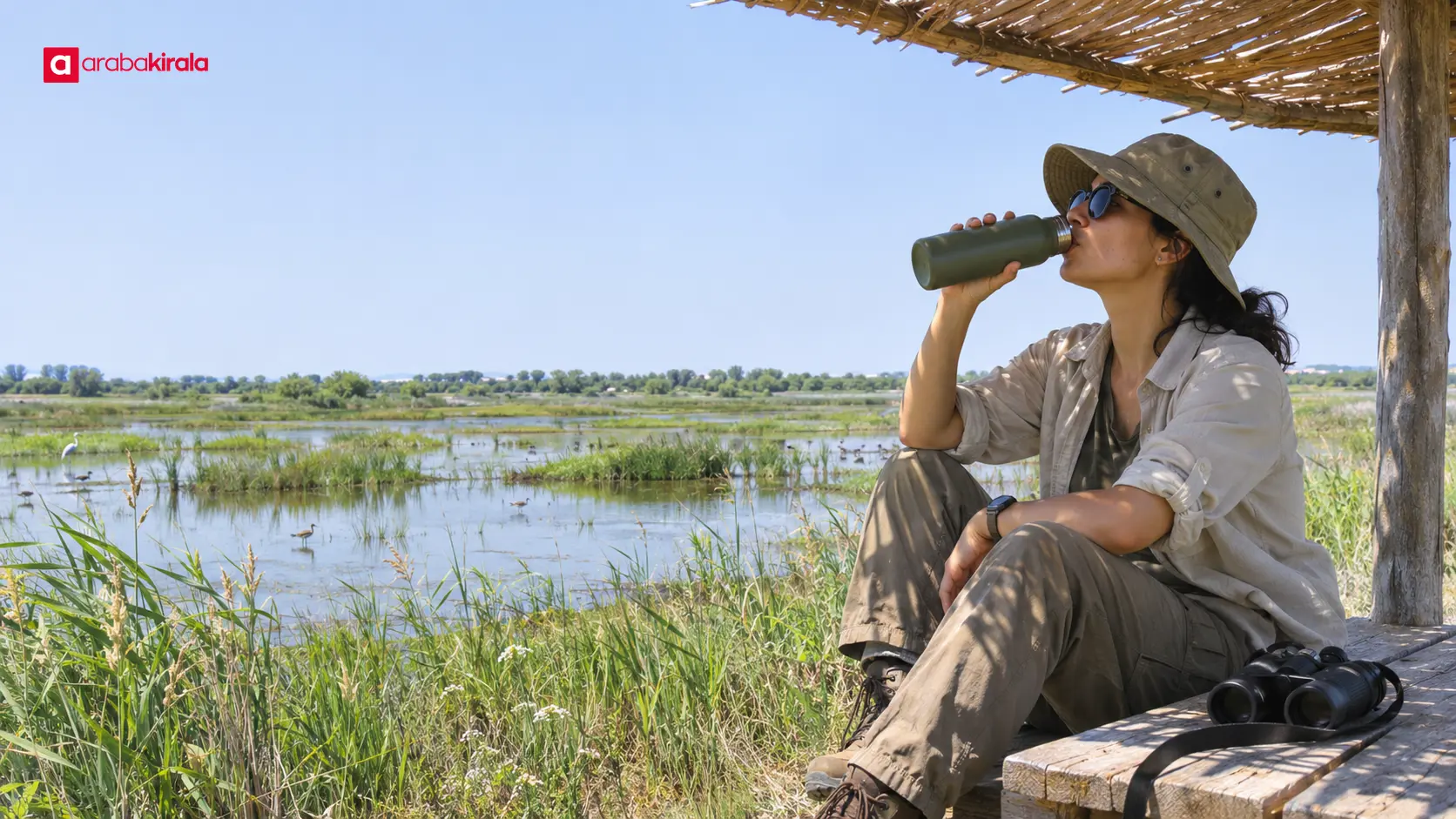
Spending a long time in direct sun around midday can be tiring. Use that period for a shaded break, drinking water, and deciding how to approach the next part of your visit rather than pushing through a long walk. Late afternoon may also offer a cooler window, depending on conditions; allow for fading daylight and check the operating hours of the area you plan to visit.
How to choose places to visit in the delta
The Kızılırmak Delta is a large area with different wetland and natural habitats. Each location may have different views, walking conditions, and opportunities for observation. When choosing a route, find out about access, walking distance, shade, ground conditions, and which areas are open to visitors that day.
A route that looks short on a map may feel more demanding in direct sun or on uneven ground. It helps to check the start and end points, where you can leave a vehicle, and what signs or landmarks can help with navigation. For current information about access or whether a particular visitor area is open, contact the relevant local visitor information office.
How to behave at a birdwatching spot
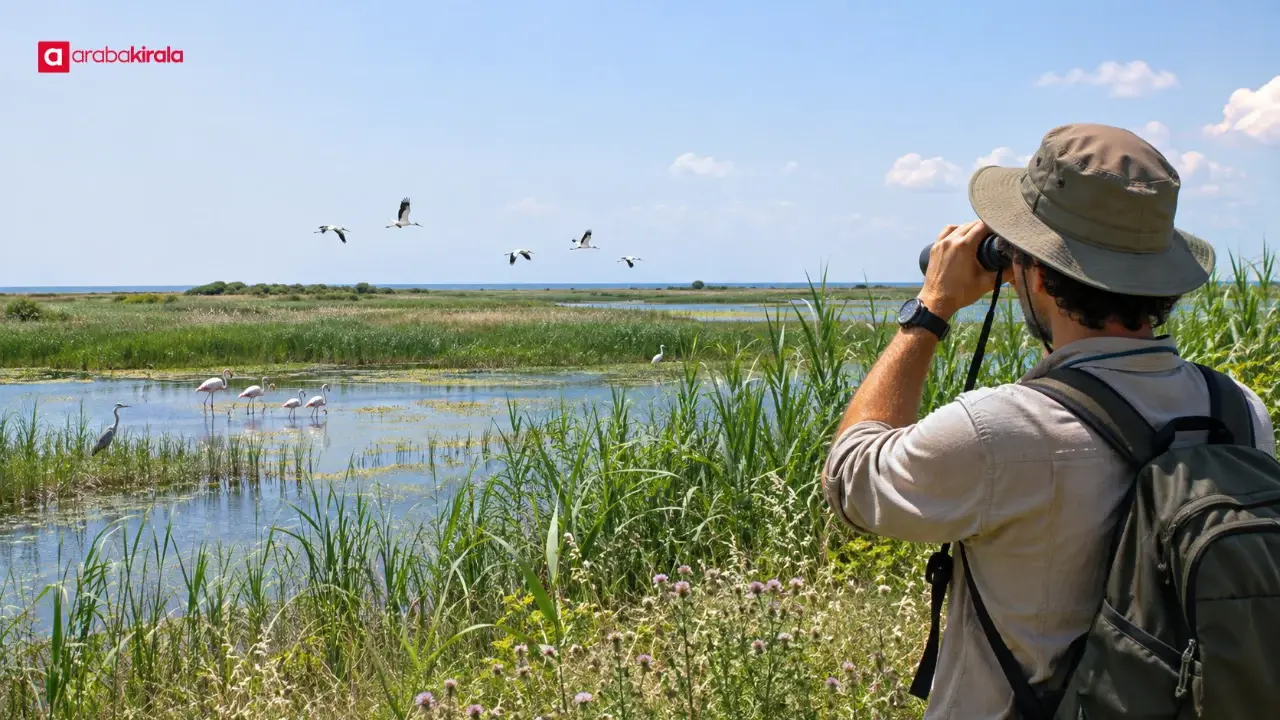
You do not need to approach birds to see them. Binoculars, quiet observation, and leaving birds room to move make it easier to watch without interrupting their natural behavior. Keep away from nests, young birds, and resting areas. Birds changing direction or calling an alarm may indicate that they are being disturbed.
Stay on designated paths and out of vegetation. Feeding birds, playing recorded calls to attract them, or following them for photographs are not considerate ways to observe wildlife. Conservation signs and instructions from field staff should guide where visitors may go and how they should behave.
Staying comfortable and safe in hot weather
Even a short walk can become tiring under the summer sun. Choose light, breathable clothing, a hat and sunglasses for sun protection, and comfortable shoes suited to the ground. Sun protection is part of personal preparation. Think about your water needs before you begin, and plan breaks before you feel thirsty.
If shade is limited or temperatures are high, shorten the route, postpone your walk until a cooler time, or choose another day. If you develop dizziness, nausea, unusual weakness, or confusion, stop walking and move to a cooler place; seek emergency help when needed. Do not delay getting help for serious heat-related symptoms.
Carry enough drinking water, a charged phone, a small first aid kit, and any personal medication you may need. Consider phone coverage, since a continuous connection cannot be assumed at every point in the delta. Take appropriate precautions against insects. Taking food packaging and other waste with you helps keep the area clean.
Practical preparation for better birdwatching
Binoculars help you see details on distant birds, but first scanning the landscape with the naked eye can help you find movement. Reed edges, open water, and shorelines each provide a different view. Staying still at one spot and listening carefully can make subtle activity easier to notice.
A small notebook can help you record the date, time, weather, habitat, and noticeable features of birds you see. If you are unsure of a species, do not record a guess as a confirmed identification. Notes on color, size, behavior, and surroundings are more useful. Avoid approaching nests or resting places to take photographs.
If you are visiting with others, set a pace that works for the slowest walker. A quiet, small group can hear the surrounding sounds more easily during observation. When visiting with children, explain in advance that they should stay on designated paths and never chase wildlife.
A short checklist before your visit
- Check the forecast and the hottest hours; plan your walk for cooler periods.
- Confirm that your chosen area is open to visitors and check current access information.
- Pack water, a hat, sun protection, comfortable shoes, a phone, and binoculars.
- Consider the route surface, distance, shade, and places where you can rest.
- Stay on designated paths and keep away from birds, nests, and natural habitats.
In summary: choose a cool hour and give wildlife space
Good preparation for summer birdwatching in the Kızılırmak Delta means prioritizing cooler hours, selecting a visitor area based on current conditions, and choosing a pace that suits the heat. Binoculars and field notes can enrich the experience, while quiet and distance help protect birds’ natural behavior.
As a next step, confirm access and route information for your chosen area, check the forecast, and prepare the essentials. If you are travelling by car, ask the branch you plan to rent from about reservation-specific details such as pickup and reaching the delta.
Frequently Asked Questions
Is morning a good time to visit the Kızılırmak Delta for birdwatching in summer?
Early morning is often cooler, making it easier to plan walking and observation time. Late afternoon may also be suitable depending on the day; check the forecast and the visitor area’s hours.
Are binoculars essential for birdwatching?
Binoculars make it easier to examine distant birds, but they are not required. Without them, stay at a safe distance, scan the surroundings, and note birds’ shapes and movements.
Is it appropriate to approach or feed birds in the delta?
No. Feeding birds, approaching nests, or following birds for photographs can disrupt their natural behavior. Stay on designated paths and observe from a distance with binoculars.
How should I plan a walk in hot weather?
Choose cooler hours, check the route and shade in advance, and carry water and sun protection. If it is excessively hot or you feel unwell, stop walking and move to a cooler place.
Where can I find out which visitor areas are open?
Access and visitor information can change, so check current notices from the relevant local visitor information office before leaving. Contact the office directly with questions about a particular route or access.