Extend Vehicle Life with Preventive Maintenance Data

Published: November 4, 2026 • Reading Time: 7 min • Last Updated: November 4, 2026 • Author: Merve B.
Learn how service records, mileage, alerts and condition checks help spot wear early and plan vehicle maintenance more effectively.
Contents
- What counts as preventive maintenance data?
- Which information helps guide maintenance?
- Mileage and dates
- Dashboard alerts and diagnostic codes
- Condition checks and measurements
- How data can help a vehicle last longer
- Practical steps for using maintenance data
- Understand the limits of vehicle data
- Maintenance data when renting a car
- Summary and next step
- Frequently Asked Questions
- Related Articles
- Sources
Vehicle preventive maintenance data helps owners understand when a vehicle may need inspection or service before a component fails. This guide explains how to read mileage and service records alongside dashboard alerts, diagnostic codes and usage patterns. You will also see where data is useful, where it has limits, and how a consistent record can support a longer and safer service life. Data informs a maintenance decision; it does not replace the manufacturer’s schedule, expert inspection or safe driving.

What counts as preventive maintenance data?
Preventive maintenance means inspecting or servicing a vehicle before a fault develops, based on a planned interval or a condition indicator. Mileage shows how much the vehicle has been used and helps track distance based service intervals. Dated service records show what was checked or replaced previously, making it easier to understand the vehicle’s maintenance history.
The useful picture comes from several kinds of information together: date, odometer reading, dashboard alerts, driving conditions, fluid checks and technician observations. A series of records can reveal a change over time that one isolated reading cannot. The available data also varies by model: not every vehicle has the same sensors, connected features or diagnostic detail.
Which information helps guide maintenance?
Mileage and dates
Mileage tracking is a basic way to follow distance based items in the manufacturer’s maintenance schedule. Calendar based items may still matter when the car has covered few miles. For that reason, do not build a service plan from the odometer alone. Check the time and distance criteria in the vehicle’s owner’s manual and account for any notes about demanding use.
Keep service records with the date, mileage, work performed and parts replaced. Clear records help identify repeat needs and confirm what was actually done. Missing or approximate entries make it harder to interpret a maintenance history and can lead to unnecessary repeat work or a missed follow up.
Dashboard alerts and diagnostic codes
A vehicle’s electronics can detect readings outside expected ranges in certain systems and trigger a dashboard alert. A workshop diagnostic tool may retrieve trouble codes that point to an area for investigation. A code is not, by itself, a confirmed diagnosis or an instruction to replace a named part. A technician needs to assess it alongside the symptoms and physical checks.
Pay attention to the alert symbol and the explanation in the owner’s manual. If an alert affects driving or relates to safety, follow the manual and, when needed, stop in a safe place and seek professional help. Clearing a warning does not resolve the cause that triggered it.
Condition checks and measurements
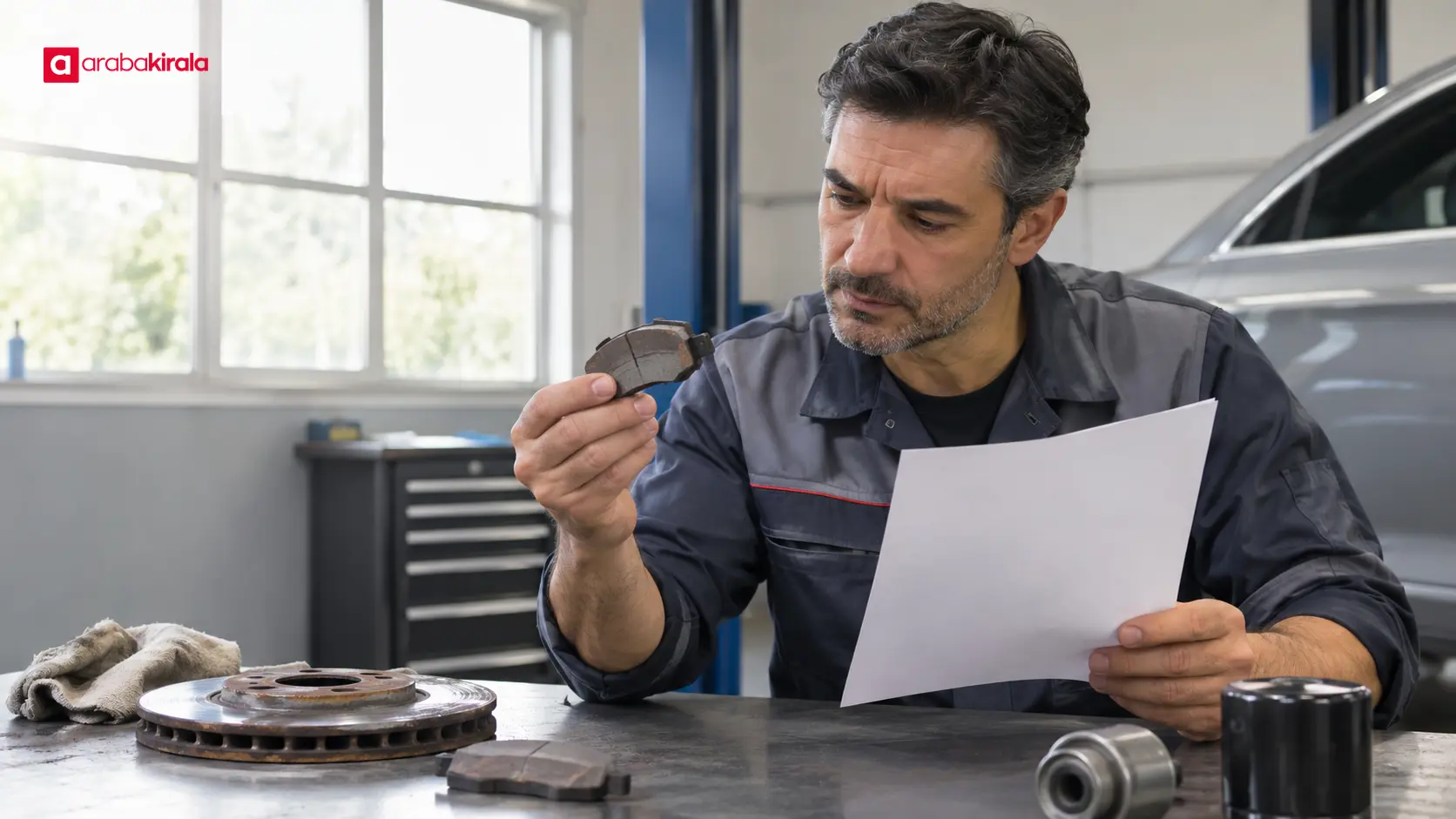
Brakes, tires, the battery and fluid levels are assessed through visual checks, measurements and professional inspection. Recording findings over time is more useful than keeping a single measurement because it can show a developing trend. For example, a tire that repeatedly loses pressure should be inspected for a leak or valve issue rather than treated only with repeated inflation.
The correct way to check engine oil, coolant and other items can vary by model. Follow the owner’s manual and its safety guidance. Opening a hot engine compartment or getting under a vehicle that has not been properly secured can be dangerous; leave such work to qualified professionals.
How data can help a vehicle last longer
Regularly reviewing records can bring a small change to attention before it goes unnoticed for a long period. Timely inspection may give a technician a chance to address a worn component before it places added strain on nearby parts. This does not mean every failure can be prevented or that the vehicle will last for a guaranteed number of years. Outcomes depend on the component, conditions and accurate diagnosis.
Good records can also help avoid unnecessary work. If a service entry shows that an item was recently addressed, you can ask a more specific question before authorizing the same work again. But one reading or a missing warning should not be used as a reason to postpone service. Consider the manufacturer’s plan, actual use and a qualified assessment together.
Practical steps for using maintenance data
- Keep a consistent log: Record date, mileage, work completed, parts involved and any recommended follow up in one place.
- Compare the log with the manual: Check calendar and distance intervals in the owner’s manual, including any guidance for demanding driving conditions.
- Record alerts with context: Note when a warning appeared and any accompanying sound or change in performance. For a safety related warning, use the manual and expert guidance to decide whether it is safe to continue.
- Watch for recurring findings: Tell the workshop about repeated fluid loss, pressure changes or a trouble code that returns.
- Ask what supports a recommendation: Find out which measurement or observation led to the proposed work, how urgent it is and when a follow up check should take place.

Understand the limits of vehicle data
Connected vehicle apps and remote diagnostics can report system information on some vehicles. Data coverage, transmission and analysis differ by vehicle and service. The absence of an alert in an app does not mean every component is in perfect condition. Mechanical wear or physical damage may not generate an electronic notification.
Vehicle data may also be associated with sensitive details such as location or usage patterns. Review the privacy information for the specific vehicle app to understand what it collects and how it is used. Share diagnostic reports only with people who need them, and ask a professional to explain technical terms before making a maintenance decision.
Maintenance data when renting a car
When you are driving a rental, your role is to notice and report symptoms rather than diagnose the vehicle. At pickup, check the dashboard for alerts, note the fuel or charge level and look over the visible condition of the car. The odometer reading in pickup and return records helps track the distance used and compare the two records.
If a warning light, unusual sound, vibration or change in performance appears during the trip, move to a safe place and contact the branch from which you rented. Ask that branch for model specific operating instructions and the available assistance process. Describe what you observed instead of attempting a technical repair yourself.
Summary and next step
Maintenance data brings together mileage, service history, warning codes and component measurements. Keeping it organized helps plan service, notice recurring symptoms and make a workshop conversation more specific. A useful first step is to find the owner’s manual and collect the date, mileage and work details from the most recent service in one record.
Frequently Asked Questions
How is preventive maintenance different from repair after a breakdown?
Preventive maintenance uses planned intervals or condition indicators to inspect or service a vehicle before a fault occurs. Repair after a breakdown addresses a problem that has already appeared. Preventive work can reduce risk, but it cannot guarantee that every failure will be avoided.
Does a diagnostic trouble code tell me exactly which part to replace?
No. A code usually points to a system or measurement area that needs investigation. A technician should consider it together with symptoms, measurements and physical inspection before deciding on a repair.
Does a car with low mileage still need time based service?
It may. Some maintenance items depend on time and conditions as well as mileage. Follow the schedule in the vehicle’s owner’s manual and do not assume that limited use automatically removes the need for service.
What should I keep in a vehicle maintenance record?
Keep the date, mileage, work performed, parts replaced and any recommended next check. Service documents or digital records can support these details and make the vehicle’s history easier to interpret.
What should I do if a warning appears in a rental car?
Follow the warning guidance in the vehicle’s manual and prioritize a safe place to stop if the alert affects driving. Contact the rental branch, explain the alert and symptoms, and follow its guidance instead of attempting a repair yourself.
Related Articles
- How Vehicle Maintenance Data Is Evaluated Across a Car’s Life Cycle
- How Automotive Production Data Supports Quality Tracking
- Automotive Recycling: What Happens to End-of-Life Vehicles and Parts?
Sources
Legal Disclaimer: All content, articles and information on the Araba Kirala website are provided solely to inform users. No information shared on this website constitutes definitive advice or guidance. Araba Kirala Teknoloji A.Ş. and its authors cannot be held responsible for any direct or indirect damages arising from the application of information on the website. For all questions and requests regarding car rental, please contact the office from which you will rent your vehicle.
 Add ArabaKirala as a preferred source on Google