Signs of a Weak Car Battery and Safe Checks

Published: November 19, 2026 • Reading Time: 6 min • Last Updated: November 19, 2026 • Author: Merve B.
Contents
- What the battery does and what “weak” means
- Changes in engine cranking
- What lights and electrical equipment can tell you
- Separating battery clues from other faults
- Safe observation and limits
- When to request a battery test
- Is it safe to keep driving when symptoms appear?
- A practical order for checking the clues
- Frequently Asked Questions
- Related Articles
This guide explains weak car battery symptoms, including changes in engine cranking, lighting, and electrical equipment. It also shows how these clues can overlap with other faults, what you can safely observe, and when a professional test is the sensible next step. The goal is to make a useful assessment without putting yourself or the vehicle at risk.
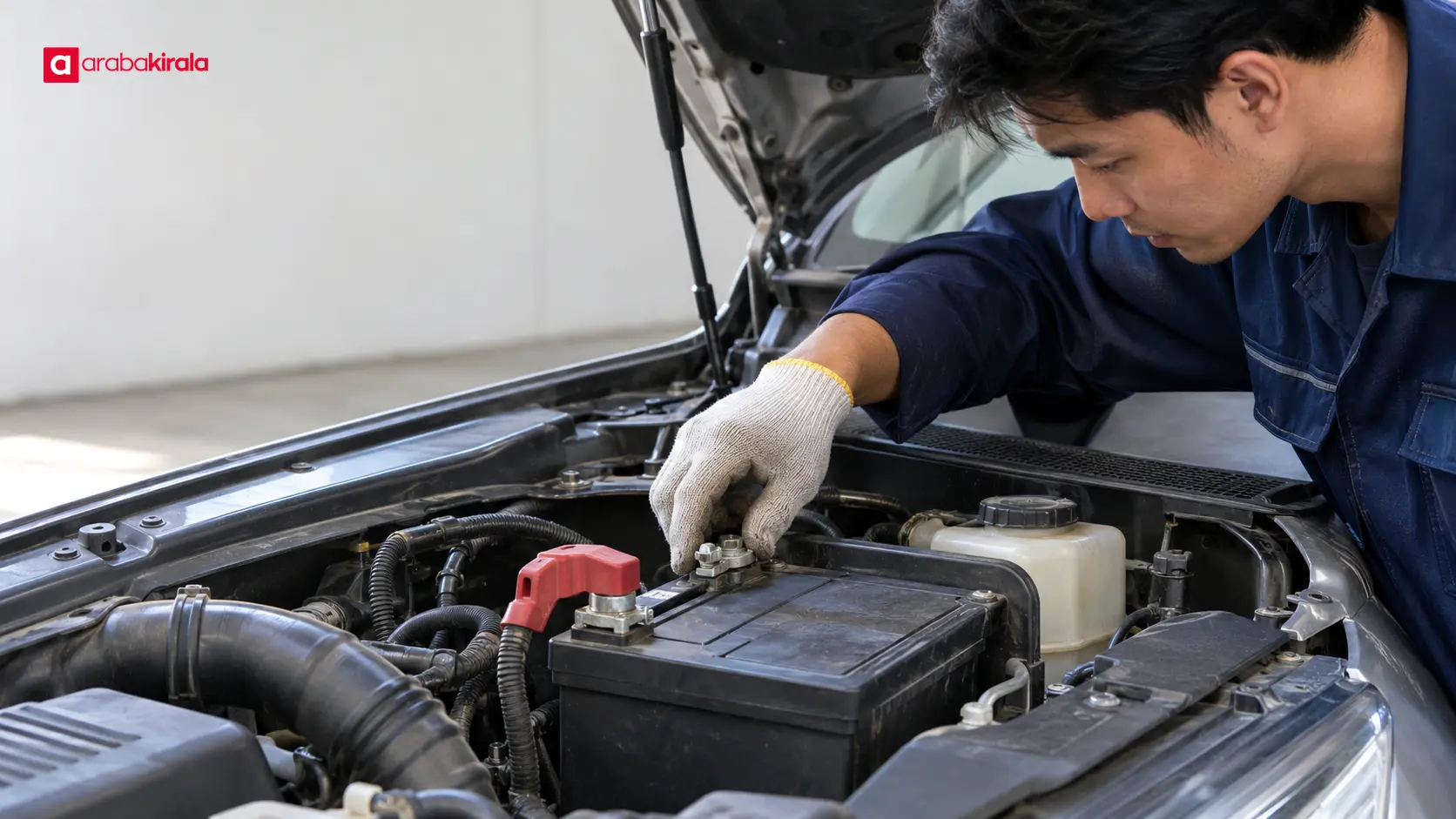
What the battery does and what “weak” means
A car battery supplies power to electrical systems while the engine is off and provides the initial power needed by the starting system. Once the engine is running, the charging system supplies much of the vehicle’s electrical demand and helps maintain the battery. When battery capacity declines, the first noticeable change often appears during starting.
A “weak battery” is not a diagnosis based on one symptom. The battery may be discharged, its capacity may have declined over time, or there may be a problem with a connection or the charging system. Cold conditions, long periods without use, and frequent short trips can affect how much opportunity the battery has to recharge. Consider several clues together.
Changes in engine cranking
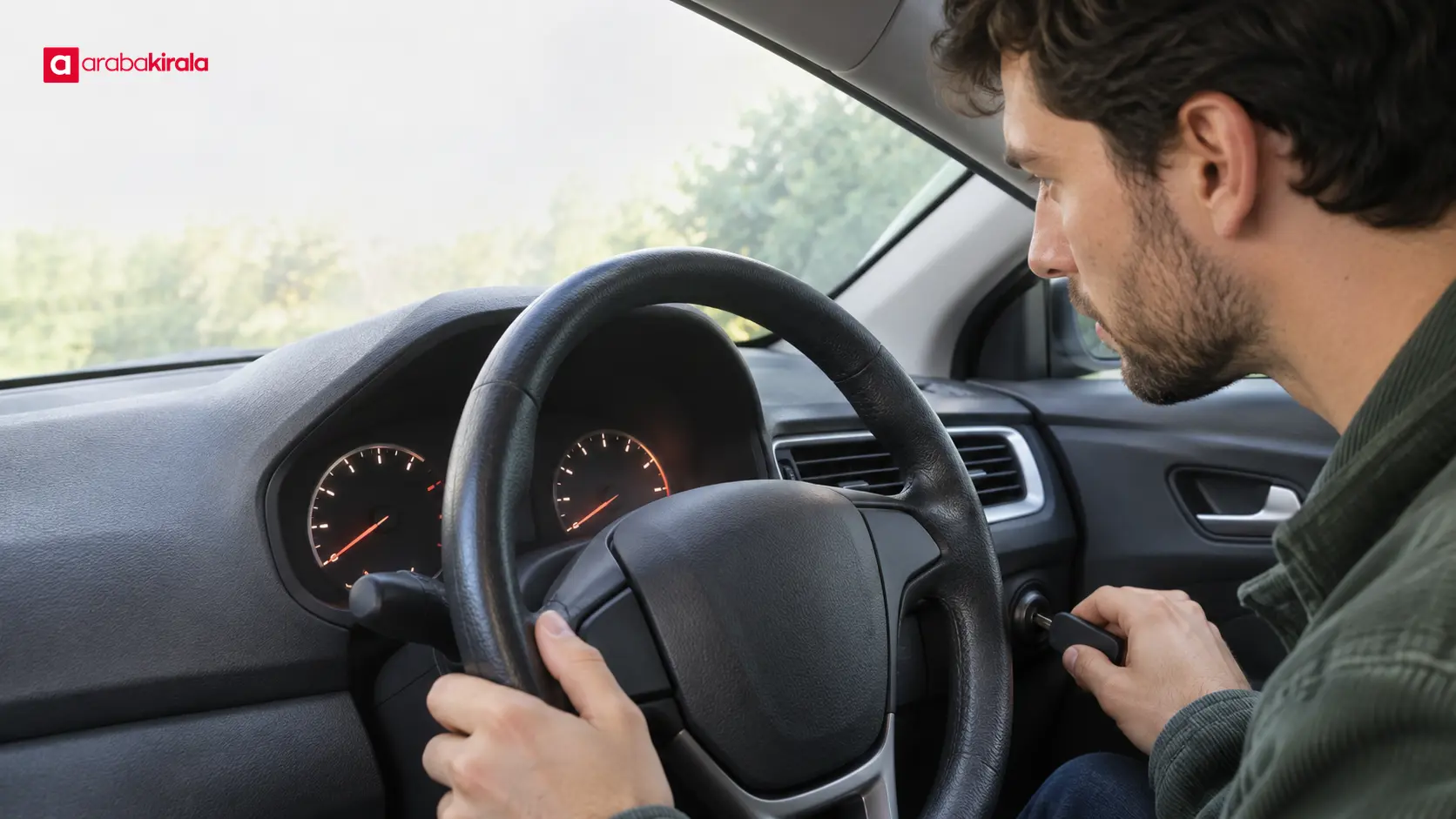
If the engine turns over more slowly than usual, struggles on the first attempt, or takes progressively longer to start, note the change. Dashboard lighting may also dim noticeably while the starter is engaged. These are common weak car battery symptoms, but they do not prove the battery itself has failed.
The starter motor, cables, or another part of the electrical circuit can cause similar behavior. If the engine does not turn over or you hear only a click, avoid repeated attempts based on the assumption that the battery is at fault. Follow the vehicle manual’s guidance and get assistance when needed.
What lights and electrical equipment can tell you
Headlights that look unusually dim at idle, interior lights that change during starting, or power windows that move more slowly may be worth noting. A group of changes appearing around the same time deserves attention. Still, normal equipment behavior differs by model and operating conditions, so a change from what you usually observe is more useful than a comparison with another car.
If a battery or other electrical warning light appears, do not interpret it automatically as “the battery is dead.” It may relate to the charging system. Check the owner’s manual for the warning’s meaning. If the warning continues while driving, stop in a safe place and consider professional assistance.
Separating battery clues from other faults
The battery, starter system, and charging system work together. Slow cranking may come from battery capacity, but it can also be related to loose or corroded connections, the starter motor, or a charging-system issue. If only one electrical feature behaves strangely, that particular circuit may need separate inspection.
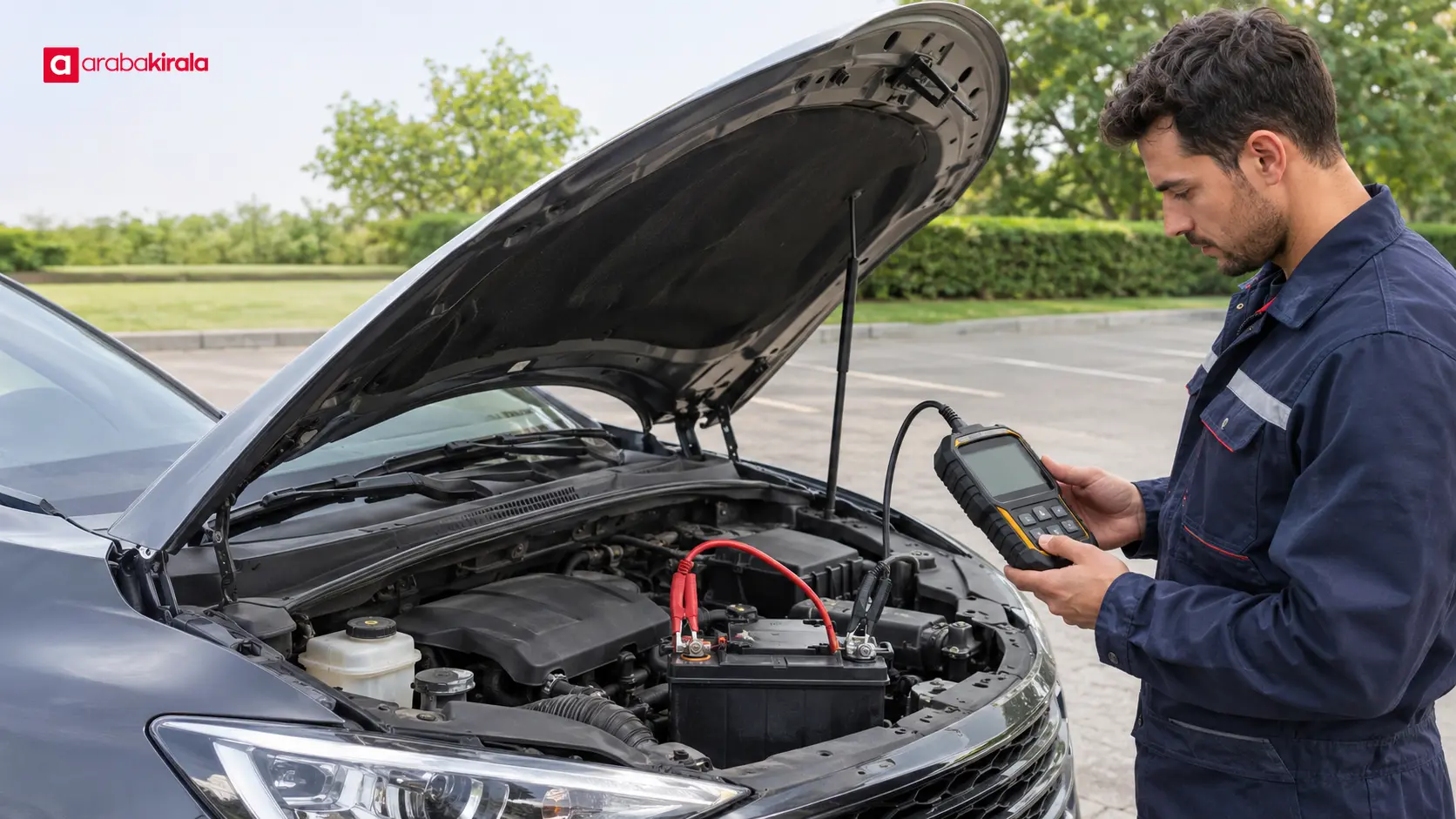
Appearance or a single dashboard light cannot provide a reliable diagnosis. A suitable battery tester can help assess the state of charge and how the battery responds under load. Results should be read in light of the vehicle’s specifications and the test method. Replacing a battery based only on a guess can create an unnecessary expense.
Safe observation and limits
Park on a stable, safe surface. Observe with the engine off and follow the conditions specified in the vehicle manual.
If the battery case is cracked or visibly swollen, fluid is leaking, or there is substantial corrosion, do not touch it. Leave inspection to a qualified person.
Do not remove terminals, place metal tools where they could bridge connections, or attempt to open the battery.
Keep cigarettes, flames, and potential sources of sparks away from the battery. Batteries can contain hazardous gases and corrosive material.
If a jump start or portable starter is needed, follow the vehicle manufacturer’s instructions. Do not guess the connection order.
If you are not experienced with battery work, ask for a professional check instead of opening covers or handling connections. Safe observation can simply mean noticing symptoms and seeking help without repeatedly straining the vehicle.
When to request a battery test
Arrange an assessment of both the battery and charging system if starting becomes difficult, the same electrical symptoms recur, or a warning light stays on. Testing involves more than checking voltage alone: the equipment and the vehicle manufacturer’s method matter. Tell the technician when symptoms began, how long the vehicle had been unused, and under what conditions warnings appeared.
If replacement is recommended, ask whether the proposed battery has the correct specifications for the vehicle and whether the model requires any procedure after replacement. These details vary by vehicle. If you are driving a rental car, contact the branch where you collected it rather than trying to repair the issue yourself.
Is it safe to keep driving when symptoms appear?
If symptoms disappear after the engine starts, that does not establish that the problem is resolved. A battery or charging-system fault may make the next start difficult, and an electrical warning may matter while driving. Interpret dashboard messages using the owner’s manual. If a condition affects safe operation, stop somewhere safe and request help.
Repeatedly trying to start a vehicle that will not run can discharge the battery further. If you cannot intervene safely, contact roadside assistance or a qualified service professional. Even if a jump start gets the vehicle running, the cause should be investigated and the battery and charging system checked.
A practical order for checking the clues
Note whether cranking has changed compared with previous starts.
Observe any simultaneous differences in headlights, interior lighting, and electrical equipment.
Check dashboard warnings against the vehicle manual rather than ignoring them.
If visible damage is present, do not touch the battery or keep forcing the vehicle to start.
Describe the symptoms to a qualified professional and request a battery and charging-system test.
In short, weak car battery symptoms are often noticed through slower cranking, changes in lighting, or unusual electrical behavior. They are clues, not a diagnosis. Record what you observe, avoid handling battery connections, and request an appropriate test for a clearer assessment. If a rental car develops a problem, contact the branch where you collected it for the next step.
Frequently Asked Questions
Can I tell the battery is weak from the starting sound alone?
Slow cranking is a useful clue, but it cannot confirm a battery fault by itself. The starter, connections, or charging system can produce similar symptoms, so recurring problems call for a professional test.
Do dim headlights always mean the battery is failing?
No. A change in brightness can be related to the battery, but the charging system or another electrical circuit may also be involved. Consider warning lights and when the change occurs.
Can I clean the battery terminals myself?
Do not handle terminals unless you have the relevant experience and clear instructions from the vehicle manufacturer. An incorrect procedure can cause a short circuit or injury; a qualified inspection is safer.
Does a jump start fix the underlying problem?
A jump start may help the engine start, but it does not show why the battery discharged or whether it still has adequate capacity. If the issue recurs, have the battery and charging system tested.
What does a battery test check?
Depending on the method, a tester can help assess the battery’s state of charge and performance under load. Interpret the result alongside vehicle requirements and charging-system findings.
What should I do if a rental car shows battery symptoms?
Do not strain the vehicle or handle its connections. Once you are in a safe place, contact the branch where you collected the car and ask what assistance or inspection step to follow.