
What Is Engine Displacement and How Does It Affect Performance?
Published: October 13, 2026 • Reading Time: 7 min • Last Updated: October 13, 2026
Learn what engine displacement measures, how it differs from power and torque, and why it cannot predict fuel use or acceleration on its own. A practical guide to reading vehicle specifications.
Contents
- What does engine displacement measure?
- How is displacement calculated?
- Displacement, power, and torque: what is the difference?
- What can displacement mean for everyday driving?
- Acceleration and power delivery
- Passengers, luggage, and hills
- Fuel consumption and efficiency
- How do turbochargers and hybrid systems affect the picture?
- How to read specifications when choosing a car
- What to check when choosing a rental car
- Summary: Treat displacement as one clue
- Frequently Asked Questions
Engine displacement is the combined working volume swept by an engine’s pistons inside its cylinders. This guide explains what that figure means, how it differs from horsepower and torque, and why it is only one part of a car’s performance. When choosing a vehicle to drive or rent, reading the specifications alongside your route, passengers, and luggage gives you a more useful picture than displacement alone.
What does engine displacement measure?
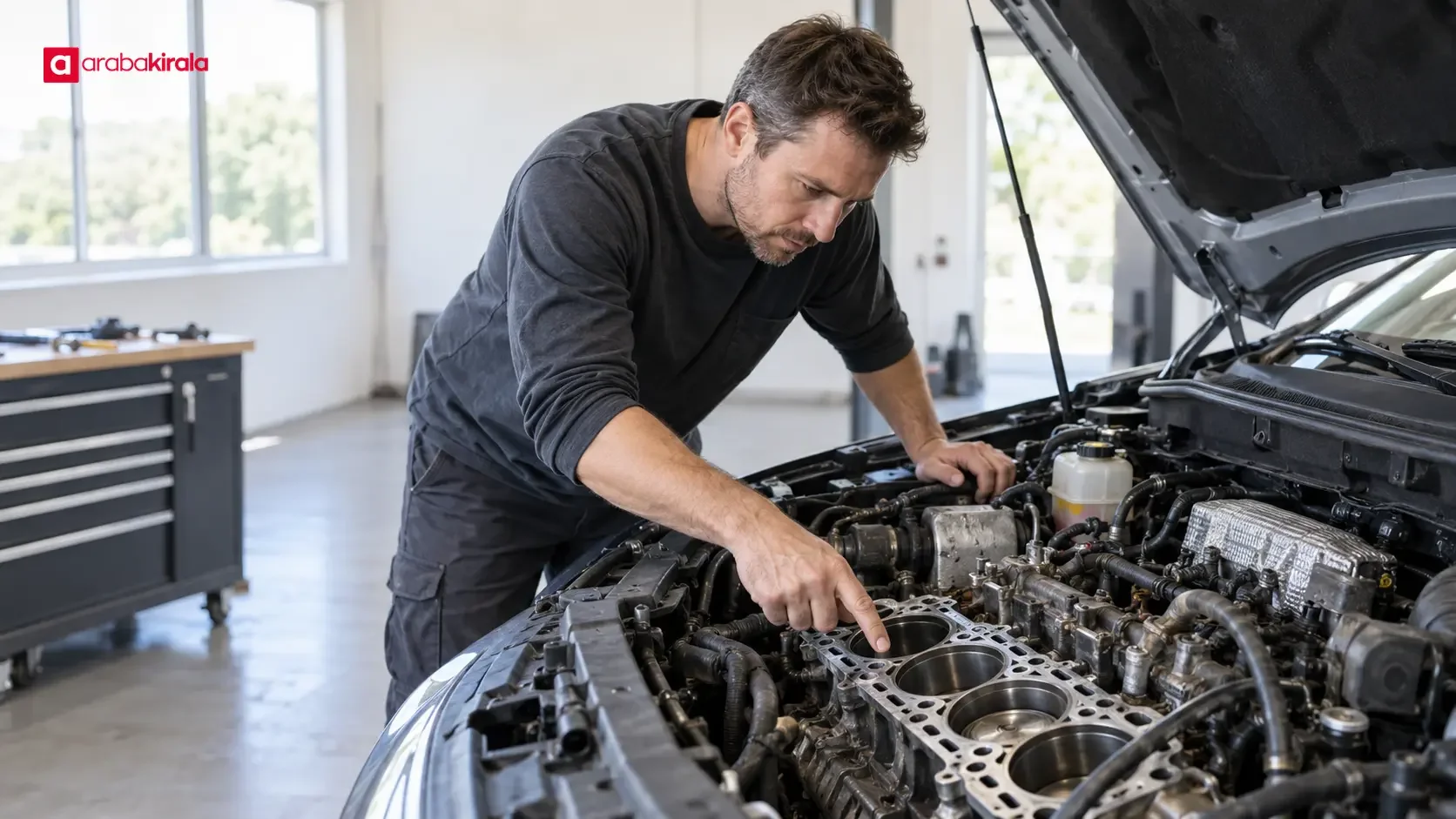
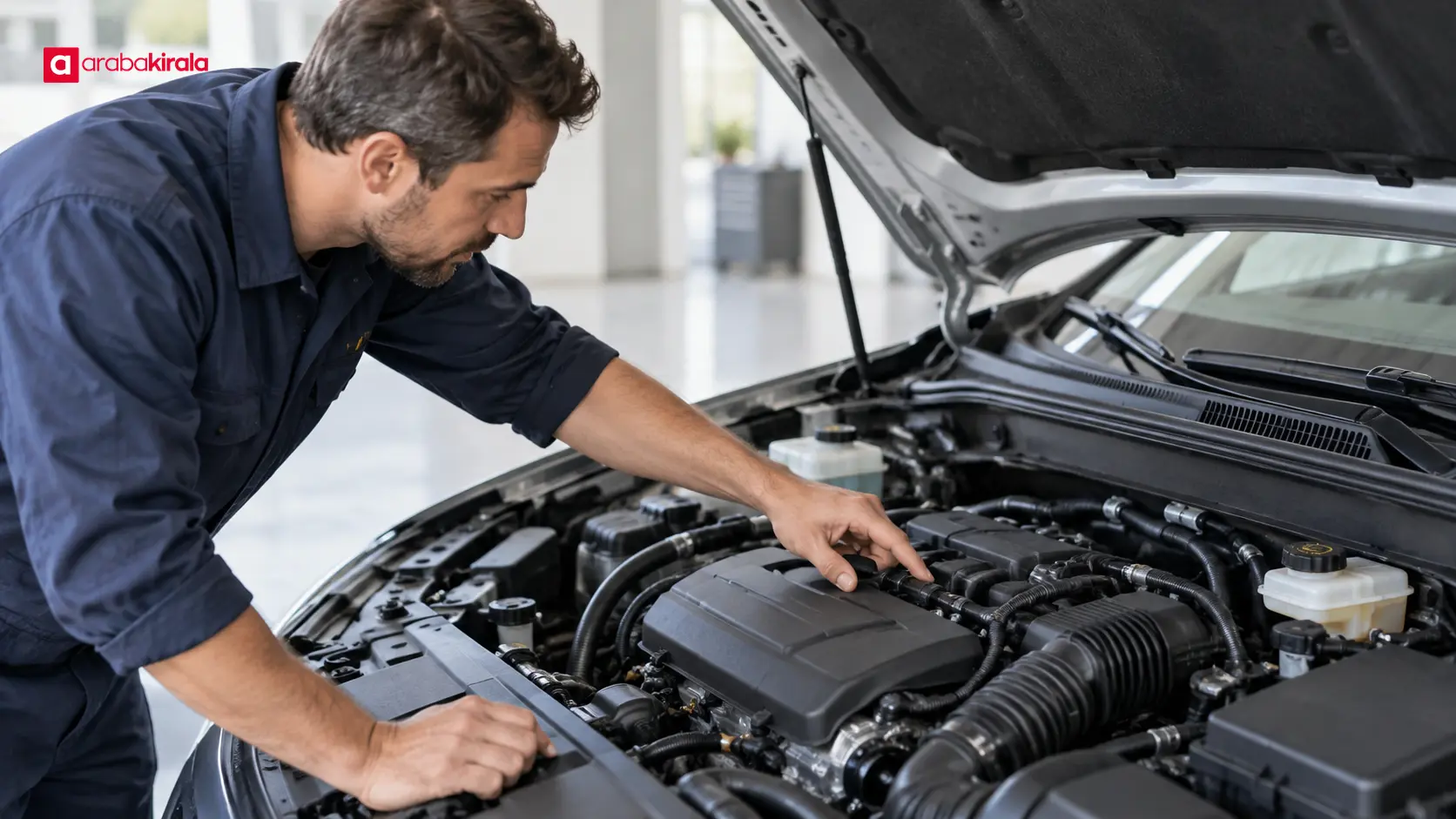
In an internal combustion engine, cylinders are chambers where an air and fuel mixture burns to produce motion. A piston moves up and down inside each cylinder. The space swept between its lowest and highest positions is the cylinder’s swept volume. Add the swept volumes of all cylinders together and you get the engine’s total displacement.
Displacement is commonly listed in liters or cubic centimeters (cc). An engine described as 1.6 liters has roughly 1,600 cc of displacement. A specification sheet may state a more precise figure such as 1,598 cc, which is often rounded for everyday descriptions. Displacement refers to the cylinders’ combined working volume. It does not describe the engine’s outside dimensions, the size of the fuel tank, or how much power the engine produces by itself.
How is displacement calculated?
The swept volume of one cylinder depends on the cylinder’s cross-sectional area and the distance the piston travels. The area comes from the cylinder bore, while the travel distance is called the stroke. Multiply one cylinder’s swept volume by the number of cylinders to find total displacement. Drivers rarely need to perform this calculation; manufacturers provide the resulting figure in technical specifications.
Cylinder count and displacement are different measurements. Two engines can have the same total displacement while using different numbers of cylinders. The number of cylinders and the volume of each can influence vibration, sound, and how the engine responds as it revs. They do not support a simple rule that more cylinders always means better performance. Engine design and the other parts of the powertrain matter too.
Displacement, power, and torque: what is the difference?
Displacement is a measure of volume. Torque and power describe outputs produced while the engine is running. Torque is a turning effect, usually listed in newton meters (Nm). Power describes how quickly work is done and may be given in kilowatts (kW) or horsepower. An engine’s power and torque can change with engine speed, so it helps to check the RPM range at which a specification’s peak value is available.
A larger displacement can give an engine more cylinder volume in which to process an air and fuel charge, depending on its design and operating conditions. But displacement alone does not guarantee a particular torque or power figure. A small turbocharged engine can produce substantial power, while a larger engine can have a different response because of its tuning and operating range. Displacement is related to performance, but the relationship is not one to one.
What can displacement mean for everyday driving?
Acceleration and power delivery
Acceleration depends on the power and torque the engine produces, as well as transmission ratios, vehicle weight, driven wheels, and how power reaches the road. That is why displacement alone is a poor way to predict how quickly a car will accelerate. Two cars with similar engine sizes can feel quite different if their mass or transmissions differ.
Passengers, luggage, and hills
A loaded car needs more effort to accelerate and climb a slope. Available torque, gear choice, and total vehicle weight all affect how it feels in those conditions. Short city trips, steady highway driving, and a route with frequent climbs place different demands on a car. Think about how many people and how much luggage you will carry, along with the roads you expect to use. Those details make displacement easier to interpret.
Fuel consumption and efficiency
Displacement can influence fuel consumption, but it does not determine it by itself. Engine efficiency, turbocharging, transmission, vehicle weight, and aerodynamics all play a part. So do traffic, speed, weather, and driving style. Do not assume that a smaller engine will always use less fuel, or that a larger one will always use more. Manufacturer consumption figures are measured under defined conditions; real world results can differ.
How do turbochargers and hybrid systems affect the picture?
A turbocharger helps send more air into an engine. With an appropriate design and calibration, a comparatively small engine can produce substantial power. Its displacement still refers to the geometric swept volume of its cylinders; a turbocharger does not change that measurement. Forced induction is one reason a simple comparison by engine size can be misleading.
In a hybrid, an electric motor may work alongside the combustion engine. Its contribution can affect initial acceleration and energy use. Looking only at the petrol engine’s displacement does not explain how the combined system behaves. Consider the powertrain as a whole, including the manufacturer’s information about the electric motor and battery where relevant.
How to read specifications when choosing a car
- Identify the powertrain: Note whether the vehicle is petrol, diesel, hybrid, or uses another arrangement. Treat displacement as one characteristic within that system.
- Read power and torque together: Check the RPM range for the figures and make sure you are comparing values in compatible units.
- Consider weight and transmission: Engine output reaches the road through the vehicle’s mass and gearing. The same displacement can produce different driving results in different cars.
- Match the car to your use: Passenger and luggage load, city traffic, long drives, and hilly routes affect the performance you may need.
- Check the technical document: Read engine type, displacement, power, torque, and any stated measurement conditions. Equipment and model year can change specifications, so do not assume every version is identical.
What to check when choosing a rental car
Displacement can help you understand a rental car’s broad technical profile, but it does not establish its luggage capacity, handling, fuel use, or suitability for a route. Consider how many people and how much luggage you need to carry. If you need a particular engine, equipment level, or vehicle configuration, ask the branch handling your reservation what is available and how the assigned vehicle is determined. Branch specific delivery details should also be confirmed with that branch.
When you collect a car, check vehicle specific information such as the fuel type shown by the vehicle or marked near the fuel filler. The owner’s manual provides the manufacturer’s guidance for that car. Reviewing the supplied documents and rental terms is useful regardless of engine size. If a warning light appears while driving, stop in a safe place, follow the vehicle’s instructions, and contact the branch from which you rented it.
Summary: Treat displacement as one clue
Engine displacement describes the cylinders’ combined swept volume. It is connected to power, torque, consumption, and acceleration, but none of those outcomes can be read from displacement alone. Turbocharging, hybrid assistance, vehicle weight, transmission, and driving conditions also shape the experience. As a next step, compare displacement with power, torque, and powertrain details in the manufacturer’s specifications. If you are renting, ask the branch what characteristics apply to the vehicle group available for your reservation.
Frequently Asked Questions
Is engine displacement the same as cylinder capacity?
In everyday use, engine displacement usually means the combined swept volume of all the cylinders. The swept volume of one cylinder is its cylinder capacity. Check the technical document and unit to see whether a figure refers to one cylinder or the whole engine.
Does a larger engine always make a car faster?
No. Displacement alone does not tell you acceleration or top speed. Engine power and torque, transmission, vehicle weight, and drivetrain all matter. Compare those specifications together for a more useful assessment.
Can a small turbo engine be powerful?
Yes. A turbocharger helps deliver more air to the engine, allowing a suitably designed small engine to produce substantial power. Check the manufacturer’s power and torque figures and the engine speeds at which they are delivered.
Does displacement tell me how much fuel a car will use?
No. Displacement is one factor among several. Engine efficiency, vehicle weight, transmission, traffic, and driving style also affect consumption. Use manufacturer figures as a starting point and remember that actual use can vary.
Can I choose a specific engine when I rent a car?
That depends on the vehicle group and the branch handling the reservation. Ask the branch before booking whether a particular engine or configuration can be specified, and explain your passenger, luggage, and route needs.
Legal Disclaimer: All content, articles and information on the Araba Kirala website are provided solely to inform users. No information shared on this website constitutes definitive advice or guidance. Araba Kirala Teknoloji A.Ş. and its authors cannot be held responsible for any direct or indirect damages arising from the application of information on the website. For all questions and requests regarding car rental, please contact the office from which you will rent your vehicle.












