Winter Cumalıkızık Visit: Historic Lanes and Weather Prep
Published: November 12, 2026 • Reading Time: 7 min • Last Updated: November 12, 2026 • Author: Merve B.
Contents
- What makes a winter walk different
- Planning a walk through the stone lanes
- Explore in short sections
- Photographs and breaks
- Getting ready for winter weather and travel
- Clothing and a small day bag
- Check the forecast and transport together
- Respecting the village and its residents
- A practical winter visit checklist
- Conclusion: a thoughtful winter route
- Frequently Asked Questions
- Related Articles
- Sources
A winter Cumalıkızık visit calls for a comfortable walking plan and a little flexibility. This guide covers what to expect on the village’s historic lanes, how to prepare for cold or wet weather, and how to explore a place that is still home to residents. Cumalıkızık forms part of Bursa’s historic urban and rural heritage, so the visit is as much about noticing how the settlement fits its landscape as it is about photographing its houses.
Winter daylight is shorter, and rain can make walking surfaces slick. Check the latest forecast and transport information before setting out. Keep your route manageable, allow time for breaks and leave room to adjust your plan if conditions change. The village’s lanes vary in width and slope, so a relaxed pace is more useful than trying to cover every corner quickly.
What makes a winter walk different
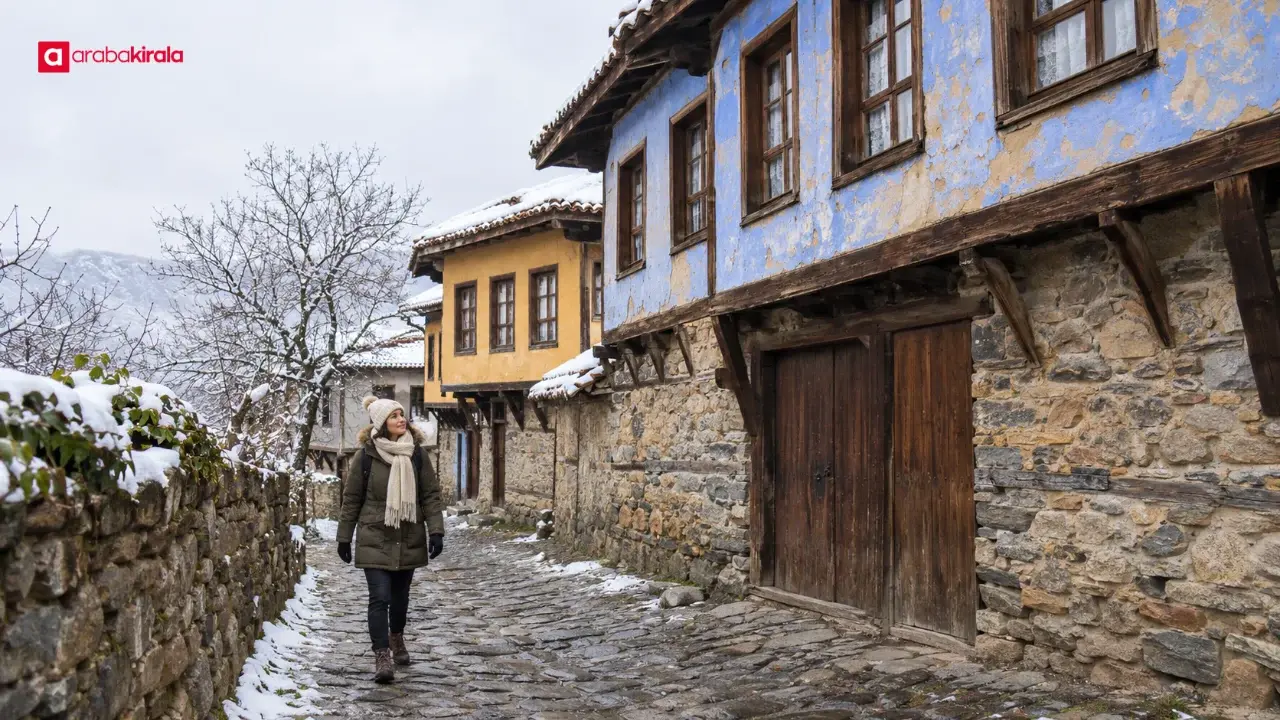
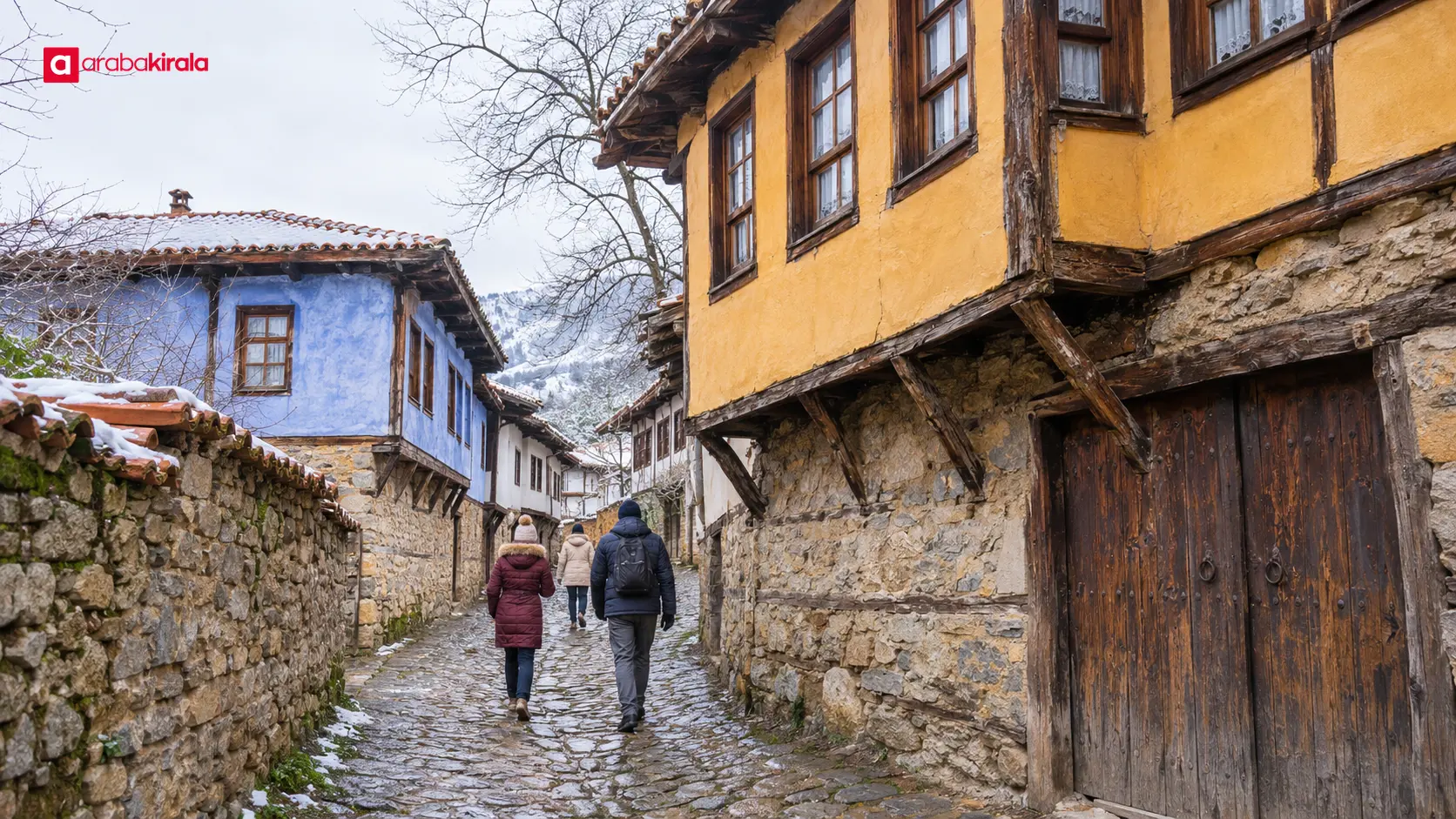
Cumalıkızık is part of the UNESCO-listed heritage property “Bursa and Cumalıkızık: the Birth of the Ottoman Empire.” Its traditional civil architecture, village pattern and rural setting are best understood together. Walking slowly through the lanes gives you time to notice how houses relate to one another and to the terrain. The experience does not depend on ticking off a long list of stops.
Cold air and the chance of rain can affect how long you want to stay outdoors and how often you pause. They do not change the village’s historic character, but they do make preparation important. Choose a duration that suits your comfort and mobility. If the weather worsens, shorten the walk or shift to a sheltered break rather than trying to stick to a fixed schedule.
Planning a walk through the stone lanes
Explore in short sections
Start by getting oriented around the village entrance, then explore a few lanes at a time. When you stop for a photograph, move aside so others can pass. Some narrow passages may lead toward homes or private areas, so follow visible public routes and avoid lingering outside doorways. Leave enough time to retrace your route without rushing.
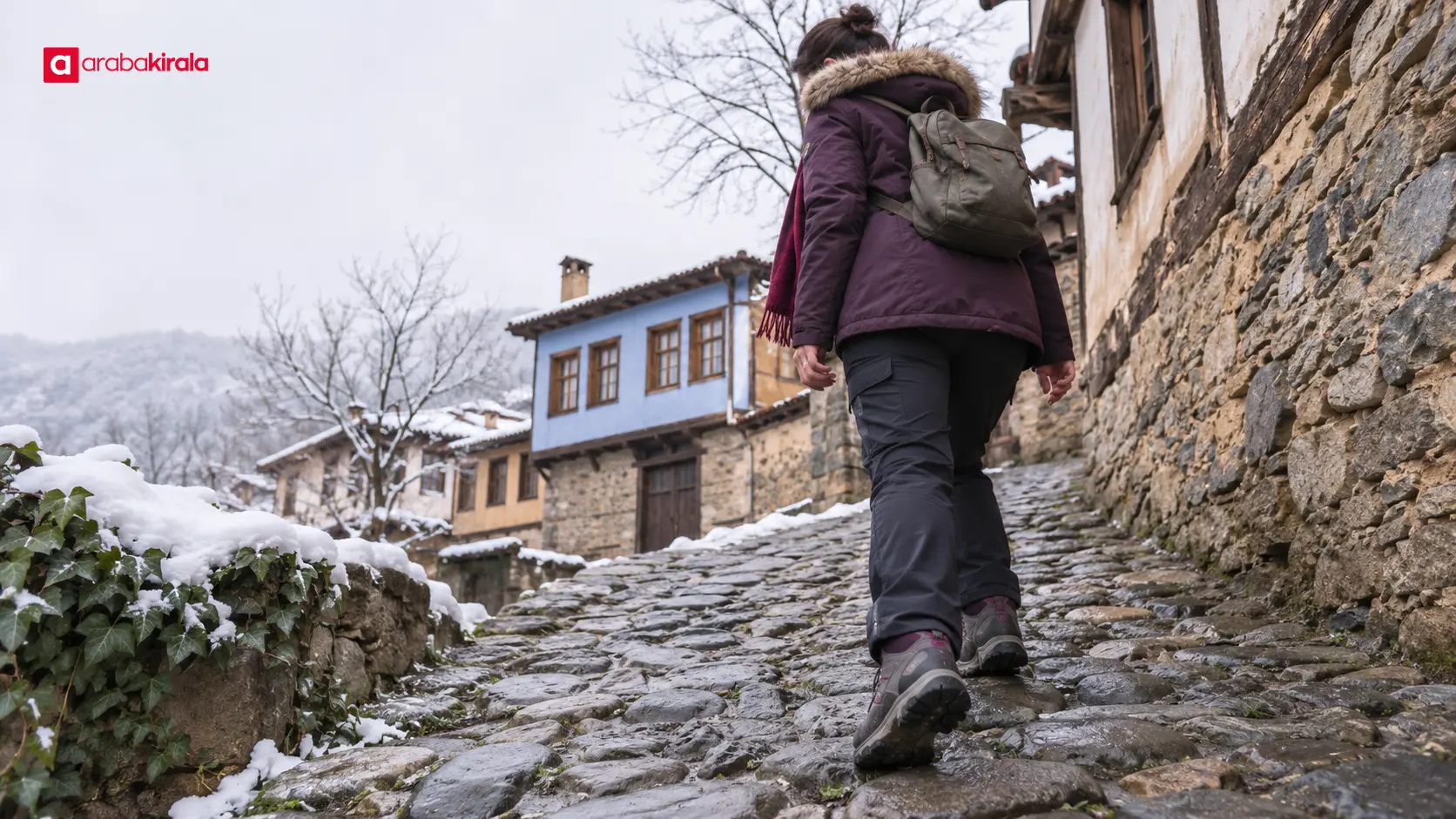
Uneven paving and slopes can feel more challenging in winter, especially after rain. Choose shoes that hold your feet securely and have a sole with good grip. Take care on visibly wet stones, and keep your hands free in narrow or sloping sections by putting loose items in a bag. If you use a walking aid, consider whether the surface and route will be manageable for you before starting.
Photographs and breaks
When photographing traditional houses or street details, avoid capturing interiors, open windows or people’s private spaces without permission. Cumalıkızık is a lived-in settlement, not a backdrop set aside for visitors. Keep groups from blocking the lane and take short breaks in places that do not disturb residents or other pedestrians.
Opening hours and availability of places to stop can vary by season. Avoid building your whole day around an assumed open business or facility; check current information with the relevant place. Carry your litter until you find an appropriate disposal point, and plan a warm drink or indoor break according to what is actually available during your visit.
Getting ready for winter weather and travel
Clothing and a small day bag
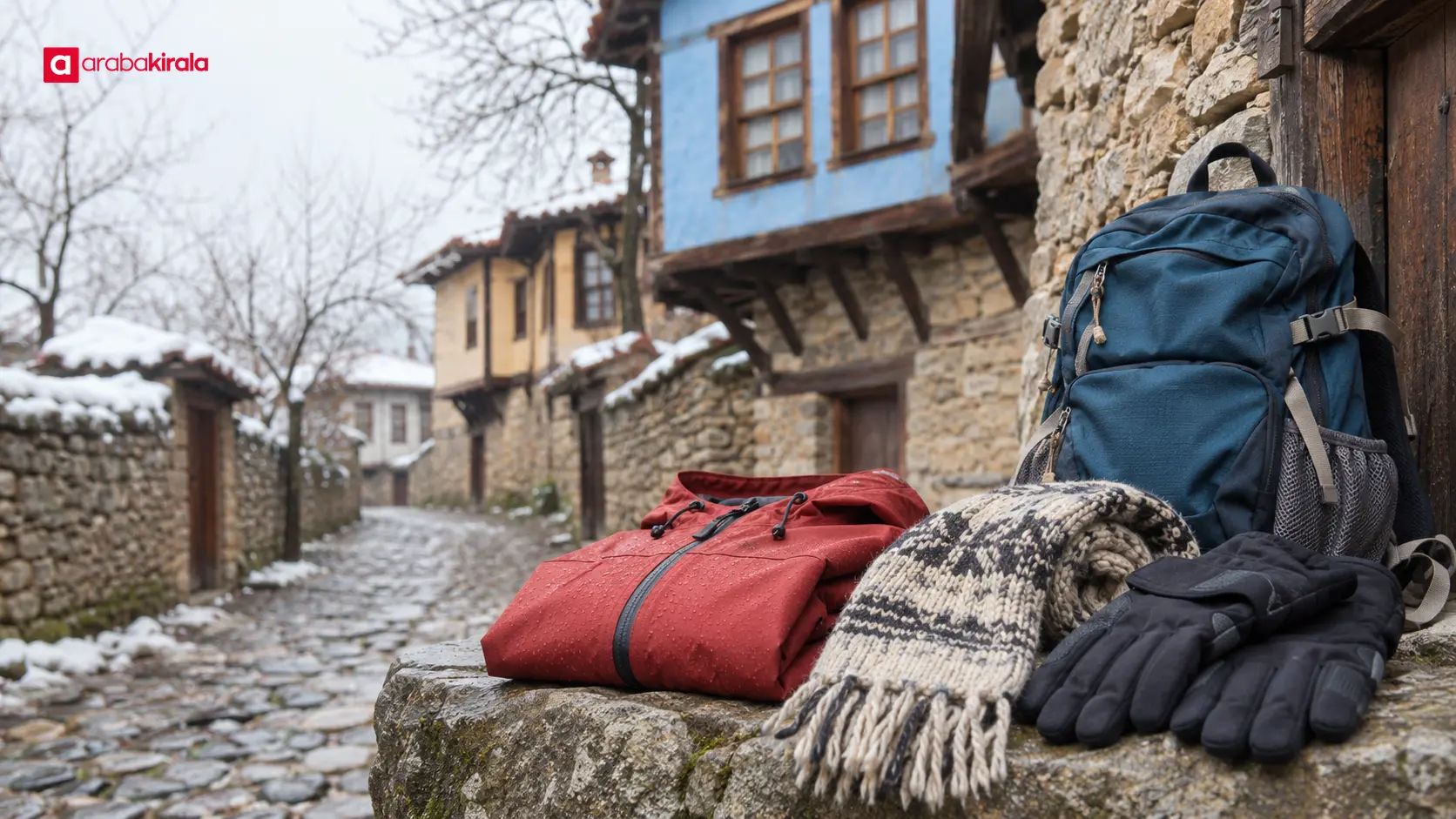
Layers make it easier to adjust between walking and standing still. Wear comfortable clothing that allows movement, then add an outer layer that helps protect against wind and rain. A scarf, gloves and a warm hat take little space and can help during a pause. If rain is likely, a hooded rain jacket can be easier to manage in narrow lanes than an umbrella.
Protect your phone and any backup battery from moisture and cold. Keeping route information available offline can help where reception is limited. Bring water, a small snack suited to your needs and any personal essentials you rely on. These are practical packing ideas, not a substitute for an individual health plan. If your mobility or personal needs call for specific equipment, plan that before travelling.
Check the forecast and transport together
Before leaving, review the current Bursa forecast, paying attention to rain and conditions during the hours you plan to walk. Do not choose clothing only by the day’s high temperature; consider wind and the cooler feel of being outdoors. If heavy rain, ice or poor visibility is expected, postponing or shortening the walk may be the safer choice.
Your route from Bursa depends on where you start and which transport option suits your day. If using public transport, confirm current service information through the relevant official channel. If driving, check road and parking conditions and avoid treating the village’s narrow lanes as a through-route. Visitors using a rental car should plan pickup and return around their own itinerary and ask the office handling the reservation about location-specific delivery, parking or opening details.
Respecting the village and its residents
Small choices help protect historic places. Do not lean on doors or fragile wooden surfaces, move stones or touch building features in ways that could cause damage. Avoid litter, loud music and entering private areas. Respecting residents’ privacy and everyday routines makes the visit more considerate and helps the village remain a place where people live, not only a visitor attraction.
A fountain, place of worship or other historic structure may not always be accessible in the same way. Follow local signs and, if access is not clearly appropriate, observe from outside. The Culture Portal describes historic houses, fountains and other features as part of the village’s character; there is no need to see every one in a single visit. Pay attention to the setting and move on when a space is in use.
A practical winter visit checklist
- Check the current weather forecast and transport details before departure.
- Wear comfortable shoes with good grip for wet or uneven stone paving.
- Pack layers, rain protection and personal essentials in a small day bag.
- Divide the walk into short sections and leave time for breaks and the return.
- Respect residents’ privacy when taking photos or pausing near homes.
- If using a rental car, confirm reservation-specific pickup and return details with its office.
Conclusion: a thoughtful winter route
A winter Cumalıkızık visit is most comfortable when the walk is unhurried and the plan can change with the weather. Grippy footwear, layered clothing, a current forecast and an informed transport plan make it easier to enjoy the historic lanes. Courtesy toward residents also supports the character of this living rural settlement.
Before you go, check the forecast and travel information again, choose a manageable route and leave room for a warm break. If your trip includes a rental car, confirm only the details specific to your reservation with the relevant office. Then explore the village at a pace that lets its streets and setting speak for themselves.
Frequently Asked Questions
Are Cumalıkızık’s lanes difficult to walk in winter?
Some paving is uneven and some passages slope, while rain can make stone surfaces slippery. Wear shoes with good grip, take your time and shorten the route to suit your comfort and mobility.
What should I wear for a winter visit?
Wear layers and take an outer layer that protects against wind and rain. A scarf and gloves are useful during pauses. Check the forecast for the hours of your visit and dress for those conditions.
Do I need to see every historic feature in one day?
No. Exploring a few lanes slowly can be more comfortable and help you notice the village’s rural setting. Let your available time and the weather guide how much ground you cover.
What should I keep in mind when taking photographs?
Avoid photographing house interiors, open windows or people’s private spaces without permission. Keep narrow passages clear and do not block entrances while taking pictures.
What should I check before travelling from Bursa?
Check the current forecast and the service or road information for your chosen transport. If driving, consider parking and the return journey. For a rental car, ask the office handling your reservation about details specific to that location.
Related Articles
- Highland Trip Planning: Roads, Weather and Hiking Preparation
- Summer Nature Trips in Dilek Peninsula: Places to Visit and Hiking Prep
- Winter in Ilgaz Without Skiing: Weather and Daylight Planning