Winter in Ilgaz Without Skiing: Weather and Daylight Planning
Published: October 11, 2026 • Reading Time: 7 min • Last Updated: October 11, 2026
Plan a winter nature outing in Ilgaz without skiing by considering changing mountain weather, short daylight, road conditions, clothing, and a flexible itinerary.
Contents
- Let winter weather and daylight set the pace
- Choose non-ski activities to match conditions
- Forest walks and short nature observation
- Viewpoint stops and short breaks
- Build the day around the available daylight
- Check weather and road information together
- Clothing and a day bag for cold weather
- Getting around Ilgaz by car
- A final check before your Ilgaz winter outing
- Frequently Asked Questions
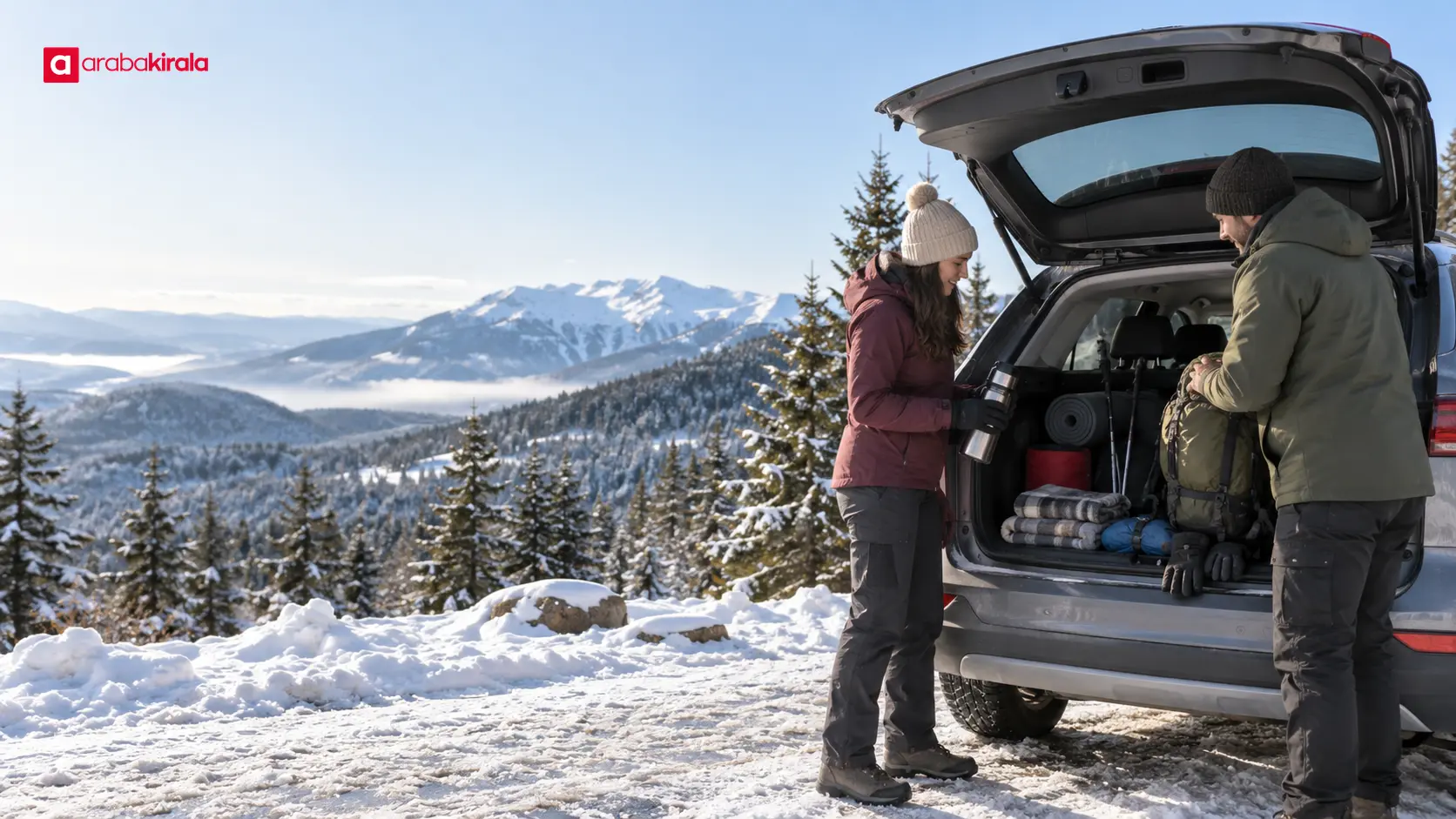
A winter Ilgaz trip plan for nature beyond skiing should account for mountain weather, limited daylight, travel conditions, and the pace of outdoor activities. This guide explains how to choose a manageable walk or viewpoint stop, prepare for changing conditions, organize the day around daylight, and plan road travel without assuming that every route or service is available.
Let winter weather and daylight set the pace
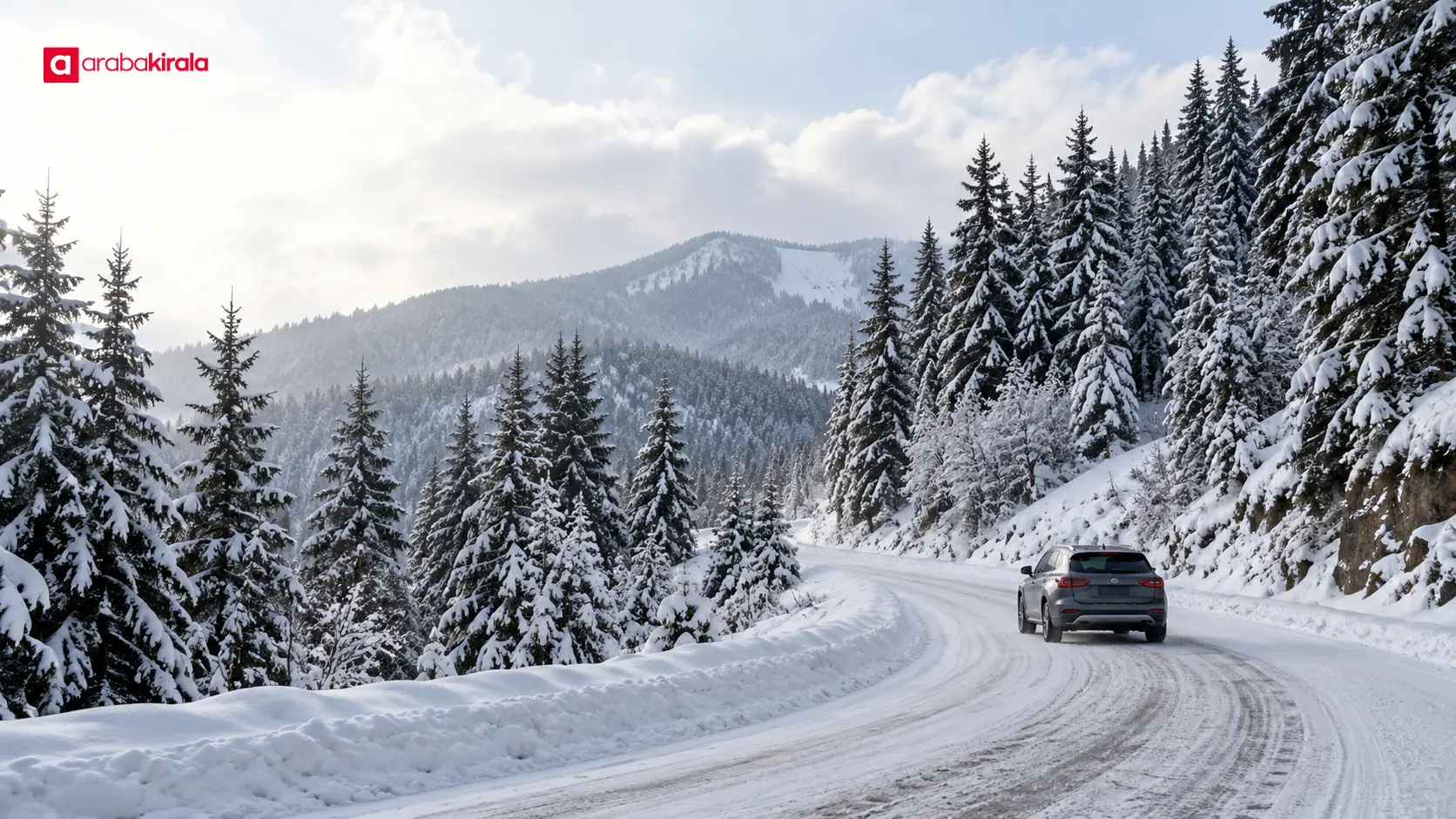
The elevation and forested terrain of the Ilgaz Mountains can bring colder, windier, or snowier conditions than nearby settlements. Conditions can change over the course of a day: a clear start may give way to cloud, fog, or snowfall. Check information for the elevation and route you intend to visit rather than relying only on a broad forecast for the nearest town.
Winter days are shorter than summer days, and sunrise and sunset vary by date and location. Use the local times for the day of your visit rather than treating a rough seasonal estimate as a schedule. Placing the main outdoor activity in the brighter part of the day, allowing time for breaks, and starting the return before darkness make the outing easier to manage.
Choose non-ski activities to match conditions
Forest walks and short nature observation
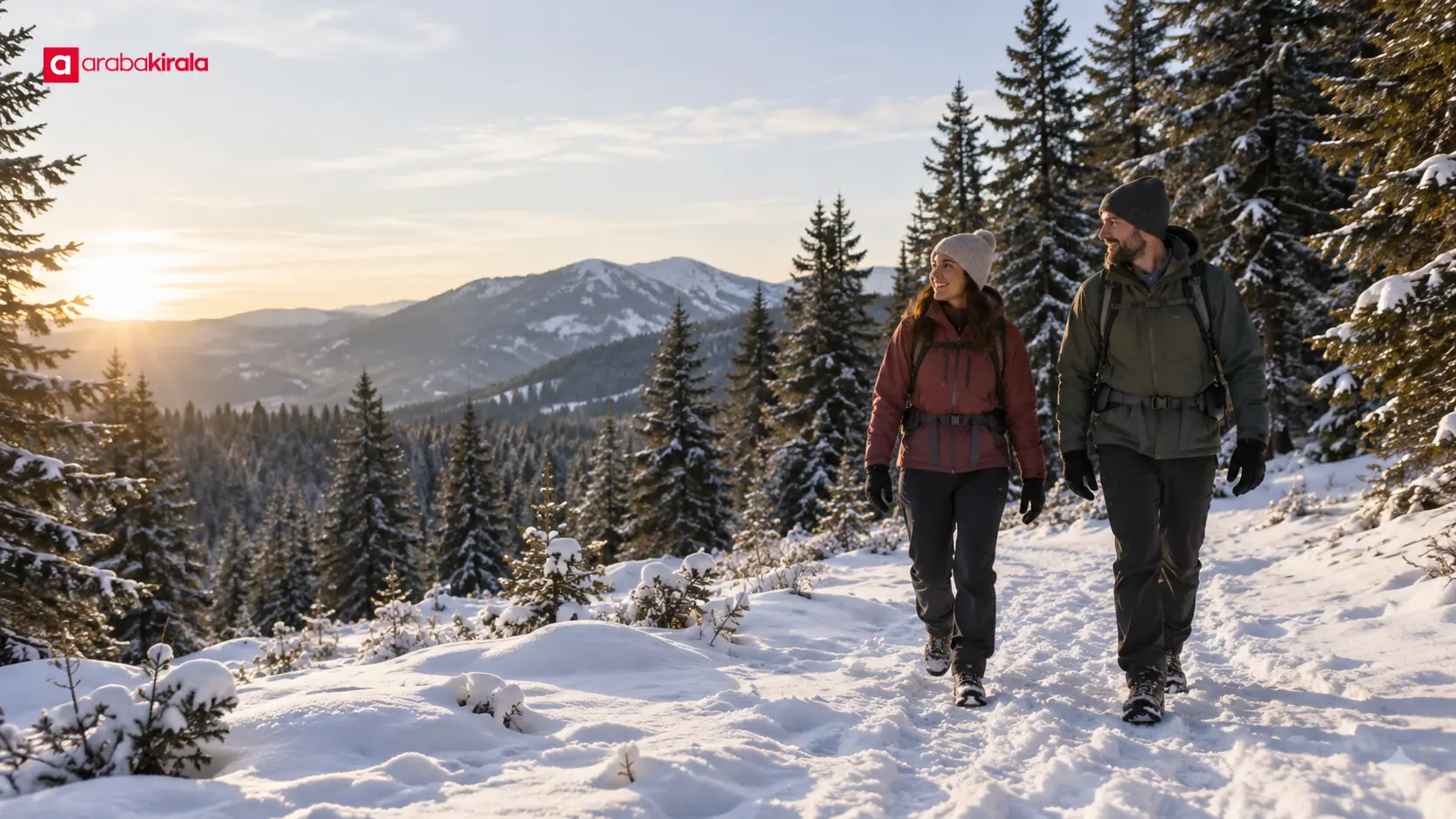
A walk through a snowy forest, a viewpoint visit, or quiet nature observation can make a rewarding outing without skiing. In winter, however, walking speed depends on the surface, visibility, slope, and clothing. Ice, trail edges hidden by snow, or fog can make progress slower than a map distance suggests. Allow time for breaks, photos, and a safe return instead of estimating the outing by kilometers alone.
Prefer marked routes whose current access you can verify. Snowfall can change how a path looks, and junctions that were easy to recognize may be obscured. Before setting out, check whether the trailhead is accessible and look for current local notices. If visibility drops, the surface feels unsafe, or the weather changes quickly, shortening the activity or turning back is a sensible choice.
Viewpoint stops and short breaks
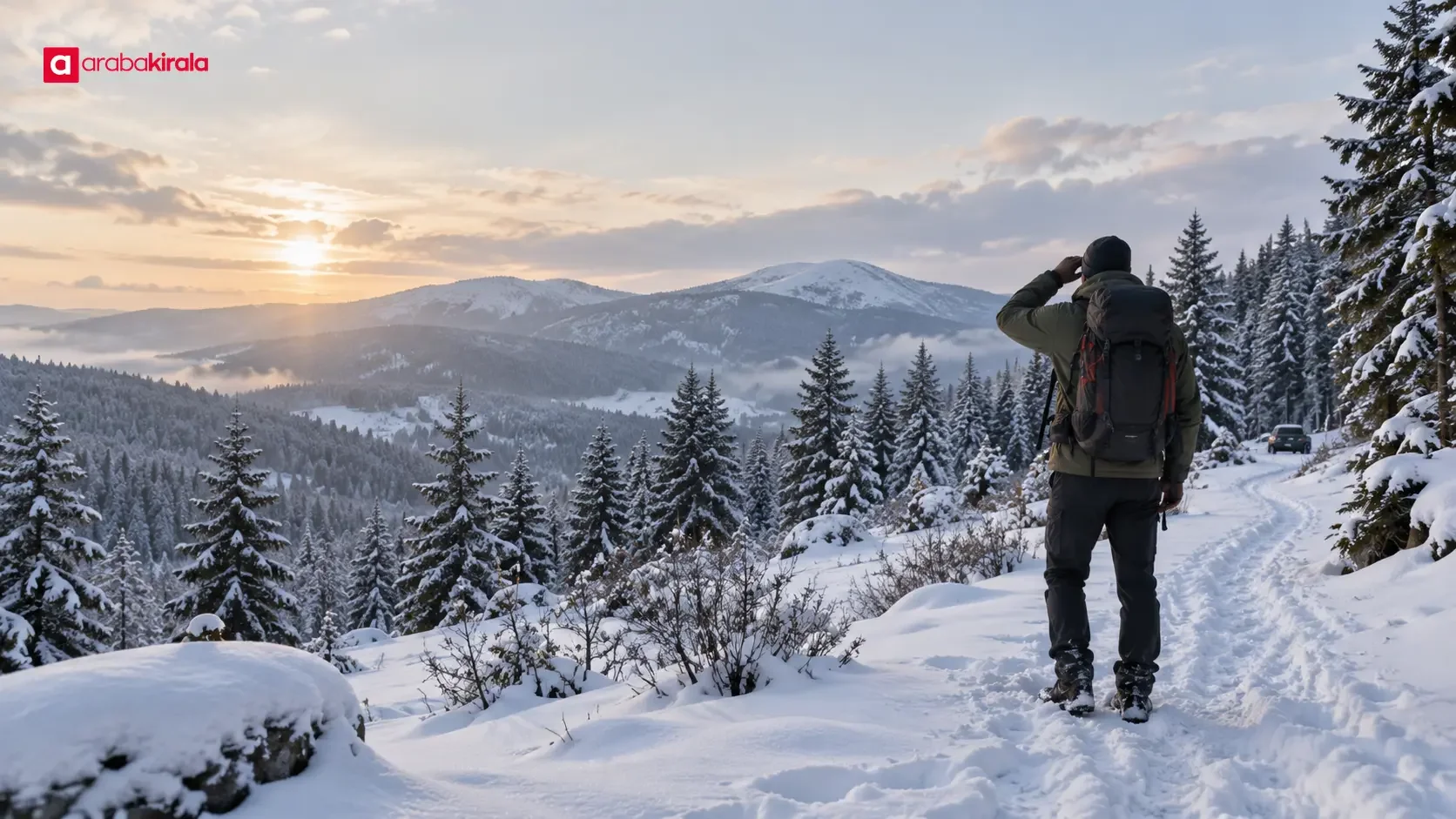
A brief stop at an accessible viewpoint can be a lighter alternative to a long walk in winter. Make sure the stopping place is safe, does not obstruct traffic, and leaves enough daylight for the return. A snowy opening beside a road is not automatically a public or safe stopping area, so follow local signs and access restrictions.
Observe wildlife from a distance, do not feed animals, and avoid damaging vegetation. Standing still in the cold for a long time can make you feel chilled, so balance outdoor stops with a warm break. You can enjoy the landscape from a vehicle or a safe viewing point without entering sensitive areas.
Build the day around the available daylight
Exact timing depends on the date, forecast, and your starting point. Treat this sequence as a planning framework rather than a fixed timetable:
- Before departure: Check weather and road information for the route, then prepare the vehicle, clothing, and essentials.
- At the start of the bright part of the day: Arrive and assess conditions. Adjust the activity if there is fog, snow, or ice.
- Near midday: Do the main walk or nature observation. Set the route length, break time, and return so they fit within daylight.
- Later in the afternoon: Leave room for a short viewpoint stop or rest, then begin the return before sunset.
- Before returning: Review weather and road updates again. Drop optional stops if conditions have changed.
If you can only start late, choose a short activity with straightforward access instead of a distant or lengthy route. Walking in darkness can make navigation harder, especially when cold and limited visibility are also factors. Keep your phone charged, while remembering that mobile coverage may not be available everywhere in mountainous terrain. Share your route with someone before leaving.
Check weather and road information together
Temperature alone is not enough to assess a winter forecast. Precipitation type and likelihood, wind, perceived cold, visibility, and the forecast location can all affect your plans. Conditions may differ between nearby points in mountain terrain, so review official meteorological alerts and current road notices for your route where available. Forecasts can change, so check again before departure rather than relying only on an earlier review.
Road surfaces may vary between dry pavement, compacted snow, slush, and ice. These conditions affect braking and steering. Before travelling, review the vehicle’s winter readiness, tire condition, and the equipment needed to keep windows clear. Follow the vehicle’s manual and seek help from a qualified service provider if you are unsure about a technical issue. Increase following distance, avoid abrupt maneuvers, and postpone the drive if visibility or the road surface is unsafe.
Clothing and a day bag for cold weather
Layering helps you manage warmth as your activity level or the weather changes. A base layer that moves moisture away from the skin and an outer layer that protects against wind and precipitation can be useful. Cotton can stay damp after getting wet, so it may not be a dependable choice as your only layer for a winter outing. Gloves, a hat, neck protection, and spare socks also affect comfort.
Choose boots that fit securely and have soles suited to the conditions. Ordinary walking shoes may not provide enough grip on icy ground; if conditions call for traction aids, learn how to use them beforehand. Consider carrying drinking water, easy-to-eat food, a spare warm layer, personal medication, basic first-aid supplies, a flashlight, and a way to keep essential devices charged. Match what you carry to the activity and its duration.
Getting around Ilgaz by car
A car can make it easier to organize several nature stops, but winter travel depends on both the vehicle and the route. The shortest route shown by navigation is not automatically the best one in winter; use current road information and official notices. Consider fuel or charging opportunities along your route and avoid packing the day too tightly.
If you rent a vehicle, ask the branch where you will collect it about details relevant to winter use before booking and again at pickup. Clarify what equipment is present, what guidance applies to winter tires or chains, how to contact roadside assistance, and whether there are route restrictions. Before leaving the branch, check the vehicle’s condition and fuel or charge level against the handover record; the odometer reading also helps establish the trip’s starting record. Branch practices and vehicle features vary, so do not assume a particular piece of equipment or service is included.
A final check before your Ilgaz winter outing
Before setting off, check the latest forecast, official road notices, and daylight times. Choose an activity that fits a short winter day and changing conditions, and leave a time buffer for the return. Prepare layers, suitable footwear, water, food, and basic safety essentials. Confirm that the vehicle is appropriate for winter conditions and, if you are renting, verify equipment information with the branch. These steps can help you enjoy Ilgaz’s mountain and forest scenery without skiing. Your next step is to review the forecast and road notices for your travel date and select a short, accessible nature activity.
Frequently Asked Questions
What can I do in Ilgaz in winter without skiing?
If conditions allow, consider a short forest walk, nature observation, or a brief stop at an accessible viewpoint. Choose only after checking the day’s weather, surface, visibility, and available daylight.
What is winter weather like in Ilgaz?
It varies with the date, elevation, and location. Cold, snow, wind, or fog may occur. A forecast and official alerts for the route are more useful than relying only on a general forecast for a nearby town.
What should I wear for a winter walk in Ilgaz?
Wear weather-appropriate layers, gloves, a hat, and boots with soles suited to the surface. Carrying an extra warm layer can help if your pace or the weather changes.
What should I check before driving to Ilgaz in winter?
Review current route conditions and official notices, and check the vehicle’s tires and winter equipment. Postpone travel if conditions are unsafe. For a rental vehicle, ask the branch about its equipment and roadside assistance details.
How should I account for daylight when planning?
Check local sunrise and sunset times for your travel date. Schedule the main activity during daylight, allow time for breaks and the return, and choose a short, accessible option if you are starting late.
Legal Disclaimer: All content, articles and information on the Araba Kirala website are provided solely to inform users. No information shared on this website constitutes definitive advice or guidance. Araba Kirala Teknoloji A.Ş. and its authors cannot be held responsible for any direct or indirect damages arising from the application of information on the website. For all questions and requests regarding car rental, please contact the office from which you will rent your vehicle.