Winter Driving Safety: Prepare Your Car and Adjust Your Driving
Published: November 11, 2026 • Reading Time: 7 min • Last Updated: November 11, 2026 • Author: Merve B.
Contents
- Assess the conditions before you leave
- Check that the car is ready for winter conditions
- Tires and basic checks
- Windows, lights and visibility
- Adapt your driving on slippery roads
- If the car begins to slide
- What to check when collecting a rental car
- Plan breaks and prepare for a roadside delay
- A short winter driving checklist
- Conclusion: leave prepared
- Frequently Asked Questions
- Related Articles
Winter driving safety means checking weather and route conditions before departure, inspecting the car’s windows and tires, and adjusting speed and following distance as conditions change. Snow, ice, rain and early darkness all affect how you see and how much grip is available, so a plan that works on one road may not suit another. If you are arranging winter car rental, confirm vehicle equipment and pickup details with the rental office before starting the trip.
Assess the conditions before you leave
For winter driving safety, the practical points below should be considered together. A road plan involves more than choosing an arrival time. Check the forecast, current road conditions and whether your route crosses exposed or elevated areas. If snow, freezing conditions or heavy rain are expected, consider postponing the trip or choosing a more suitable route. Conditions can change, so review the available information again shortly before departure.
Allow for daylight, rest and possible delays when choosing your departure time. Short winter days can mean more driving in darkness. A realistic schedule helps you stay attentive and take a safe break when needed, rather than feeling pressured to make up time by driving faster.
Check that the car is ready for winter conditions
Tires and basic checks
Tire condition affects contact with the road. Look for visible damage, pronounced wear or a pressure warning. If you notice a concern, have it assessed at an appropriate service point before driving. Winter tire requirements and suitable tire choices can depend on conditions and local rules; check current requirements with official sources. Winter tires do not guarantee a safe stop on every slippery surface.
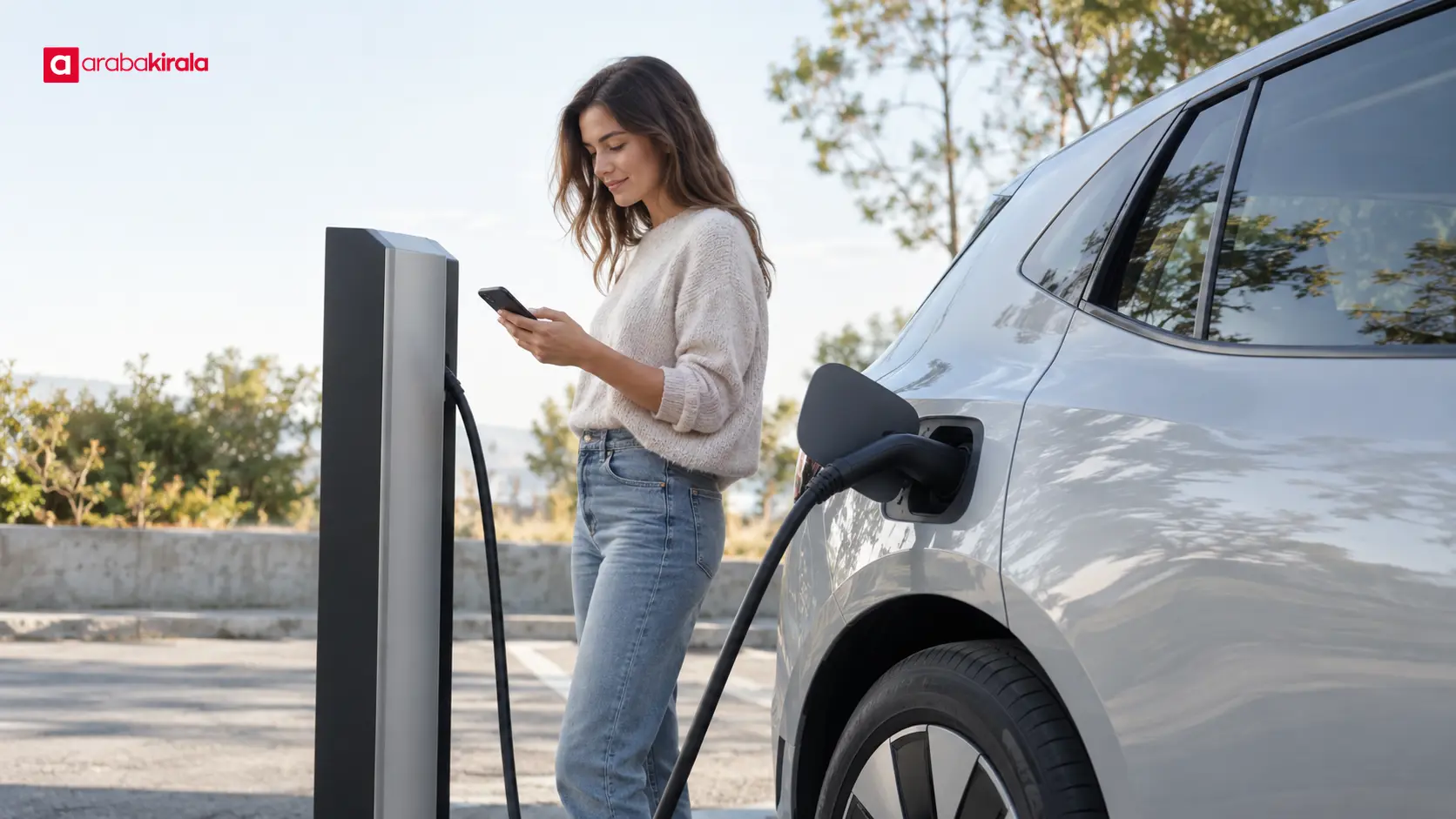
Check fuel or charge, headlights, signal lamps, wipers and washer fluid. Clean inner and outer glass helps preserve visibility. Follow the vehicle’s owner’s manual, and get help before setting off if a warning indicator or fault is unclear. Do not continue driving a vehicle that appears unsafe.
Windows, lights and visibility
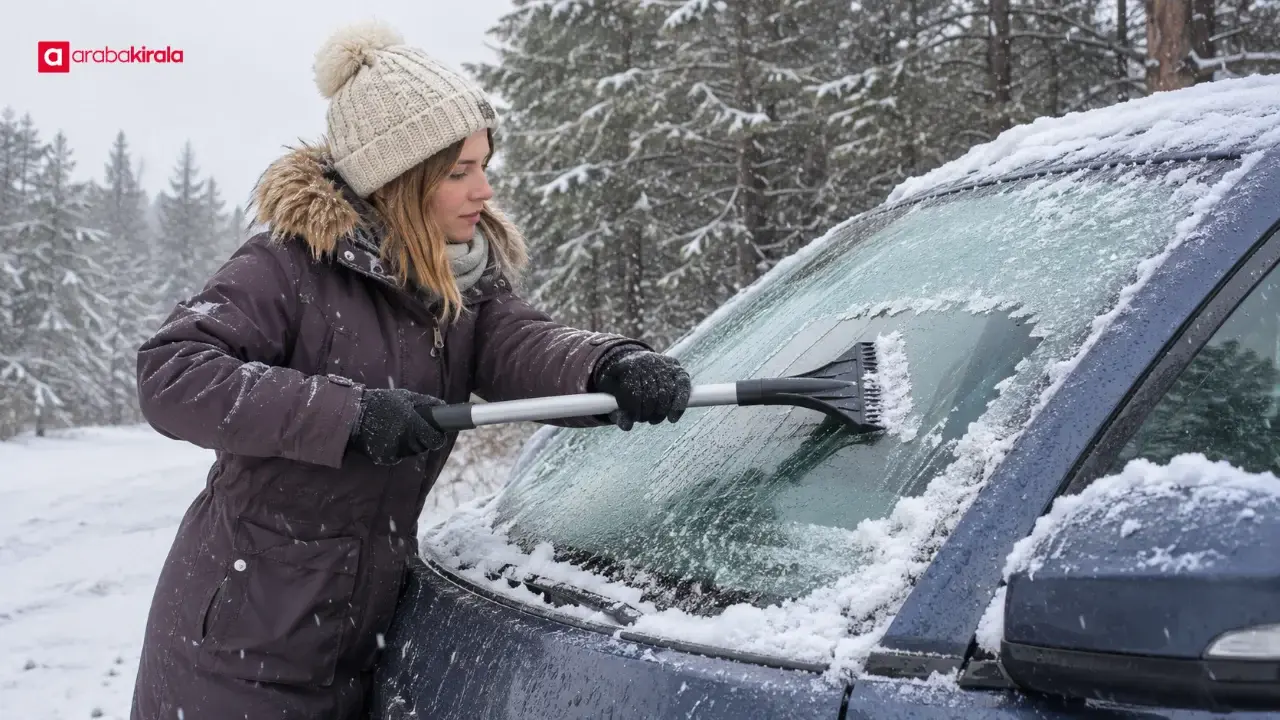
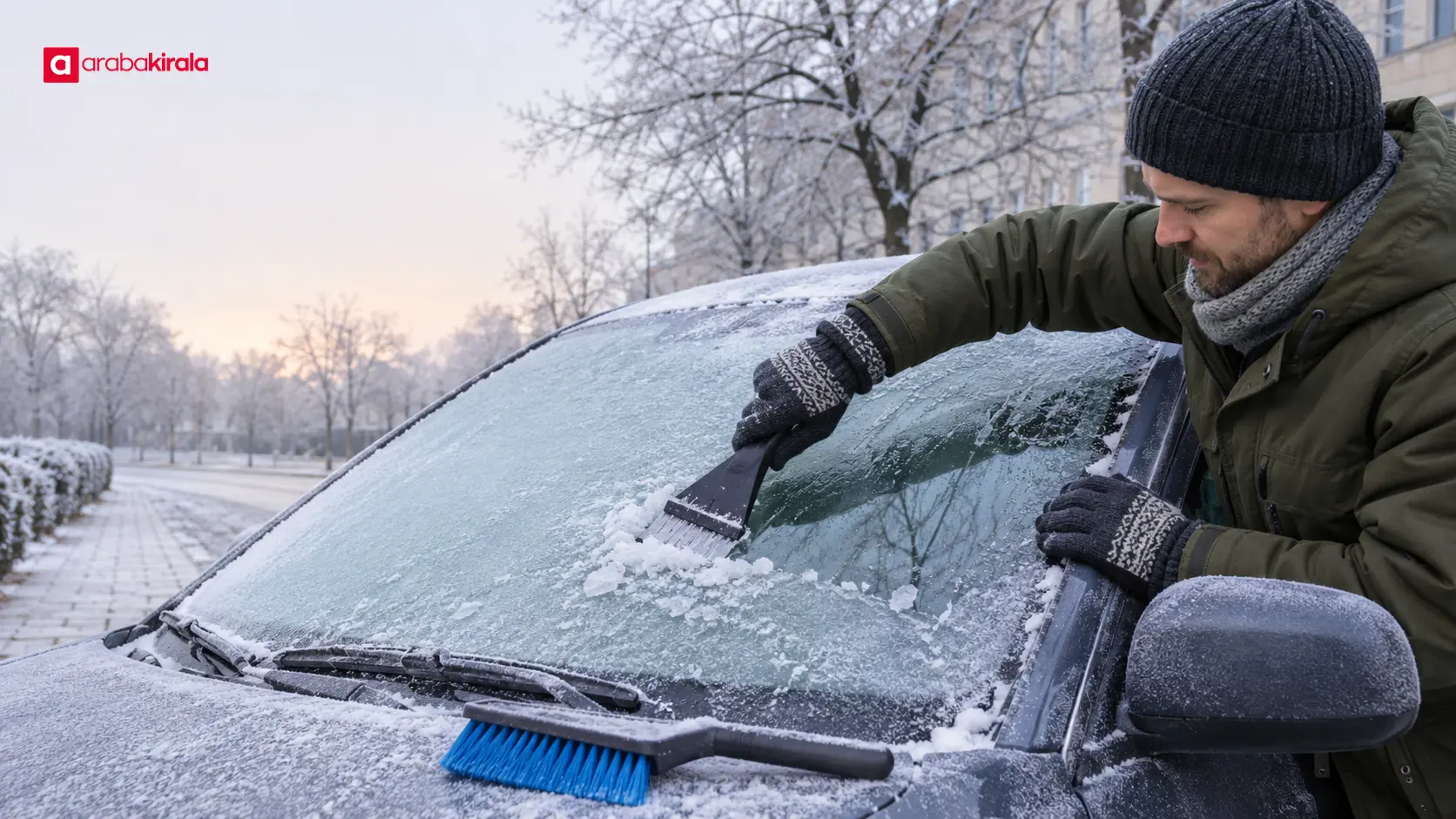
Before moving, clear snow and ice from the front, side and rear windows. Clearing only a small patch does not provide a full field of view. Remove snow from headlights and rear lights as well. Use the vehicle’s ventilation and defogging settings as described in the manual, and do not drive while fogged glass blocks your view.
In rain or snowfall, low-beam headlights help others see the vehicle. When visibility drops, reduce speed to a level that lets you stop safely. Use fog lights only when conditions call for them and in line with the vehicle instructions. High beams can reflect off dense fog or falling snow and make visibility worse.
Adapt your driving on slippery roads
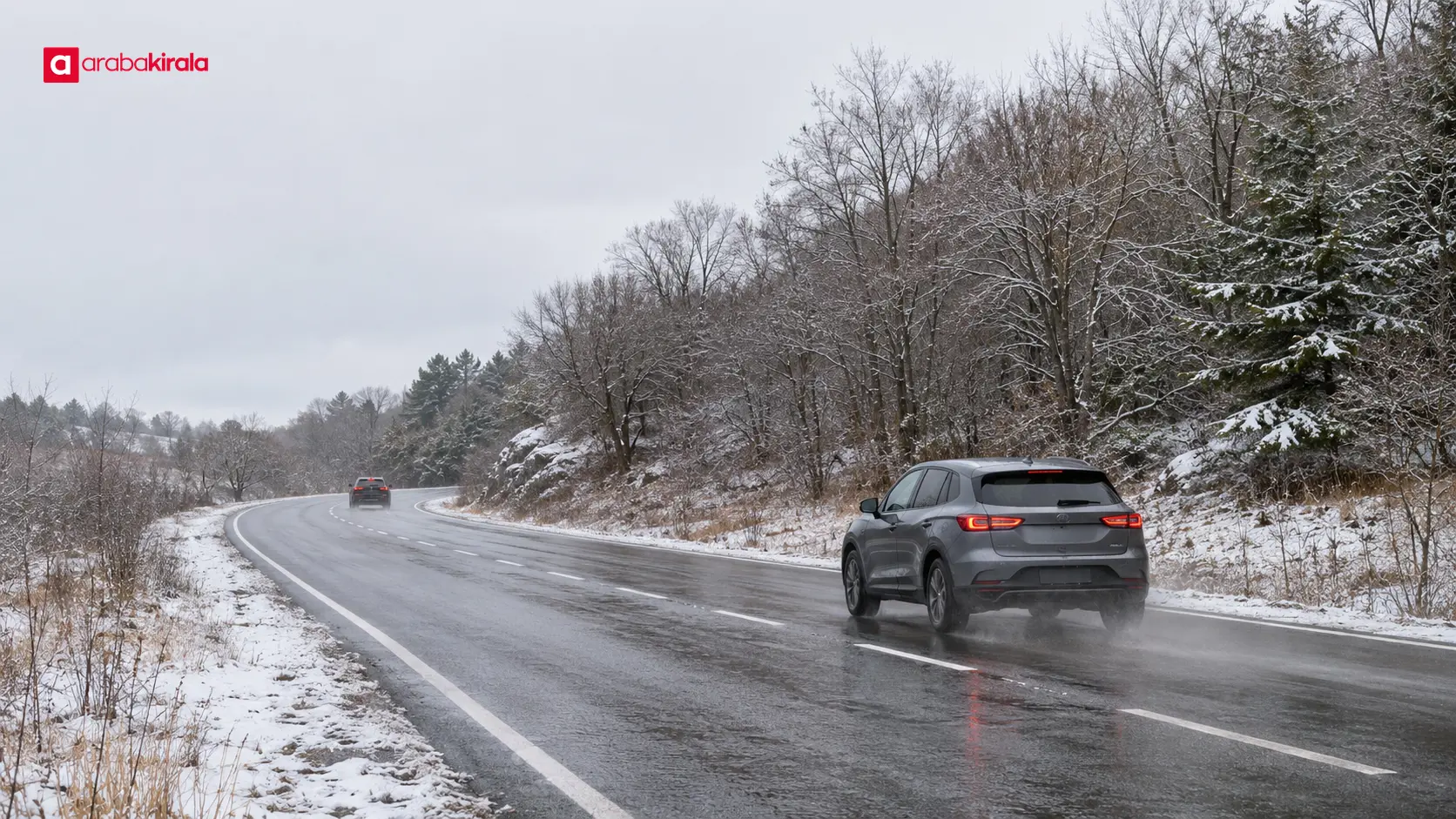
Snow, ice and wet surfaces can reduce tire grip. Lower your speed, leave more room ahead than you would in good conditions, and avoid abrupt acceleration, braking or steering. There is no single following distance that fits every weather condition. Leave enough space for the visibility, road surface, traffic and vehicle response you have in front of you.
Reduce speed gently before a bend. Hard braking or a sudden steering input while turning can increase the chance of a skid. On hills, aim for steady, controlled progress and preserve space from the vehicle ahead. Knowing whether the car has front-, rear- or all-wheel drive can help you understand its behavior, but all-wheel drive does not remove the need for extra stopping distance on ice.
If the car begins to slide
If you feel the car sliding, avoid a panicked hard brake or sharp steering movement. Ease off the accelerator gradually and look toward the safe direction you want the vehicle to travel. For instructions specific to the vehicle’s stability or braking systems, consult its manual. If you cannot maintain control, stop in a safe place and wait for conditions to improve.
What to check when collecting a rental car
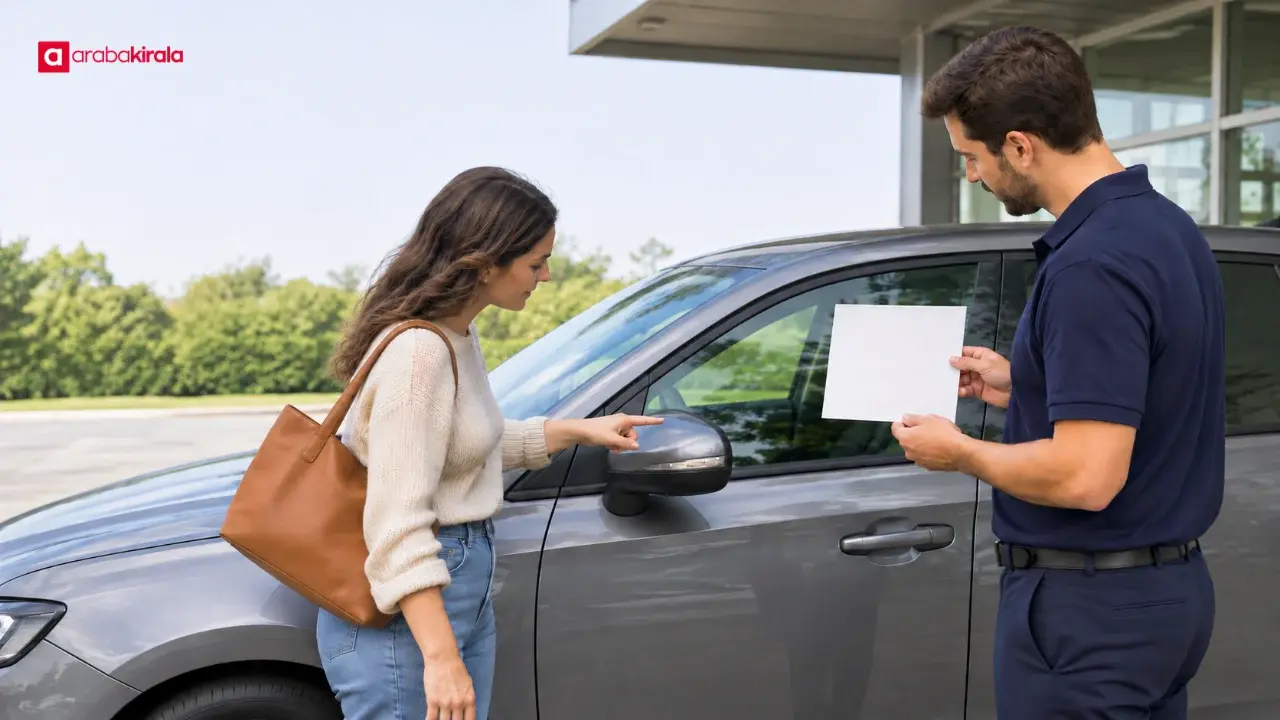
During car rental pickup, inspect the body, windows and wheels, and make sure existing damage is visible in the handover record. Recording the fuel or charge level and odometer at pickup makes it easier to compare the return record later. These simple records help you track the condition of the vehicle throughout the rental.
Before collecting a car for winter use, ask about its tire condition and the equipment available for your trip. Whether winter tires, chains or other equipment are supplied, and how they may be used, can depend on the vehicle, route and branch. Confirm the details with the office handling your reservation. If chains may be needed, find out whether they suit the vehicle and learn how to fit them safely beforehand. Do not try an unfamiliar procedure beside traffic or on unsafe ground.
Ask where the warning indicators are and how to carry out basic checks. Read the rental paperwork and handover record for details specific to your booking, such as recorded damage, fuel or charge level, return location and contact procedure. Ask the pickup office to clarify anything you do not understand. This keeps the advice tied to the vehicle and reservation in front of you.
Plan breaks and prepare for a roadside delay
Take breaks on longer winter drives before your concentration fades. Fatigue, cold and poor visibility can make decisions harder. Choose a safe place away from traffic to stop, not a spot where your vehicle is hidden from view or the surface is hazardous. If road or weather conditions worsen, do not take risks to keep an arrival time.
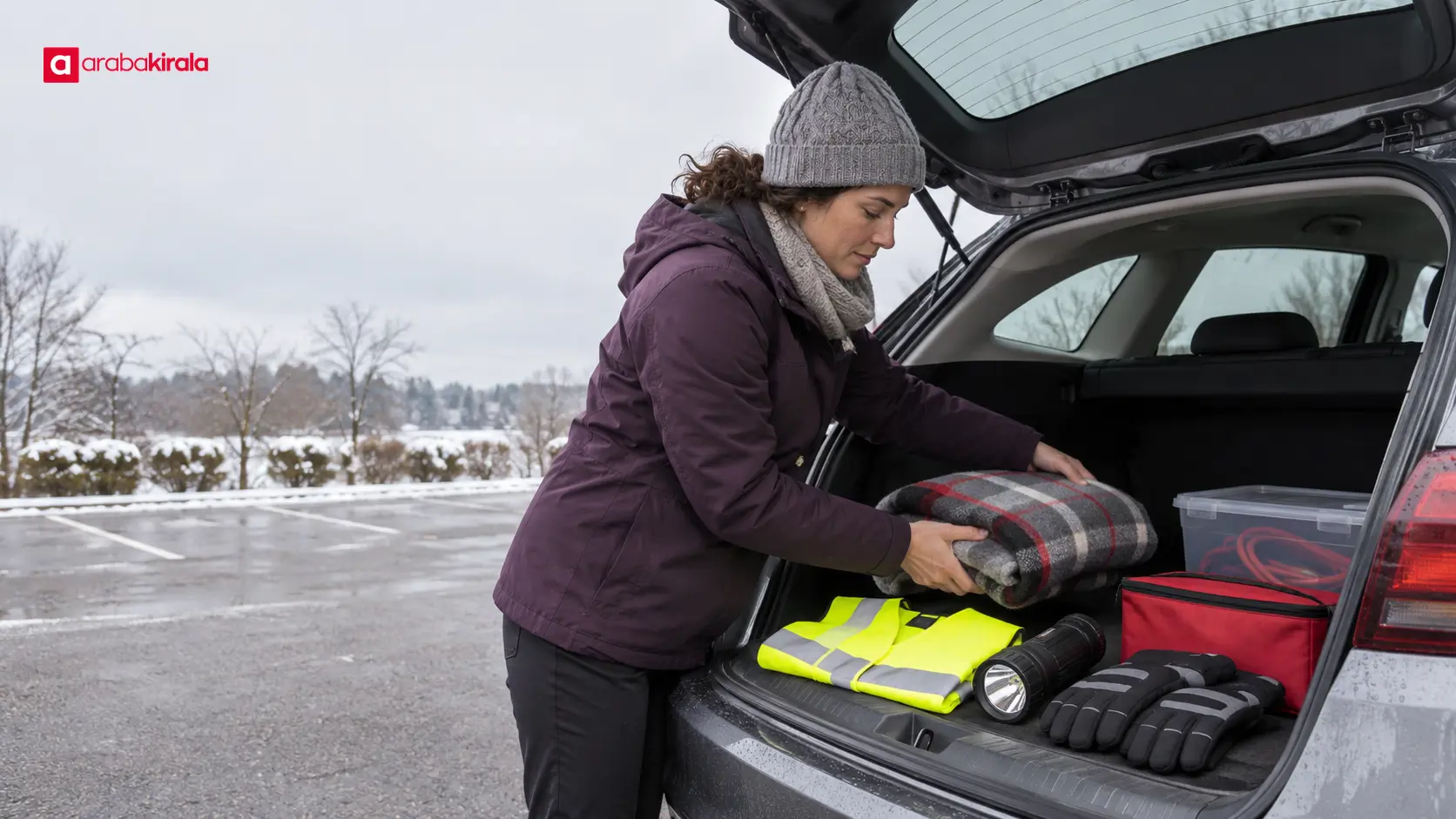
Keep your phone charged and consider saving route information for offline access. Weather-appropriate clothing, gloves, water and a flashlight can be useful. Secure items in the trunk so they do not move around the cabin during sudden braking. If the car has a warning triangle or other safety equipment, learn its location during pickup.
In a breakdown, collision or roadside delay, first protect yourself and your passengers. If possible, move the car to a safe place away from moving traffic, then use hazard lights and any supplied safety equipment according to its instructions. Do not attempt vehicle work in a dangerous traffic position. For a rental car, keep the contact details provided at pickup ready because reporting and assistance steps depend on your reservation.
A short winter driving checklist
- Check the forecast, route and current road information before departure.
- Clear the windows, mirrors and lights so your full field of view is open.
- Inspect visible tire condition and check the vehicle’s warning indicators.
- Adjust speed, following distance and approach to bends for the surface.
- Record existing damage and vehicle readings at rental pickup; ask the branch about winter equipment.
- Plan breaks and know what to do if the trip is interrupted.
Conclusion: leave prepared
Winter safety depends on several habits working together, not on one piece of equipment or one driving technique. Check current conditions, keep your view clear, inspect the car and match your speed to available traction. If you are planning winter car rental, settle your route before pickup, record the vehicle’s condition and confirm branch-specific equipment details. Before you set off, review the forecast and road information, then complete a brief walkaround and visibility check.
Frequently Asked Questions
How much following distance should I leave in winter?
No single gap suits every road and weather condition. Ice, snow, rain, poor visibility, traffic and vehicle response all affect how much room you need to stop. Leave enough space to slow down and stop safely; increase the gap and reduce speed as conditions worsen.
Do winter tires prevent skidding on ice?
Winter tires can support traction in cold and winter conditions, but they cannot prevent every skid on ice or guarantee a safe stop. Lower speed, smooth inputs and attention to road conditions remain essential.
How can I find out whether a rental car has winter tires or chains?
Ask the office handling your reservation whether the equipment is available and what conditions apply. Consider your route when deciding whether chains may be needed. Do not use equipment that is not suitable for the vehicle or contrary to its instructions.
Can I keep driving when the windows fog up?
Do not continue while fogged glass restricts your view. Use the vehicle’s ventilation and defogging controls as described in its manual, check that your field of view is clear, and stop somewhere safe if needed.
What should I do if the car slides on snow or ice?
Avoid sudden braking or sharp steering, ease off the accelerator smoothly and try to maintain control. Follow the vehicle manual for its specific systems. If you cannot continue safely, stop away from traffic and seek assistance.