Winter Visit to Nallıhan Bird Sanctuary: Viewing and Preparation
Published: November 14, 2026 • Reading Time: 6 min • Last Updated: November 14, 2026 • Author: Merve B.
Contents
- What a winter visit is like
- How to choose a viewing area
- Distance and line of sight
- Light and weather
- Clothing and day-bag preparation
- Respectful and safe wildlife watching
- Planning the day and the journey
- A simple observation routine
- Conclusion: make the winter visit comfortable
- Frequently Asked Questions
- Related Articles
Nallıhan Bird Sanctuary in winter can be rewarding when you plan for cold, changing light, and quiet observation. This guide explains how to choose a suitable place to look over the wetlands, what to carry, and how to watch birds without affecting their behavior. Seasonal conditions and wildlife movements vary, so build the visit around the landscape and the experience rather than a promise of seeing a particular species.
What a winter visit is like
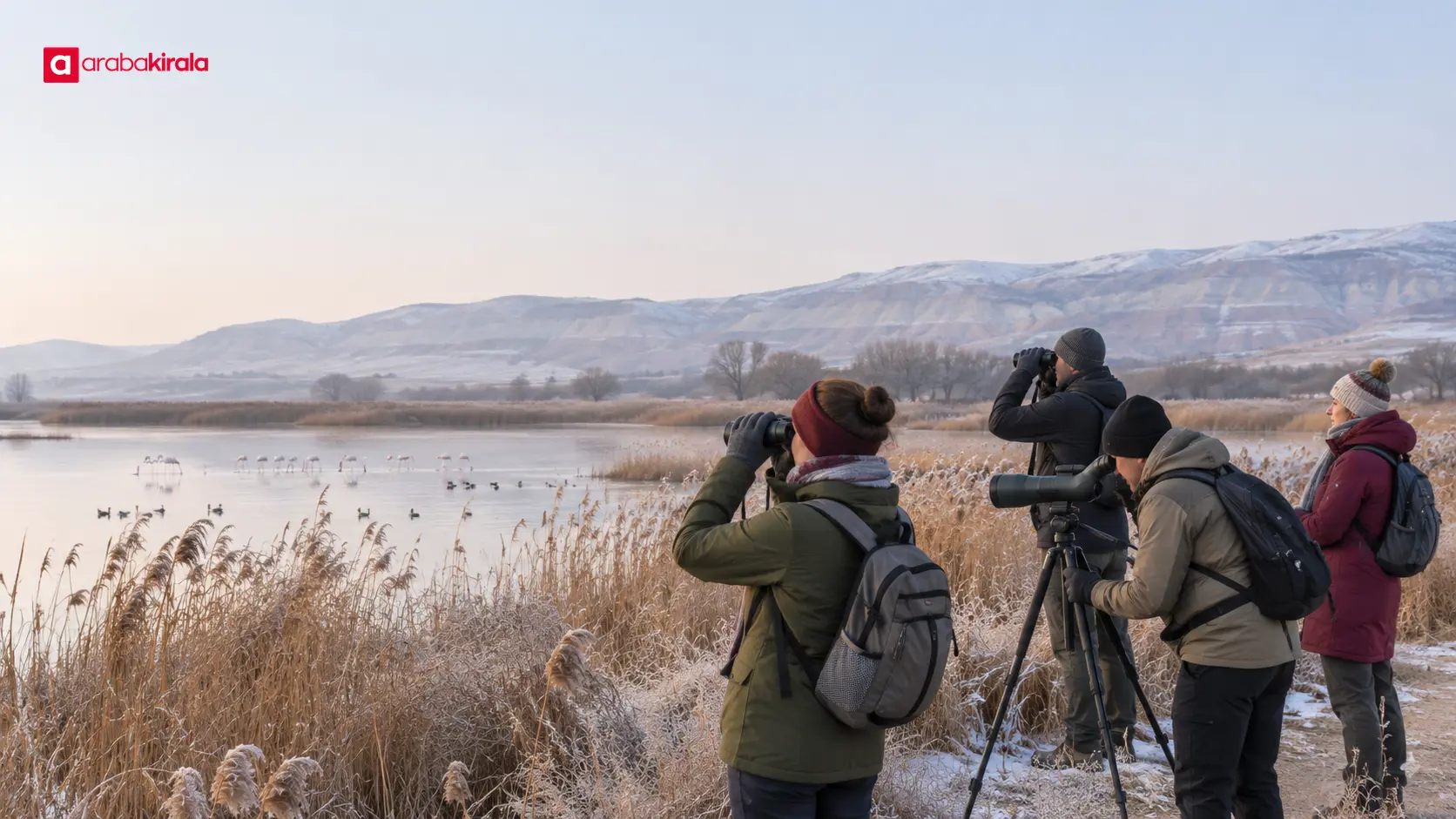
Nallıhan Bird Sanctuary offers a wetland landscape whose colors and appearance change with the season. In winter, bare or dormant vegetation, low sunlight, and open water can create a different view from warmer months. Wind and cold also influence how long you are comfortable outdoors. A measured pace gives you time to notice both birds and the broader setting.
Bird locations and activity depend on weather, water conditions, and natural movement. Do not assume a particular species will be present, or that every viewing spot will be accessible on every day. Before departure, check current visitor information, route conditions, and the weather for the date of your trip.
How to choose a viewing area
Look for permitted places with a clear view of the water, reed edges, or open parts of the wetland. Each offers a different perspective, and a quiet pause can reveal movement that is easy to miss while walking. Follow marked paths or designated viewing areas where provided. Avoid entering vegetation or approaching sensitive habitat just to improve a view.
Distance and line of sight
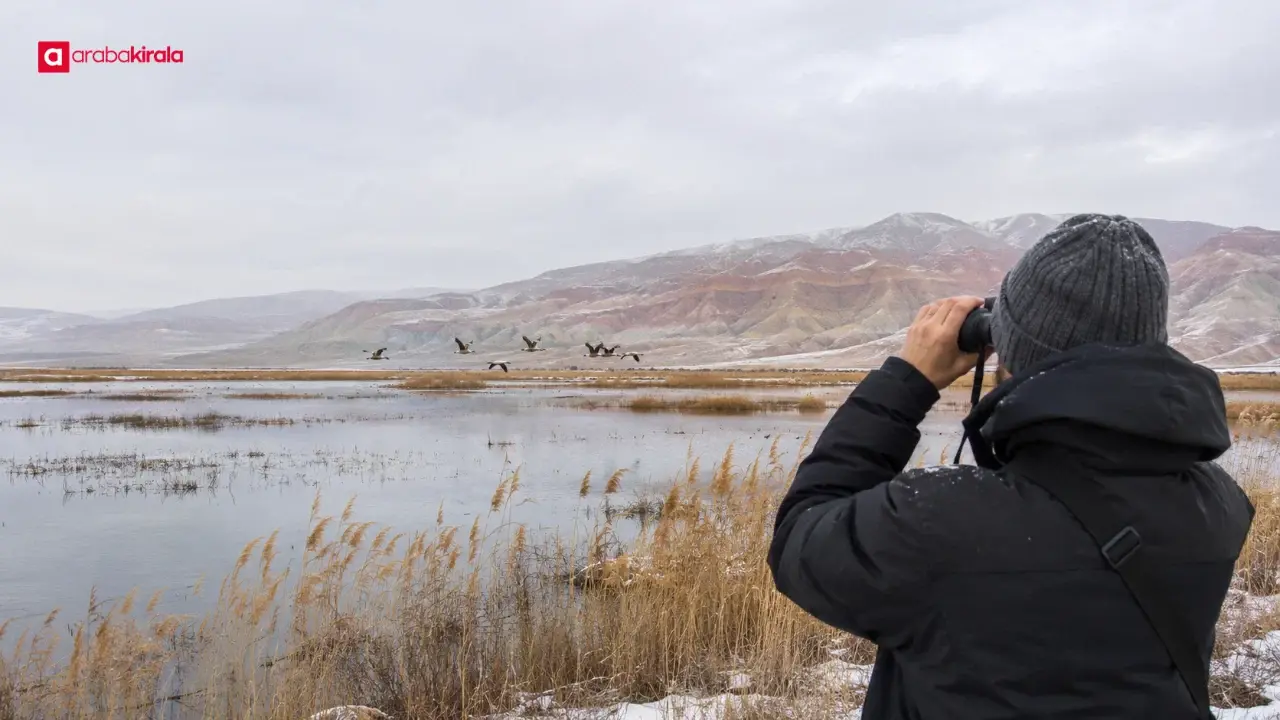
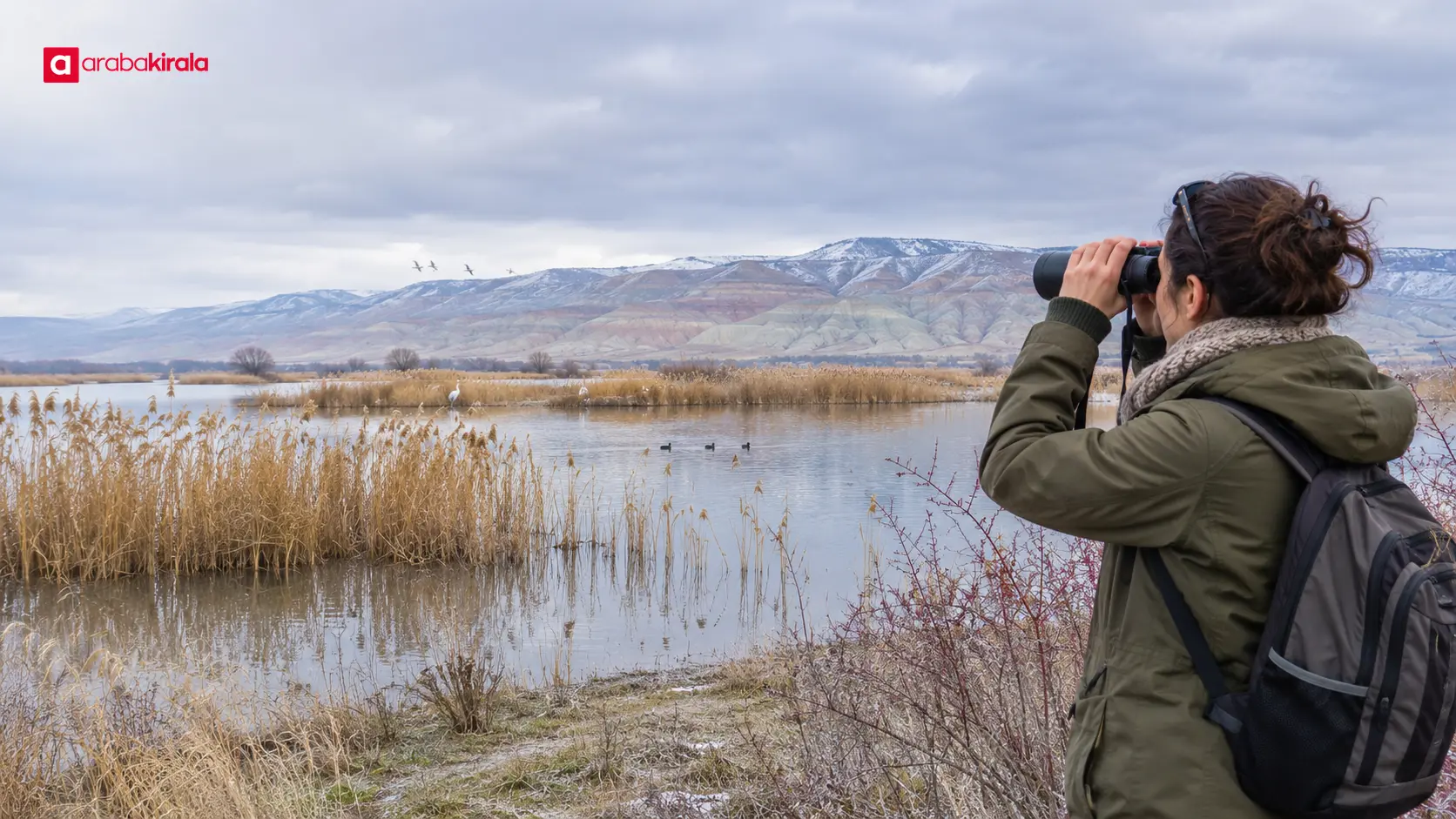
You do not need to reach the water's edge to watch birds. Binoculars help distinguish movement and shape from a safe distance. Rather than walking closer with a phone camera, observe from an allowed location. If birds appear unsettled, increase your distance and move away quietly.
Light and weather
Winter sunlight sits low, and glare on the water can make birds harder to see. Pay attention to the direction of the light and choose a viewing angle that reduces reflections when possible. Exposed shorelines can feel especially cold in wind. Take short pauses, enjoy the view, and notice whether you are becoming chilled.
Clothing and day-bag preparation
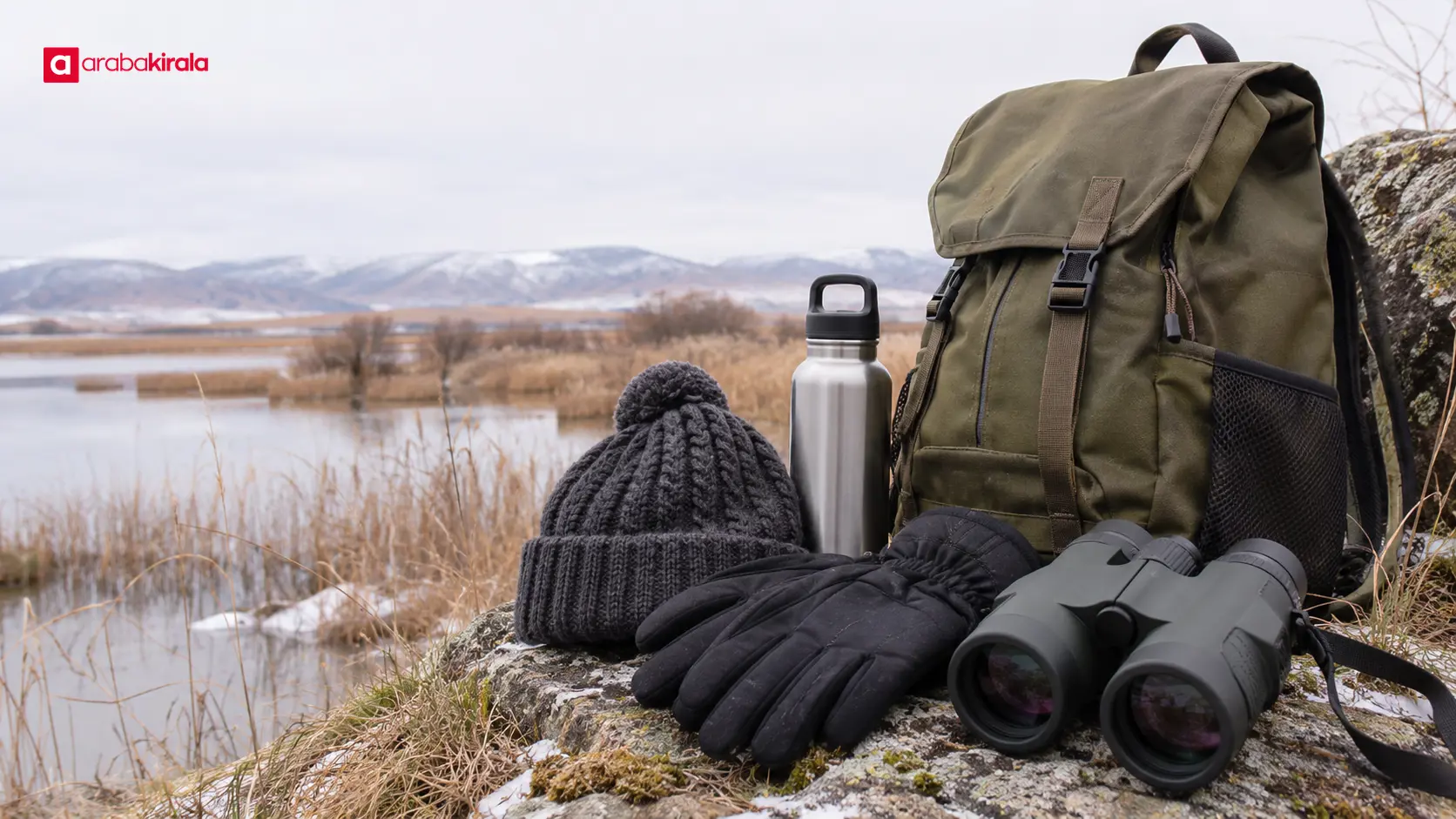
Standing still for observation often feels colder than walking. Wear layers that can be adjusted: a comfortable base layer, a warm middle layer, and an outer layer that helps block wind. A hat, gloves, and something to protect your neck can make a meaningful difference outdoors. Check the forecast and ground conditions; wet clothing can make cold exposure less comfortable.
Choose footwear for the surface as well as the temperature. Paths may be muddy, wet, or slippery, so shoes with grip and good support are useful. Even for a short visit, carry water, a suitable snack, spare gloves, and a way to keep your phone charged. Keep essentials easy to reach so you can stay focused on the surroundings.
- Pack adjustable layers suited to the forecast.
- Wear footwear with grip and bring spare socks if useful.
- Carry binoculars, water, a small snack, and phone power.
- Bring a small bag to take your rubbish back with you.
Respectful and safe wildlife watching
Birdwatching works best when animals can continue their natural activities. Loud voices, sudden movement, and close approaches can interrupt feeding or resting. Do not feed birds: food can affect natural behavior and leave waste in the habitat. Keep away from areas that appear sensitive, including places where birds are nesting or gathering to roost.
Avoid flash photography and do not leave the route to get a picture. If you are considering bringing a pet, check current access rules in advance and keep the animal controlled and away from birds. If weather worsens, shorten the outing and prioritize a safe return over completing a planned route.
Planning the day and the journey
Winter daylight is limited, so plan your departure and return with daylight in mind. Check the route, road conditions, and forecast on the day of travel. If visibility or road conditions are poor, changing the plan is safer than rushing. When combining the visit with other stops or an overnight stay, keep outdoor time realistic and leave room for rest.
If you are travelling by car, review the route and your fuel or charging plan before setting out. If using a rental car, ask the branch you will rent from about reservation and pickup details, location-specific arrangements, and questions related to winter travel. Do not assume every service is available at every location. Sorting out those details in advance helps keep the day focused on the visit.
A simple observation routine
- Before leaving, check the forecast, daylight, route, and current visitor information.
- Dress in layers and place binoculars and essentials where you can reach them.
- Pause at a permitted viewing area and scan the surroundings quietly.
- Watch wildlife from a distance and avoid actions that change its behavior.
- If cold, wind, or ground conditions become difficult, shorten the visit and return safely.
Conclusion: make the winter visit comfortable
For a more rewarding winter visit, choose viewing areas carefully, dress for the conditions, and give birds room. Keep expectations flexible and allow time for the whole wetland landscape instead of measuring the trip by one sighting. Start by checking the forecast and current access conditions for your date, then prepare a short, adaptable route and the gear you need.
Frequently Asked Questions
What should I prepare first for a winter visit to Nallıhan Bird Sanctuary?
Check the weather and route conditions for the day, then dress in layers. Add a hat, gloves, and shoes suitable for potentially wet or slippery ground, especially if you expect to spend time standing still.
Do I need binoculars to watch birds?
No. Binoculars are helpful because they make distant birds easier to see without approaching them, but they are not essential. You can observe from a permitted viewpoint and take time to scan the area with the naked eye.
Can I expect to see particular bird species in winter?
Which birds are present depends on seasonal conditions and natural movements. Avoid planning around a guaranteed sighting. Enjoy the wetland as a whole and observe whatever wildlife is present from a respectful distance.
Is it okay to feed birds during the visit?
No. Feeding can affect natural behavior and leave waste behind. Carry food for yourself, take packaging home, and let birds forage naturally.
What should I confirm before travelling in a rental car?
Along with the route and winter conditions, confirm reservation, pickup, and other location-specific details with the branch you will rent from. Check whether current road conditions are suitable for your planned journey.