WRC Stage Start Intervals and Dust Visibility
Published: November 13, 2026 • Reading Time: 7 min • Last Updated: November 13, 2026 • Author: Merve B.
Contents
- What does a stage start interval mean?
- Why the interval cannot control dust on its own
- Starting order and stage flow
- Dust and a driver's view of the road
- How organizers manage a stage
- Watching a dusty stage more safely
- What to check when following the schedule
- Summary and next step
- Frequently Asked Questions
- Related Articles
- Sources
WRC stage start intervals describe the planned time gap between cars released onto a closed rally road. This guide explains how the interval and starting order shape the flow of a stage, why dust from a gravel road can affect visibility, and how spectators can watch more safely. A start interval does not guarantee identical or clear sightlines for every driver; weather, terrain, and the road surface also matter.
What does a stage start interval mean?
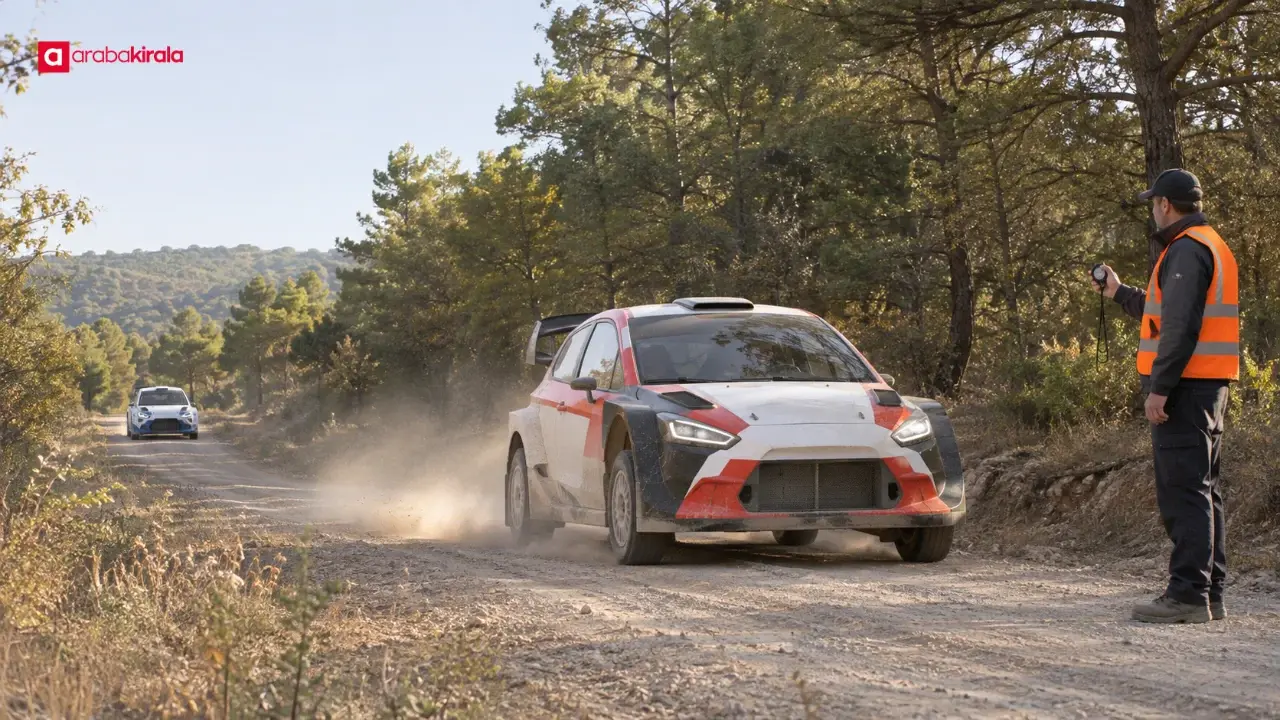
A rally stage is a timed section of road that is closed to ordinary traffic for competition. Cars leave the start in an organized sequence rather than all at once. The time between departures helps manage the event's flow and lets officials track cars on the route. FIA sporting regulations provide a framework for competition, while the event's published start list and operational notices give the schedule for a particular rally.
Starting order and interval are related but distinct. The order tells you which car goes first; the interval is the planned time separating consecutive starts. Published start times help spectators follow the schedule. If the stage is delayed, stopped, or restarted, official notices and instructions from marshals should guide what happens next.
Why the interval cannot control dust on its own
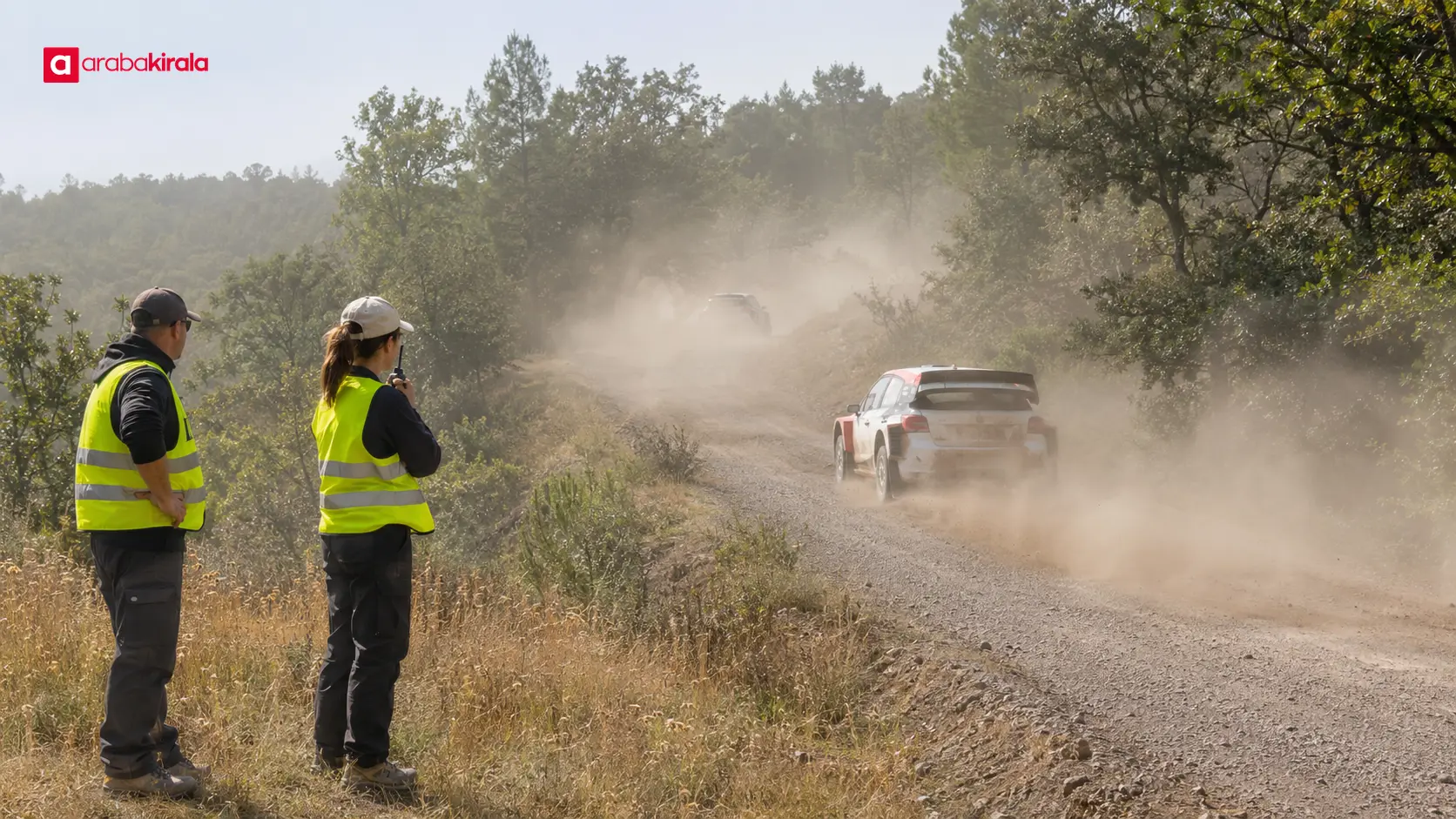
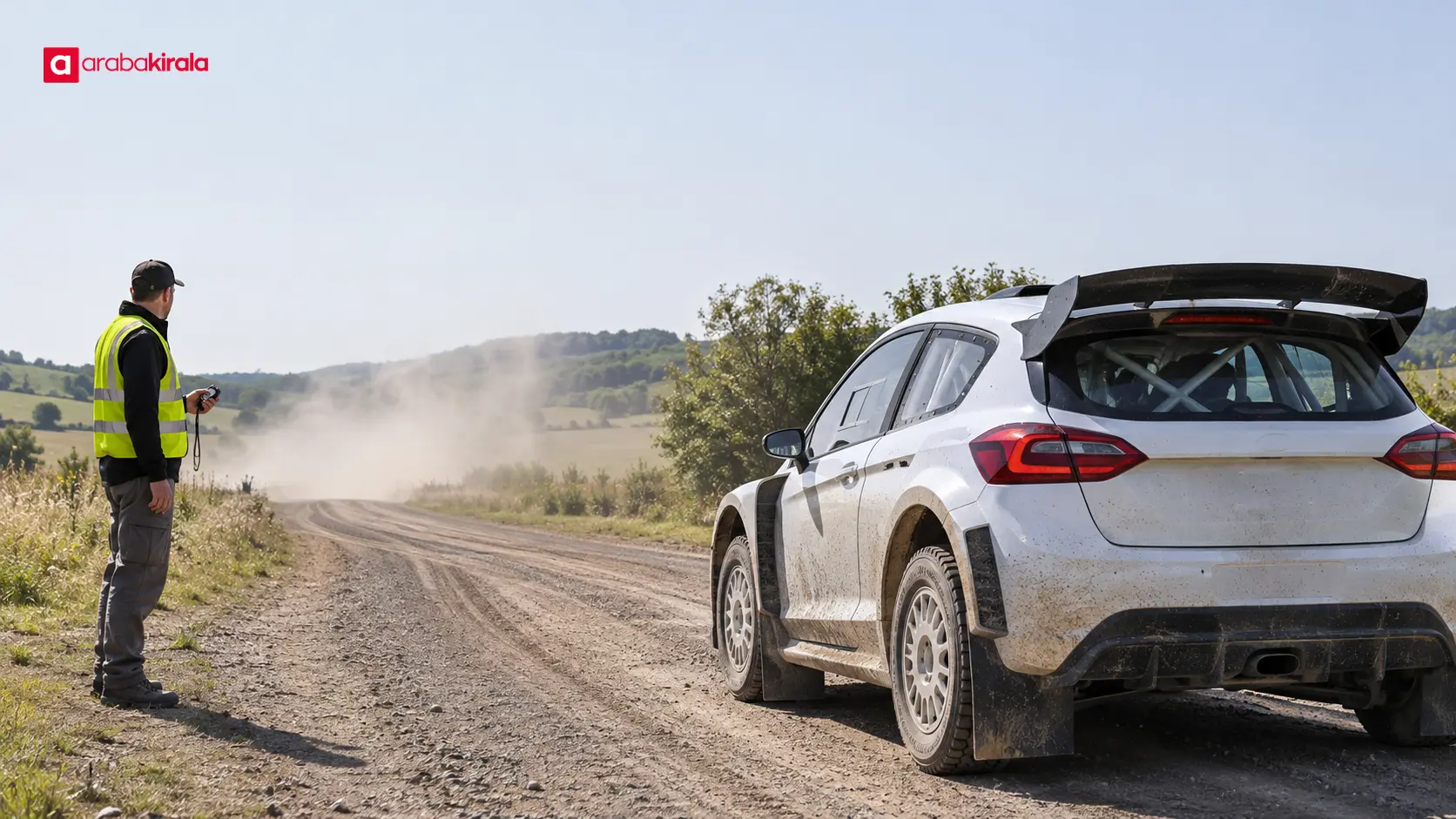
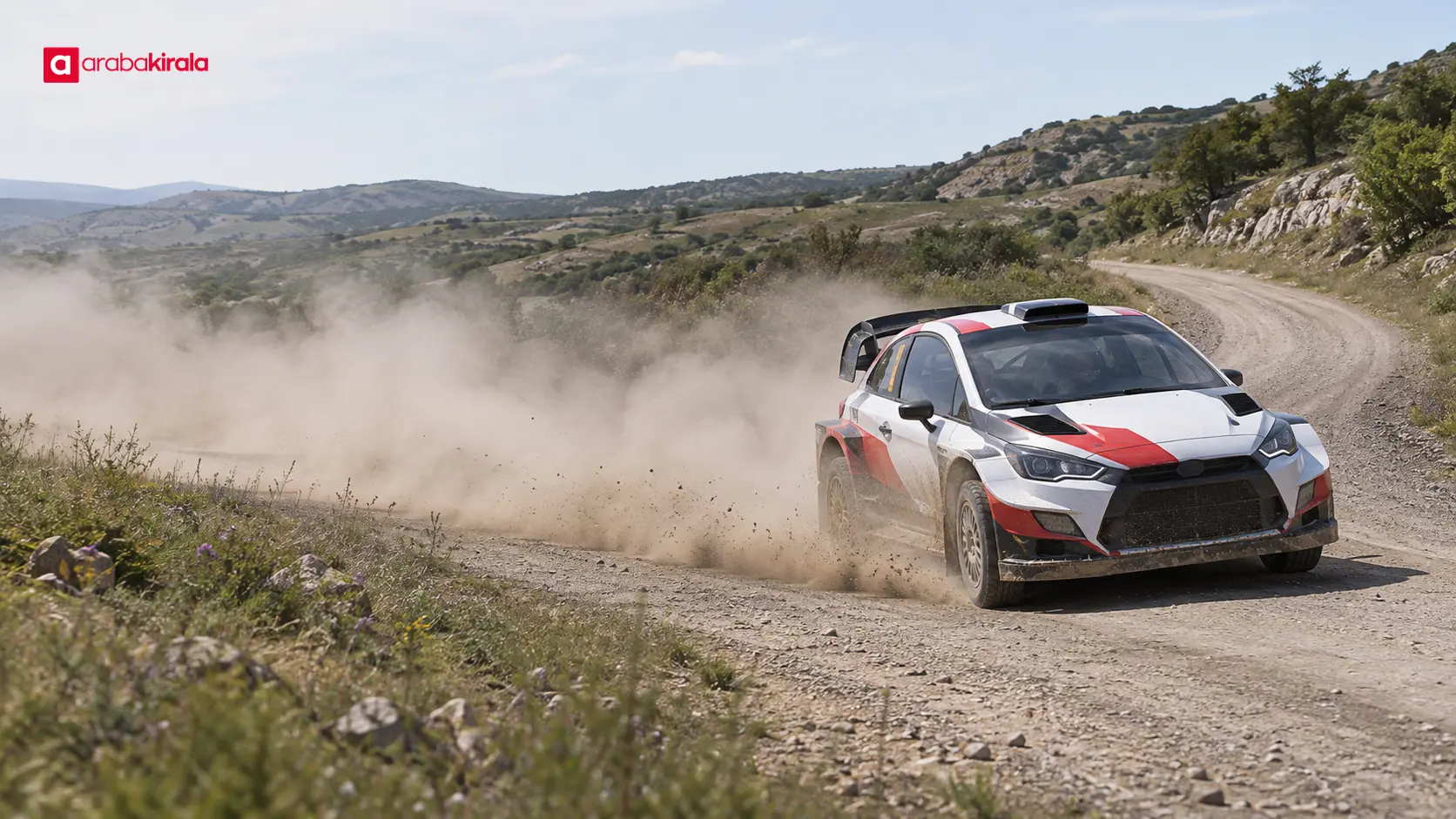
On gravel, tires lift loose particles into the air. A following car entering that dust cloud may have more difficulty seeing the road edge, the direction of a bend, or changes in the surface ahead. The effect depends on whether the ground is dry or damp, the direction and strength of the wind, the shape of the road, and where the dust has collected. The time gap alone cannot tell you what visibility will be like for every car.
Dust can linger over the road, disperse with wind, or drift toward its edges. Open ground, wooded sections, and narrow valleys can each affect airflow differently. These factors explain why dust varies; they are not a prediction about a particular event. Drivers have to account for visibility as one of the conditions that shape their pace and line through the stage.
Starting order and stage flow
Starting order may depend on the competition format and the event's regulations. There is no single order or interval that should be assumed for every rally. The current start list, stage schedule, and official notices show the plan for that event. If cars are delayed or officials stop the stage for safety, later starts may also be affected.
Do not read a start interval as a guarantee that cars will never catch one another on the stage. Competitors can travel at different speeds, and the applicable rules and event procedures address what happens when a following car catches the car ahead. The details should be checked in the regulations for that competition rather than assumed to be identical at every event.
Dust and a driver's view of the road
Visibility distance is the space in which a driver can identify the road and hazards in time to respond. Dense dust can make an edge, loose stones, a water crossing, or a bend harder to pick out. Pace notes and communication within the crew matter in rallying, but they do not remove the physical limits of what a driver can see. The driver still has to control the car for the conditions present.
When a car emerges from dust, a sudden change in light and contrast can also make it harder to read the surface. Gravel offers different grip from tarmac, and loose material can affect braking and cornering behavior. The point here is not to provide driving instructions; it is to show how the interval and conditions in the atmosphere combine to shape a stage.
How organizers manage a stage
Before a stage, organizers coordinate measures such as closing the road, placing marshals, scheduling starts, and communicating safety information. An incident or changing conditions may lead race officials to pause the competition or adjust its flow. Those decisions belong to the event's authorized officials. A spectator's view of a dust cloud is not enough to determine whether the stage is officially safe or unsafe.
For spectators, official announcements and marshal instructions are the practical source of direction. Do not cross barriers when a stage is closed, enter the route used by competing cars, or block emergency access. Rally stages can use public roads temporarily as competition routes, so areas outside approved viewing zones can carry serious risk.
Watching a dusty stage more safely
Before going to a stage, read the organizer's spectator map and safety notices. Note the direction cars will approach from, the designated viewing zone, and where marshals are positioned. Standing behind tape or on higher ground is not automatically safe in every location; stay only in areas approved by the organizer.
- Follow instructions from marshals and safety personnel immediately.
- Do not stand on the inside of a bend, in a run-off area, or on a line where a car could change direction.
- If dust reduces visibility, do not leave the safe area to look for a better view.
- Keep children and people in your group within the designated viewing zone.
- If the stage is stopped, stay away from the road until officials announce it has reopened.
People sensitive to dust may also want to consider possible irritation to their eyes or breathing. Wind, the direction cars travel, and the surface at a viewing point influence how much dust reaches spectators. Personal protective choices depend on individual health; this guide is not medical advice. If discomfort starts, follow marshal instructions and move away from the area.
What to check when following the schedule
Stage times, the start list, and official rally notices work together. A schedule shows planned starts, while notices report delays or changes. A gap in a live timing feed alone does not prove a stage has been cancelled; wait for an official announcement before drawing that conclusion. If you are at the venue, local announcements and marshals may provide the fastest direction.
When planning transport to a viewing point, check the event's official information for road closures and spectator access times. Do not assume that a spectator pass allows entry to the start area or service park; access rules depend on the location. If you are arranging a rental car for travel to the event, confirm pickup and return details with the branch you booked. That is a transport-planning detail separate from rally safety rules.
Summary and next step
WRC stage start intervals organize the sequence in which cars enter a competition road, but they cannot determine how quickly dust clears or guarantee the same visibility at every point. Road surface, wind, and stage layout all play a part. If you plan to watch, follow the event's current start list and safety updates, remain in designated viewing areas, and follow marshal instructions.
Before setting out, check the rally organizer's official spectator guide and the latest stage notices. They are the most useful next step for finding approved viewing areas and learning about schedule changes.
Frequently Asked Questions
What does a WRC stage start interval mean?
It is the planned time gap between consecutive cars starting a stage. It helps organize the release sequence and schedule; it does not mean every event uses the same interval.
Does a longer gap completely solve dust problems?
No. Wind, moisture, surface, and terrain affect how dust disperses. A longer gap may give a cloud more time to thin in some conditions, but it cannot guarantee clear visibility for every driver.
How is the starting order decided?
The order follows the competition format and the sporting regulations that apply to that event. The official start list and notices are the right references for a particular rally, rather than assumptions based on another event.
Where should spectators stand at a dusty stage?
Stay only in viewing areas designated by the organizer and follow marshal instructions. A roadside spot, run-off area, or raised position should not be treated as safe unless officials have approved it for spectators.
How can I learn about a delay or stage stoppage?
Follow official event notices, local announcements, and instructions from marshals. A gap in timing data or a car not appearing is not proof of a stoppage or cancellation without an official update.
Related Articles
- What Is WRC Parc Fermé? How the Post-Stage Order Works
- WRC Start Numbers and Rally Numbers Explained
- WRC Water Crossings and Wet Stage Preparation