WRC Pace Note Symbols, Spectator Areas and Restricted Zones
Published: November 28, 2026 • Reading Time: 6 min • Last Updated: November 28, 2026 • Author: Merve B.
Contents
WRC pace note symbols help a rally crew understand the road ahead, including direction changes, surface details, and features that require attention. This guide explains what pace notes do, why they are different from spectator information, and how to watch a stage from an authorized area. A pace note book is made for the crew; it is not a spectator map. Plan where to watch using the event organizer’s spectator guidance.
What a pace note book describes
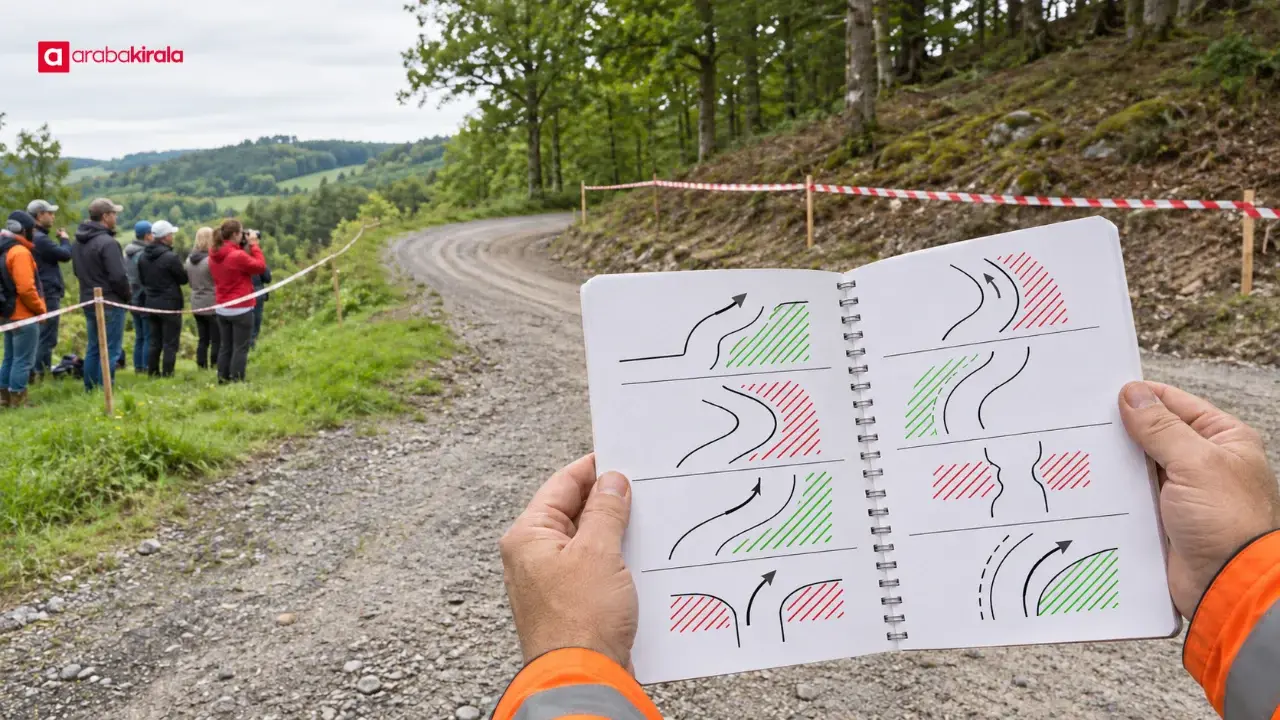
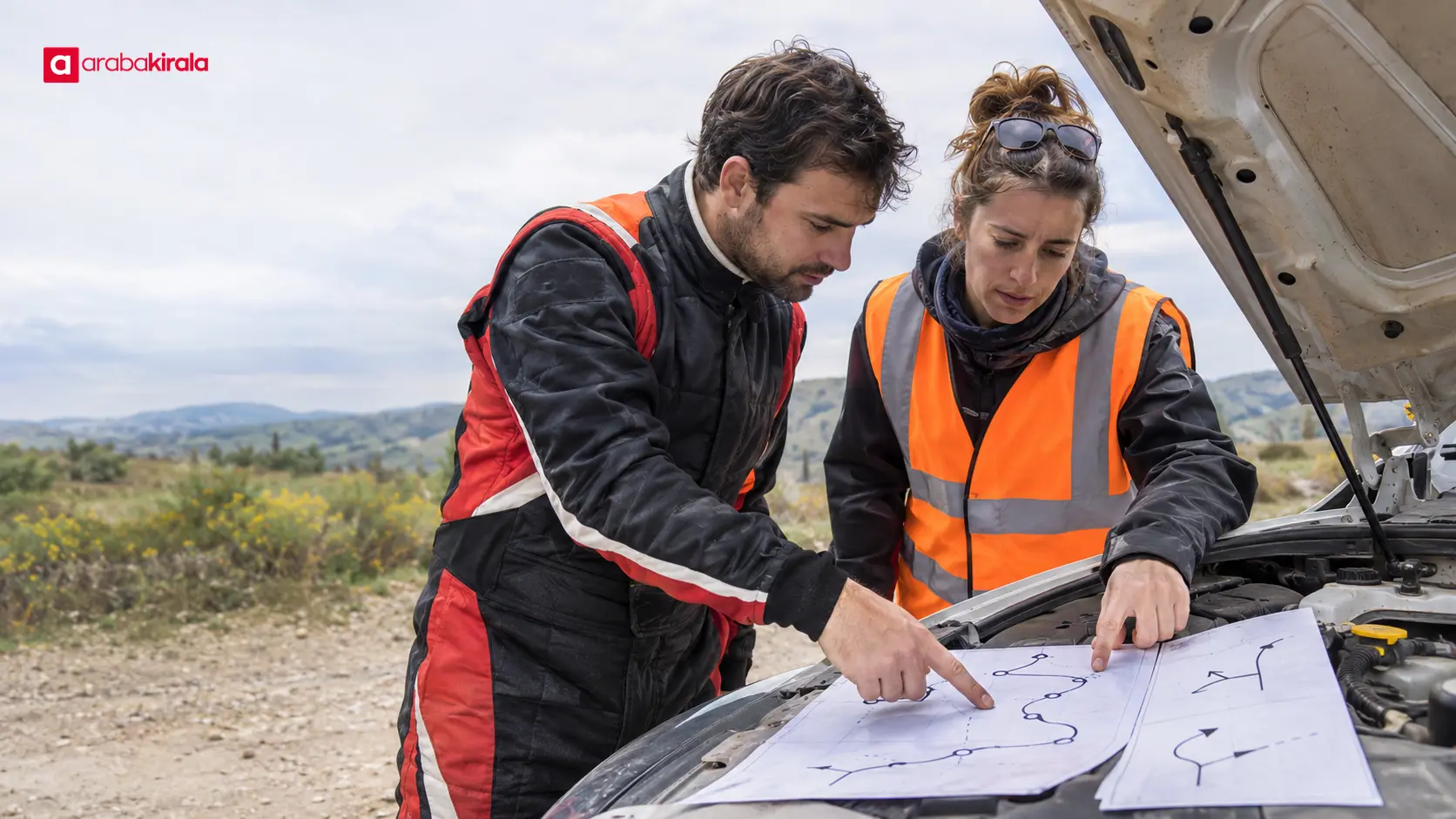
A rally stage is a timed section of road closed to ordinary traffic for competition. Pace notes, sometimes collected in a route book, give the driver and co-driver structured information about that road. Notes may describe the sequence and shape of bends, changes in direction, gradients, or observations about the surface. Teams can use different formats and abbreviations, so one symbol should not be assumed to mean exactly the same thing in every crew’s notes.
The co-driver reads prepared information to the driver during a stage. The aim is to communicate what is coming up, including road features the driver cannot yet see. Pace notes are one part of the crew’s preparation. They do not explain the full event safety plan, public access arrangements, or where spectators are allowed to stand.
How to interpret the symbols
A note usually makes sense as part of a sequence rather than as an isolated drawing. A direction cue may be followed by a comment about a narrowing road or a surface change. Any grades, shorthand, or additional markings depend on the team’s own system. When examining a photograph of notes, look for an explanation from the source team or document instead of treating a symbol image found online as a universal reference.
It is especially important to distinguish crew information from spectator markings. Pace notes tell a crew about driving conditions. A spectator map or event notice tells the public about viewing points, access routes, and areas that are closed. A bend symbol in a pace note does not indicate that spectators may stand there or that the location is safe for viewing.
Direction and road shape
Notes can convey a change in direction, the character of a bend, or the sequence of road ahead. Crews may express these details in concise words or symbols suited to their own system. For a reader, the key point is that these are driving cues. They do not grant permission to enter a road or designate a public viewing point.
Surface and surroundings
Notes may also mention asphalt, gravel, loose ground, or a notable feature beside the road. Such observations help crews prepare for the stage, but weather and surface conditions can change. A note about a roadside feature does not make that location safe for spectators. Only the event’s spectator arrangements determine where viewers should stand.
Spectator areas and restricted zones
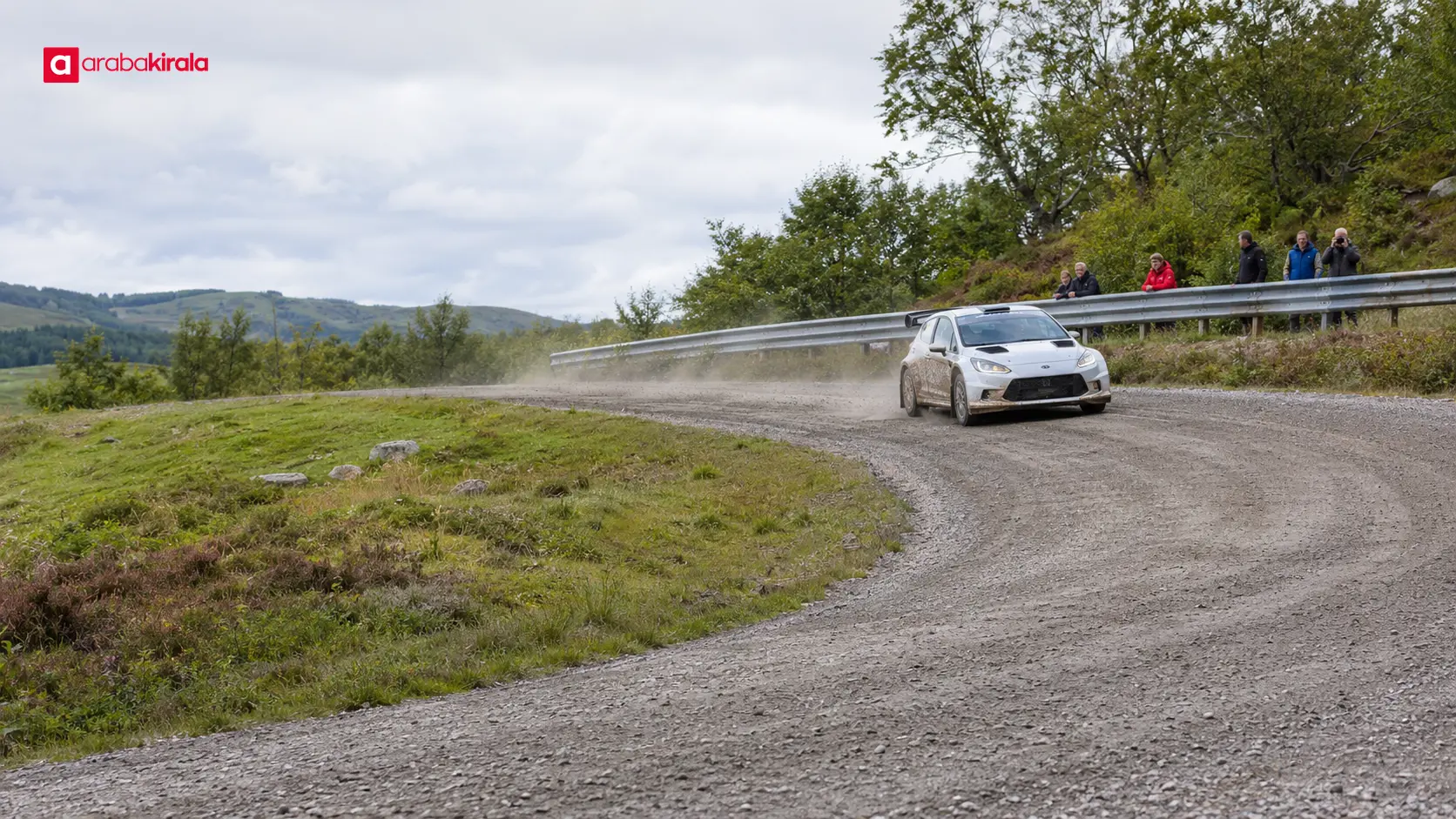
A spectator area is a location the organizer has designated for viewing and opened to the public. Access routes, sightlines, and the permitted standing area may be arranged for that event. A restricted zone is an area spectators must not enter. It may be closed because of stage safety, vehicle run-off risk, limited visibility, or the need to keep an access route clear. Do not assume all events use the same markings or spectator layout.
If a map does not show a spectator point, do not treat an empty roadside space as an approved viewing location. The outside of a bend, a braking or jump area, a narrow passage, and a vehicle escape route can present serious hazards. Standing behind a barrier does not automatically mean every position is permitted. Use the organizer’s designated areas and follow marshals’ directions.
Plan a safe visit
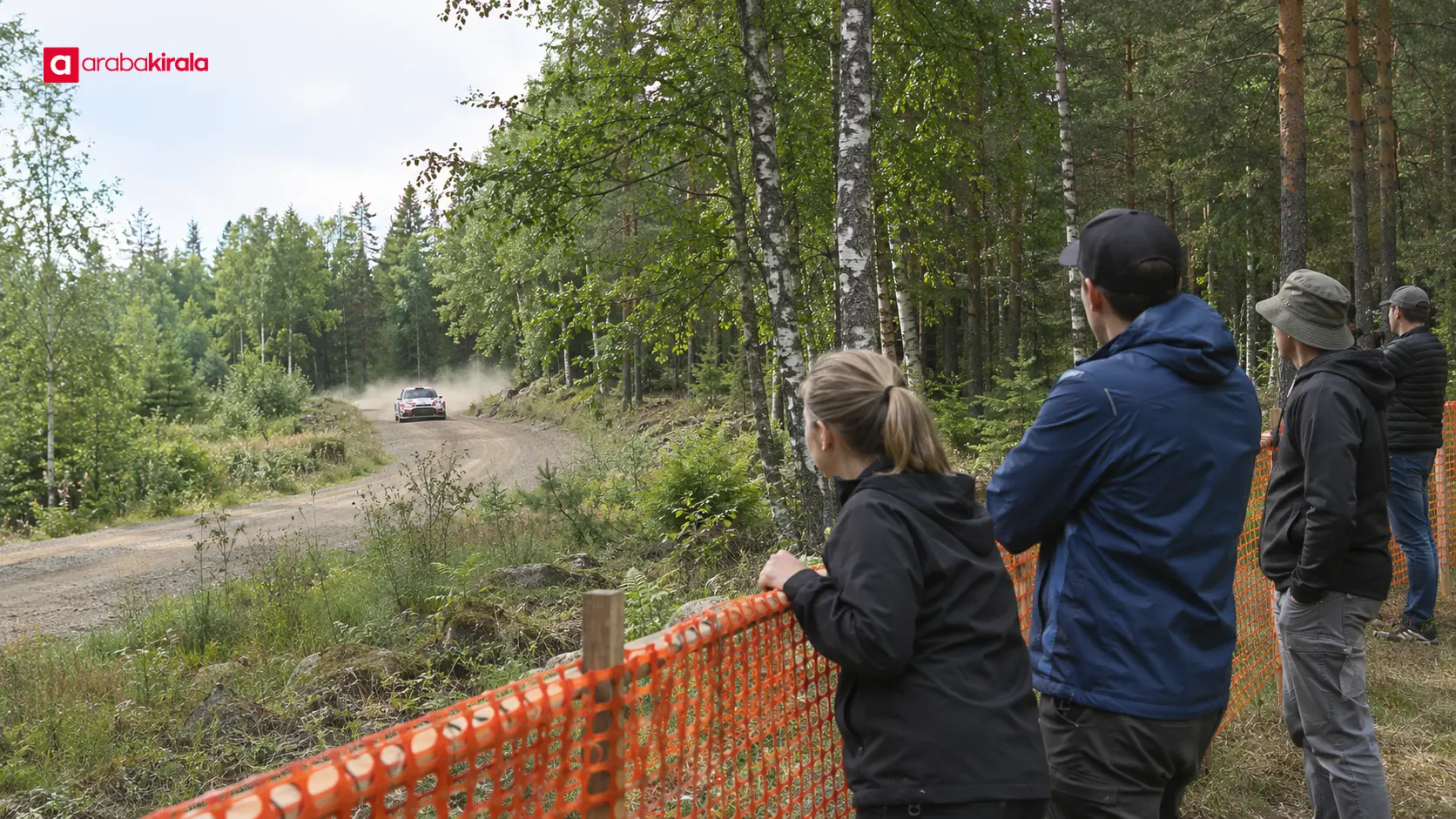
- Read the event’s official spectator guidance for viewing locations, access routes, and stage timing.
- Before travelling, check whether your chosen point is open for that event and review its access arrangements.
- At the venue, follow marshal instructions, stay behind barriers, and do not enter closed roads.
- Keep children close and manage pets away from the competition road and busy pedestrian routes.
- Do not climb trees, rocks, roadside structures, or barriers to improve your view.
- Watch the cars attentively and do not step outside the permitted area to take photographs.
Noise, dust, weather, and long periods on your feet can affect the experience. Prepare for the conditions and bring basic necessities such as suitable clothing and water. Review the organizer’s latest access and spectator updates before leaving; an old map may not reflect current arrangements.
When viewing pace note images
If you see a pace note photograph or video frame, first identify the event and crew it relates to. Note styles and abbreviations can be specific to a team, and an image without context provides limited evidence about a symbol’s meaning. A pace note book is not a substitute for the organizer’s spectator map or stage safety plan. As a spectator, use official event guidance rather than crew notes to decide where to watch.
Even when a stage map shows a viewing point, on-site conditions may lead to a change or closure. Marshals can direct visitors to reflect the current situation. If a map and on-site direction appear to differ, do not cross a boundary; ask a marshal while remaining in a safe area.
Summary and next step
WRC pace note symbols help crews prepare for the road; they do not, by themselves, identify spectator points or restricted areas. For safe viewing, check the organizer’s spectator map, stay within designated areas, and follow on-site directions. Review the official event access information before attending and plan your route accordingly.
Frequently Asked Questions
Does every pace note symbol have a standard meaning?
No. Teams may use different shorthand and note formats. Check the explanation for the particular document and its context instead of treating one symbol image as universal.
Are spectator areas shown in a pace note book?
Pace notes are primarily for the rally crew. Use the event organizer’s spectator map and public information to find viewing points and access routes.
Is the outside of a bend a safe place to watch?
Not necessarily. A vehicle may leave the road, so do not choose a location based on the bend alone. Watch only from an area designated for spectators at that event.
What should I do if a mapped viewing point is closed?
Follow marshal directions and do not cross into a closed area. Access arrangements can change during an event, and on-site instructions reflect current conditions.
How can I verify what a symbol means?
Look for an explanation from the team or the source document that contains the notes. If that context is unavailable, avoid making a definite interpretation and rely on official spectator information for viewing decisions.