How Do WRC Refuelling and Service Breaks Work?
Published: October 11, 2026 • Reading Time: 6 min • Last Updated: October 11, 2026
Learn how rally refuelling points, service areas, and the schedule between stages fit together, plus what spectators should know about safety and timing.
Contents
- Special stages, road sections, and service areas
- Where does WRC refuelling happen?
- Why is refuelling handled separately from service work?
- What do teams do during service?
- How does service timing affect the rally?
- What should spectators look out for?
- A short checklist for following rally operations
- Frequently Asked Questions
To understand WRC refuelling and service breaks, it helps to see a rally as a timed journey, not just a sequence of fast special stages. This guide explains where refuelling fits into the event, what teams do in a service area, how road sections connect the stages, and which details matter when following a rally. Exact schedules and procedures can vary by event, so the focus here is on the general structure.
Special stages, road sections, and service areas
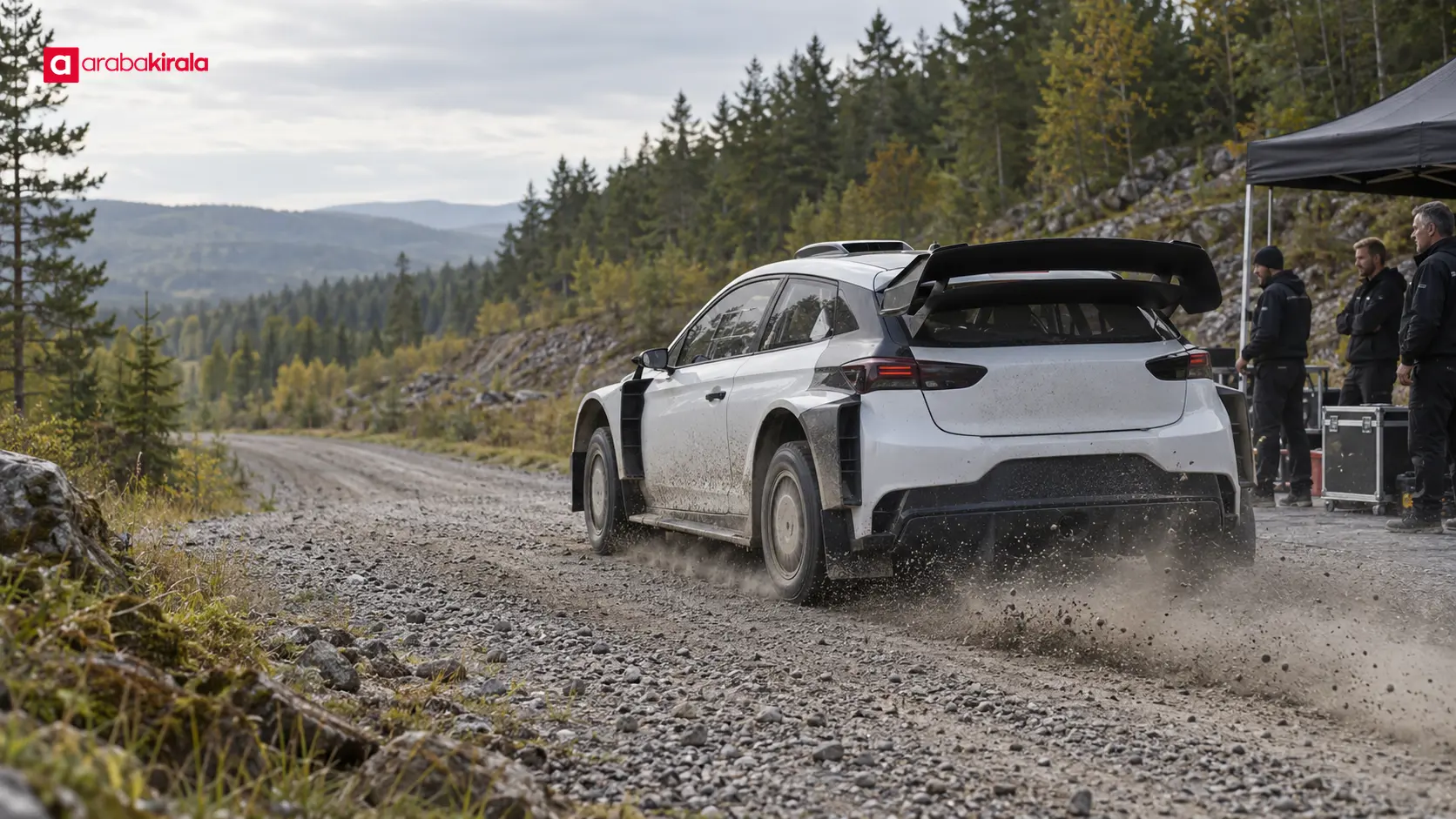
Rally cars compete against the clock on special stages closed to ordinary traffic. Between stages, crews use road sections to reach the next point while observing the applicable traffic rules. These links are part of the event schedule, but they are not closed speed courses like the stages. Teams must arrive on time, drive safely, and follow the event itinerary.
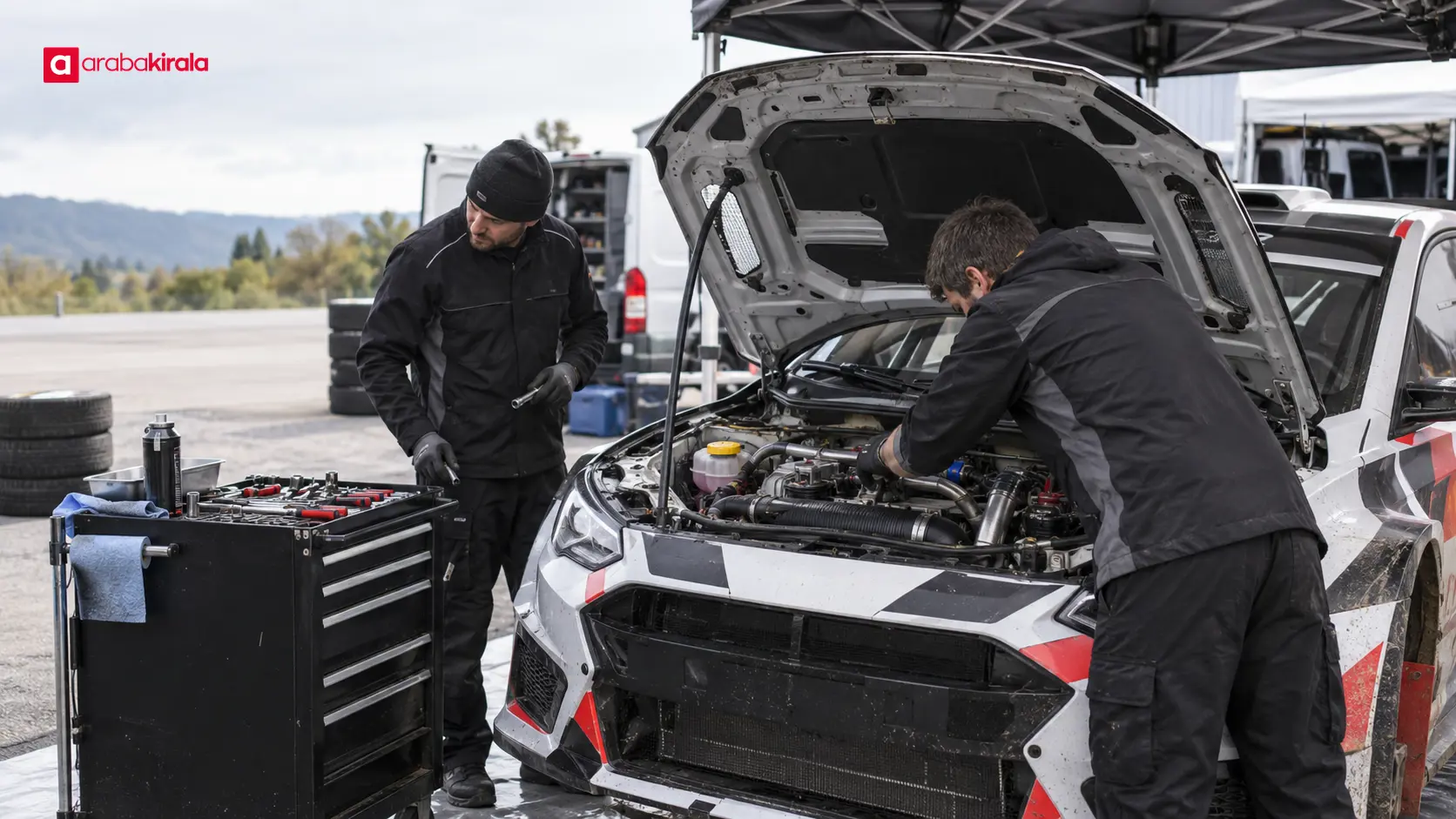
A service area is a scheduled place where teams carry out permitted checks and maintenance on their cars. The time there is not an open-ended workshop break: entry and exit times and the rally timetable matter. The service format and duration are not identical at every rally. The event’s official itinerary and the sporting rules in force for that competition define the arrangement.
Where does WRC refuelling happen?
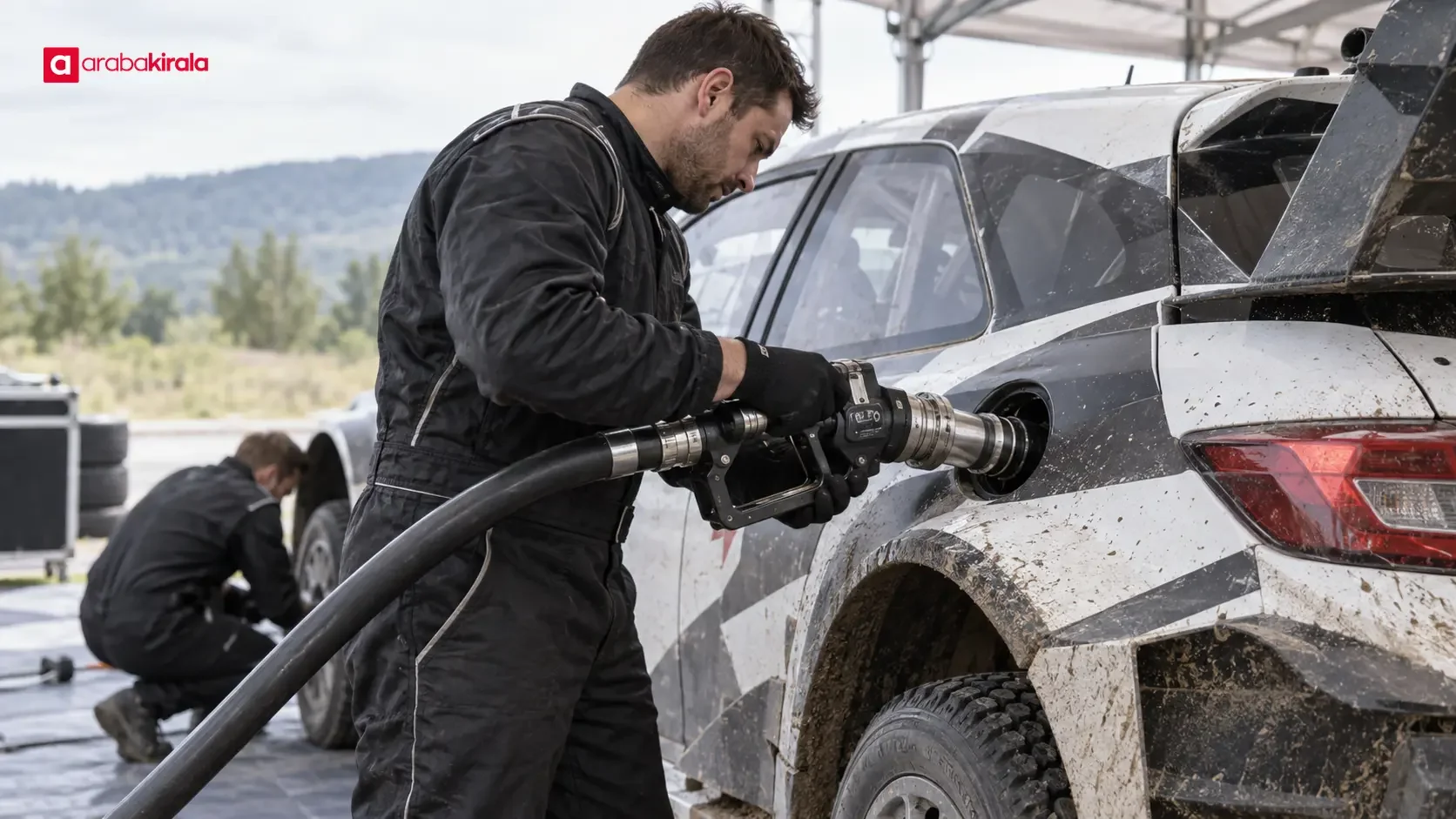
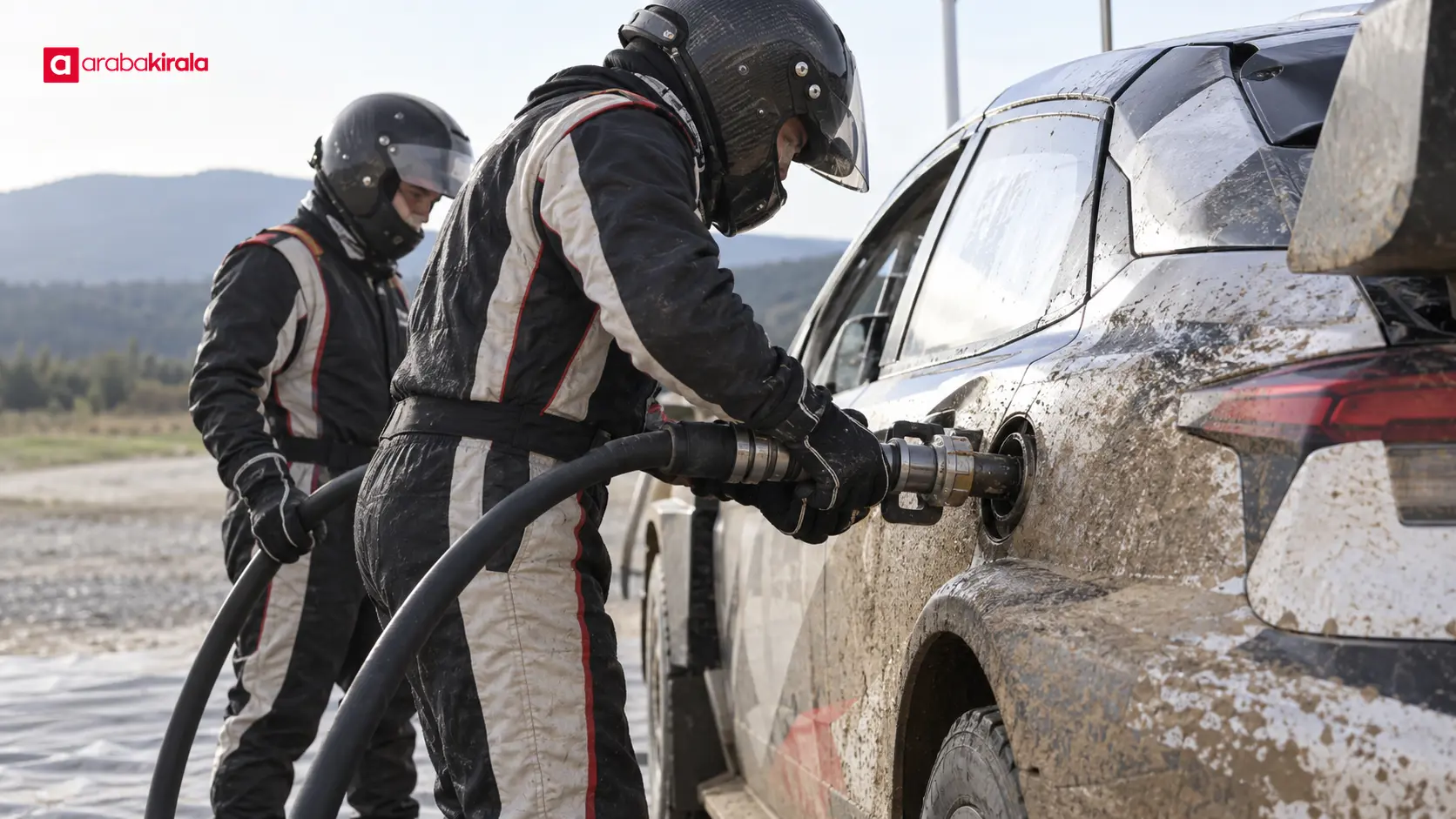
Refuelling is not an improvised stop at an ordinary petrol station or somewhere beside a stage. Rally operations provide designated refuelling zones and safety procedures. These zones do not have to be in the same place as the service area. Adding fuel follows the event’s prescribed flow and the technical arrangement approved for the car.
People nearby need to keep a safe distance during refuelling, and crew members use suitable protective equipment and prepare for the risk of spills. Spectators should follow marshal instructions and remain behind barriers. The same boundaries apply when taking photos or video: getting closer for a better view is never a reason to enter a hazardous area.
Why is refuelling handled separately from service work?
Working with fuel involves fire and spill risks, so it calls for its own controlled setting. A refuelling operation and a mechanic’s work on wheels, suspension, or bodywork do not present the same operational risks. Having a designated point and procedure helps keep the event orderly and protects the people nearby. The precise equipment and steps depend on the technical and sporting regulations applicable to the event.
What do teams do during service?
When a car enters service, the crew assesses it quickly and methodically. Mechanics listen to driver feedback, inspect visible damage and signs of looseness or wear, and carry out planned work. Tyres, brake components, suspension, body connections, and fluid levels are examples of areas that may be checked in light of rally conditions. This does not mean that every part is replaced at every service or that every car gets the same work.
Checks before and after service help the team organize its work. Reports from the drivers about handling, brake feel, or engine response can guide the inspection. Time is another constraint: the crew prioritizes work needed for safety and continued running, then carries out other tasks within the permitted scope. The type of damage, available spare parts, and applicable rules limit what can be done.
How does service timing affect the rally?
The itinerary expects each car to reach time controls within designated windows. How an early or late arrival is handled depends on the event’s sporting rules and time-control procedures. A service break is therefore not a pause a team can extend at will. Once the car arrives, the crew has both a job list and a plan for reaching the next stages.
The schedule is useful context for spectators too. Activity in service shows how a car is being prepared for what comes next, but the full purpose of every task may not be visible from outside. A longer inspection by itself does not prove that a problem is severe. Planned checks, stage conditions, damage assessment, and the event itinerary can all affect how long a car is there.
What should spectators look out for?
- Check the official itinerary: Use event announcements to find stage, service, and refuelling locations and times. Follow current organizer updates if the schedule changes.
- Stay in designated viewing areas: Do not cross barriers, stand on vehicle routes, or approach the safety boundary around a refuelling zone.
- Know the difference between a stage and a road section: Do not assume that a road is open for spectators or that cars will travel through it at stage speed. Follow marshal directions.
- Observe service from a safe distance: Do not enter the crew’s working space to see mechanical work more closely. Follow instructions and maintain a safe distance when taking photos.
- Put technical observations in context: A part change or the time a car spends in service does not, by itself, establish a performance outcome or the cause of a fault.
A short checklist for following rally operations
When following a WRC event, first locate the special stages and service periods on the itinerary. Then check official information for announced refuelling zones, spectator access rules, and safe viewing areas. Observe the order in which cars move through service, but do not infer a team’s full plan from a single moment. This makes it easier to understand how stage performance connects to preparation behind the scenes.
WRC refuelling and service breaks bring together fuel needs, technical preparation, safety, and a tight schedule. Event-specific details depend on the rally and the rules currently in force, so consult the rally’s official notices for a precise timetable or procedure. As a next step, check the stage schedule and spectator safety information for the event you plan to follow, then plan your route only through areas open to the public.
Frequently Asked Questions
Do WRC cars refuel at every service break?
The timing and location of refuelling are set by the rally itinerary, so it should not be assumed that every service visit includes a refuelling stop. The event’s official schedule and notices identify the relevant points.
Does refuelling take place inside the service area?
A designated refuelling zone may be separate from the service work area. The organizer’s layout and safety arrangements apply, and spectators should use only sections open to them.
Which parts are changed during service?
The work depends on the car’s condition, driver feedback, the schedule, and what the sporting and technical rules permit. There is no general rule that the same parts are changed on every car.
Can spectators approach the teams in the service area?
Spectator access depends on the event’s layout. Follow barriers and marshal instructions, and do not enter a work area or refuelling zone without authorization.
Does a car that stays in service longer definitely have a fault?
No. The time may reflect a planned check, an assessment, or another task. What can be seen from outside is not enough to determine the car’s technical condition.
Legal Disclaimer: All content, articles and information on the Araba Kirala website are provided solely to inform users. No information shared on this website constitutes definitive advice or guidance. Araba Kirala Teknoloji A.Ş. and its authors cannot be held responsible for any direct or indirect damages arising from the application of information on the website. For all questions and requests regarding car rental, please contact the office from which you will rent your vehicle.