
How WRC Road Sections Connect Stages
Published: October 13, 2026 • Reading Time: 6 min • Last Updated: October 13, 2026
Understand the difference between competitive stages and road sections, how time controls and pace notes fit into a rally, and how to follow the event safely as a spectator.
Contents
WRC road sections are the connecting routes that take crews from the finish of one competitive stage to the start of another, or to a service area. This guide explains how those transfers differ from timed stages, how time cards and controls organize the rally, why crews prepare pace notes, and what spectators can do to follow the event safely.
Competitive stages and road sections
A rally is not a continuous speed trial on closed roads. Its timed competition takes place on special stages, where crews drive between designated start and finish points and their elapsed times count toward the sporting result. A stage may run on asphalt, gravel, snow or a changing mix of surfaces. Each surface affects grip, braking, visibility and the line a driver can use through a corner.
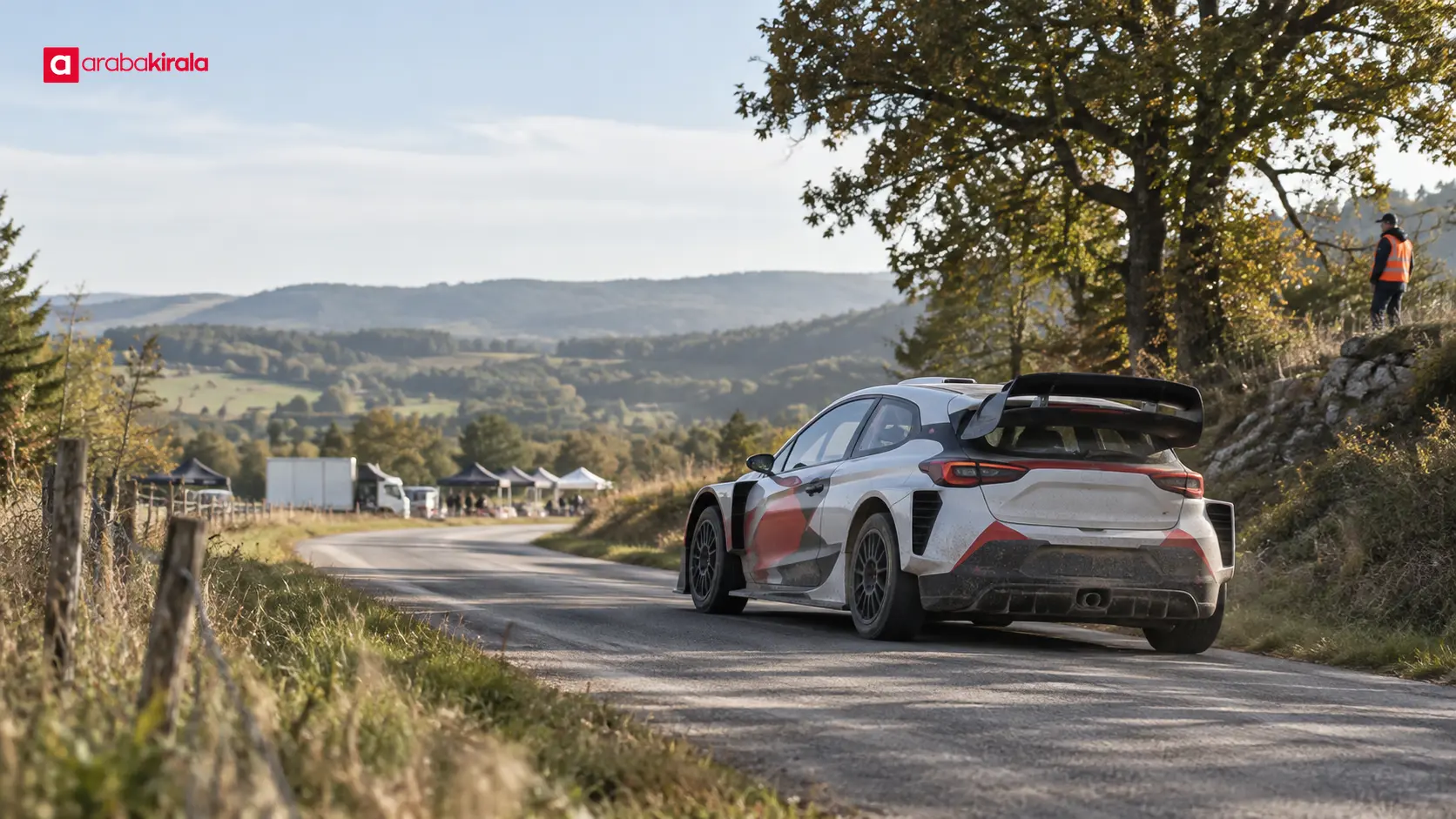
A road section connects one part of the event to another. It may lead from a stage finish to the next start, a service park or another control point. The crew does not race against a stage clock over this route, but must follow its schedule and applicable road rules. A connecting route can use roads shared with the public, so the rally car is driven as road traffic, not at stage pace.
Why rallies include transfers
Stages are spread across a region, often too far apart to place them side by side. Instead of transporting the competition car separately after each test, the crew drives it along the planned connecting route. This makes the rally a sequence of timed tests linked by scheduled travel. It also means the sporting challenge and the logistics between tests have different purposes and controls.
Time cards and controls
Crews receive a schedule or time card showing when they are due at specified controls and stage starts. They follow the route, present their card at control points and proceed in the assigned order. Officials record arrival times, helping manage the flow of cars through the event. The consequences of arriving early or late depend on the rules for that rally; there is no single penalty duration or universal procedure that applies to every event.
A time control and a stage start serve different functions. A control records whether a crew has reached the point in the planned sequence. The stage start is where the timed drive begins, following the event’s start procedure and signals. If weather, a road closure or an operational issue changes the schedule, crews and spectators should use the event’s official information for current instructions.
Recce and pace notes
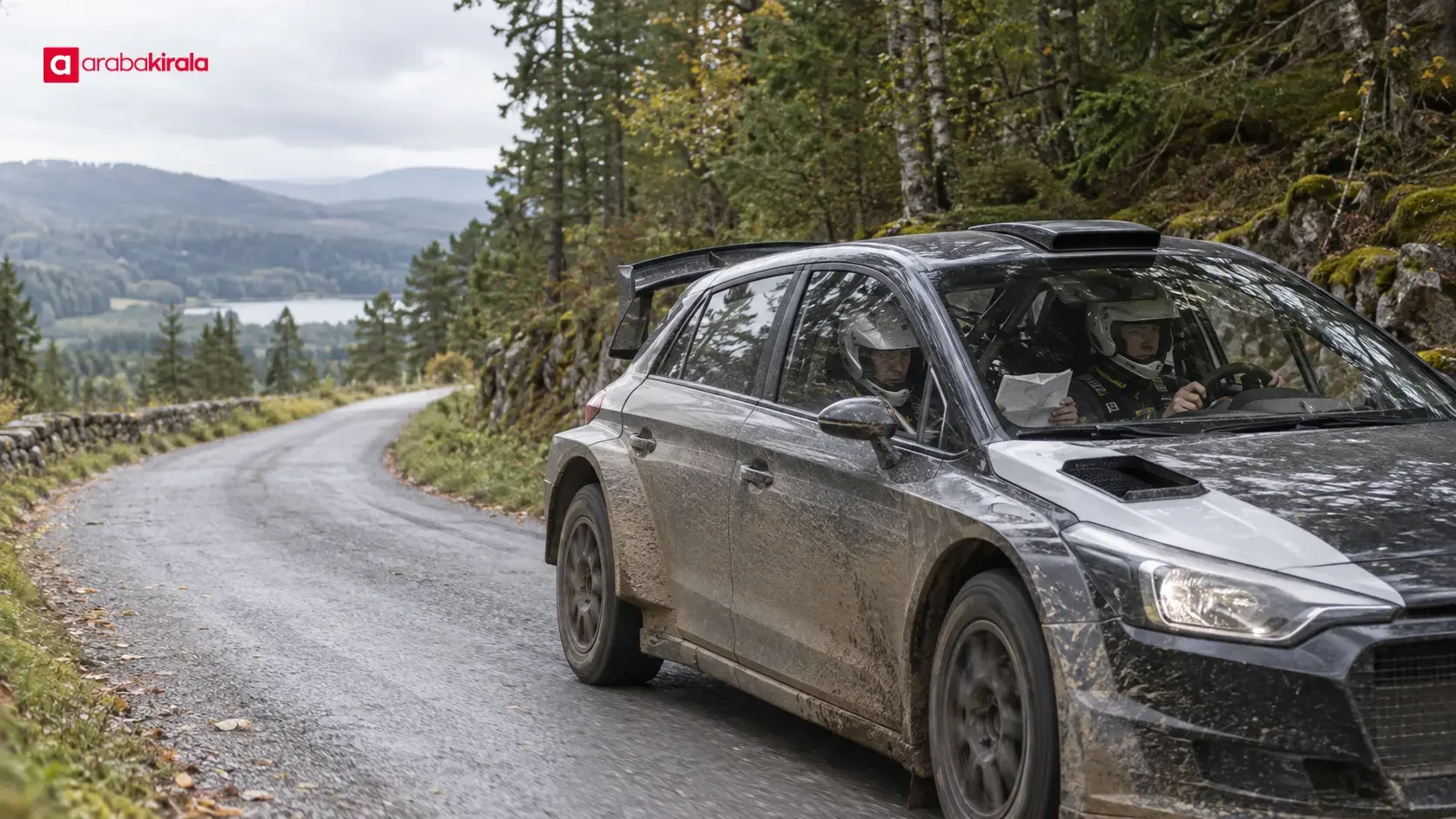
Drivers do not rely on seeing every corner for the first time at competition speed. Before the rally, crews make reconnaissance runs, commonly called recce, to inspect the route and prepare pace notes. The co-driver reads those notes during the stage, describing upcoming corners, changes of direction, crests and visibility limits so the driver can plan ahead. The notation system differs between crews, but its purpose is to communicate what lies ahead.
Recce is separate from competition. Crews follow the organizer’s recce arrangements and road rules while making notes. A pace note cannot guarantee that conditions remain unchanged: rain, snow, mud, loose stones or other changes can alter the surface. The driver therefore combines the co-driver’s description with what the car and road are showing in real time.

Between stages: car checks and service
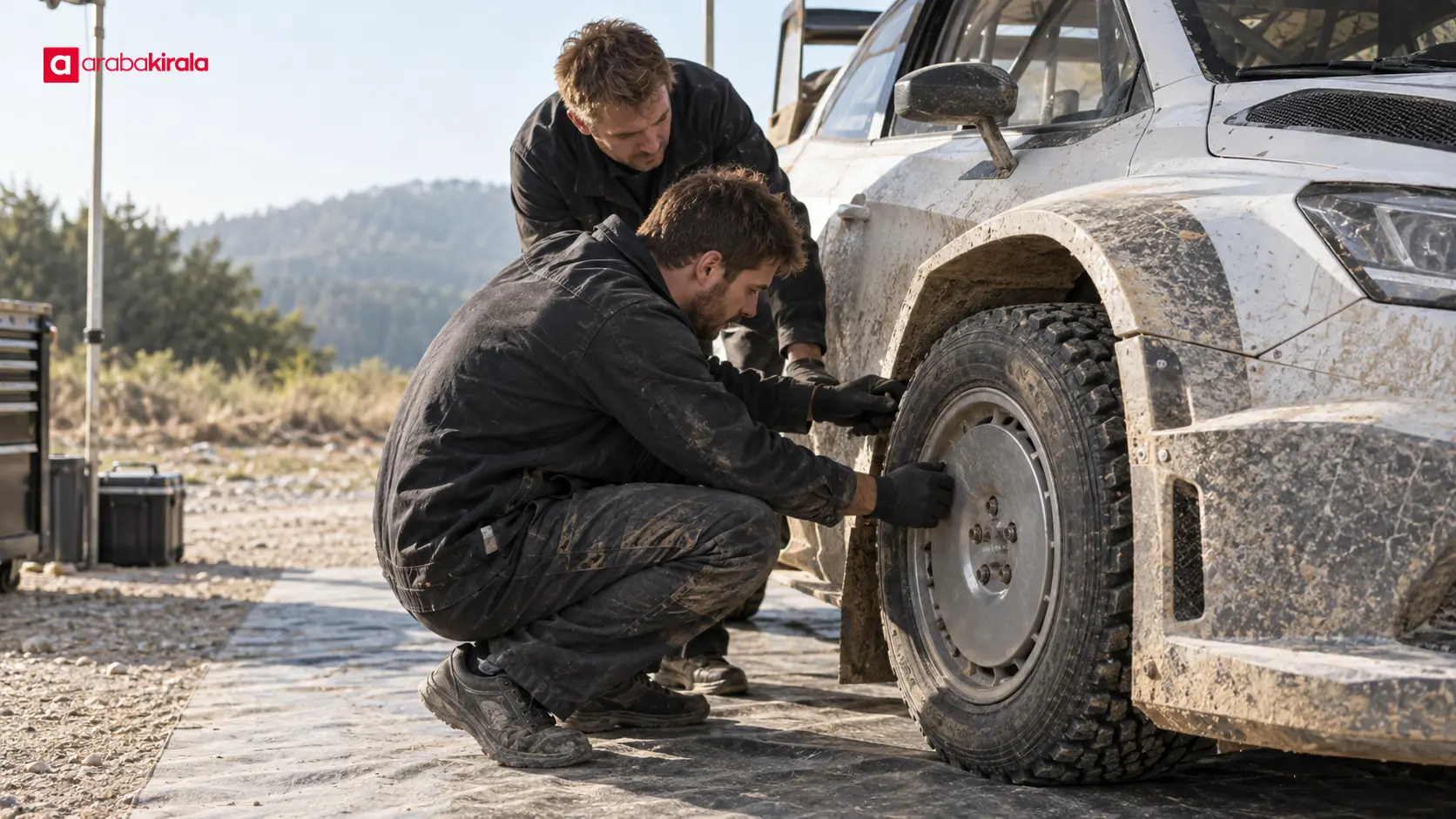
A car can be subjected to heavy loads on a rough or slippery stage. The connecting section gives the crew time to travel to the next control and stay alert to signs that the car needs attention. A warning light, unusual noise or visible tyre damage should be handled within the event’s procedures and the crew’s technical capabilities. Spectators and other road users should not approach a rally car to inspect or repair it.
A service area is a designated place for planned maintenance and repairs by the team. Team members work within assigned zones, and the permitted tasks and time are set by the event regulations. Spectators should stay behind barriers, follow marshals’ directions and keep clear of vehicles moving through the service park.
Practical safety guidance for spectators
- Watch only from locations that the organizer has designated and opened for spectators. Avoid the outside of corners, escape routes, narrow bridges, the far side of a crest and places where a car could leave the road.
- Follow marshals, barriers and temporary access restrictions. Do not enter a stage after it has been closed or after officials have asked spectators to leave an area.
- Treat connecting roads as active traffic routes. Rally cars, service vehicles and other road users may use them; keep out of the carriageway and away from moving vehicles.
- Keep children and pets under control. Noise and approaching cars can prompt sudden movement in spectator areas.
- When moving to another viewing point, use the official spectator route and local traffic directions. Do not take shortcuts through closed roads.
A simple way to follow the rally schedule
Keep the timed stage and the connecting section distinct when following results. The special stage is the measured sporting contest. The road section is scheduled travel that brings the crew to another part of the event and is managed through controls. Pace notes help driver and co-driver communicate about the stage, while service areas provide the team with a planned setting for technical work.
If you plan to attend in person, check the rally’s official spectator information before setting out. Confirm which viewing areas are open and how to reach them, then remain within the permitted zones. That preparation makes it easier to understand how stages fit together while helping protect crews, officials and spectators.
Frequently Asked Questions
Does time on a WRC road section count as stage time?
Stage time and travel between stages are recorded differently. Crews must meet the schedule at controls during a road section, while sporting timing and any consequences are governed by that rally’s regulations.
Do rally cars race at full speed on connecting roads?
No. Connecting routes may be public roads or roads shared with other users. Crews are expected to follow road rules and event instructions; a road section has a different purpose from a closed competitive stage.
When does the co-driver read pace notes?
The co-driver reads notes during a competitive stage. The crew prepares them during recce before competition. Notes can describe corner direction and severity, road shape, crests and visibility, with the format varying between crews.
Can spectators wait on a connecting road?
A connecting road may remain part of the traffic network, so spectators should use only places the organizer has designated for viewing. Keep the route clear for crews and other road users.
What happens if a car has a problem during a stage?
The crew follows the rally’s safety and technical procedures and contacts event officials when needed. Spectators should not approach the car or enter the stage; they should follow marshals’ instructions.
Legal Disclaimer: All content, articles and information on the Araba Kirala website are provided solely to inform users. No information shared on this website constitutes definitive advice or guidance. Araba Kirala Teknoloji A.Ş. and its authors cannot be held responsible for any direct or indirect damages arising from the application of information on the website. For all questions and requests regarding car rental, please contact the office from which you will rent your vehicle.












