What Is WRC Parc Fermé? How the Post-Stage Order Works
Published: November 7, 2026 • Reading Time: 7 min • Last Updated: November 7, 2026 • Author: Merve B.
Contents
- What parc fermé means in a rally
- What happens after a stage?
- Parc fermé and service are different
- How parc fermé supports the running order
- What officials may check
- What spectators should look for
- Common misunderstandings about WRC parc fermé
- How to follow the event schedule and official information
- In brief and what to do next
- Frequently Asked Questions
- Related Articles
- Sources
What is WRC parc fermé is a question about more than where rally cars are parked. It is a controlled parking arrangement that applies at specified points in the World Rally Championship, with access and work on the cars governed by sporting rules. This guide explains what the term means, what can happen after a stage, how parc fermé differs from service, and why the position of a car in the area does not by itself reveal its result. Parc fermé is French for “closed park.”
What parc fermé means in a rally
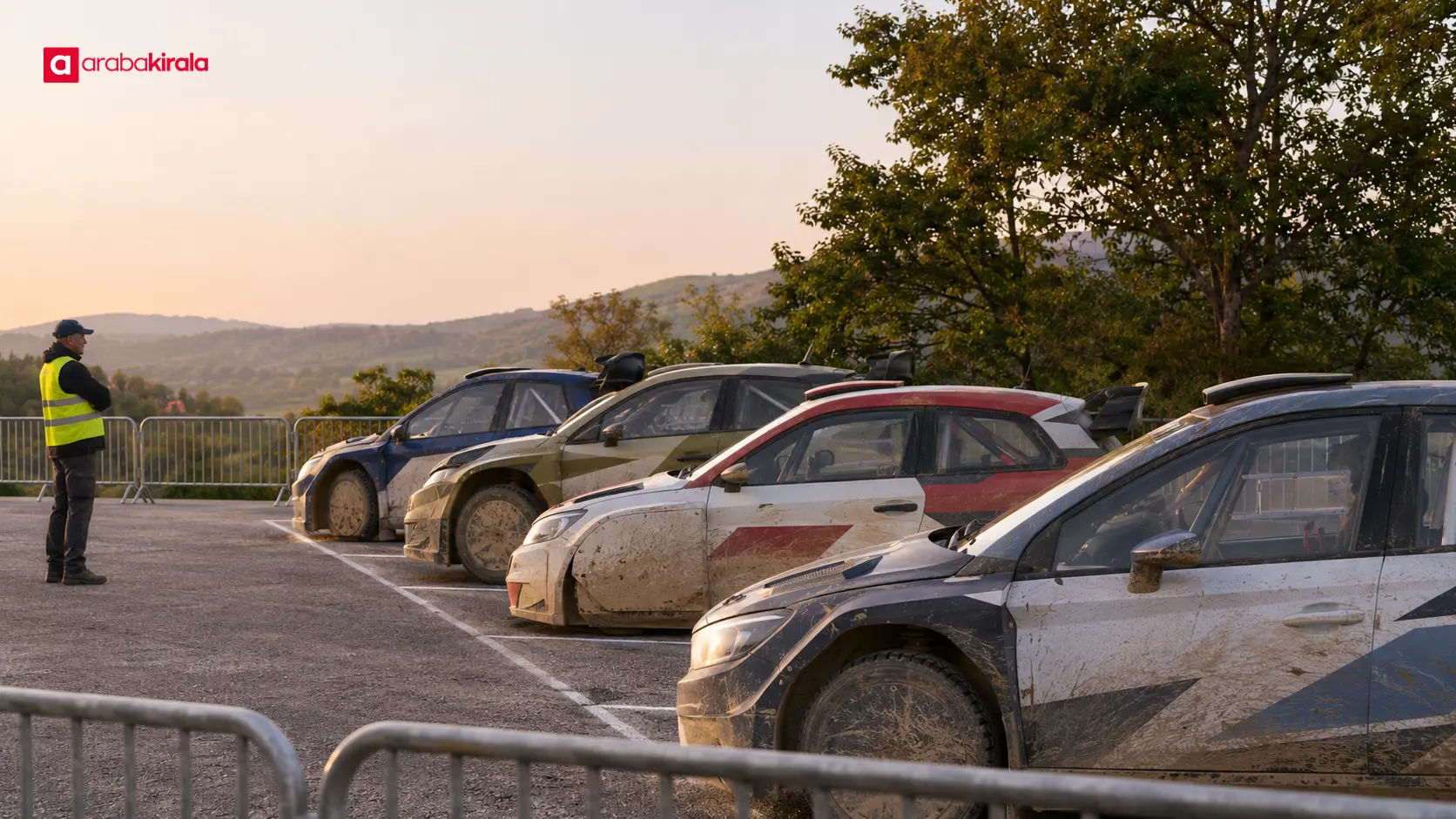
For what is WRC parc fermé, the practical points below should be considered together. Parc fermé describes both a designated physical area and the rules that apply to cars while they are under that control. The FIA’s WRC Sporting Regulations set out when cars are subject to parc fermé conditions and the circumstances under which those conditions end. It is therefore not simply a fenced parking lot: it is a defined phase in the event’s procedures.
The arrangement helps keep cars in an observable, orderly state at specified stages of the rally. Officials oversee the area, and access or work on a car is limited by the rules in force. The exact procedure depends on the event schedule and applicable regulations. The label alone does not mean that every car receives the same inspection, or that the same process occurs after every stage.
What happens after a stage?
A special stage is a timed competitive section. Crossing its finish ends that timed drive, but it does not necessarily end the rally or mean that the car can immediately receive unrestricted service. The car may proceed through a control point, continue on a road section, or enter a designated holding area as directed by the event itinerary. If parc fermé conditions apply at that point, parking and access are managed under those conditions.
This is why a post-stage parking scene should be read in context. A rally includes competitive stages as well as road sections, controls and scheduled service. A car waiting in a controlled area is not necessarily retired, and its crew cannot assume that any repair or adjustment is allowed there. The event rules determine the relevant access and work limits.
Parc fermé and service are different
A service area is a scheduled place where teams may carry out work that the event rules permit. Parc fermé is a separate controlled phase in which the car’s location and access are supervised. Both help the rally run in an orderly way, but they have different purposes. Seeing mechanics work in a service zone does not mean the same work is allowed in parc fermé.
For spectators, this distinction explains why officials may be present around a car without a team carrying out ordinary service. The official itinerary and event instructions help identify whether an area is a service zone, a holding area or another control point. For teams, the scheduled service interval and the parc fermé period also have distinct timing and access conditions.
How parc fermé supports the running order
Rally cars move through stages, road sections and control points. Designated holding areas help manage that movement so cars can be placed and monitored in an orderly way. Parc fermé supports official checks, transitions between parts of the event and preparation for the next scheduled movement. It also makes clear when teams’ access to a car is restricted by the sporting rules.
The physical parking order is not, by itself, the sporting classification. A car’s position in the area may relate to the event’s logistics or a scheduled start, but it cannot establish a stage time or overall standing. Results depend on the official timing and classification, including any applicable decisions published for that event. Use the official results to confirm a competitor’s position.
What officials may check
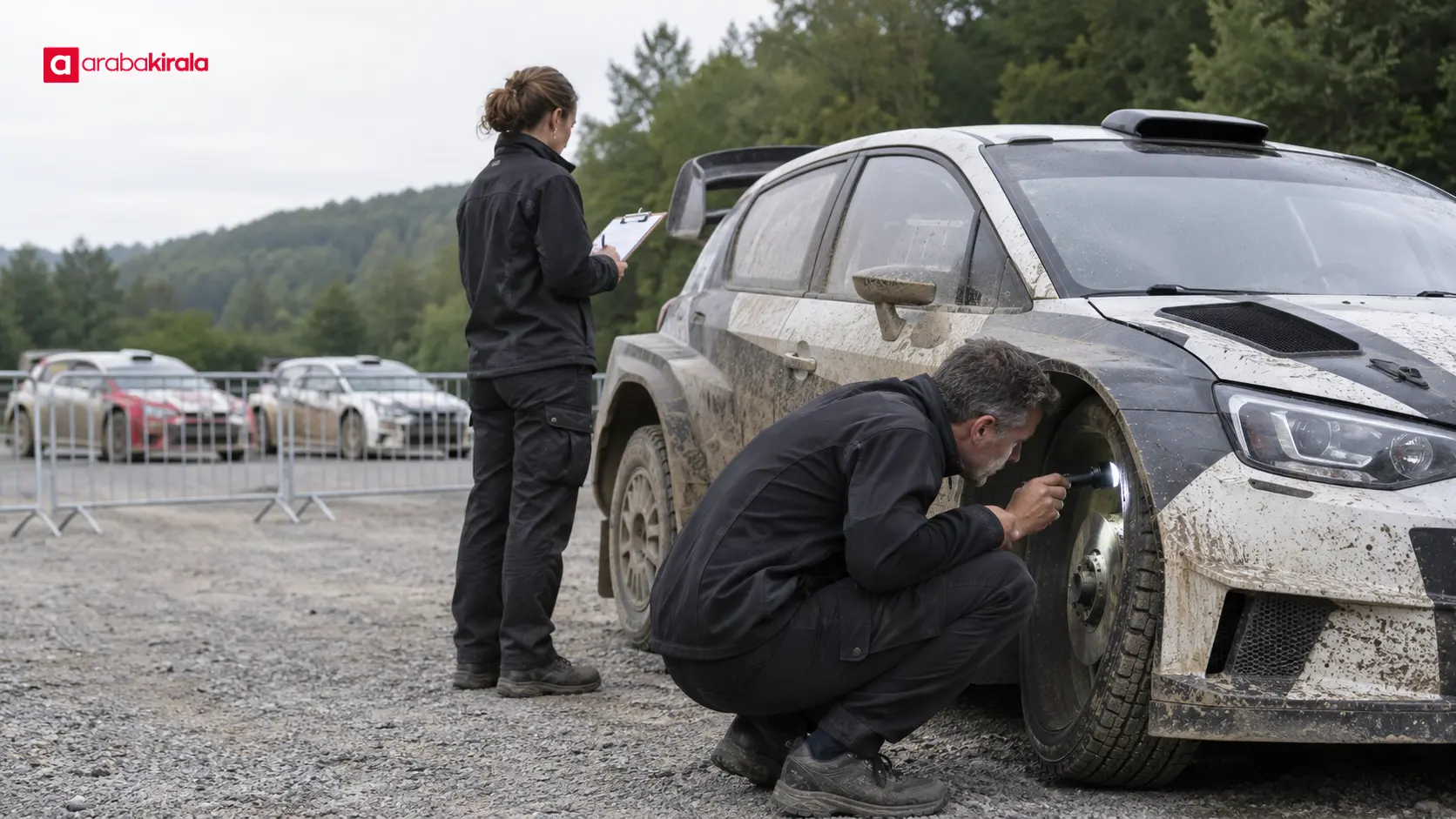
Officials oversee the application of the event procedures and the proper placement of cars. Depending on the rules and the point in the itinerary, checks may concern a car’s identity, condition or technical compliance. The scope is not necessarily identical at every control, and the phrase parc fermé does not promise that a particular test will take place at every stop.
Controlled access helps preserve the integrity of the competition by limiting when teams can work on their cars. At the same time, a visible inspection should not be taken as proof that every technical feature has been examined. For spectators, official notices provide the relevant context for any check or decision that affects the event.
What spectators should look for
Follow barriers, steward instructions and any designated viewing routes. Do not enter the working area, touch cars or equipment, or interrupt officials and teams. Rally cars and event operations can involve hot surfaces, moving parts and other hazards. Whether spectators can view a parc fermé area at all depends on the event’s site plan; use only access points identified by the organizer.
Watching cars arrive and leave can make the post-stage sequence easier to understand. But do not infer a winner or a definitive stage result from where a car is parked. Official timing and classification give the sporting outcome; event notices explain whether a result is provisional or final. A car being held in parc fermé does not by itself show that it has been excluded or retired.
Common misunderstandings about WRC parc fermé
- “It is only overnight parking.” No. WRC regulations define parc fermé conditions at several specified points in an event.
- “The team can work on its car whenever it is there.” No. Access and work are governed by the applicable rules.
- “The parking order is the overall classification.” That is not a reliable conclusion; consult the official results.
- “The rally ends as soon as a stage ends.” A stage is one part of a wider event schedule.
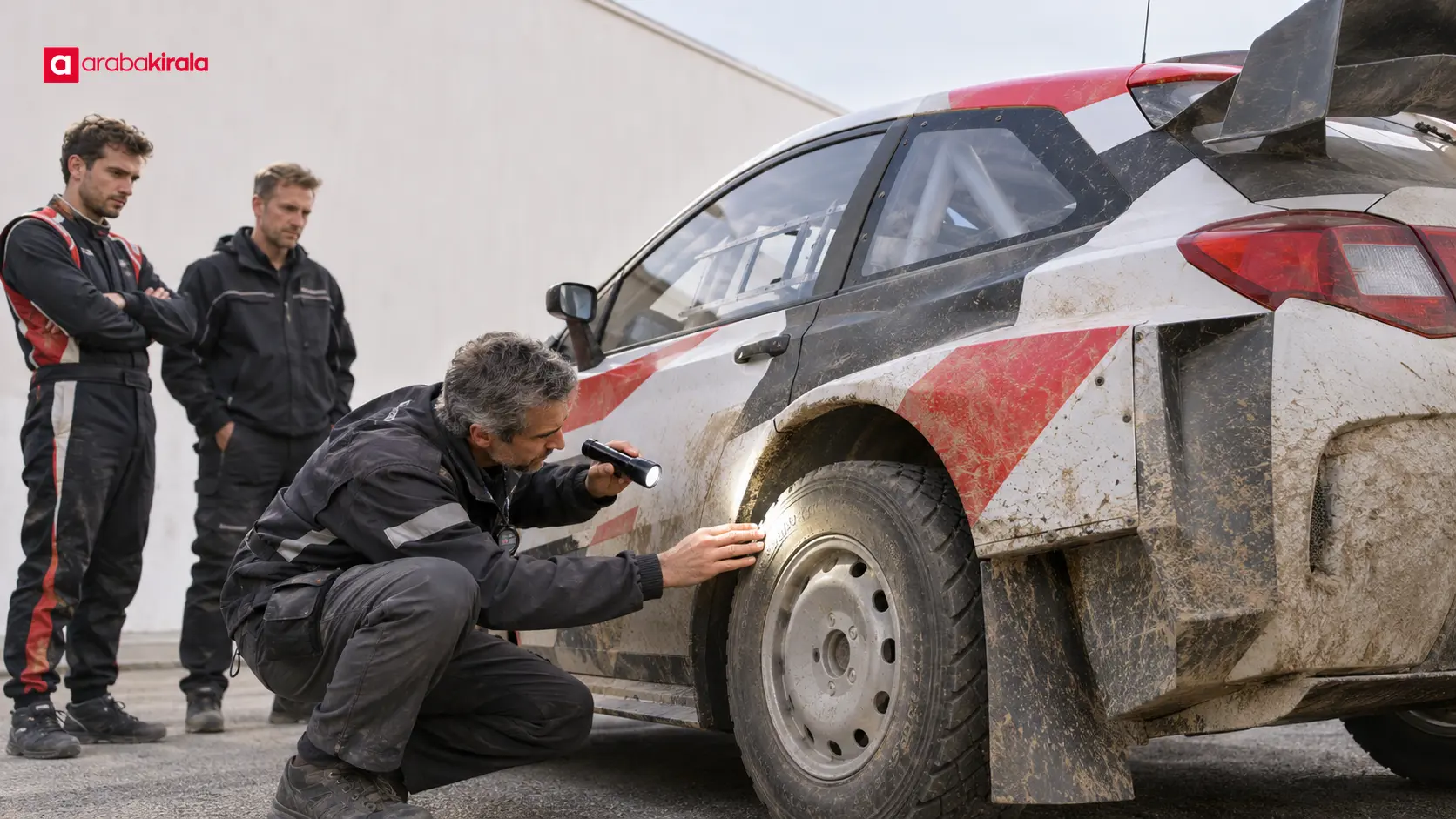
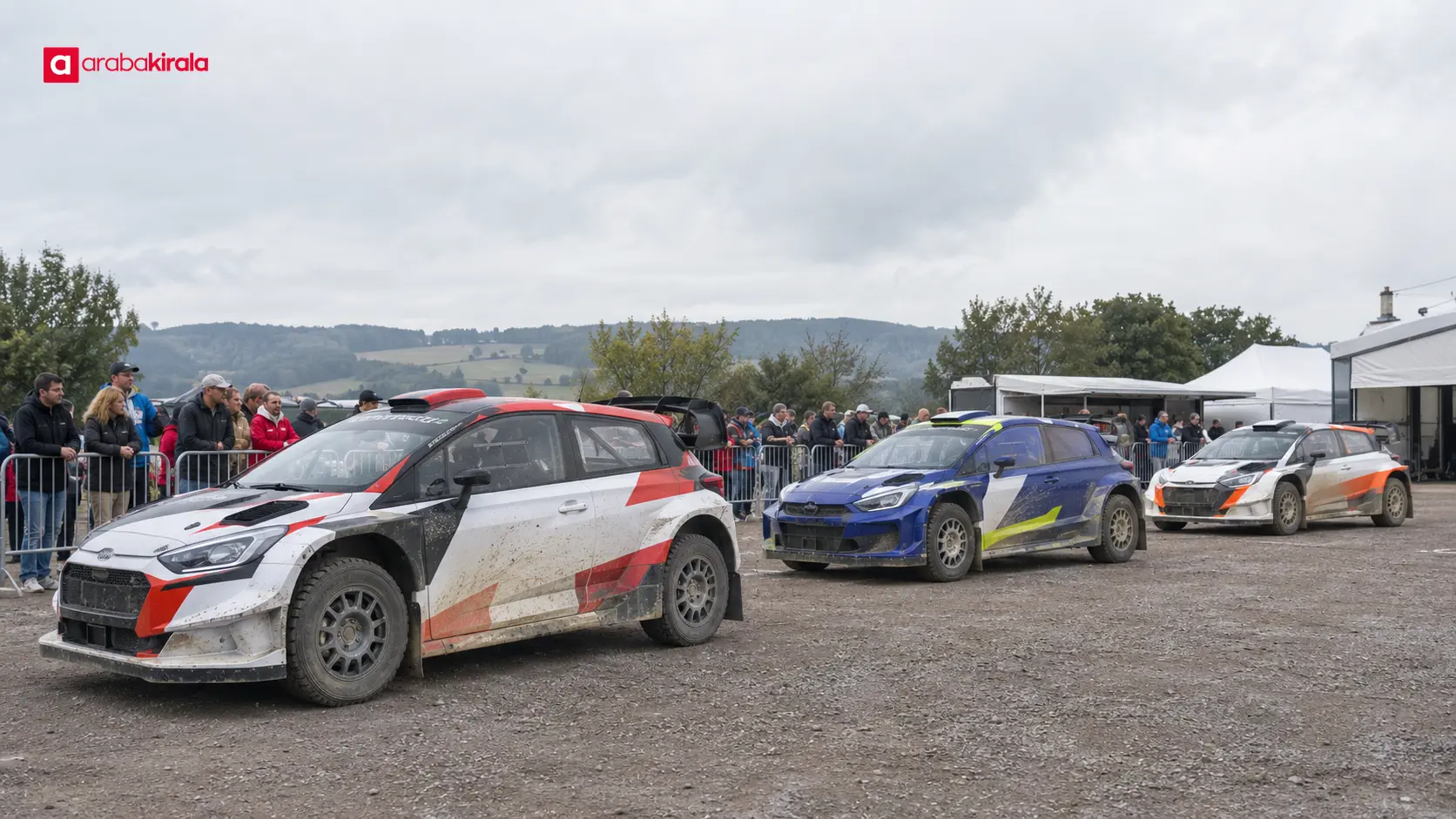
These distinctions help make sense of photographs and short clips from a rally. It may not be obvious from a single image whether the cars are in parc fermé, a service area or another control zone. The event schedule and official explanations provide the necessary context.
How to follow the event schedule and official information
Stage order, service intervals, control points and parc fermé procedures are set for each event. A general explanation of WRC cannot establish the exact opening times, public access or car movements at a particular rally. Check that event’s official itinerary and notices. Live timing is useful for following stage times; the Sporting Regulations explain the meaning of the procedures.
The FIA’s WRC Sporting Regulations provide the framework for parc fermé. The event’s own official documents establish its schedule and site arrangements. Regulations can be revised, so when following a current rally, check the documents issued for the relevant season and event.
In brief and what to do next
WRC parc fermé is a controlled parking phase in which cars are supervised and work on them is governed by the sporting rules. It is distinct from a stage finish and from a service area, and the parking position does not replace the official classification. To follow a rally, check its itinerary, distinguish service from controlled parking, and use the official results for standings.
This approach makes post-stage car movements easier to understand without drawing conclusions from a single image. For event-specific details, use the rally organizer’s official notices and the applicable FIA regulations.
Frequently Asked Questions
Does parc fermé apply only at the end of a rally?
No. FIA WRC Sporting Regulations define parc fermé conditions at more than one specified point in an event. The relevant area and timing depend on the event itinerary and the applicable rules.
Why can’t a car simply be serviced after a stage?
A stage finish does not automatically authorize unrestricted service. The car may be subject to parc fermé conditions or may need to proceed to another control or road section. The rules set out when and where work is permitted.
Can a team member stay beside the car in parc fermé?
Access depends on the rules that apply at that time. The defining feature of parc fermé is that access and work are controlled, so it should not be assumed that team members can remain beside a car whenever it is parked there.
Does the parking order show the rally standings?
No. A car’s physical place in the area does not establish its stage time or overall position. Check the official classification and timing published for the event.
What is the main difference between parc fermé and service?
Service is a scheduled period and place for work permitted under the event rules. In parc fermé, the car and access to it are controlled, and work is subject to specific restrictions. Permission in one area does not automatically apply in the other.
Can spectators enter a parc fermé area?
That depends on the organizer’s site plan and access arrangements. Some areas may be closed to spectators; follow the event’s designated viewing points and officials’ directions.
Related Articles
- How F1 Post-Race Technical Scrutineering Works
- How WRC Stage Cancellations or Stoppages Are Announced and Affect the Standings
- How Do WRC Stage Start Intervals and Rally Order Work?
 Add ArabaKirala as a preferred source on Google