WRC Start Numbers and Rally Numbers Explained
Published: November 6, 2026 • Reading Time: 6 min • Last Updated: November 6, 2026 • Author: Merve B.
Learn how WRC start and rally numbers identify cars and crews, how to read a start list, and why a number does not itself indicate performance.
Contents
- What does a rally number identify?
- Is a start number the same as the start order?
- How to read a rally start list
- Does a number show performance or success?
- How numbers help spectators and broadcast coverage
- Start list versus results table
- A practical way to follow a WRC start number
- Summary and next step
- Frequently Asked Questions
- Related Articles
A WRC start number helps spectators, officials, and timing records identify a rally car and its crew. This guide explains what a rally number represents, how it relates to the running order, and how to read a start list without mistaking a number for a result or ranking. You will also learn how to follow one crew across stage schedules and results.

What does a rally number identify?
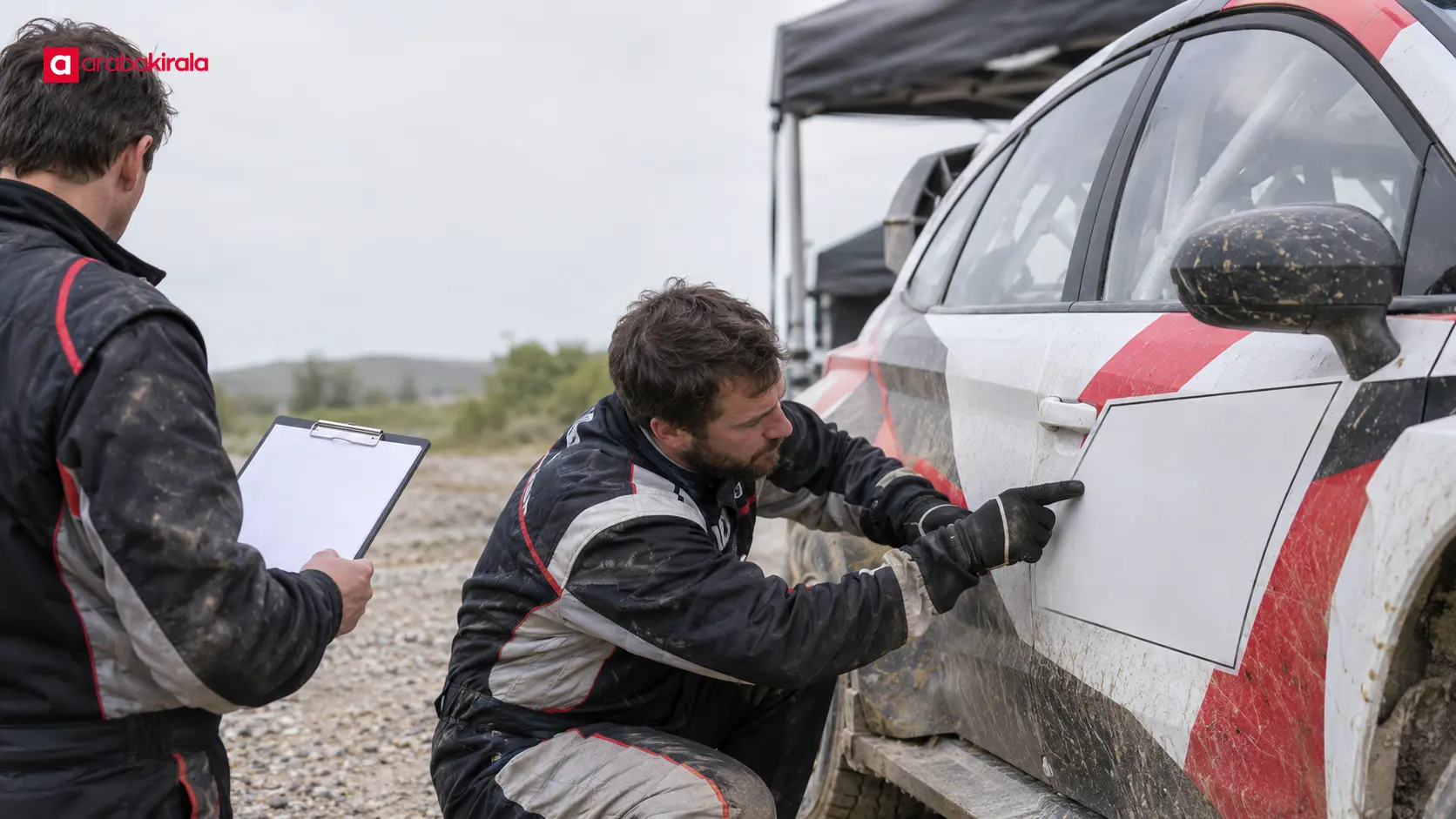
A rally number is a visible identifier assigned to a competitor for an event. Displayed on the car, it helps people distinguish one entry from another and connect the vehicle seen on a stage with information in event documents. The same number may appear beside the crew in start lists and result tables, making it a practical reference across several kinds of information.
A rally crew commonly consists of a driver and co-driver. The number therefore helps identify the entry and its crew, rather than serving only as a label for the person at the wheel. Cars can look similar, and dirt or dust can obscure their appearance during a stage; a clearly displayed number supports quick recognition.
Is a start number the same as the start order?
No. A start number identifies an entry, while the start order describes when competitors are scheduled to begin a stage or another part of the event. The two may be shown together in a document, but they answer different questions. A higher number does not by itself establish that a car will start later in every event or use the same number at every rally.
The event’s sporting documents and organizer’s schedule provide the relevant entry numbers and departure sequence. Since arrangements can differ between events, use the current start list and timetable for the rally you are following. To understand the order, look for the listed position or time as well as the number.
How to read a rally start list
A start list brings competitor identity and scheduled departures together. Column labels vary, but readers can usually locate the number, driver and co-driver names, class or category, and start time. Reading those fields together helps confirm which crew an entry belongs to and when it is expected to leave.
- Find the number: Use it to match the car with the event entry.
- Check both crew names: The driver and co-driver are often listed together.
- Check the stage and time: A time for one stage or day may not apply elsewhere.
- Look at the document date: A revised list can differ from an earlier copy.
For spectators, the number makes it easier to identify a car during a brief pass. In a results table, searching for the same number can help follow a crew’s stage times, overall time, or place within a class. Tables may cover different stages or sessions, so read the heading and scope before comparing entries.
Does a number show performance or success?
No. The number itself is not a speed, score, stage time, or championship position. Appearing earlier or later in a start list does not prove that a crew is stronger or weaker. To assess performance, look at recorded times and the relevant official classification.
The start order is a schedule for when cars are expected to set off. It may be arranged differently for different days or stages. Instead of inferring a result from a number, compare the start list with the results for the specific stage and event section.
How numbers help spectators and broadcast coverage
Rally stages cover long routes, and spectators may see a car for only a few seconds. A visible number gives them a quick way to connect the car with crew information. It can also make it easier to search a results screen or follow coverage, especially when cars look similar or are covered in dust.
Use the number alongside the crew names whenever possible. A number remembered on its own can be confused with a different event or an older list. Checking the current event document and the correct stage heading helps keep the identification accurate.
Start list versus results table
A start list shows competitor details and the planned departure sequence. A results table records performance for a completed stage or the rally. Both may show the same number, but their purpose differs: one answers “who is starting, and when?” while the other answers “what time or classification was recorded?”
Stage results and an overall classification also describe different scopes. A stage time refers to one section; an overall result can reflect the event’s broader classification. Check the title, date, and stage name to understand which table you are viewing. The number alone cannot tell you what the result covers.
A practical way to follow a WRC start number
To track a crew, first match its number with the names on the current start list. Then check the stage schedule for the relevant departure time. After the stage, look up that number in the results and confirm whether the table shows a stage result or an overall classification.
If you share a document or screenshot, include the rally and stage name so the number remains in context. This is especially useful when lists are revised across different days. Use the number to identify the entry; use recorded times and classifications to understand performance.
Summary and next step
WRC start numbers and rally numbers help identify cars and crews and connect event records. The start order indicates when cars are scheduled to leave, while a results table reports performance. These details work together, but they are not interchangeable.
When following a rally, match the number to the crew in the current start list, check the stage and time, then find the same number in the results. Confirm whether those results cover a single stage or the overall event. This simple approach makes it easier to follow crews and understand the rally’s progress.
Frequently Asked Questions
What is a WRC start number used for?
It helps match a car and crew across the start list, stage observations, and result records. Spectators and broadcast teams can also use it to identify a car quickly.
Is a start number the same as the start order?
No. A number identifies an entry; the start order shows the scheduled sequence for a stage. Consult the current stage list to see when a car is due to start.
Does a rally number stay the same at every event?
Numbering depends on the event’s rules and documents. Do not assume the same number identifies the same crew across rallies; check each event’s current list.
Can you tell a driver’s championship position from the number?
No. A number does not represent performance or championship points. Use the relevant official classification or championship standings for that information.
Why can a start list look different from a results table?
The start list records the planned departure sequence, while results record performance for a completed stage or rally. Their scope, update time, and sorting may also differ.

Related Articles
- WRC Car Suspension Geometry: Wheel Movement on Rough Stages
- WRC Brake Cooling and Air Ducts: What Do They Do?
- WRC In-Car Communication Systems for Rally Crews
Legal Disclaimer: All content, articles and information on the Araba Kirala website are provided solely to inform users. No information shared on this website constitutes definitive advice or guidance. Araba Kirala Teknoloji A.Ş. and its authors cannot be held responsible for any direct or indirect damages arising from the application of information on the website. For all questions and requests regarding car rental, please contact the office from which you will rent your vehicle.
 Add ArabaKirala as a preferred source on Google