
2026 Car Rental Prices: How to Compare Daily and Weekly Costs
Published: November 3, 2026 • Reading Time: 7 min • Last Updated: November 3, 2026 • Author: Merve B.
Learn how to compare daily and weekly rental totals, account for trip expenses, and confirm booking details with your pickup branch.
Contents
- Daily rate versus total rental cost
- How to compare daily and weekly car hire
- A practical calculation method
- How duration and return times affect the budget
- Budgeting for costs beyond the quote
- A price checklist before booking
- Local planning for car rental in Beylikduzu
- Keep a record at pickup and return
- Summary: calculate the total that fits your trip
- Frequently Asked Questions
- Related Articles
When researching 2026 car rental prices, a headline daily rate alone does not tell you what the whole trip will cost. This guide explains how to compare daily and weekly totals, calculate the rental period, and account for fuel, mileage, and other travel expenses. Details that determine the final quote can depend on the booking and pickup branch, so confirm the specifics with the branch you plan to use.

Daily rate versus total rental cost
For 2026 car rental prices, the practical points below should be considered together. A daily rate is the quoted charge for a defined rental period. The total cost is broader: it includes the quoted rental amount, any separately listed items or selected extras, and expenses you pay while using the car. Keeping those categories distinct makes it easier to compare quotes for different trip lengths and vehicle groups.
A displayed amount may apply to the pickup and return dates and times you selected. Changing either time or date can affect the total. Ask not only “What is the daily rate?” but also “What is the complete amount for these exact pickup and return times?” Check the quote summary to see the period it covers.
How to compare daily and weekly car hire
A daily car rental cost can be useful for a short, clearly defined period. A weekly car hire quote gives you a total for a longer span and lets you calculate an average per day. Dividing that total by seven is a comparison aid; it does not by itself tell you the amount that will apply to your exact dates.
For a useful comparison, keep the vehicle group, pickup and return locations, dates, and times the same. Record the totals for a one-day, multi-day, and weekly option separately. If your trip extends beyond a week, ask the branch how additional time is priced. Even a small difference in the requested duration may change the booking period used for the quote.
A practical calculation method
- Set the planned pickup and return dates and times.
- Record the quoted rental charge for that period.
- List any separately stated charges and optional services you select.
- Add your own planned spending for fuel, travel, and parking.
- Compare totals for alternative durations under matching conditions.
A simple worksheet with columns for “rental charge,” “listed extras,” and “personal trip expenses” is enough to keep the figures clear. It prevents the amount quoted for the rental from getting mixed up with costs you will incur on the road. This is a budgeting method, not a guarantee of the final charge; verify the payable items in your booking documents and with the branch.
How duration and return times affect the budget
The rental period may depend on more than the number of calendar dates: pickup and return times can also matter to the quote. Collecting a car in the evening and returning it several days later in the morning may produce a different total from a booking with the same dates but different hours. Review the displayed duration and the time span covered by the price.
If your plans change, find out how moving the return time or date affects the total. If a late return is possible, ask the branch directly about its process and how to contact staff. Do not assume every location has the same operating hours or return arrangements.
Budgeting for costs beyond the quote
The reservation amount does not automatically cover every expense during a trip. Fuel, toll roads, bridges, parking, and other route-related spending should be planned separately. Their amount depends on your route, traffic, vehicle consumption, and driving pattern. Use your actual itinerary for an estimate rather than relying on an invented fixed figure.
Clarify the fuel arrangement before pickup: what fuel level will the car have, what level is expected at return, and how is any fuel-related charge calculated? Read the answer together with the relevant booking or contract information. Recording the gauge at pickup and return helps you compare the condition at both points and keep your own expense notes accurate.
Mileage terms matter when planning a long journey. Ask the branch what limit, if any, applies to your rental, how excess mileage is calculated, and how the odometer reading is recorded. Note the reading at pickup and return to help establish the distance driven. Do not assume a limit or fee is identical for every booking.

A price checklist before booking
When comparing quotes, use the same dates, times, vehicle group, pickup location, and return location. Then review which items are included in the displayed total and which are separate. If optional services are selected, check how they change the full amount. This keeps a promoted daily figure from being confused with the actual reservation total.
- Does the displayed total cover my exact pickup and return times?
- Which items are included, and which are calculated separately?
- How do the fuel arrangement and mileage terms work?
- What are the availability and charge details for an additional driver, child seat, or other need?
- How would a change to the return date or time affect the total?
- What written information is provided about payment, deposit, and any return process?
These questions do not presume a universal company policy. They help you surface details for the booking you are considering. If you receive an important answer verbally, check how the charge or service is represented in the reservation summary or contract documents.
Local planning for car rental in Beylikduzu
For people searching for car rental in Beylikduzu, the same calculation applies: compare the full cost for the same period, vehicle, and pickup and return conditions. Confirm the branch location, its operating hours, and its pickup or return procedure against your travel plan. These details can be location-specific, so do not infer them from general information about the city.
A short city trip and a journey to nearby districts or farther destinations can involve different mileage and fuel budgets. Planning your route gives you a better basis for estimating distance and breaks. Road conditions and traffic can change, however, so allow practical flexibility in the time you set aside.
Keep a record at pickup and return
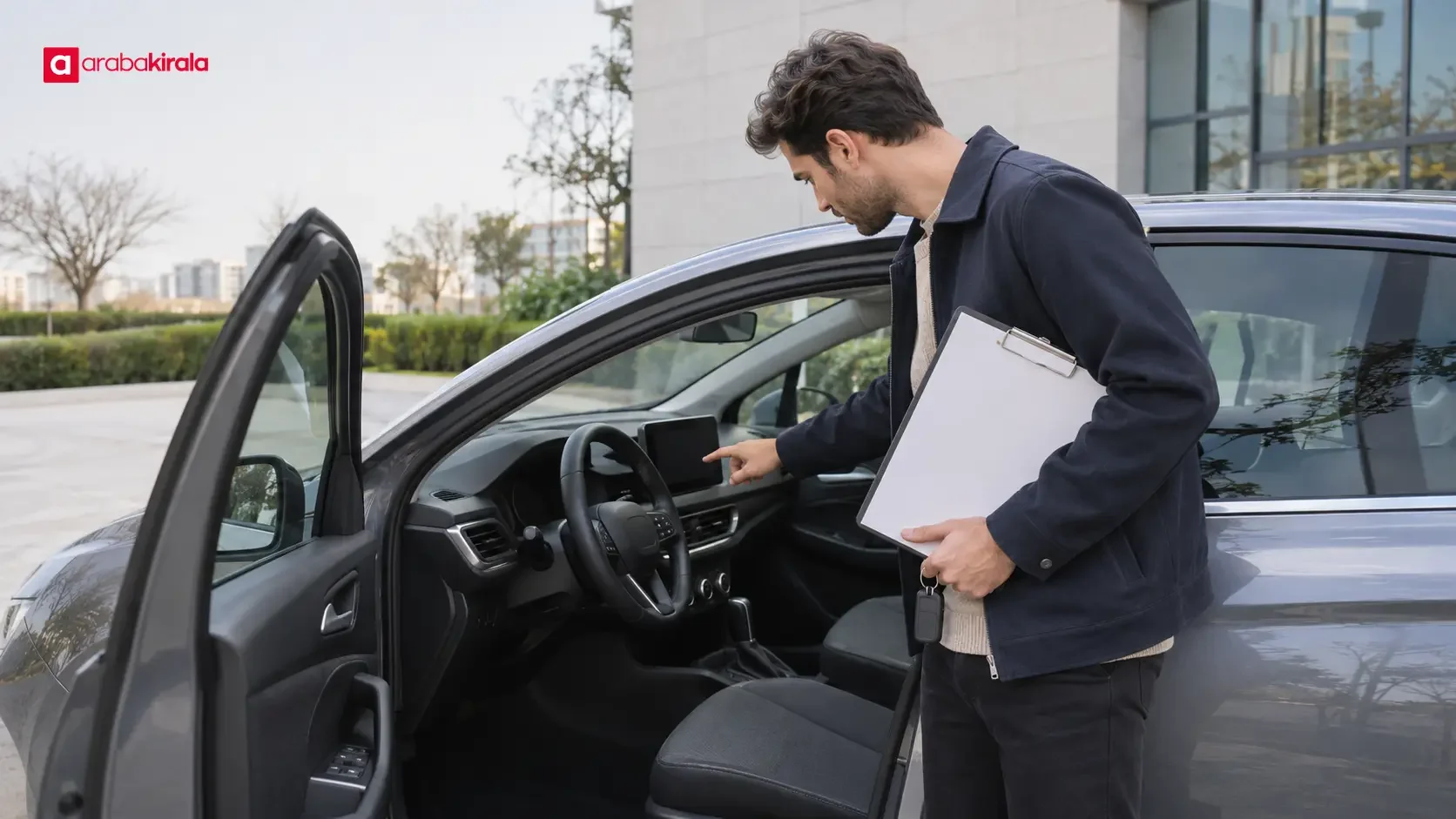
Price planning does not end with the reservation; the handover record can also matter when reviewing charges. At pickup, inspect the body, windows, wheels, and interior. Review visible existing marks with the staff member and check how they appear on the handover form. Note the fuel level and odometer reading so you can compare them with the return record.
At return, check the car and gauges again. The method for handing over the key, options for returns outside branch hours, and the final inspection process can vary by location. Learn the procedure before you arrive, and keep a copy of the return record or other document provided to you.
Summary: calculate the total that fits your trip
A daily rate is a useful starting point, but a sound budget considers the quoted total for your selected dates alongside your trip expenses. Check the duration, hours, separate charges, fuel arrangement, and mileage terms. Compare quotes on matching conditions and ask the pickup branch to confirm any booking-specific details that remain unclear.
As a next step, set your travel dates and approximate route, then request totals for daily and weekly options using the same details. Reviewing the written price breakdown before booking helps you build a clearer and more realistic budget.
Frequently Asked Questions
Is weekly car rental always cheaper than paying by the day?
That cannot be determined from a headline daily amount alone. Compare the quoted totals for the same dates and vehicle conditions, check whether the weekly option fits your actual duration, and ask the branch how any additional time is calculated.
Does a daily car rental price include fuel?
This depends on the booking and branch arrangement. Check how fuel is handled, the level at pickup, and the expected level at return. Plan fuel purchases as a separate line in your trip budget.
Can changing the return time affect the rental price?
A new time can change the total duration or pricing period. Before making a change, confirm the updated total and return procedure with the branch, then review the revised booking summary.
Where can I find the mileage limit and any excess charge?
Ask the branch about the terms for your specific booking, including the period covered and how excess distance is calculated. Recording the odometer reading at pickup and return makes it easier to compare the distance used.
Which expenses should I budget for beyond the quoted price?
Alongside items listed separately in the quote, plan for fuel, tolls, parking, and other travel expenses based on your route. These vary with distance and use, so an estimate based on your own itinerary is more useful than a generic figure.

Related Articles
- Choosing Automatic or Manual Gears for a Rental Car
- Rental Car Climate Controls: Learn the Vents and Air Conditioning
- How to Prepare Offline Navigation for Daily Driving in Istanbul
Legal Disclaimer: All content, articles and information on the Araba Kirala website are provided solely to inform users. No information shared on this website constitutes definitive advice or guidance. Araba Kirala Teknoloji A.Ş. and its authors cannot be held responsible for any direct or indirect damages arising from the application of information on the website. For all questions and requests regarding car rental, please contact the office from which you will rent your vehicle.
 Add ArabaKirala as a preferred source on Google












