Car Body Styles Explained: Types, Features and How to Choose
Published: November 7, 2026 • Reading Time: 7 min • Last Updated: November 7, 2026 • Author: Merve B.
Contents
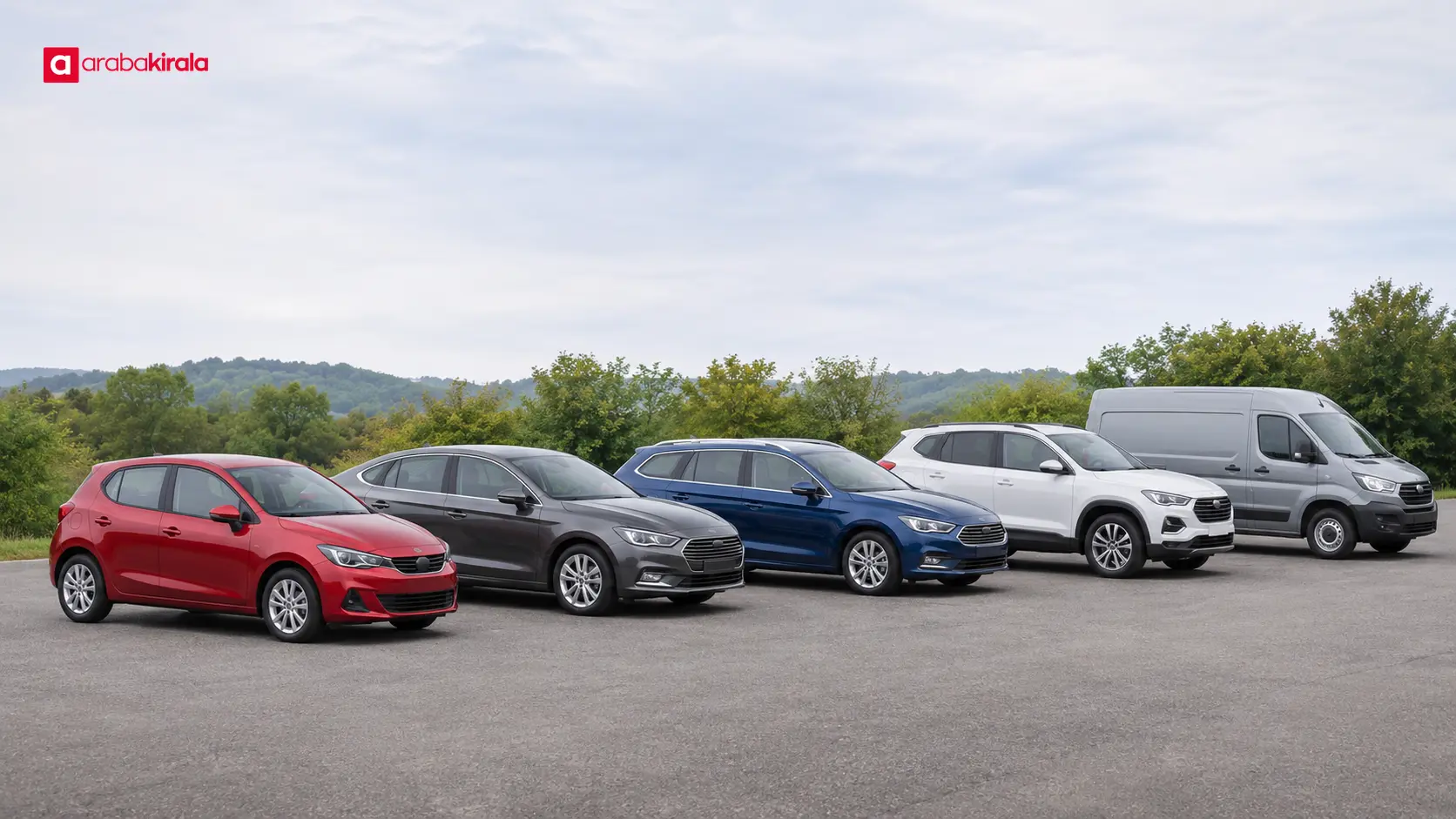
Car body styles describe a vehicle’s outer shape and the way its passenger cabin and luggage space are arranged. This guide explains the differences among sedans, hatchbacks, estate cars, SUVs, coupes, convertibles and MPVs, with practical ways to consider space, access and daily use. Knowing the main car body styles can help you identify a rental vehicle class that fits your trip, while remembering that a body label alone does not guarantee a particular model or capacity.
What does a body style describe?
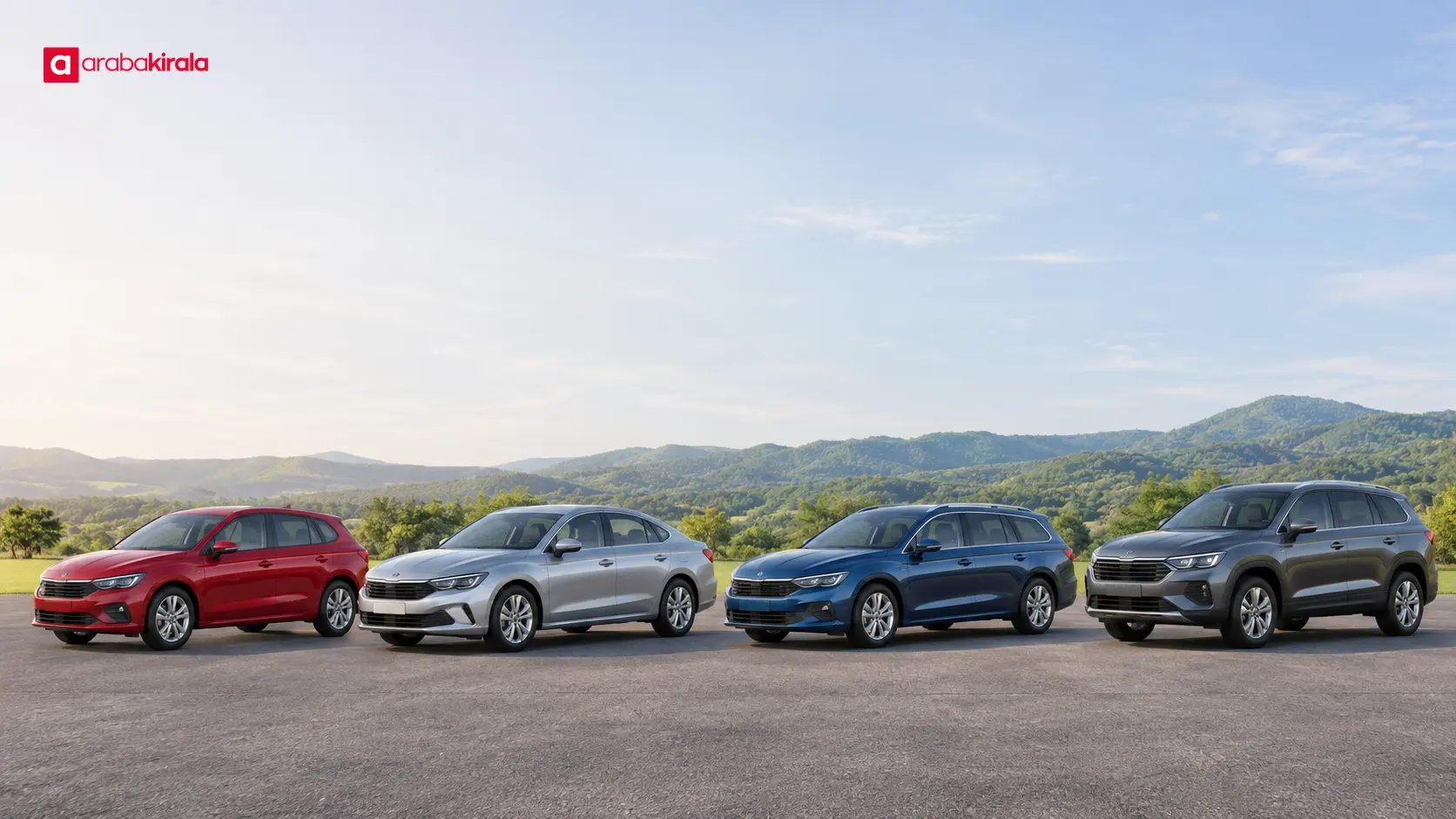
A body style is more than a vehicle’s appearance. Roofline, door arrangement, rear opening, seating layout and access to the luggage area all contribute to the shape category. Vehicles with the same label can still differ in dimensions, equipment and interior design, so the name is a useful starting point rather than a precise specification.
Think about the number of passengers, the size and shape of your bags, child seat needs, parking conditions and the roads on your route. These factors help narrow down suitable options. In rental listings, a vehicle category may describe a group of similar vehicles; it should not be read as a promise of one exact body style or model.
Common car body styles
Sedan
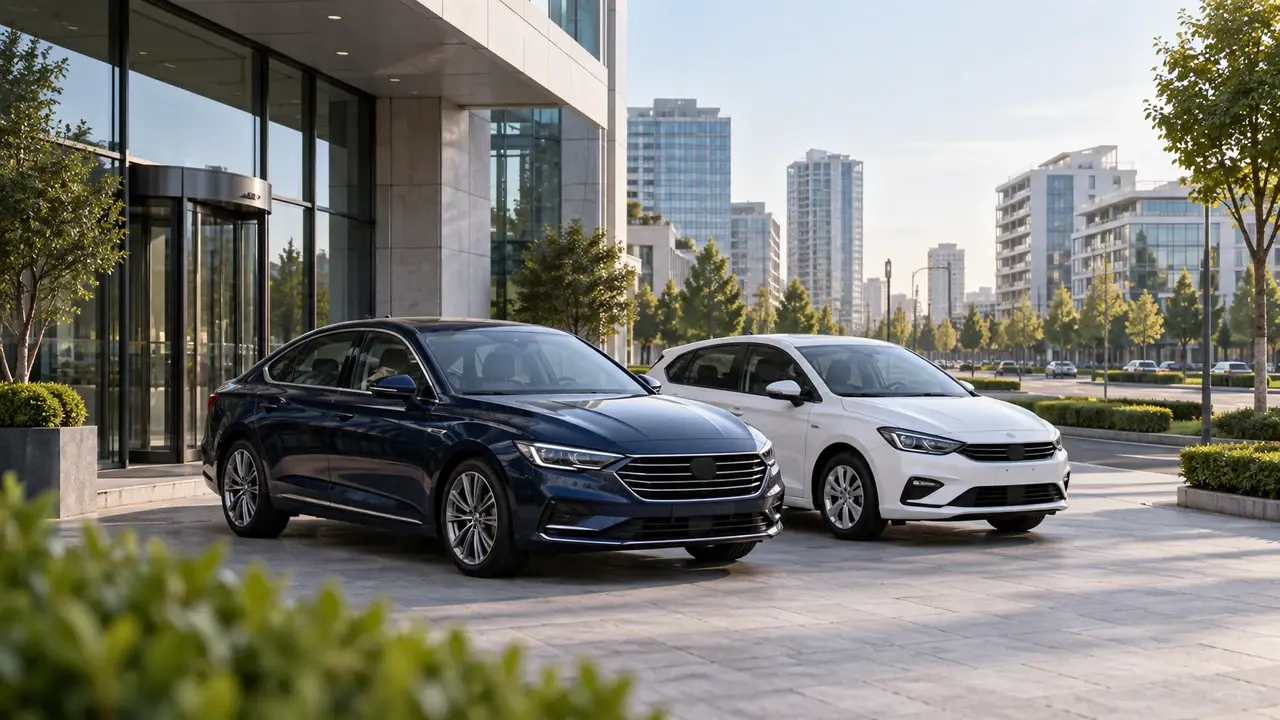
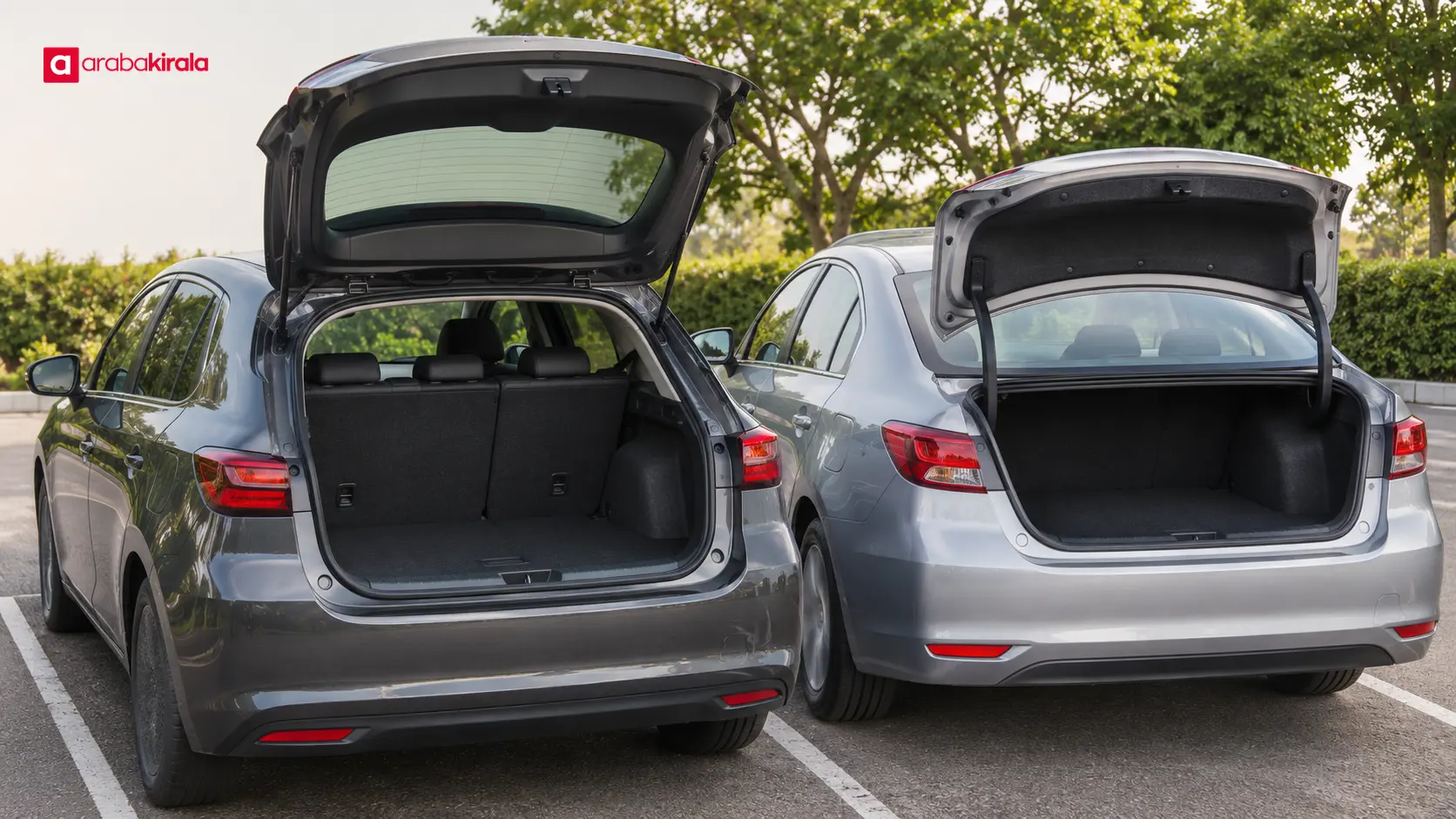
A sedan usually has a passenger cabin and a separate luggage compartment. The rear window stays in place while the boot lid opens, keeping the luggage area distinct from the cabin. This arrangement is familiar in four-door passenger cars and suits people who prefer a clearly separated boot.
The opening may be less convenient for tall or bulky items than a liftgate. A quoted boot volume cannot tell the whole story: the opening width and the shape of your bags matter too. If you plan to carry large luggage, look at the actual layout rather than relying only on the sedan label.
Hatchback
In many hatchbacks, the rear door lifts together with the rear window. The luggage area forms part of the cabin, and the wider opening can make loading easier. When the rear seatbacks fold, some designs also accommodate longer or larger items.
That flexibility does not mean every hatchback has a large boot or the same seating arrangement. Consider the space left with the rear seats in use, as well as the height below any luggage cover. A shorter body can be convenient in some parking situations, though actual length and manoeuvrability depend on the model.
Estate car
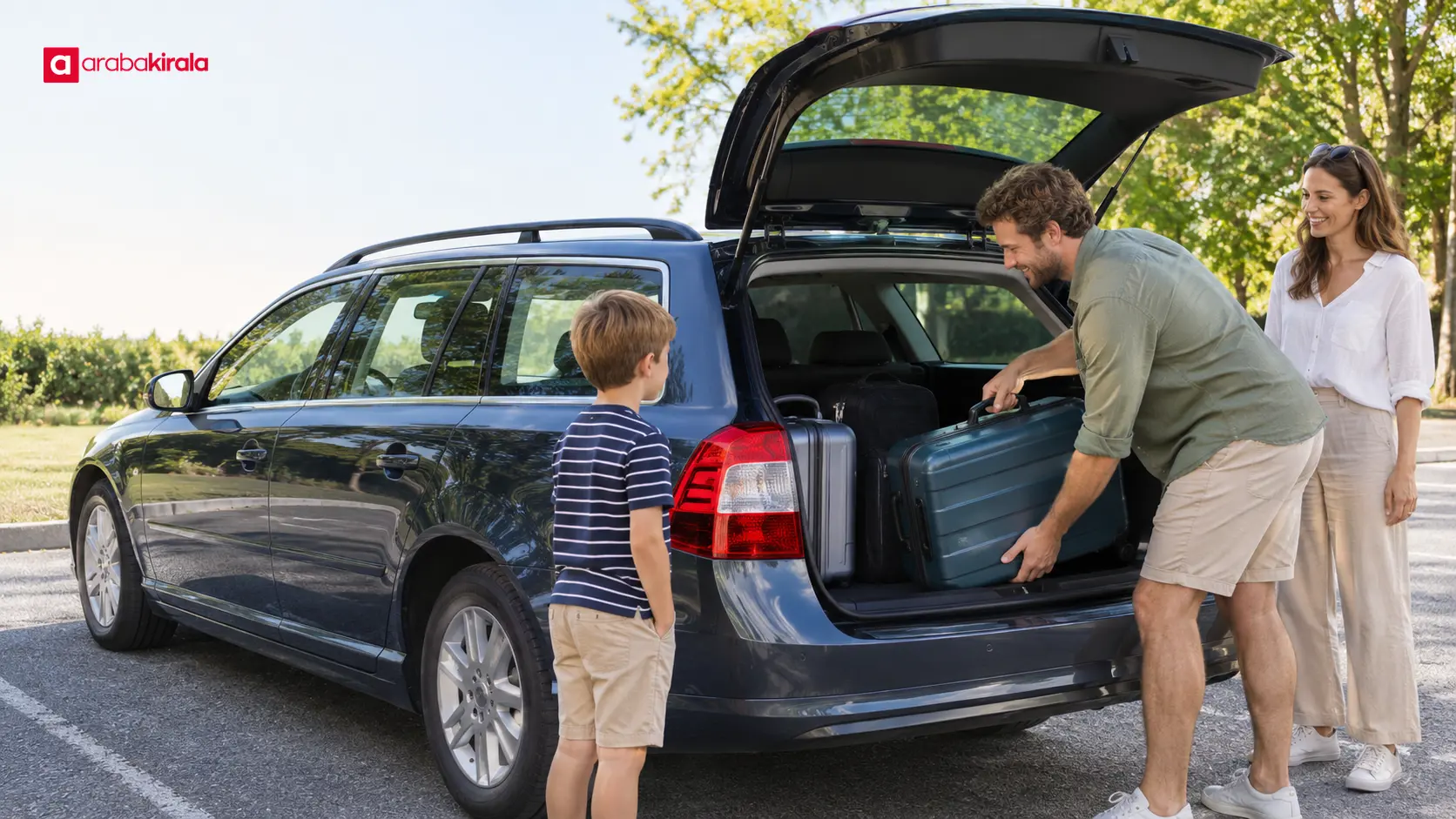
An estate car typically combines a passenger cabin similar to a saloon with a longer roof and an extended rear load area. Its rear door opens upward, and the luggage space is connected to the cabin. The longer roof and cargo area can be useful for several suitcases or items with less convenient shapes.
An estate is not automatically the right answer for every luggage need. Exterior length may affect parking, and the space available with seats upright is what matters for many trips. As passenger numbers rise, the room for bags changes, so consider seating and luggage together.
SUV and crossover
An SUV is commonly associated with a taller body and a higher seating position. A crossover is often a passenger-car-based vehicle with an SUV-like shape or some similar practical features. The terms can overlap in everyday usage, and exact dimensions and design vary by model.
A higher seating position may provide a different view of the road, but visibility, exterior size and fuel use are model-specific. The SUV label does not by itself guarantee four-wheel drive or off-road capability. If road conditions matter, check the drivetrain and operating limits in the vehicle’s technical information or with the branch from which you will rent.
Coupe and convertible
A coupe is traditionally associated with a sporty roofline and often two doors. Some modern designs are described as four-door coupes, so the name alone does not settle the door count. Rear headroom and access to back seats may be limited where the design prioritises the roofline.
A convertible has a roof that can be opened, using either a fabric top or a folding hard panel. The roof mechanism can affect boot space and its shape. Check the particular vehicle’s roof operation, luggage arrangement and passenger capacity before choosing it for a trip.
MPV and minivan
An MPV is a multipurpose body style designed around adaptable passenger and cargo arrangements. Minivan is also used for vehicles with a spacious cabin and several seating rows. The number of seats, row layout and folding mechanisms vary among models in these categories.
For a group trip, the total seat count is only one part of the decision. Check access to each seat, seat belt availability, child seat arrangements and how much boot space remains when all seats are occupied. More passengers can leave less room for luggage, so plan both needs together.
Choosing a body style for your needs
Start with the number of people travelling and the bags you expect to bring. Easy access and parking may matter for short urban journeys; comfort, luggage layout and visibility may matter more on a longer drive. No single body style is best in every situation.
- Consider the size and number of suitcases, plus the shape of the loading opening.
- Account for rear-seat access and child seat needs, as well as passenger count.
- Think about tight streets, covered parking or long-distance driving on your route.
- Check separate features such as fuel type, transmission and drivetrain against your needs.
When renting, a category shown during booking does not necessarily identify the exact model or body that will be provided. Describe the luggage, seating and shape you need, then confirm what the category includes, what the delivered vehicle offers and whether an alternative layout is available with the branch you will rent from. For a rental in Beylikdüzü, confirm location and collection details directly with the relevant branch.
What to check beyond the body label
Vehicle information may include boot volume, seat count and exterior dimensions, all of which can vary by model year and trim. Measurement methods can also affect volume figures. Do not infer exact luggage capacity from one number; if you are carrying large suitcases, ask about the shape of the luggage area and the rear-seat position.
Visibility, door clearance and the height of the seat can affect everyday comfort. At collection, adjust the seat and mirrors, familiarise yourself with the controls and confirm the fuel type. These checks apply regardless of body style and help you use the car comfortably and safely.
A practical approach to renting
First decide what the trip involves: city errands, a family journey, a business trip or a long route with luggage. Then narrow the body options based on your passenger and cargo needs. Finally, confirm the vehicle category and branch-specific collection details. Mileage, deposit, additional driver and return terms can vary by provider and booking, so keep those questions separate from general body-style information.
In short, car body styles help you understand how vehicles arrange space and access; they do not guarantee comfort, capacity or performance. Compare the separate boot of a sedan, the liftgate access of a hatchback or estate, the taller body of an SUV and the flexible seating of an MPV. As a next step, write down your passenger, luggage and route needs and confirm a suitable rental class with the branch.
Frequently Asked Questions
What is the main difference between a sedan and a hatchback?
A sedan generally has a separate luggage compartment, while a hatchback’s rear door opens with the rear window and connects the boot to the cabin. The practical loading space depends on the particular vehicle.
Does an estate or an SUV have more boot space?
There is no answer based on the body label alone. Interior dimensions, seat positions and boot shape vary by model. Compare your luggage dimensions with the vehicle details, and ask the rental branch to confirm the available layout if needed.
Are crossovers and SUVs the same?
The terms can overlap in everyday use, but not every source defines them identically. Crossover often describes a passenger-car-based body, while SUV is a broader category. Check technical specifications for drivetrain or off-road capability rather than inferring them from the name.
Which body style carries the most passengers?
MPVs and minivans are known for multiple seating rows, but capacity varies by model. Confirm the seat count, belts and the luggage room remaining when all seats are occupied.
How should I specify a body style when renting?
Tell the branch how many people are travelling, how much luggage you have and which layout you need. Since a booking category may not mean one exact model, confirm the vehicle class and branch-specific details directly with the office you will rent from.