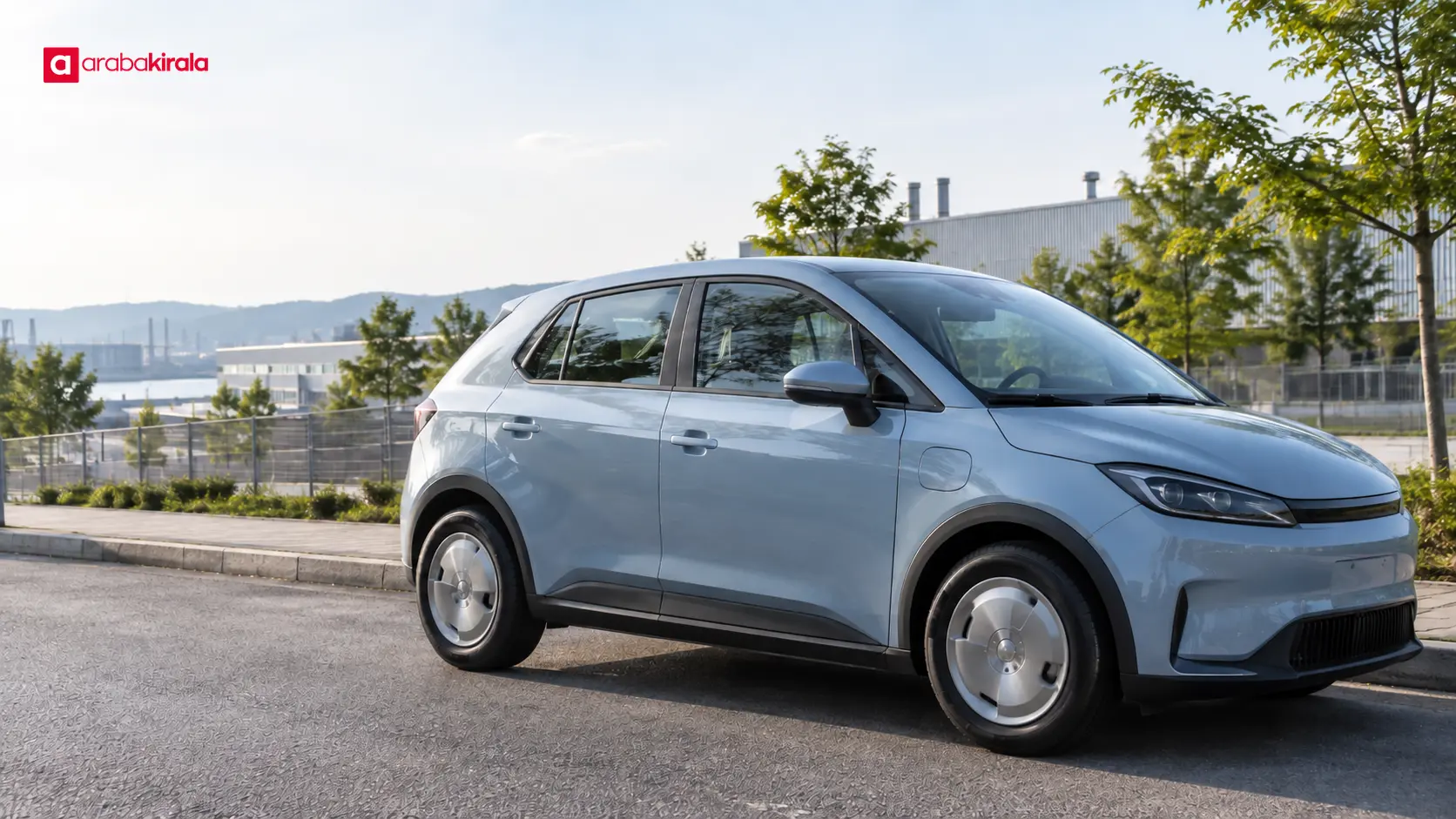
Car Wind Noise at High Speeds: Common Causes
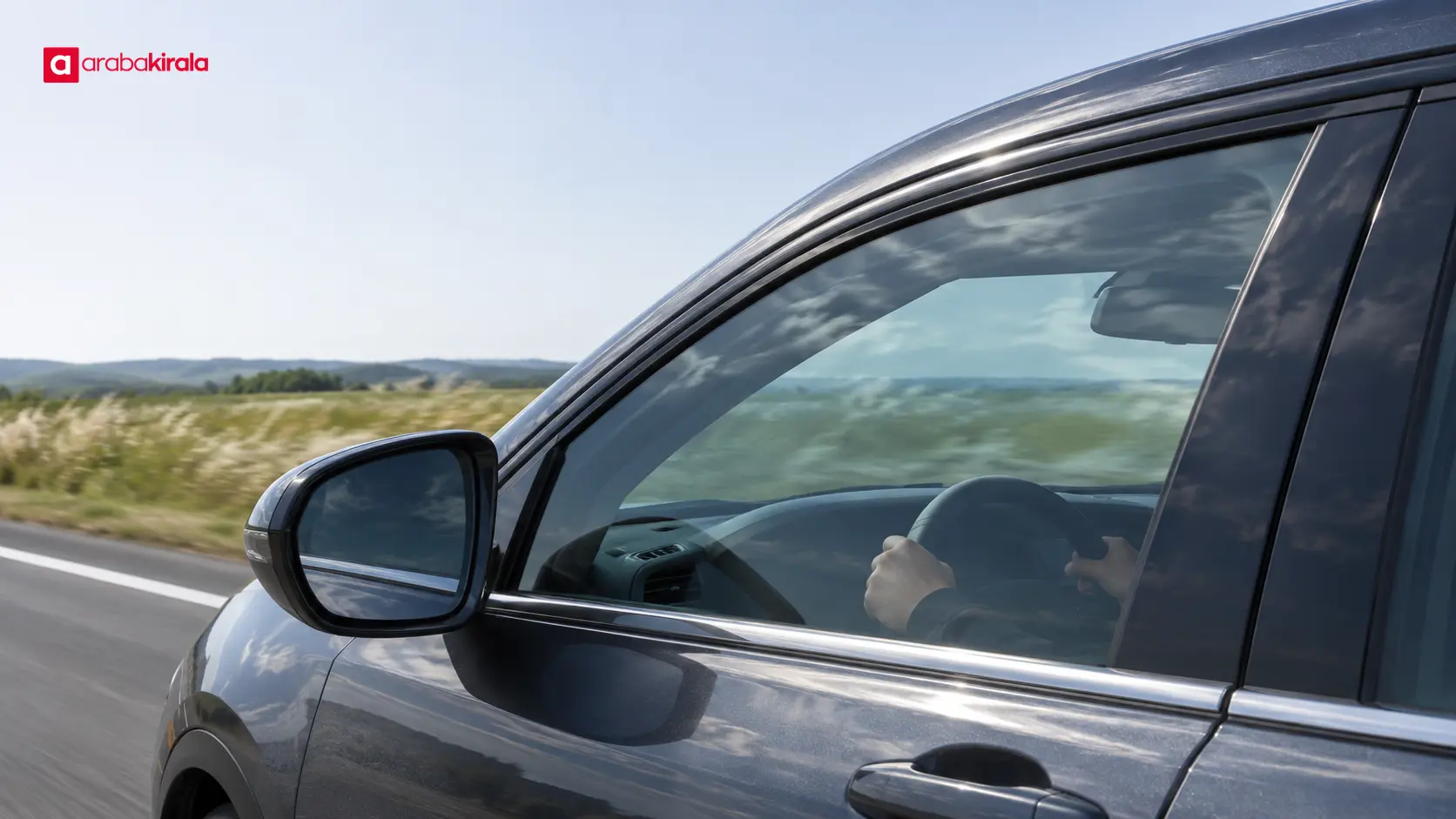
Published: November 5, 2026 • Reading Time: 6 min • Last Updated: November 5, 2026 • Author: Merve B.
Learn why wind noise becomes noticeable at speed, how to distinguish possible sources, and what safe checks can help you describe it.
Contents
- Why does wind noise increase with speed?
- Common sources of wind noise
- Door and window seals
- Side mirrors and windshield trim
- Roof accessories and exterior parts
- Distinguishing wind noise from other sounds
- Safe steps for checking the vehicle
- If you notice the noise in a rental car
- Summary and next step
- Frequently Asked Questions
- Related Articles
Car wind noise that becomes noticeable at highway speed can come from the doors, windows, mirrors, or roof area. Knowing how airflow creates these sounds—and what details to observe safely—can help you describe the issue and decide when the vehicle needs professional attention. This guide explains common sources, ways to distinguish similar sounds, and practical checks that do not involve taking parts apart.
Why does wind noise increase with speed?
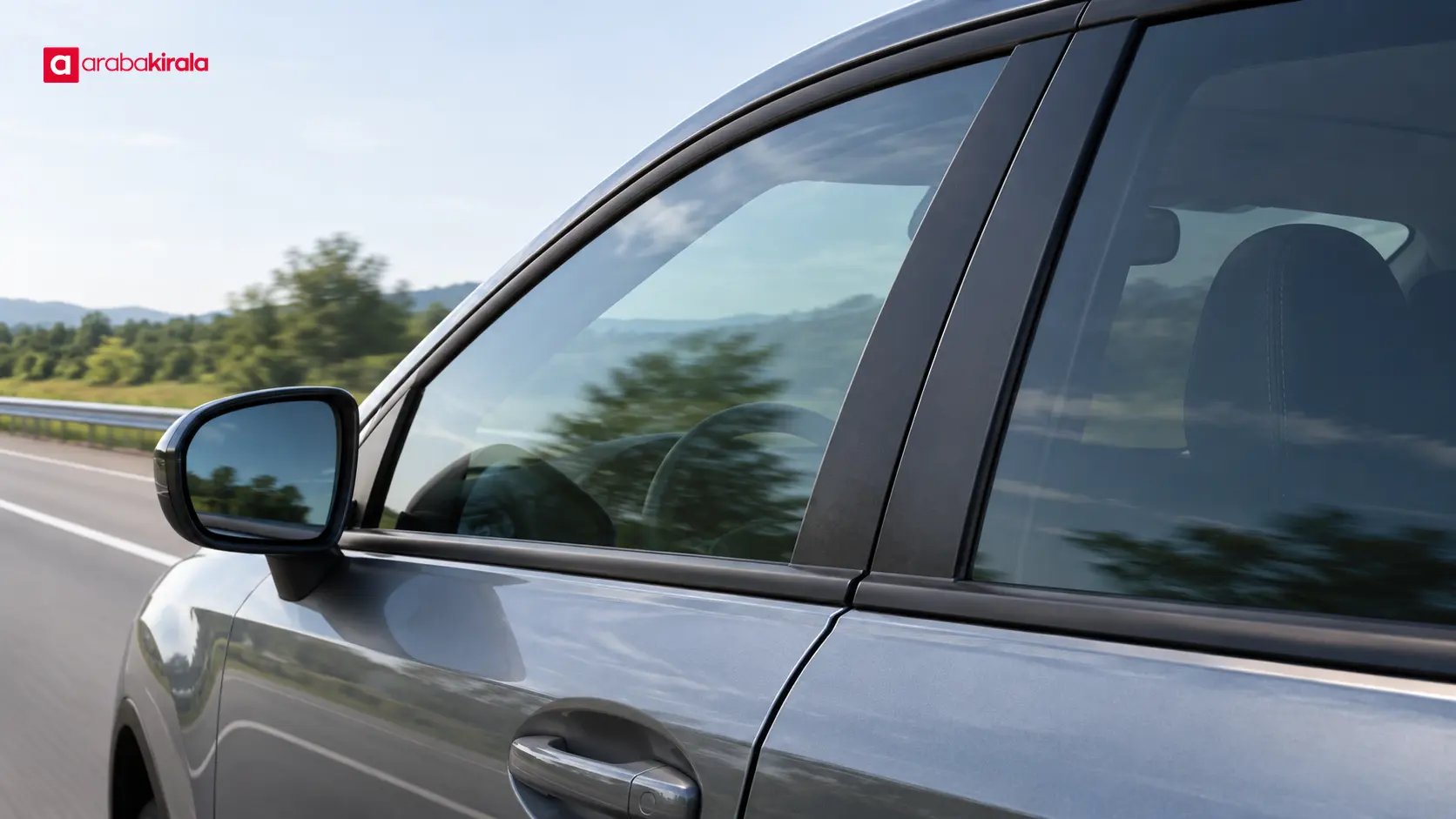
For car wind noise, the practical points below should be considered together. As a car moves, air flows around its body. Small gaps or changes in shape near window and door joints can disturb that flow, creating a whistle, hiss, or low rush of sound. At lower speeds the noise may be masked by other cabin sounds; as airflow increases, it can become easier to hear.
Speed is only one factor. Crosswinds, road surroundings, vehicle design, and cabin conditions all affect how a sound is perceived. A noise that changes from one trip to another does not automatically identify a fault. Pay attention to whether it is new, growing louder, or accompanied by water entry, vibration, or a loose exterior component.
Common sources of wind noise
Door and window seals
Rubber seals help close the joints between doors, windows, and the body. Dirt, visible wear, displacement, or a door that does not close normally can let airflow create noise. A window that is not fully closed or a damaged window seal may also produce a whistle or steady rush near the glass.
If the sound seems concentrated near a door’s upper edge or a particular section of glass, inspect the visible area while parked. Do not pull, cut, or apply an unapproved lubricant to the seal. Some products can affect rubber or trim; follow the vehicle manual for cleaning and care.
Side mirrors and windshield trim
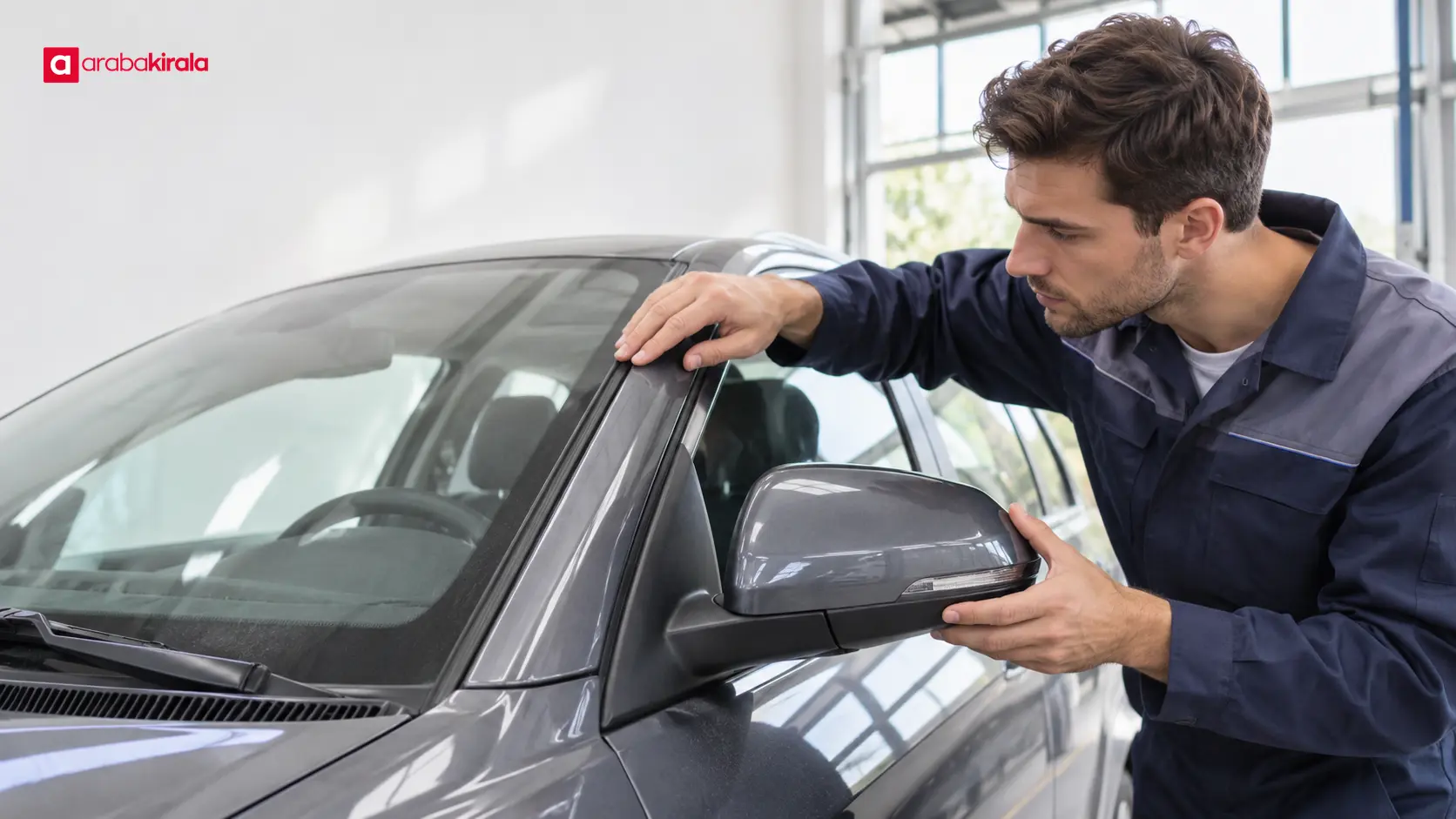
Side mirrors interrupt airflow, so some noise may be heard around their housings. A loose cover or a poorly seated nearby trim piece can make the sound more noticeable. The edge of the windshield can also be a source if surrounding trim has moved or been damaged.
Cracks, separation, water leaks, or damage that affects visibility around the windshield deserve prompt attention. Treat these as more than a comfort issue: stop somewhere safe and arrange a qualified inspection. Never reach toward the windshield edge or mirror while driving.
Roof accessories and exterior parts
Roof rails, cargo boxes, and bicycle carriers change the way air passes over a vehicle. They may create a new whistle or hum, particularly after installation or adjustment. Check installation and fasteners only as described in the accessory maker’s instructions, and do so while parked.
A component that appears loose can be a safety concern. If you cannot confirm that an accessory is secure, avoid high-speed driving and seek assistance. Different products have different installation and use instructions, so do not assume one accessory’s guidance applies to another.
Distinguishing wind noise from other sounds
Wind noise often changes with speed or wind direction and seems to come from around glass or a door edge. Tire and road noise tends to vary with pavement texture and may fill more of the cabin. Engine sound is more closely related to engine speed and throttle input. These are useful observations, not definitive diagnostic tests.
When it is safe to do so, note the speed range where the sound begins, whether crosswinds change it, where it seems loudest, and whether it changes on different road surfaces. Do not handle a phone to record the noise while driving. A passenger can make notes, or you can write them down after stopping.
Safe steps for checking the vehicle
- Stop in a safe place first. Check that windows are fully closed and doors and the trunk or hatch are shut normally.
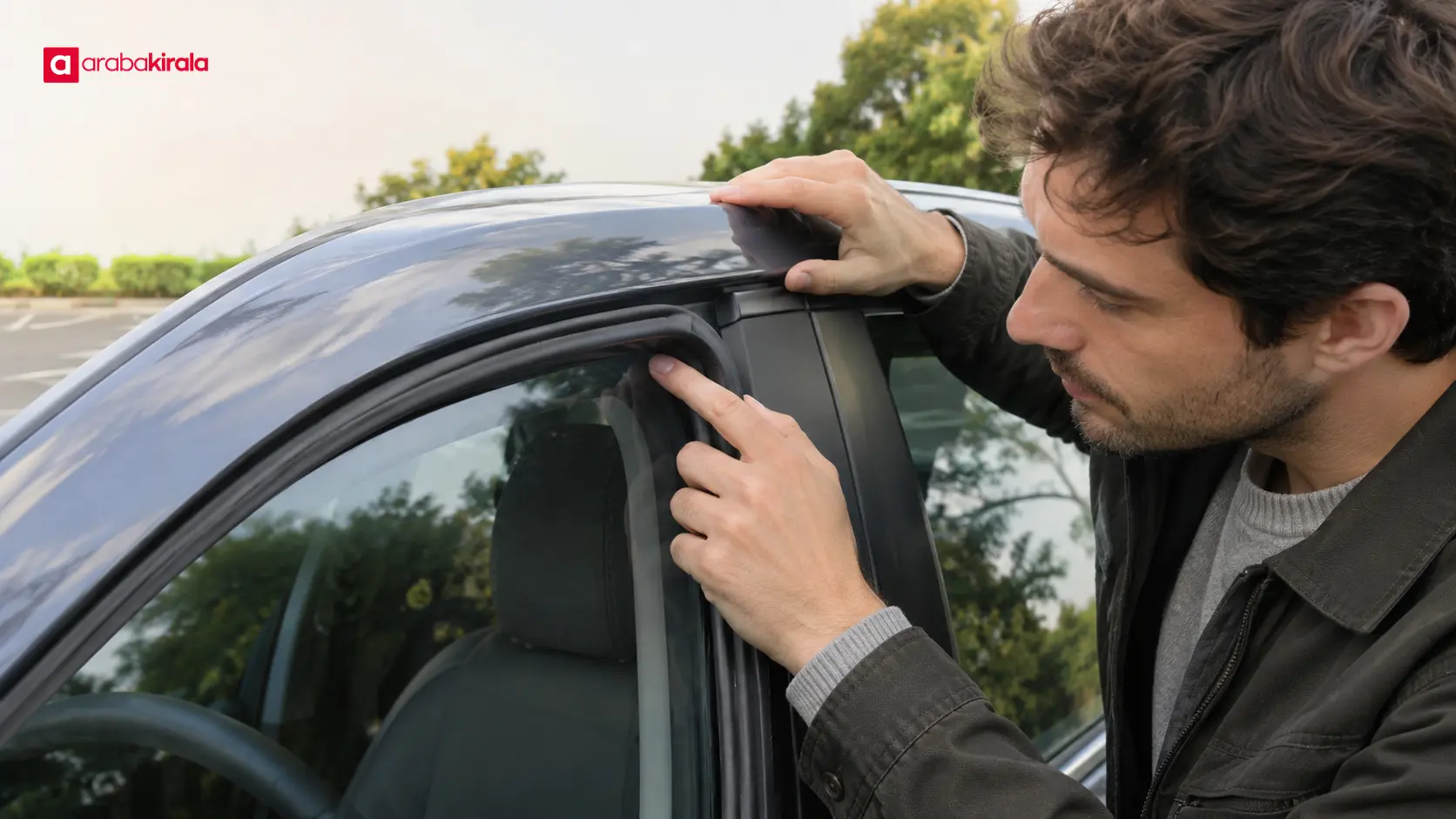
- Look at visible joints. Note torn, displaced, or obstructed seals and obvious gaps, but do not force parts into place.
- Review accessories. Check roof-mounted equipment according to the vehicle and accessory instructions.
- Record the conditions. Speed, wind direction, road surface, and the apparent location of the sound help explain what you heard.
- Get qualified help if it continues. Water leaks, a loose exterior part, vibration, or windshield damage that affects visibility calls for prompt inspection.
These observations cannot confirm the source. Wind noise can resemble sounds from tires or other vehicle components. If the noise begins suddenly, grows quickly, or comes with changes in steering, braking, or vehicle stability, stop in a safe location and seek assistance.
If you notice the noise in a rental car
If a rental car makes wind noise at speed, note where and under what conditions you heard it after reaching a safe place. During the normal handover inspection, it can also help to look at visible exterior damage and the condition of the windows. Do not continue driving if the sound is accompanied by a sign that affects safe operation.
For vehicle-specific inspection or assistance arrangements, contact the branch where you collected the car. Describe what you observed rather than removing or adjusting parts; a clear account can help the branch guide the next step.
Summary and next step
Door and window seals, side mirrors, windshield trim, and roof accessories are common areas to consider when wind noise appears at speed. Observe how the sound relates to speed, wind, and road surface, and avoid forcing seals or exterior parts. If it persists or comes with another safety concern, seek qualified help. For a rental vehicle, ask the pickup branch about vehicle-specific support.
Frequently Asked Questions
Is wind noise at high speed always a sign of a problem?
No. Airflow around a vehicle can create audible noise, and the sound alone does not confirm a fault. Arrange an inspection if it is new or worsening, or if it comes with water entry, vibration, or a loose part.
How can I tell whether a door seal is involved?
A sound that seems strongest near a door edge or changes with the window or door closure may be a clue, but it is not a diagnosis. Look for visible damage while parked and have a professional assess it without pulling at the seal.
Should I open a window to locate the noise?
An open window changes airflow inside the cabin and can introduce new sounds, so it is not a reliable test. Avoid experimenting while driving; note the sound under normal conditions and share your observations with a technician.
Can a roof rack cause a whistle?
Yes. Roof-mounted equipment changes airflow and may create a whistle or hum. Follow the product’s installation instructions, and do not drive at high speed if you are unsure that it is secure.
What should I do if a rental car makes wind noise?
Stop somewhere safe and note when and where the sound occurs. If it affects safe use, do not continue driving; contact the branch where you collected the car for guidance specific to that vehicle.
Related Articles
- Acoustic Glass and Sources of Cabin Noise in Cars
- How to Read Car Headlight Symbols and Controls
- Cold Engine Driving: A Guide to Your First Trip
Legal Disclaimer: All content, articles and information on the Araba Kirala website are provided solely to inform users. No information shared on this website constitutes definitive advice or guidance. Araba Kirala Teknoloji A.Ş. and its authors cannot be held responsible for any direct or indirect damages arising from the application of information on the website. For all questions and requests regarding car rental, please contact the office from which you will rent your vehicle.
 Add ArabaKirala as a preferred source on Google