Choosing a Rental Car for City Driving and Long Trips

Published: November 7, 2026 • Reading Time: 7 min • Last Updated: November 7, 2026 • Author: Merve B.
Contents
- Start with a clear use plan
- What matters for city driving?
- Size and parking
- Comfort in stop-and-go traffic
- Priorities for a longer drive
- Comfort and luggage placement
- Fuel and route planning
- Compare needs for city and long-distance use
- Details to clarify before booking
- Checks at pickup and on the road
- A short checklist for choosing
- Conclusion: choose for the route you have
- Frequently Asked Questions
- Related Articles
and Long Trips directly describes the main subject covered in this guide. City and long trip car rental planning starts with how you will actually use the vehicle. This guide explains how to weigh city traffic, parking, passengers, luggage, route length, fuel type and pickup checks together. The aim is to identify a car class that fits your itinerary and clarify branch or reservation details before booking.
Start with a clear use plan
For and Long Trips, the practical points below should be considered together. Where and for how long you will drive narrows the options. Frequent short stops in city traffic can make manoeuvrability and parking more important. On an intercity route, sustained seating comfort, organized luggage and places to take breaks deserve more attention.
Write down the number of passengers, any child-seat needs, luggage dimensions and likely road conditions. Headcount alone does not describe cargo needs: large cases, a stroller or work equipment may need substantial boot space. Ask the branch where you will rent about the vehicle class shown during booking and the specifics of the car that will be provided.
What matters for city driving?
Size and parking
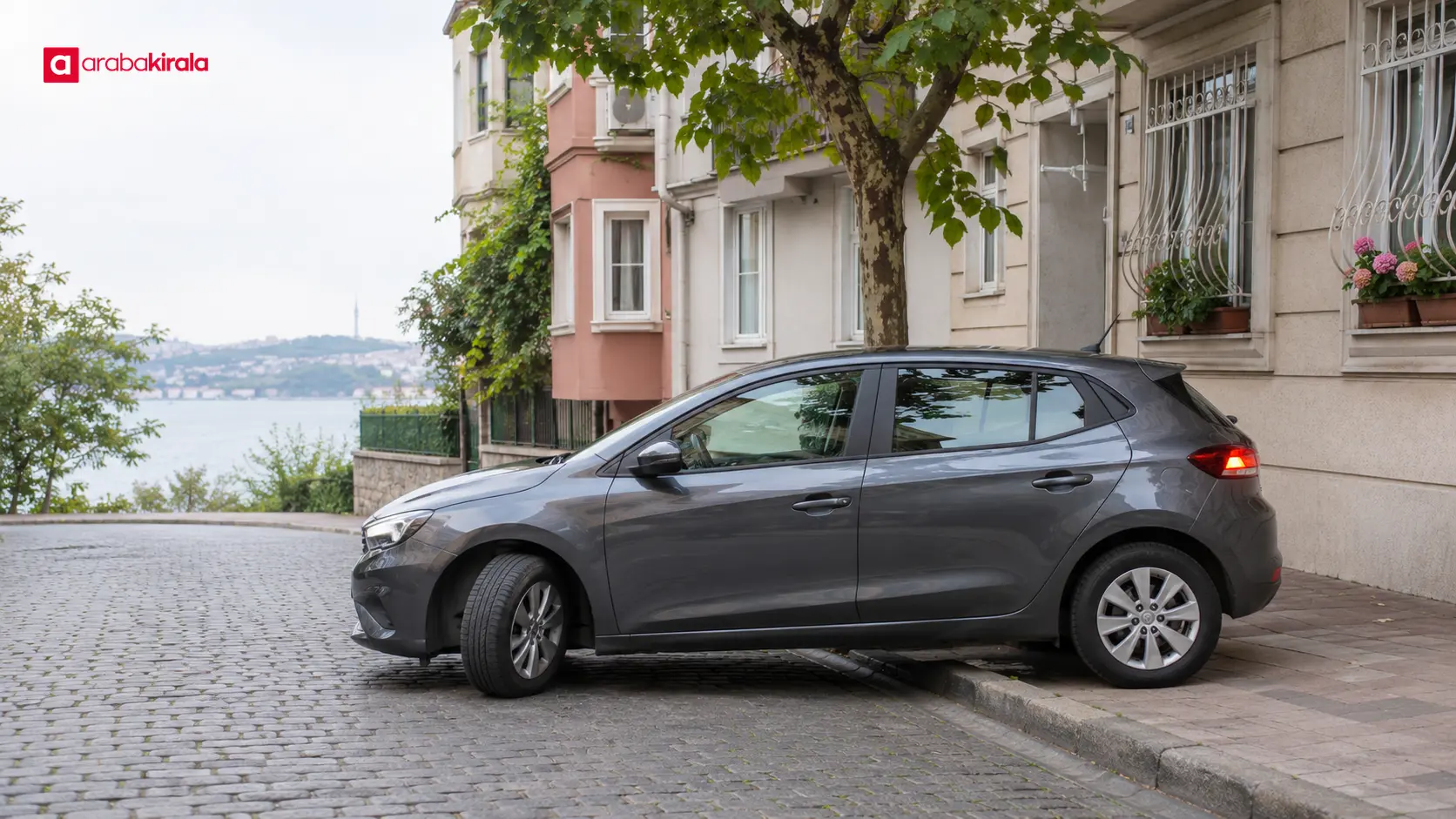
Narrow streets, busy traffic and limited parking can make a smaller vehicle easier to handle. A compact car may be simpler to turn and park than a wide vehicle, although visibility, mirror setup and features such as parking sensors also affect the experience. Do not assume every vehicle has those features; confirm the available car and equipment with the branch.
When parking, avoid blocking sidewalks, cycle lanes, crossings and entrances. Apply the parking brake, check doors and windows, and keep valuables out of sight. A navigation app may suggest a street that does not suit the vehicle’s dimensions or your experience, so follow road signs and conditions around you.
Comfort in stop-and-go traffic
Seat adjustment, steering control and easy-to-reach controls can help reduce fatigue in slow traffic. Before moving, learn the seat, mirror, lighting and climate controls. Set your route before driving; if you need voice guidance, configure it while parked rather than handling a phone on the road.
Priorities for a longer drive
Comfort and luggage placement
On longer journeys, seat support, cabin organization and road noise can matter more. Place heavier bags low and secure them so they do not shift; avoid stacking luggage high enough to obstruct the driver’s view. Check that the boot is closed properly and that loose items in the cabin cannot move forward during sudden braking.
A vehicle class alone cannot guarantee comfort. Model, equipment and the specific vehicle available can vary. Tell the branch how many passengers and how much luggage you expect, then ask about the size and features of available options. If you need a child seat, clarify compatibility and availability separately.
Fuel and route planning
Fuel consumption depends on the engine, load, driving style, traffic, road gradient and weather. One consumption figure therefore does not describe every journey. Review refuelling opportunities along your route and keep an eye on the gauge. Confirm the vehicle’s fuel type at pickup; using the wrong fuel can cause serious vehicle damage.
If you are considering an electric or hybrid vehicle, assess charging access along the route, range planning and the car’s connector type against your needs. Charging station access and availability can change, so check current information for the travel date. Ask the rental branch about vehicle equipment and any return expectations related to charging.
Compare needs for city and long-distance use
- Short urban use: Easy parking, visibility and a small daily load may be priorities.
- Family use in town: Consider passenger capacity, child-seat fit and luggage organization together.
- Long-distance driving: Seat comfort, secure luggage, fuel type and break opportunities become more important.
- Mixed use: Look for a balanced class that supports both city manoeuvres and comfort on longer routes.
This is a general decision framework, not a universal ranking. Narrow roads, passenger numbers, luggage volume and driving experience can change what matters most. Confirm the exact model, equipment and branch-specific pickup details before completing a reservation.

Details to clarify before booking
Once your needs are clear, contact the branch where you will rent to ask about available vehicle classes and pickup arrangements. Clarify pickup and return location and timing, the fuel arrangement, mileage terms, additional-driver requirements and availability of any extra equipment. These details can vary by service and reservation; they should not be treated as universal industry rules.
Before signing, read the agreement to make sure it matches your reservation and the handover terms. Ask about the total price components, included services, situations that may add charges, the scope of insurance and damage processes, and how to get assistance. Do not assume what protection covers; check how it is described in the agreement and related documents.
Checks at pickup and on the road
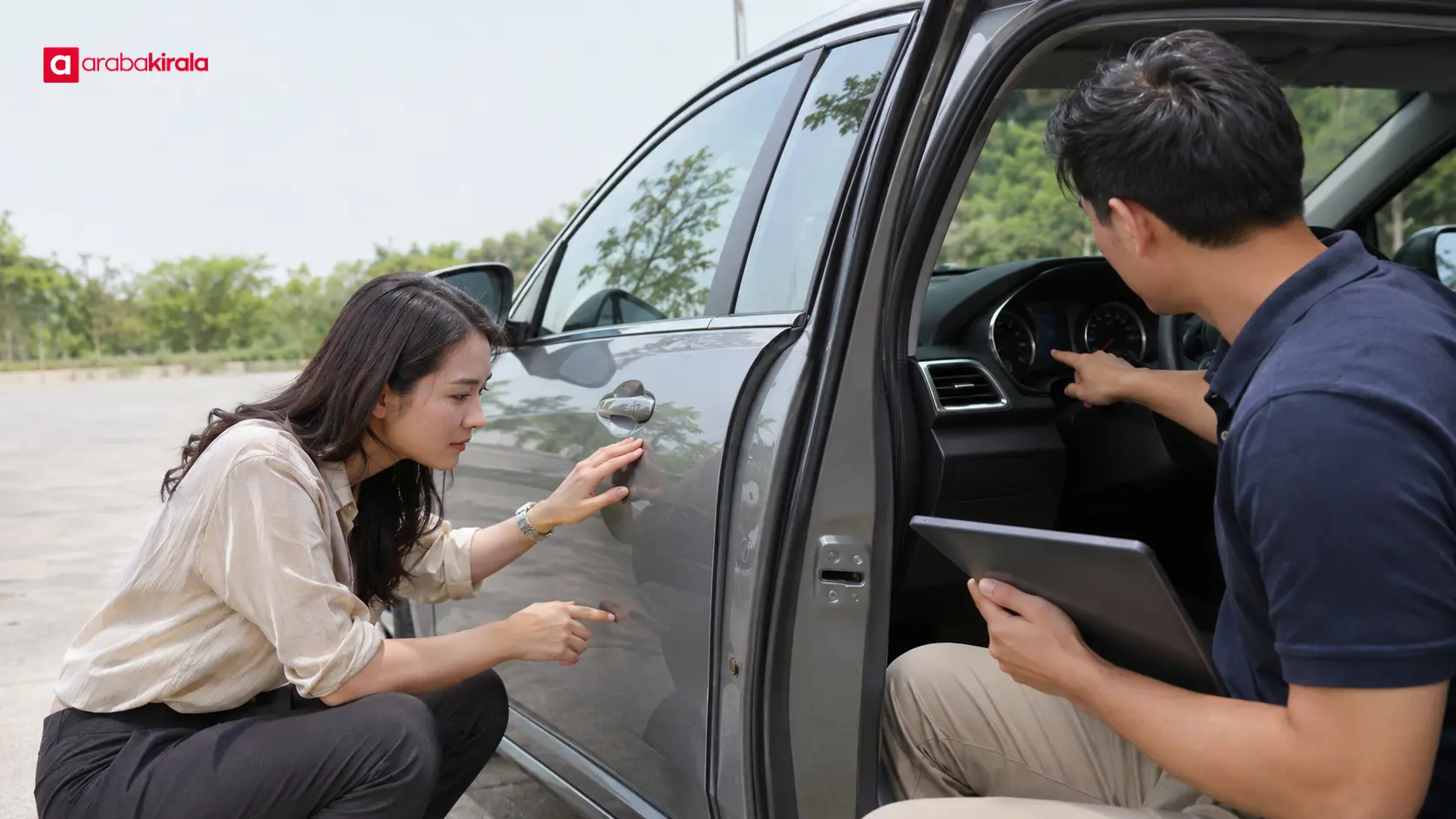
At pickup, walk around the vehicle in a safe, well-lit place. Point out visible scratches, dents, glass damage and wheel marks in the handover record, and take photos if useful. Confirm that the fuel level and odometer reading are recorded accurately. If a warning light is on, tell the staff before setting off.
Look over the lights, indicators, wipers, mirrors, seat belts and general tire condition. A visual check does not replace a professional technical inspection; report anything that looks wrong before driving. Follow traffic rules, wear a seat belt and take a break in a safe place if you feel tired.
Before returning the car, prepare to deliver it at the location and time stated in the agreement. Check the fuel and odometer readings, remove personal items and review the return record. Whether after-hours return, a different location or a change of time is possible depends on the branch and booking; confirm it in advance.
A short checklist for choosing
- Set out the route and the balance of city and intercity driving.
- Count passengers and estimate child-seat needs and luggage dimensions.
- Prioritize parking, comfort, fuel type and access to charging if relevant.
- Confirm the available car class and booking-specific handover details with the branch.
- Understand the agreement, price items, damage record and assistance process before pickup.
Conclusion: choose for the route you have
The right rental for city streets and longer drives is one that accommodates your passengers and luggage, suits the route and comes with clear handover terms. Compactness can help in town, while comfort and cargo placement can matter more over distance; balance both for mixed use. As a next step, list your route and passengers, confirm a suitable vehicle class with the branch and review the handover record carefully.
Frequently Asked Questions
What vehicle size is easiest to use in a city?
If streets or parking spaces are tight, a compact size may make manoeuvring easier. Passenger numbers, luggage and visibility still matter, so assess the vehicle class against your own needs.
What should I check before taking a rental car on a long trip?
Confirm the fuel type, check for dashboard warnings, inspect the general tire condition, lights, indicators, wipers and seat belts. Tell the handover staff about any visible issue before driving away.
Can one rental car work for both city driving and a long trip?
It can, depending on the whole route, passenger and luggage needs, parking conditions and comfort expectations. Decide how you want to balance city manoeuvrability with long-distance comfort.
Where can I find the rental car’s mileage terms?
Mileage limits and excess terms can vary by reservation. Ask the branch where you will rent for the exact terms, and check that the odometer is recorded correctly at pickup and return.
How should I record existing damage at pickup?
Walk around with the staff member and verify that visible damage appears in the handover record. Photos can also help document the condition; ask the branch how its record is maintained.
What should I consider when renting an electric car for a long trip?
Consider charging access along the route, connector type and range planning together. Check the current status of charging points before travelling and confirm vehicle-specific instructions with the branch.
 Add ArabaKirala as a preferred source on Google