Cold Tire Pressure vs. Hot Tire Pressure: What’s the Difference?
Published: November 6, 2026 • Reading Time: 6 min • Last Updated: November 6, 2026 • Author: Merve B.
Understand why cold and hot tire pressure readings differ, where to find your vehicle’s recommended pressure, and how to check it reliably.
Contents
- What do cold and hot tire pressure mean?
- Why does pressure rise after driving?
- Where can you find the correct pressure?
- How to measure tire pressure accurately
- What if you measured a hot tire?
- Common mistakes when interpreting pressure
- Checking a rental car before setting off
- Summary: measure at the right time and use the right reference
- Frequently Asked Questions
- Related Articles
- Sources
Cold tire pressure and hot tire pressure are readings taken under different conditions. This guide explains why they differ, how to find the recommended value for your vehicle, and how to check and interpret a reading. Measuring at the right time and comparing each tire with the vehicle maker’s guidance makes routine tire care more useful.
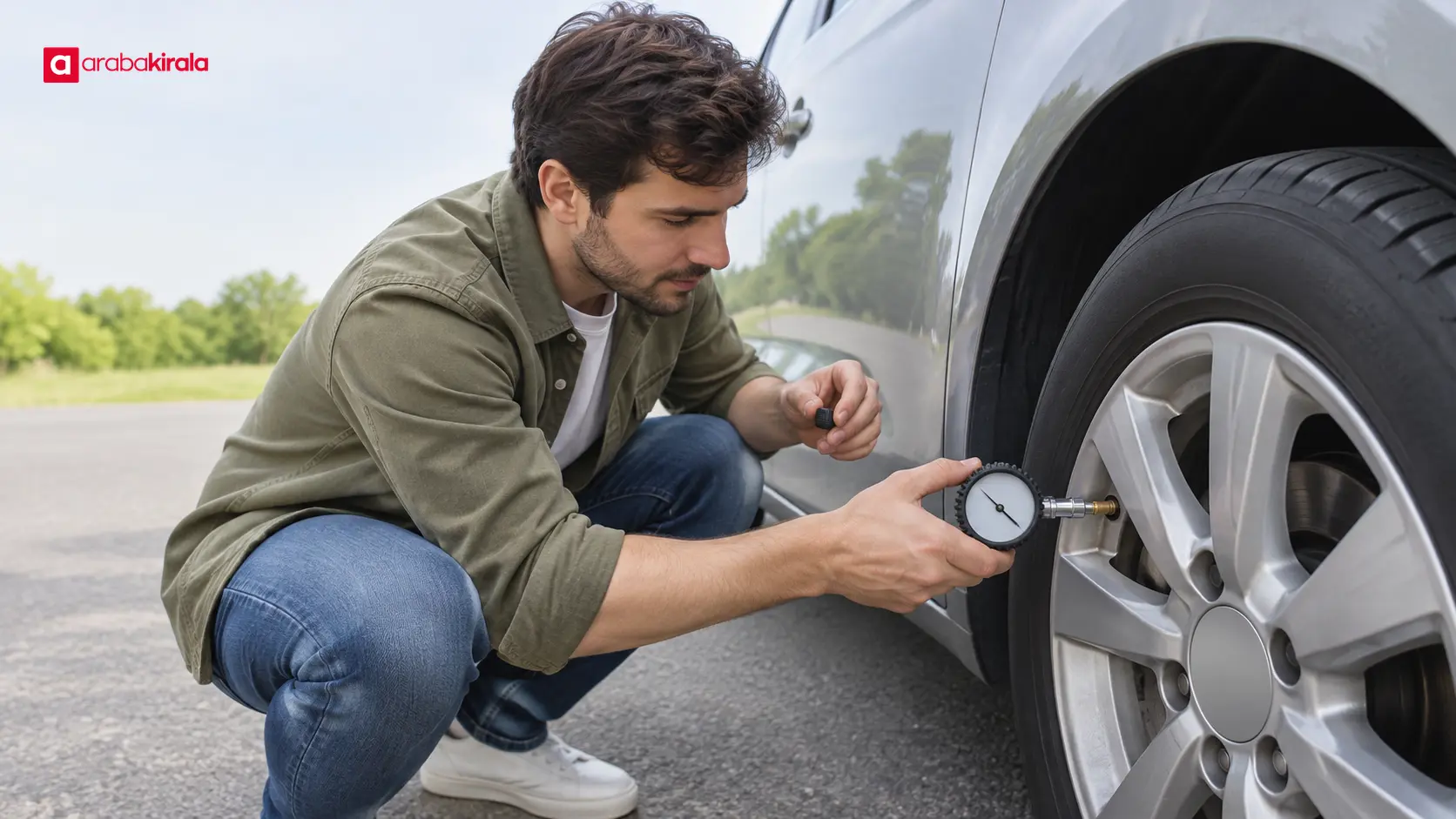
What do cold and hot tire pressure mean?
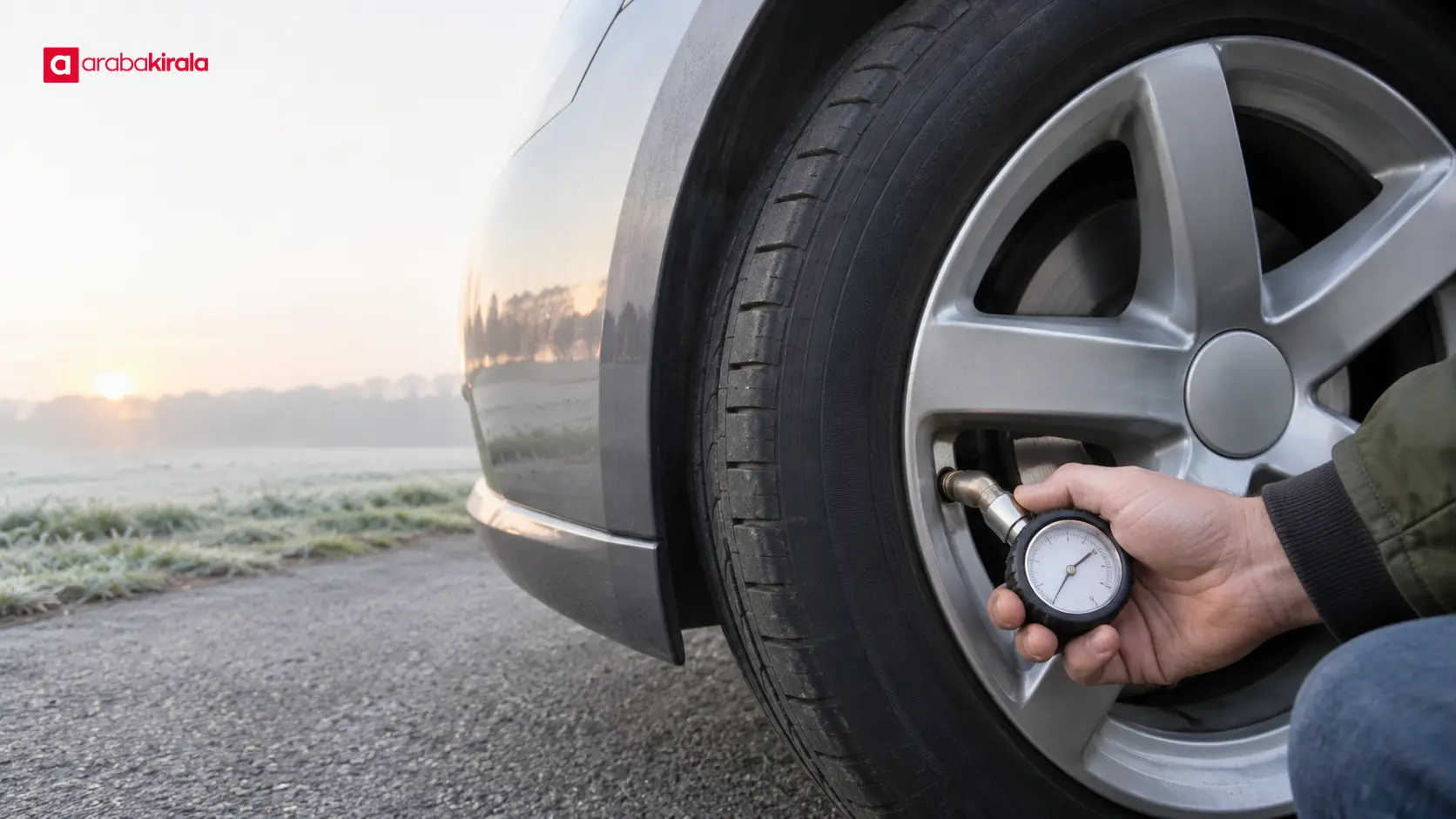
“Cold” does not mean that the tire must be in cold weather. It means the tire has not become notably warm from driving. A car that has been parked for a while, or has traveled only a short distance at low speed, is closer to a cold measurement condition. Vehicle makers generally give recommended pressure figures for checking tires in this condition.
As a car moves, its tires flex and warm through contact with the road. The air inside also warms and expands, so the gauge may show a higher value than it would after the tire has rested. A hot tire pressure reading should therefore not be treated as directly identical to a cold reading. The difference alone does not mean that air should be released.
Why does pressure rise after driving?
A tire is a flexible component that supports the vehicle and meets the road. It changes shape continuously as it rotates, producing heat. Ambient temperature, driving duration, speed, load, and road conditions can also affect tire temperature. The pressure reading reflects the air temperature and the tire’s condition at the time of measurement.
Weather temperature matters too. When the surrounding air cools, the air inside a tire may cool and pressure may fall; warmer conditions can raise the reading. These changes are a reason to measure rather than guess. They do not, by themselves, change the vehicle maker’s recommended target.
Where can you find the correct pressure?
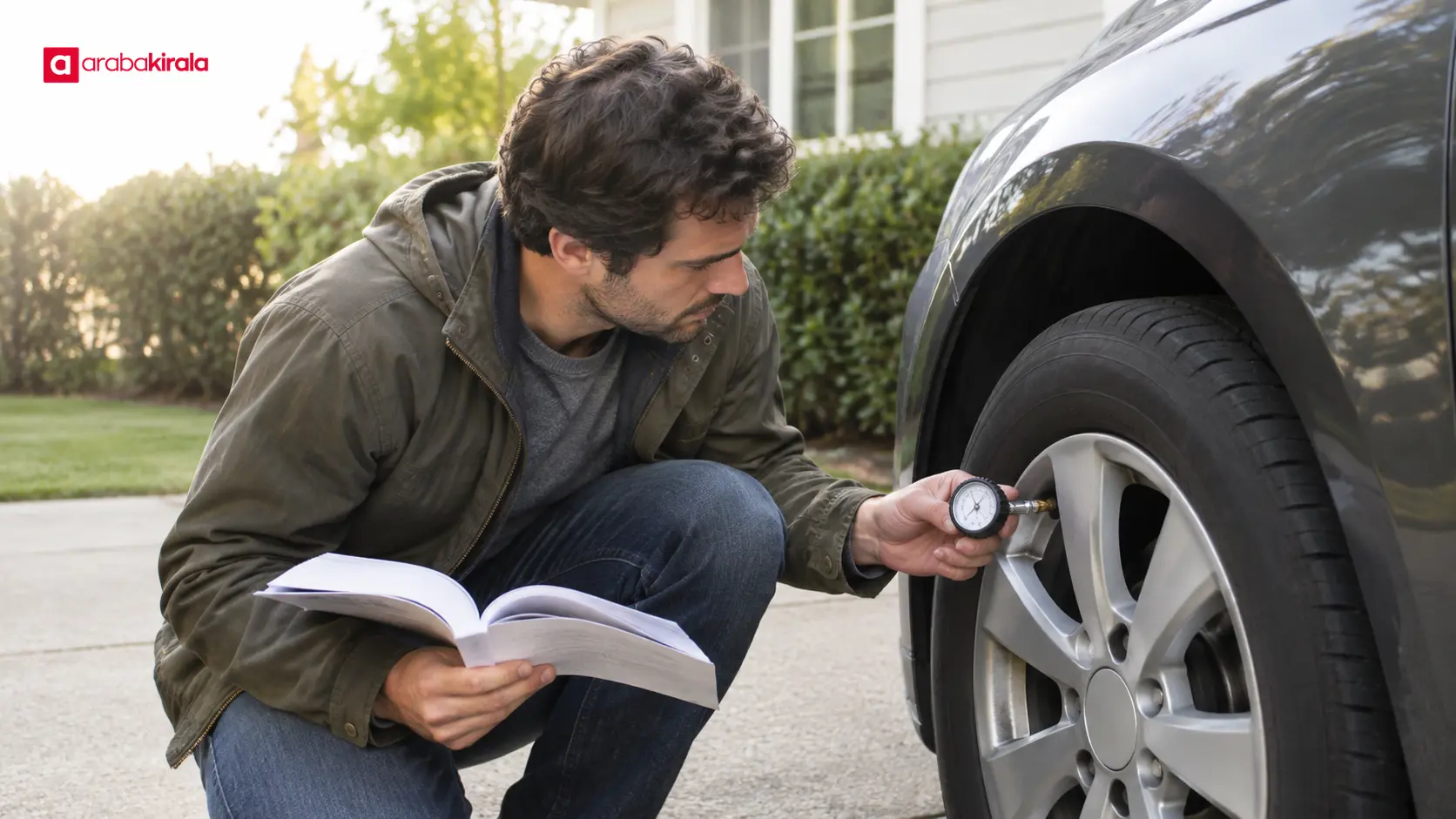
The recommended tire pressure can vary by vehicle model and configuration. Look in the owner’s manual or on the information label provided by the vehicle maker. The label location differs by car and may be in a door opening, near the fuel door, or elsewhere. The maximum figure on a tire sidewall is not the same as the vehicle’s recommended pressure for everyday use.
Front and rear tires may have different recommended values. If the manual or label lists multiple values for tire size or vehicle load, select the applicable entry. Check the unit as well: gauges may display bar, kPa, or psi. If the information is unclear, consult the vehicle maker’s guidance or an authorized service center.
How to measure tire pressure accurately
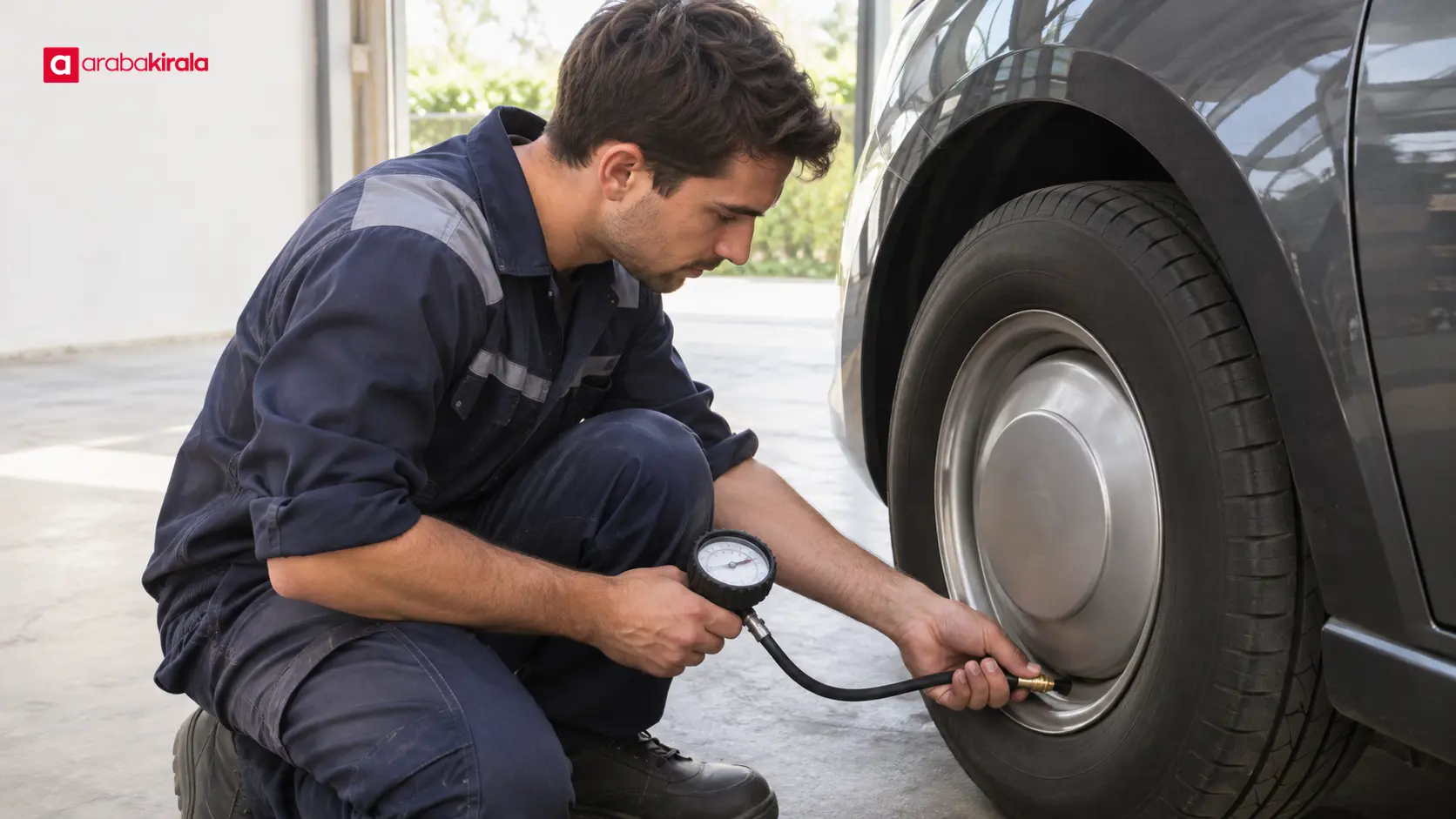
For the most consistent check, measure before a long drive when possible, while the tires are cold. Park on a level, safe surface. Fit the pressure gauge squarely onto the valve stem and read the display once it stabilizes. Replace the valve cap afterward; keeping the valve clean and protected helps reduce the chance of contamination or air loss.
- Find the target and unit in the owner’s manual or on the vehicle label.
- Check all four tires and the spare if the vehicle has one.
- Make sure the gauge fits securely on the valve and the reading settles.
- Compare each wheel with its own recommended value; do not mix up front and rear figures.
- Repeat checks regularly and before longer trips.
Different gauges can show small variations, so using the same reliable gauge during a check makes comparisons easier. If the device is damaged, the reading keeps changing, or air seems to escape from the valve, have a tire professional inspect it.
What if you measured a hot tire?
A reading taken shortly after driving may be higher because the tire is warm. Releasing air immediately just because this value is above the cold target can leave the tire below the recommended pressure after it cools. When practical, allow the tires to cool, measure again, and use the vehicle maker’s cold-pressure recommendation as the reference.
If a tire looks visibly low, a warning light appears, or the car shows a symptom that could affect control, put safety first. Stop in a safe place and inspect the tire visually. If you see damage, a cut, a bulge, or suspect rapid pressure loss, do not continue driving; seek professional assistance. A temporary increase in a hot reading is not a reason to ignore possible damage.
Common mistakes when interpreting pressure
A frequent mistake is treating the maximum pressure printed on the tire sidewall as the vehicle’s target. That figure is not the maker’s recommended pressure for ordinary use. Copying a number from another vehicle or a generic online chart can also mislead because vehicle, tire, and load conditions differ.
Another mistake is relying only on the warning light. A tire pressure monitoring system is a useful aid, but it does not replace regular visual checks and measurements. Pressure can differ from the recommendation even if no warning light appears. Checking pressure is also a good opportunity to look for uneven wear, impact damage, valve problems, or objects embedded in the tread.
Checking a rental car before setting off
When collecting a rental car, tell the branch before driving if you notice visible tire damage or a tire that appears significantly deflated. Ask the branch directly about vehicle- or rental-specific details, such as how to handle a pressure warning or where to find the vehicle’s recommended values. This is a practical way to start safely without treating general tire guidance as a particular company policy.
Summary: measure at the right time and use the right reference
Cold tire pressure is measured before driving has significantly warmed the tire; hot tire pressure is measured after use. Because warming can raise the reading, the two should not automatically be compared with the same target. A useful next step is to find the figure in your owner’s manual, measure when the tires are cold, and compare each wheel separately.
Frequently Asked Questions
How long should I wait before checking cold tire pressure?
The key is not a fixed number of hours but whether driving has significantly warmed the tires. After a long trip, let the vehicle sit until the tires cool before checking. Follow any measurement instructions in the owner’s manual.
Why does hot tire pressure read higher?
During driving, tires flex and warm up. The air inside warms too and expands, which can produce a higher gauge reading. The amount of change depends on driving and surrounding conditions.
Should I release air from a hot tire right away?
If you measured a hot tire, do not release air solely because the reading exceeds the cold target. Recheck after the tire cools and use the vehicle maker’s cold recommendation. Get professional help if damage or a clear leak is suspected.
Can I find the recommended pressure on the tire sidewall?
The sidewall information generally describes tire dimensions and limits; it should not be read as the vehicle’s everyday target. Use the owner’s manual or the vehicle maker’s pressure label instead.
How often should I check tire pressure?
Check at the intervals recommended by the vehicle maker. It is also useful to check before a long trip, after a change in load, or during notable temperature shifts. If a tire looks low or a warning appears, assess it promptly and safely.
Related Articles
- What Is the Difference Between Active and Passive Car Safety Systems?
- Estimated Damage Cost vs. Final Insurance Payment for a Car
- How Speed, Roads, and Tires Affect Braking Distance
Sources
Legal Disclaimer: All content, articles and information on the Araba Kirala website are provided solely to inform users. No information shared on this website constitutes definitive advice or guidance. Araba Kirala Teknoloji A.Ş. and its authors cannot be held responsible for any direct or indirect damages arising from the application of information on the website. For all questions and requests regarding car rental, please contact the office from which you will rent your vehicle.
 Add ArabaKirala as a preferred source on Google