Engine Braking: How to Descend a Hill Safely
Published: November 7, 2026 • Reading Time: 7 min • Last Updated: November 7, 2026 • Author: Merve B.
Contents
- What engine braking is and how it works
- Why it helps on a downhill road
- Plan your gear before the descent
- Use the brake pedal when needed
- Manual and automatic cars
- Manual transmission
- Automatic transmission
- Before setting off in a rental car
- Common mistakes to avoid
- In summary and your next step
- Frequently Asked Questions
- Related Articles
Engine braking downhill can help you keep a car’s speed under control. This guide explains what engine braking does, how to think about gear choice, and how it works alongside the brake pedal. Engine braking is the slowing effect created by the engine and drivetrain when you ease off the accelerator. It is not a stopping system by itself: a safe descent depends on suitable speed, the right gear for the vehicle, effective braking, and attention to the road.
What engine braking is and how it works
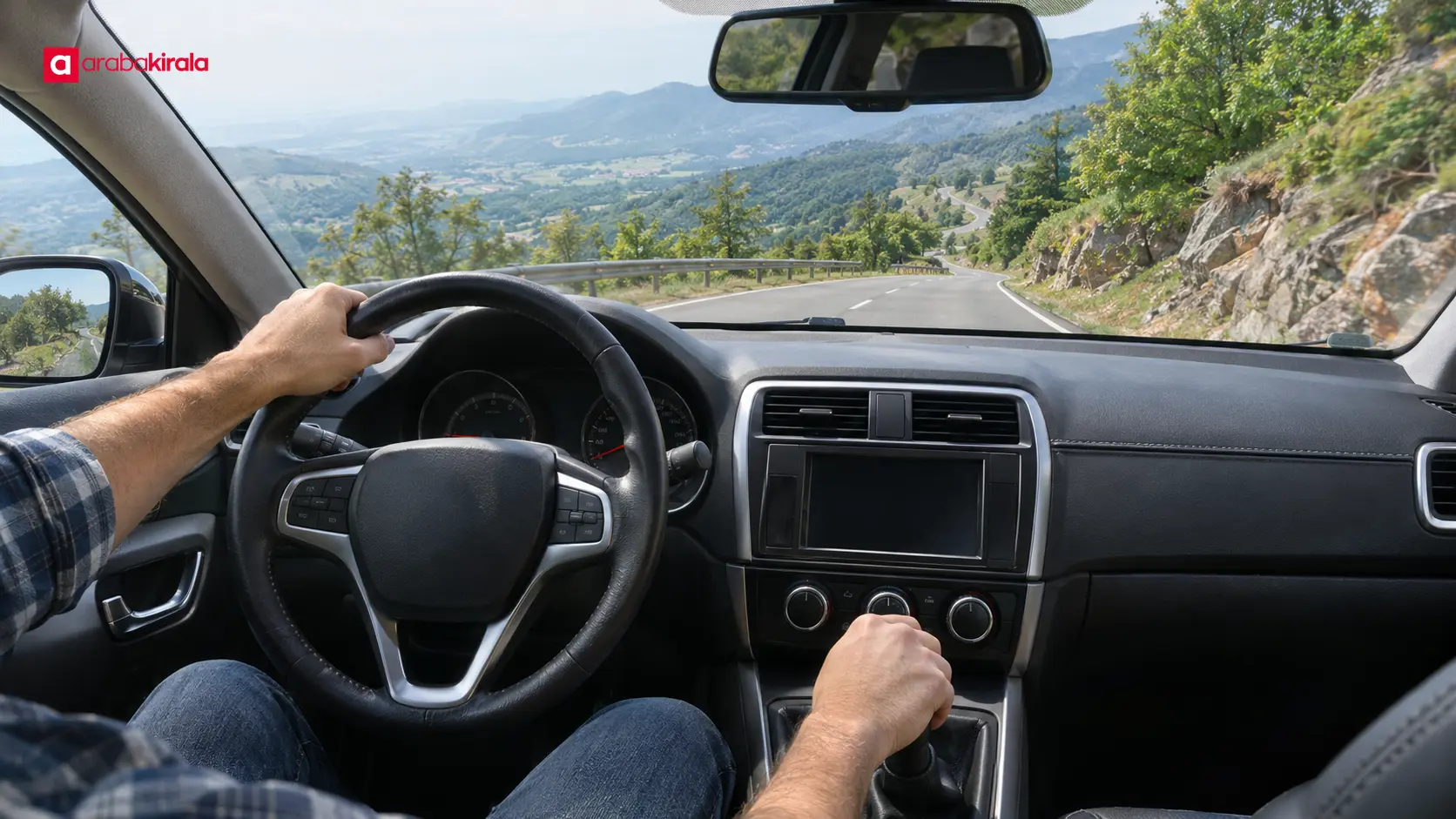
When you lift off the accelerator, the engine receives less power. The wheels and drivetrain continue to turn as the car moves, and the engine’s resistance can help reduce speed. The strength of this effect varies with the selected gear, vehicle design, speed, and gradient. There is no single speed or gear that applies to every car and every hill.
This differs from pressing the brake pedal, which applies the vehicle’s wheel brakes. Engine braking uses resistance through the engine and drivetrain. On a descent, the two methods can be used together. Engine braking helps manage speed, but it does not remove the need to use the brake pedal when traffic, a bend, or an obstacle requires slowing or stopping.
Why it helps on a downhill road
On a long slope, gravity can make a car gain speed even when the accelerator is released. A suitable gear can help the vehicle maintain a more controlled pace, so the driver does not have to rely on constant pedal pressure alone. This can make braking easier to manage, but it does not mean that brakes will never heat up or wear under any conditions.
The gradient, bends, visibility, weather, and vehicle load all matter. On wet, icy, or loose surfaces, abrupt changes in speed or direction can reduce traction. Avoid trying to engage this technique sharply; reduce speed smoothly and early. Do not enter a bend faster than your visible road and conditions allow.
Plan your gear before the descent
Assess the length and steepness of the road before the slope begins. Reduce speed on a level or less steep section, then select a gear according to the vehicle manual. In general, a lower gear can increase the engine’s slowing effect, but the suitable choice depends on vehicle speed and manufacturer instructions. Selecting a very low gear at high speed can strain the drivetrain or affect stability.
- Check the road surface, bends, and sight lines as you approach the descent.
- Reduce speed gradually before the slope and change gear as the vehicle manual directs.
- Leave a safe gap to the vehicle ahead and choose a pace that fits what you can see.
- If the engine revs rise excessively, the car jolts, or control becomes difficult, do not force the gear change; stop somewhere safe and check the instructions.
In a manual car, holding the clutch down and coasting prevents you from benefiting from this approach. Change gear and release the clutch smoothly. In an automatic car, drive modes, selector positions, or steering controls vary by model. Learn their meaning and permitted use in the owner’s manual before relying on them; the same symbol may not have the same function in every vehicle.
Use the brake pedal when needed
the method cannot bring the car to a complete stop or guarantee the braking needed to avoid a hazard. Use the brake pedal when you need to reduce speed or stop. Apply it smoothly and keep enough distance to reduce the chance of sudden braking. If the pedal feels unusually soft, you hear an unfamiliar noise, smell something burning, or notice reduced braking, stop in a safe place and seek assistance.
Holding the brakes on continuously for a long time can contribute to overheating in some conditions. Using an appropriate gear and this subject can help you manage the descent, with the brakes applied in a controlled way when necessary. That does not mean you should avoid the brake pedal. Use it whenever the road gradient or traffic calls for braking, and follow the vehicle’s instructions.
Manual and automatic cars
Manual transmission
Choosing a suitable gear in a manual car helps preserve the engine’s slowing effect. Before shifting down, make sure your speed is appropriate for the gear. Follow the manual’s guidance about engine speed and gear limits. Forcing a shift, allowing the engine speed to rise excessively, or releasing the clutch abruptly is not a safe descent technique.
Automatic transmission
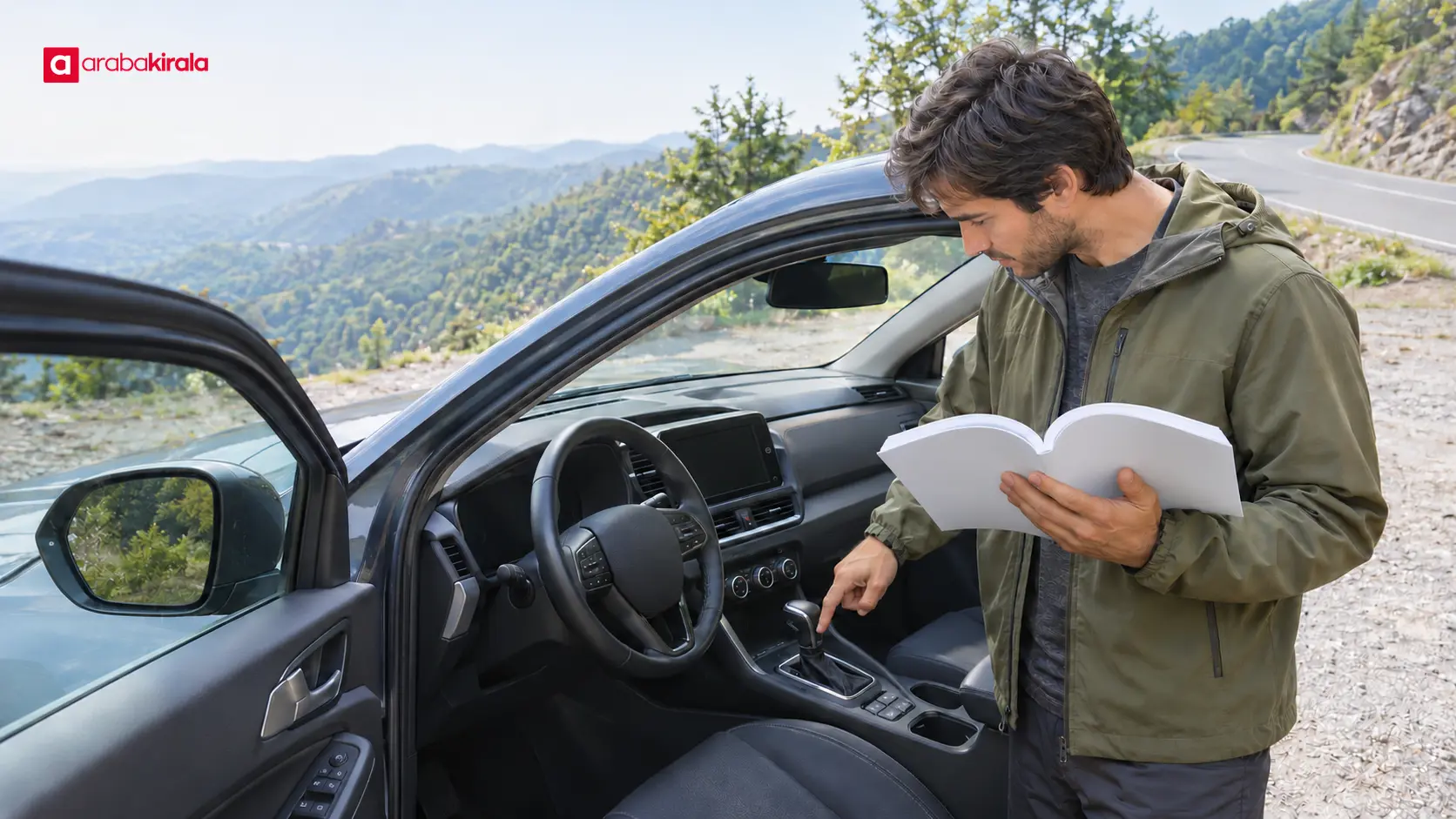
Some automatic cars have lower gear settings or drive modes that can support a downhill drive, but the options differ by model. Read the relevant section of the manual before setting off instead of experimenting on the road. Use the selector, mode, or steering controls only as the manufacturer describes. Shifting to neutral is not a safe substitute if the car does not have a dedicated feature.
Before setting off in a rental car
A rental car may have a gear layout, drive mode, or control you have not used before. Before moving, adjust the seat and mirrors and identify the dashboard indicators, lights, and gear selector. Read the owner’s manual to learn the manufacturer’s recommended approach to this technique. A short introduction makes it easier to find the controls before a long descent or an unfamiliar route.
If you need a detail specific to the vehicle or rental reservation, ask the branch from which you will rent. This is for vehicle and booking details; it does not replace general driving technique. If your route includes long mountain roads, it is useful to understand the vehicle’s controls and plan the route before departure.
Common mistakes to avoid
- Shifting to neutral: The car may gain speed and this approach is lost. Stay in a gear suited to the descent.
- Building speed, then braking hard: This leaves less room to react. Reduce speed before the slope.
- Selecting a very low gear at high speed: This can raise engine speed too much. Follow the vehicle’s instructions when changing gear.
- Relying on the method alone: Do not delay using the brake pedal when conditions call for it.
- Following too closely: Leave enough time and space to respond to traffic; increase the gap when conditions require it.
In summary and your next step
this subject is the slowing contribution of the engine and drivetrain when you lift off the accelerator. It can be useful on a downhill road when paired with a suitable gear and speed, but it does not replace the brake pedal. Reduce speed before the descent, choose a gear as the vehicle manual instructs, avoid coasting in neutral, and leave a following gap that suits the road.
Before driving, review the vehicle’s guidance on gears and downhill use. If you are unfamiliar with a rental car’s controls, stop safely and check the manual; direct vehicle or booking questions to the branch from which you will rent.
Frequently Asked Questions
Will this technique bring the car to a complete stop?
No. It can help reduce speed, but use the brake pedal when you need to slow further or stop. Keep a safe distance from the vehicle ahead as well.
Is it a good idea to shift to neutral while going downhill?
No. Neutral can remove the engine’s slowing effect and make speed control more difficult. Keep the car in a gear suited to the descent, following the vehicle manual.
Should I always use the lowest gear downhill?
There is no single gear for every vehicle and road. Speed, gradient, and manufacturer instructions guide the choice. Selecting a very low gear at high speed can raise engine speed excessively.
How do I use this approach in an automatic car?
Downhill modes and lower gear settings vary by vehicle. Check the owner’s manual and use the controls only in the way it describes.
Can I press the brake pedal while the method?
Yes. this subject and the brake pedal can work together. Apply the brakes smoothly when traffic, the slope, or a need to stop calls for it.
What should I do if the brakes feel different on a descent?
If braking power drops, the pedal feels unusual, or you notice a burning smell, stop in a safe place. Seek assistance before continuing to drive.
 Add ArabaKirala as a preferred source on Google