How to Plan a Seasonal Stargazing Trip Outdoors
Published: November 6, 2026 • Reading Time: 6 min • Last Updated: November 6, 2026 • Author: Merve B.
Learn how daylight, weather, and darkness shift through the seasons, then plan an outdoor skywatching trip with a suitable location, gear, and safety in mind.
Contents
- How seasons change the timing and goals of a trip
- Choose an observing goal first
- Assess darkness and access together
- Prepare for the season
- Spring and autumn
- Summer and winter
- Plan transport, timing, and vehicle needs
- Keep your equipment useful and manageable
- Make a final check and stay flexible
- Frequently Asked Questions
- Related Articles
Seasonal stargazing trip planning means considering more than what may appear in the sky. You also need to account for when darkness begins, the weather, safe access to the observing area, and the return journey. This guide explains how the seasons affect observing time, how to assess a location, and how to keep your equipment practical. Use those steps to turn an outdoor astronomy idea into a realistic plan.
How seasons change the timing and goals of a trip
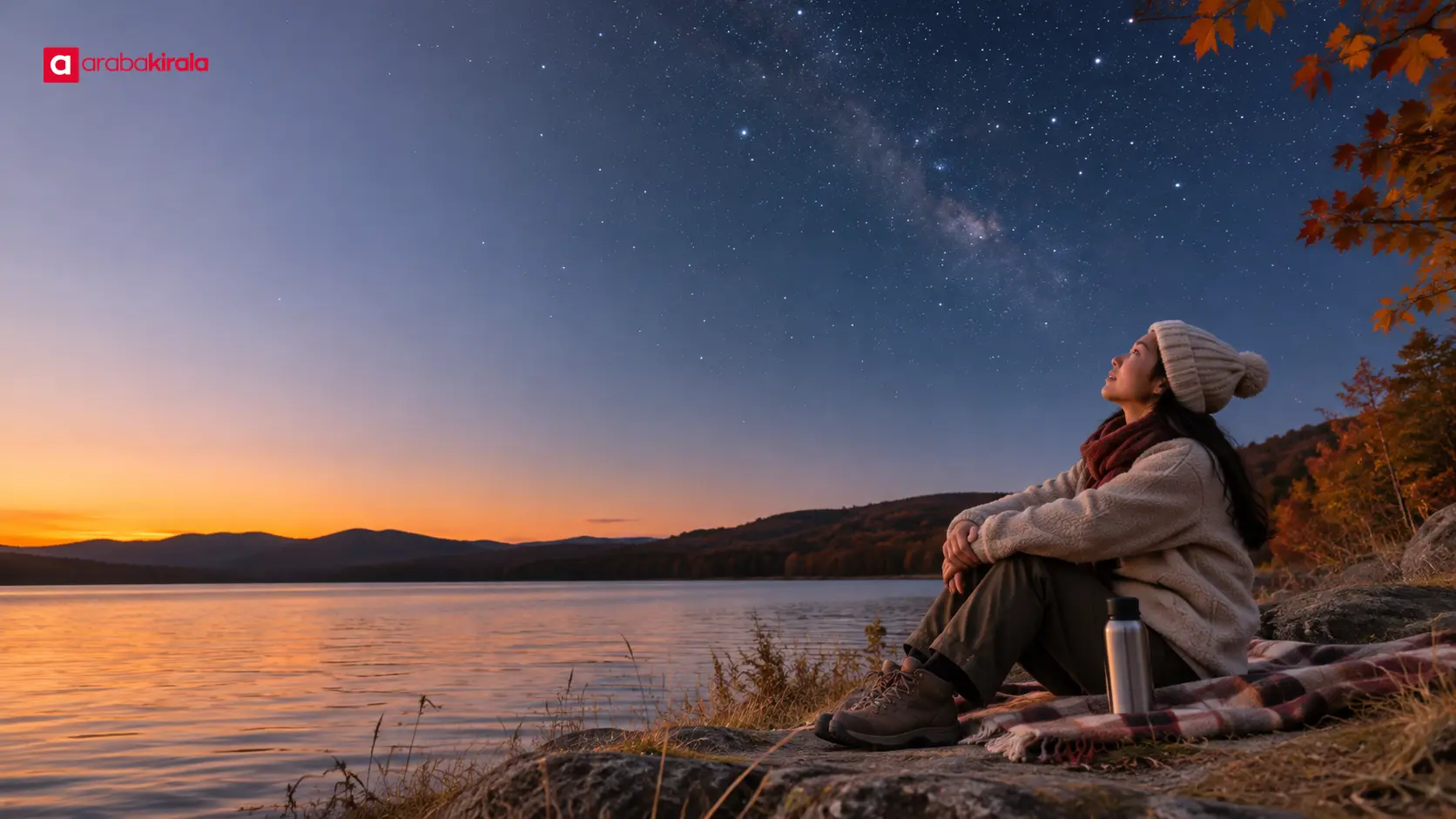
Sunset and the arrival of darkness shift over the year. Summer nights can be short, so the useful observing window may begin later. Winter darkness arrives earlier, but low temperatures and wind can make a long stay uncomfortable. Spring and autumn can offer a middle ground in daylight hours, though cloud and rain still need their own check.
Rather than choosing a date by habit, check sunset time and the moon's illumination. A bright moon can make faint stars and dim objects harder to see. The moon itself, however, can be an engaging target, especially through binoculars. Choosing an observing goal first helps you decide whether moonlight is a limitation or part of the plan.
Choose an observing goal first
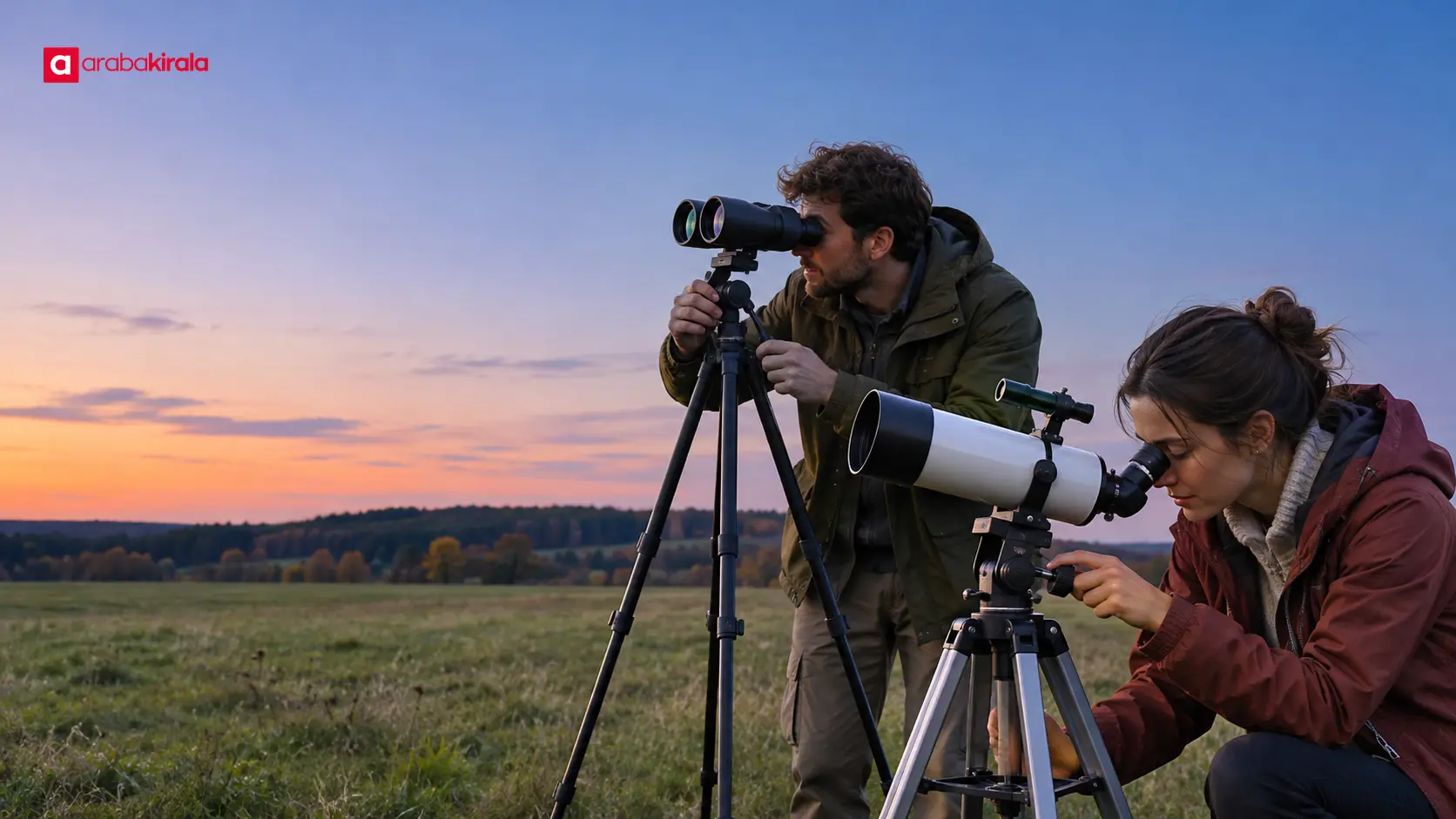
For a first outing, identifying naked-eye star patterns and bright planets is a useful starting point. Binoculars reveal more detail while keeping a broad field of view; a telescope takes extra time to set up and focus. If you want to watch a meteor shower or another timed event, verify its date and timing through a reliable astronomy source. Visibility depends on location and conditions.
Assess darkness and access together
Getting away from city lighting can make faint stars easier to spot. But a dark place is not automatically a suitable observing site. Check whether it can be used safely and lawfully, whether the ground is manageable on foot, whether a vehicle can reach it, and how you will return. Do not build a plan around private property, a closed road, or a place with unclear access.
Review nearby settlements and road lighting on a map, then check current weather and access information. Headlights, bright phone screens, and camp lights can affect dark-adapted vision. After parking, avoid unnecessary headlights and reduce screen brightness where practical. Keep enough light to move safely around the vehicle and site; comfort in the dark should not compromise visibility.
Prepare for the season
Spring and autumn
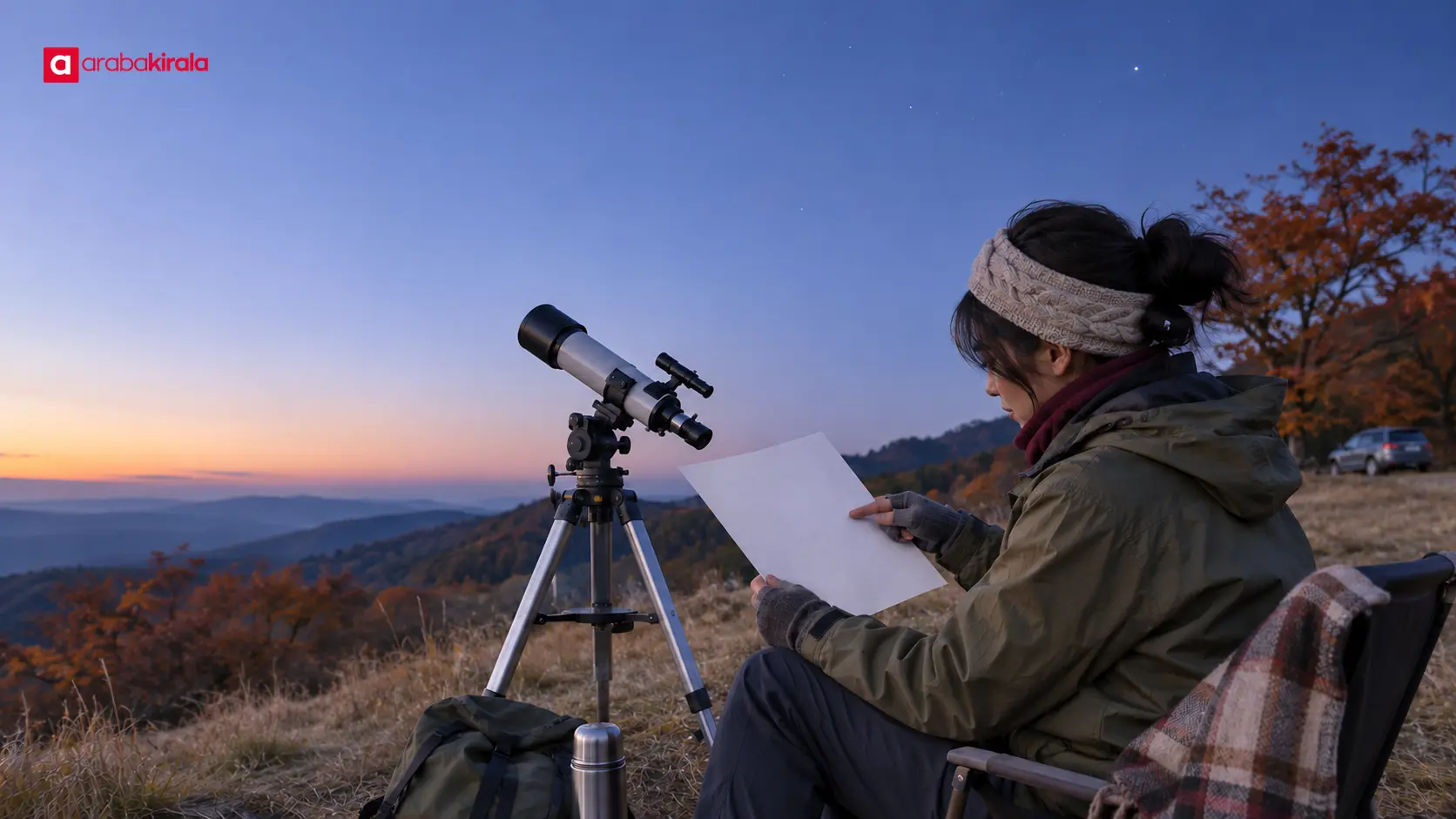
Temperatures can differ noticeably between daytime and night in these seasons. Dress in layers because you may be standing or sitting still for a while. A wind-resistant outer layer and removable mid-layer are useful. If dew or rain is possible, expect the ground to become damp and bring a waterproof sitting mat. Do not base your clothing only on the daytime high.
Cloud cover can change quickly during seasonal transitions. Recheck the forecast before leaving to avoid spending a long time waiting at an unsuitable site. Consider whether clouds are likely to obscure the part of the sky where your target will be. A short walk or a different date may be more worthwhile than a complicated telescope setup under thick cloud.
Summer and winter
Summer air may feel warm, but the night can still cool down. Consider water, a light extra layer, and suitable insect protection. Darkness may begin late, which matters if you are travelling with children or need to return early. Decide on an observing window and return time in advance so the outing does not end in a rushed drive.
In winter, cold ground and wind can reduce comfort and concentration. Gloves, warm layers, dry spare socks, and a warm drink can help. Try handling your observing equipment with the gloves you plan to wear. Ice or snow can make roads and walking surfaces difficult; postpone the trip if access is not safe.
Plan transport, timing, and vehicle needs
When the site is outside town, plan the return as carefully as the outbound drive. Consider distance, road type, fuel or charging needs, arrival time, and possible stops. Reduced visibility at night makes pedestrians, animals, and roadside obstacles harder to notice on rural roads. Do not watch the sky while driving; stop fully at a safe, permitted place before observing.
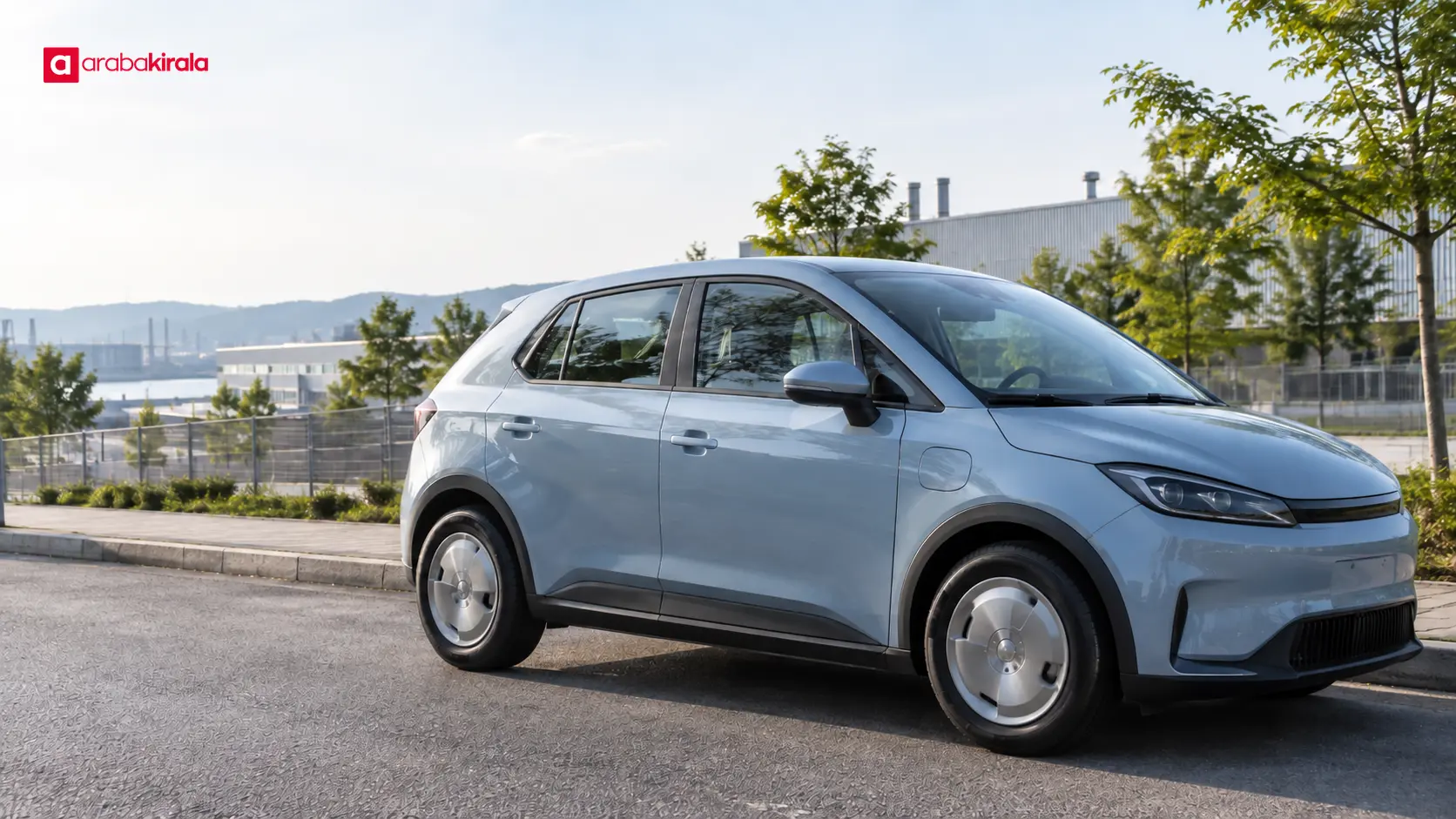
If you plan to use a rental vehicle, ask the branch you will rent from whether the vehicle class suits your luggage and route, and clarify the reservation-specific details for pickup and return times, mileage, fuel, and equipment for winter conditions. These details can vary by booking and location. At handover, compare the recorded condition, fuel level, and odometer reading with the vehicle so its starting state is clear.
Keep your equipment useful and manageable
- Optics: Choose naked-eye observing, binoculars, or a telescope based on your experience and goal. Practising setup beforehand reduces time spent working in the dark.
- Navigation: Carry an offline map, location details, and a simple sky plan. Account for phone battery drain during cold weather or extended use.
- Light: Bring a flashlight and spare batteries. Use low brightness while observing, but enough light to see the ground safely when walking or moving around the vehicle.
- Comfort: Pack season-appropriate clothing, water, a seat pad, and a weather-suitable ground cover. Extra equipment adds carrying and setup time.
- Safety: Bring basic first-aid supplies, a charged phone, and a return plan. Tell someone where you are going and when you expect to be back.
Make a final check and stay flexible
Before setting out, review sunset, moon visibility, cloud cover, wind, road conditions, and site access. If conditions do not suit your main target, choose an alternative: identifying star patterns, observing the moon, or taking a shorter sky break. Stargazing is weather-dependent, and clouds or visibility can change the plan.
When you leave, take your belongings and rubbish with you, and avoid unnecessary lighting. Keep a brief record of observing time, cloud conditions, location, and equipment that worked well. These notes make future seasonal stargazing trip planning more precise. If your start and destination are clear, ArabaKirala's relevant city or location pages may help you orient your travel planning.
Frequently Asked Questions
Which season is best for stargazing?
There is no single best season. Summer can be milder but darkness begins late; winter brings early darkness but adds cold and road concerns. Choose based on your observing goal, the forecast, and how long you can comfortably stay outside.
Does moonlight prevent stargazing?
No. Bright moonlight can make faint stars harder to see, but the moon can itself be an observing target. For dim deep-sky objects, consider darker moon phases; for lunar viewing, plan around the hours when the moon is visible.
Can I go stargazing without a telescope?
Yes. You can observe star patterns and bright objects with the naked eye. Binoculars add detail, and a telescope is optional. A simple observing plan and time for your eyes to adjust to darkness can be enough for a first trip.
What should I check before driving to an observing site?
Check road and weather conditions, whether the site is open to access, where you can park safely, and when you will return. For a rental vehicle, ask the branch about booking-specific mileage, fuel, return timing, and seasonal equipment.
What should I do if the forecast is cloudy?
If cloud is likely to cover your target, shorten the outing, choose another goal, or move the trip to another date. Do not travel when weather or road conditions are unsafe. Check the forecast again before departure.
Related Articles
- How to Plan a Seasonal Nature Observation Trip
- Planning a Nature Trip by Season: Trail Surfaces, Daylight and Visitor Preparation
- How to Plan a Wetland Birdwatching Trip in Summer or Winter
Legal Disclaimer: All content, articles and information on the Araba Kirala website are provided solely to inform users. No information shared on this website constitutes definitive advice or guidance. Araba Kirala Teknoloji A.Ş. and its authors cannot be held responsible for any direct or indirect damages arising from the application of information on the website. For all questions and requests regarding car rental, please contact the office from which you will rent your vehicle.
 Add ArabaKirala as a preferred source on Google