Seasonal Heritage Train Trip Plan: Timetables and Access

Published: November 5, 2026 • Reading Time: 6 min • Last Updated: November 5, 2026 • Author: Merve B.
Plan a seasonal heritage rail outing by checking operating dates, station access, connections, and a realistic day itinerary.
Contents
- Understand the seasonal timetable
- What to verify before choosing a date
- Plan access to each station
- Build a day itinerary with flexible blocks
- A practical planning sequence
- Review ticket and luggage details
- Prepare for delays or service changes
- Final check before leaving
- Frequently Asked Questions
- Related Articles
A seasonal heritage train trip plan starts with more than choosing a departure time. This guide explains how to verify operating dates, reach both stations, make useful connections, and shape a day that leaves room for delays and discovery. Seasonal services can change between operating periods, so build your itinerary around current official information rather than an old timetable or travel post.
Understand the seasonal timetable
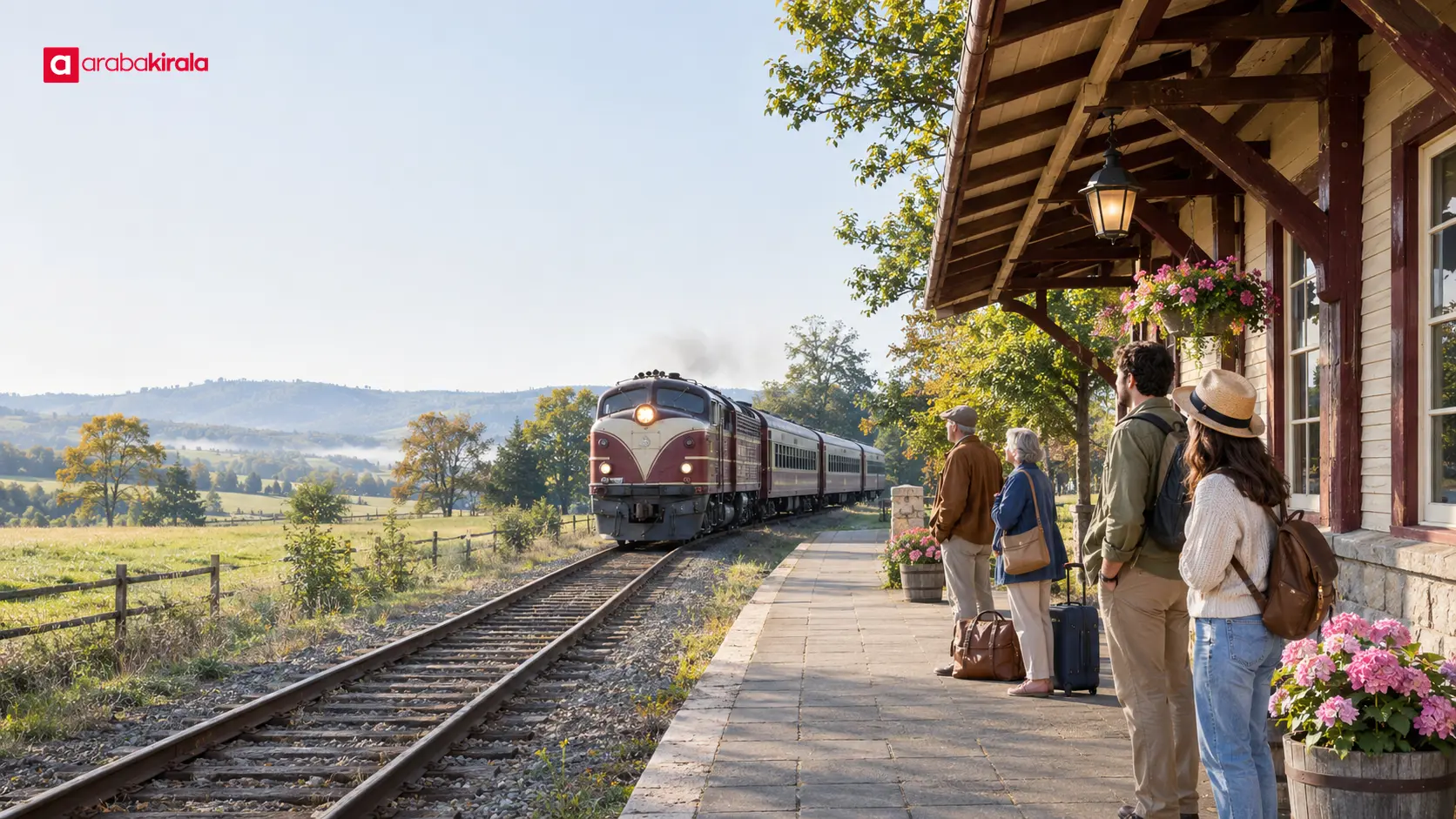
A seasonal train does not necessarily run every day or follow the same pattern throughout the year. Service may be limited to a defined period, selected weekdays, or specific dates. Begin by identifying the exact route and the railway operator, then check its official timetable and service notices for the dates you intend to travel.
Check the return journey separately from the outbound train. A route may have a useful departure but a return that leaves little time at the destination, or service may not run in both directions on the same day. Confirm the date, departure and arrival stations, times, and any transfers shown during ticket purchase. Recheck these details close to travel, because a seasonal schedule is time-sensitive.
What to verify before choosing a date
- Make sure the timetable applies to your intended travel period.
- Confirm that both outbound and return trains operate on your selected date.
- Match the station names and times on the ticket with your route plan.
- Check the operator’s official service updates before leaving.
Plan access to each station
The station may not be in the town center or beside the attraction you want to visit. Find the exact station name on your ticket and locate it on a map. Then work out how you will reach the departure station from home or your accommodation, and how you will continue from the arrival station to the day’s destination.
Walking, local transit, taxi, and driving each have different travel times and operating hours. An early train may leave before local transit begins, while a late return may arrive after some services stop. If driving to the station, research where parking is available, how to reach the entrance, and how long it takes to get back to your vehicle. Do not assume that parking is provided or available.
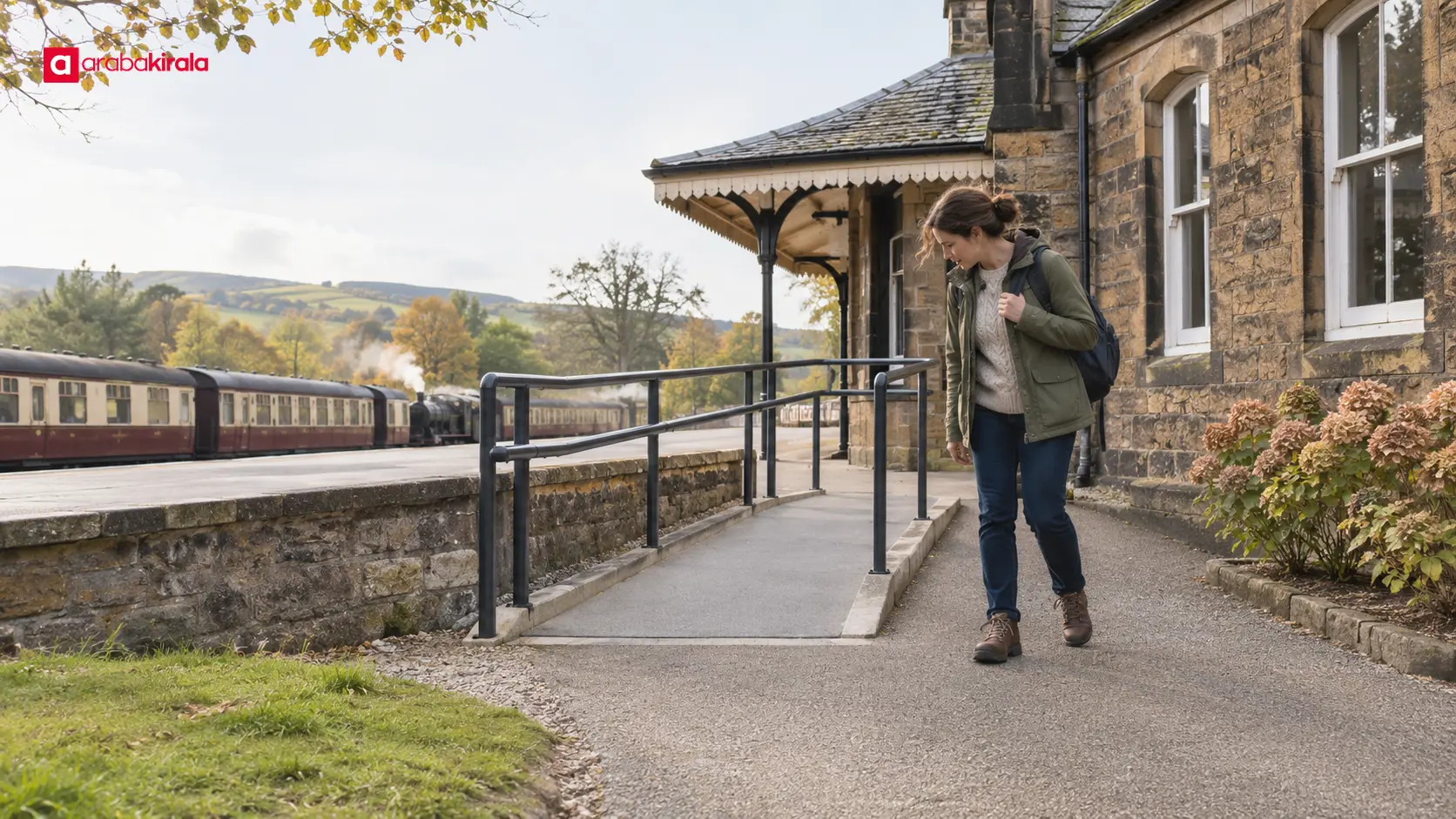
Consider the station layout as well as the route to it. Steps, platform crossings, walking distances, and luggage can affect how much time you need. Travelers with mobility or accessibility requirements should confirm the facilities and assistance arrangements at the specific station and on the specific train with the operator in advance. One station’s features do not establish what another station provides.
Build a day itinerary with flexible blocks
Divide the day into practical blocks: getting to the station, boarding, reaching the destination from the arrival station, the main activity, and returning for the train. Leave room in each block for navigation and local transport. A schedule filled minute by minute can become stressful if a connection takes longer than expected.
Check the route from the arrival station to the places you want to visit. If an attraction has opening hours, timed entry, or booking requirements, verify them through its own official channel. Decide when you need to be back at the station for the return train, then choose activities that fit before that point. Treat the station return time as a fixed anchor in the day.
A practical planning sequence
- Choose an operating date and confirm both directions of travel.
- Plan access to the departure station and onward travel from the arrival station separately.
- Pick one main activity and leave remaining time for meals, walking, or rest.
- Work backward from the return train to set a realistic station arrival time.
- Recheck timetable notices and local transport information on travel day.
Review ticket and luggage details
Before buying, check the date, direction, departure and arrival stations, times, and passenger information. Whether a ticket includes an assigned seat, and what options exist for changing or refunding it, can depend on the service and ticket type. Read the current purchase information and the operator’s official terms instead of assuming a general rule.
Pack for the actual length and activities of the day. Conditions for unusual or bulky luggage, bicycles, or other special items can vary by operator and train. Ask the railway operator about anything that affects your trip. Keep personal belongings with you at stations and on board.
Seasonal weather can shape the station walk, outdoor waiting, and time spent exploring. Choose suitable clothing and bring water as appropriate. These are general preparations; they do not guarantee that a particular station or train offers specific facilities or supplies.
Prepare for delays or service changes
Know where the operator publishes current service information before departure. If the schedule changes, compare the update with your ticket and follow the official instructions. Options after a delay, cancellation, or missed connection depend on the service and ticket conditions. Get current information from the operator rather than assuming a particular outcome.
This matters especially when the return train is the last practical connection of the day. Research possible alternative transport in advance, while recognizing that an alternative may not be available at every location or time. Keeping accommodation and activity bookings aligned with the train schedule can also make a changed itinerary easier to manage.
Final check before leaving
- The current operating dates and both directions have been confirmed.
- The ticket’s station names and times match the itinerary.
- Access to both stations and onward local transport have been researched.
- Activity hours, station return time, and rest breaks fit within the day.
- Questions about luggage, accessibility, or special needs have been checked with the operator.
A well-made seasonal heritage train trip plan connects the timetable to station access and the time available at the destination. Start by finding a date on the official schedule, then check how you will reach each station and make the return connection. If a car is part of your journey to a station or local destination, consider that leg alongside the full itinerary, without assuming any particular parking or rental arrangement.
Frequently Asked Questions
Where can I verify seasonal train operating dates?
Start with the railway operator’s current official timetable, service notices, and ticket channels. A previous season’s schedule or an older travel article may be useful background, but it does not confirm current operating dates or times.
What should I check before buying a train ticket?
Match the date, direction, departure and arrival stations, times, and passenger details to your itinerary. Review current ticket information for seat assignment and any change or refund options that apply to that purchase.
How early should I arrive at the station?
There is no single arrival time that suits every station and service. Allow for your route to the station, its layout, any ticket steps, and your luggage. Follow any boarding guidance published by the operator for your specific trip.
How do I plan onward travel from the arrival station?
Locate the station and compare walking, local transit, and other available options with the train’s arrival time. Check local service hours and choose a return-to-station time that leaves a realistic margin before your train.
How can I keep the itinerary workable if the train is delayed?
Give the main activity a flexible place in the day, leave enough time before the return train, and research possible alternatives in advance. During a disruption, follow the operator’s official updates and instructions.
Who should I contact about special luggage or accessibility needs?
Ask the railway operator and, where relevant, the specific station about the train and facilities you will use. Conditions can vary by service, station, and date, so do not treat a general online description as confirmation for your journey.
Related Articles
- Seasonal Canyon Trip Planning: Routes, Time and Safety
- Seasonal Photography Trips: Planning Sunrise, Sunset, and Natural Light
- Planning a Seasonal Observation Terrace Visit: Wind, Views and Access
Legal Disclaimer: All content, articles and information on the Araba Kirala website are provided solely to inform users. No information shared on this website constitutes definitive advice or guidance. Araba Kirala Teknoloji A.Ş. and its authors cannot be held responsible for any direct or indirect damages arising from the application of information on the website. For all questions and requests regarding car rental, please contact the office from which you will rent your vehicle.
 Add ArabaKirala as a preferred source on Google