WRC Brake Cooling and Air Ducts: What Do They Do?
Published: November 4, 2026 • Reading Time: 7 min • Last Updated: November 4, 2026 • Author: Merve B.
Learn why rally brakes heat up, how air ducts help manage heat, and why cooling matters for consistent braking and component durability on a WRC stage.
Contents
- Why do rally brakes heat up?
- How do brake air ducts work?
- Brake temperature and performance
- How stage conditions influence cooling
- Asphalt and faster sections
- Gravel and dust
- Cold and wet conditions
- What other parts contribute to heat management?
- What to look at when assessing a brake duct
- What this technology means for everyday driving
- Summary and next step
- Frequently Asked Questions
- Related Articles
- Sources
WRC brake cooling helps manage the heat generated when a rally car slows down. This guide explains why brakes heat up over a stage, how air ducts direct airflow toward the brake area, and what cooling means for consistent braking and component durability. It also covers how road surface, speed and repeated braking affect thermal load, so the role of the ducts can be understood in the context of the whole system.
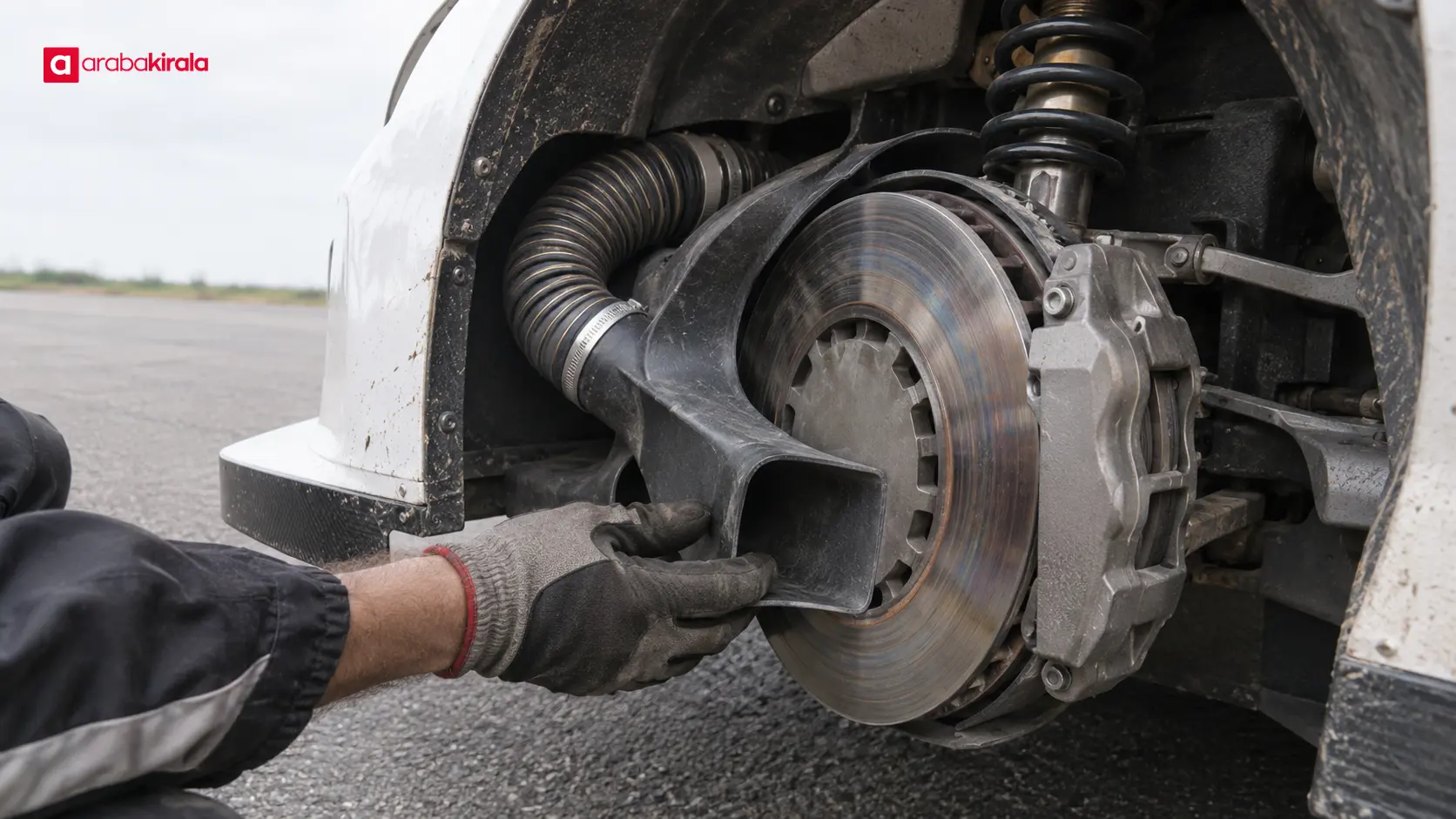
Why do rally brakes heat up?
When a moving car brakes, much of its kinetic energy becomes heat. Brake pads press against the discs, and friction reduces the car’s speed while warming the disc, pad and nearby parts. Repeated hard braking turns energy into heat again and again, sometimes with only short intervals between braking points.
A rally stage can combine tight corners, descents, changing grip and short acceleration zones. These conditions shape how often and how firmly the driver brakes. Gravel, asphalt and snow also provide different levels of grip, so the braking pattern and resulting heat are not identical on every surface.
Heat is a normal part of braking; its presence alone does not mean a fault. The goal is to keep temperatures within a range suited to the design and operating conditions. Excessive heat can affect consistency and wear, which is why managing temperature is part of a competition car’s braking setup.
How do brake air ducts work?
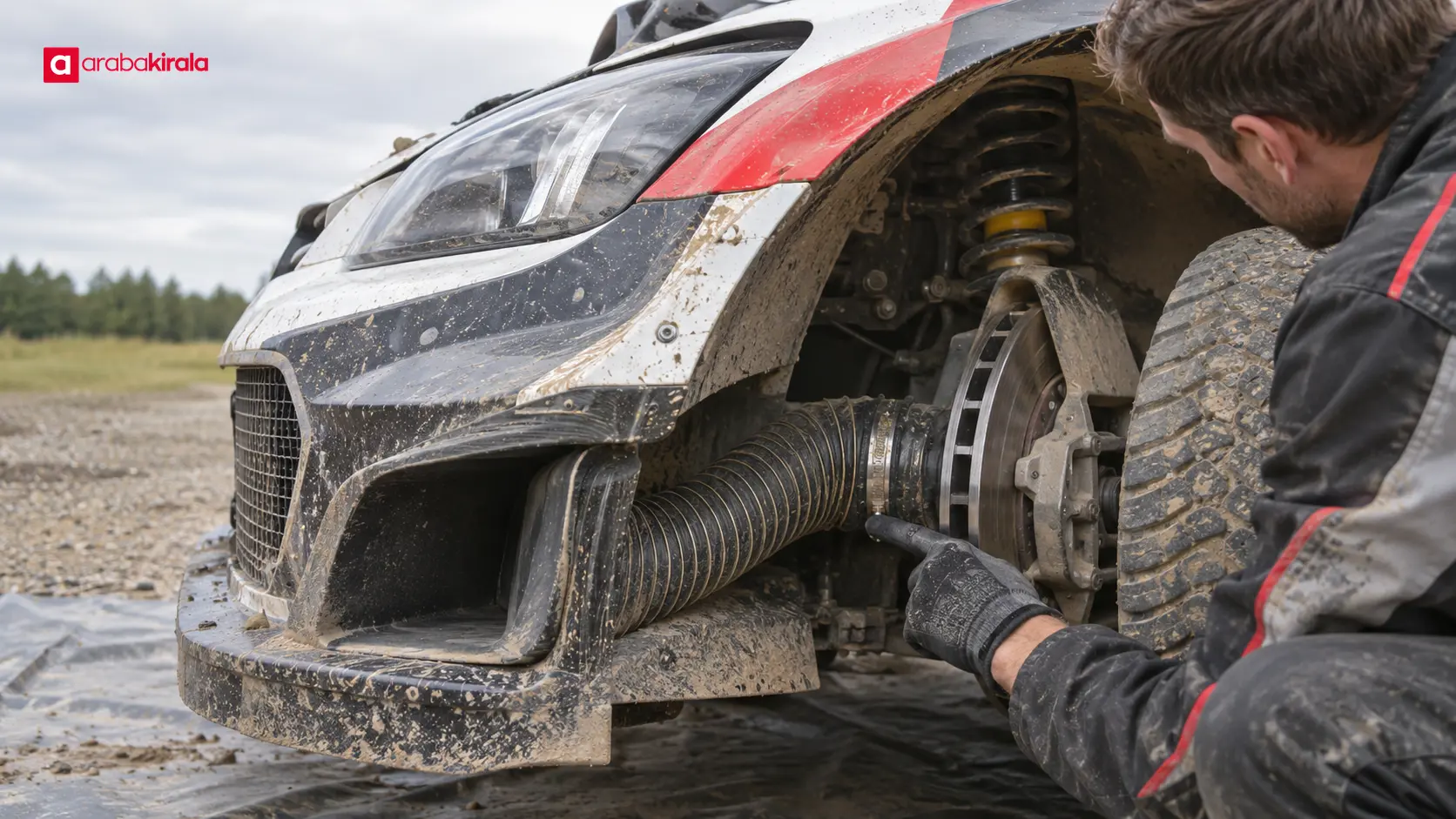
A brake air duct collects outside air and guides it toward the brake area. Depending on the design, the air may be taken from an opening at the front of the car or another suitable body location. It passes near the disc or other components, helps transfer heat away from surfaces and lets warmed air disperse around the wheel area.
A duct is not a standalone cooler that blows pressurised air onto the brakes. Its effect depends on the inlet location, the shape and length of the route, airflow around the wheel, and vehicle speed. Air must reach the intended area for the design to help. A larger opening by itself does not guarantee lower brake temperatures in every condition.
Rally cars operate at changing speeds and on different surfaces. Duct routing is considered alongside aerodynamic and mechanical needs, and the brake disc, caliper, pad, wheel and surrounding space all influence how air moves. The duct is one part of a system rather than a complete solution on its own.
Brake temperature and performance
Brake components are selected to work within suitable temperature ranges. Pad material and disc design influence how the system responds to heat and friction. If parts are too cool or become excessively hot, the driver may not get the expected feel or consistent deceleration. A predictable pedal and repeatable braking response matter over a long stage.
High temperatures create additional thermal load on pads and discs. Over time or under sustained stress, heat can affect wear and consistency. Cooling is therefore not only about producing a strong stop once; it also helps the system deliver similar responses through repeated braking zones.
More airflow is not automatically better. The system needs an appropriate balance between airflow and operating temperature. Too much or too little directed flow can have different effects under different speed and stage conditions. Teams assess the setup against the car’s technical needs and the conditions it will face.
How stage conditions influence cooling
Asphalt and faster sections
Grip and speed on asphalt affect where and how the driver brakes. Slowing sharply from a high speed can generate substantial heat in a short time. The airflow around the car also changes with speed, affecting how much air a duct collects and where it carries it. Corner frequency, descents and braking rhythm contribute to the overall thermal load as well.
Gravel and dust
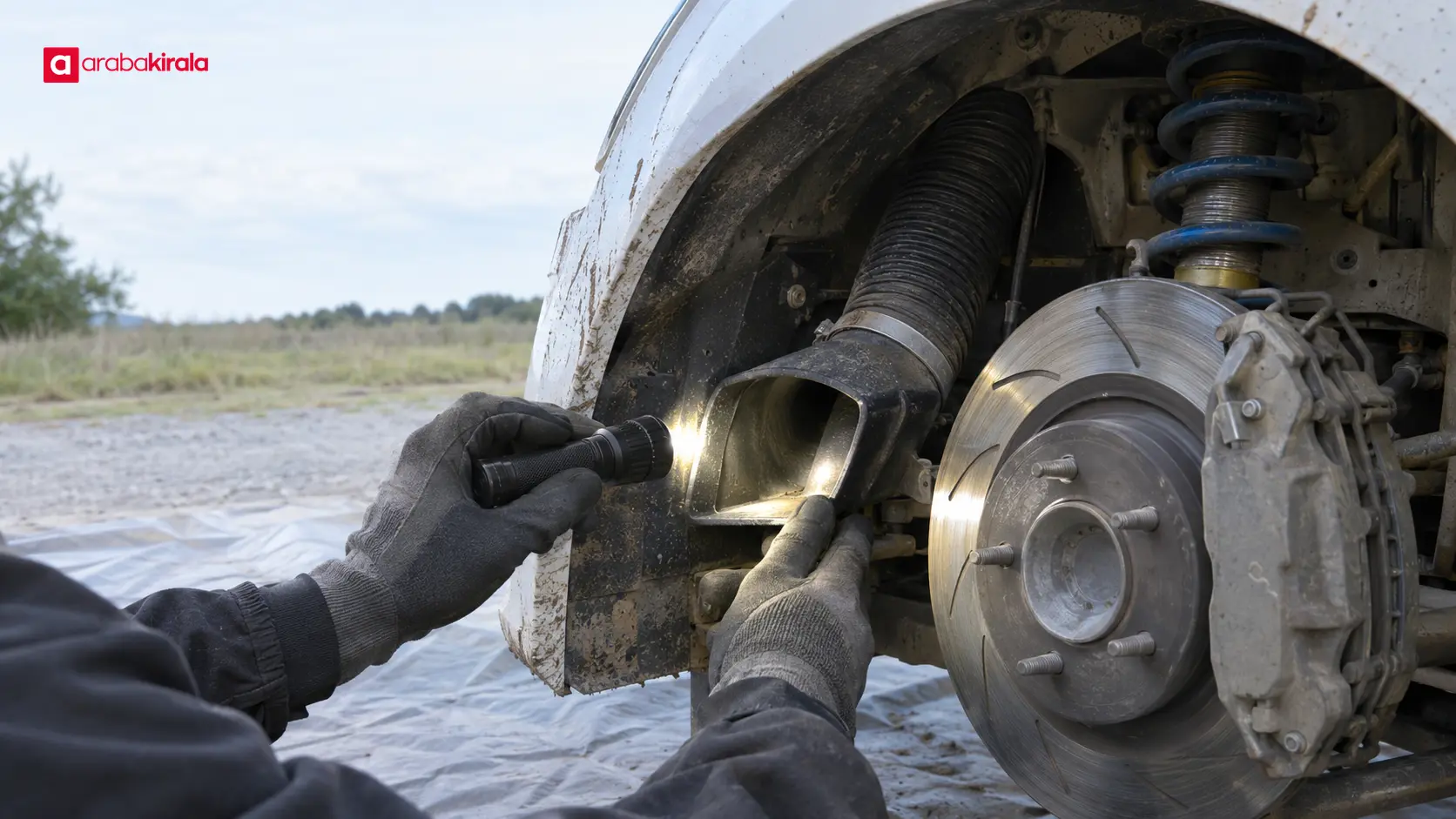
Grip can vary on gravel, changing braking points and pedal use. Dust and small particles also alter the environment around the wheel. Duct design must direct air toward the brake area while accounting for the conditions in which the car operates. During a technical inspection, the duct’s condition and clearance from surrounding components matter.
Cold and wet conditions
Ambient temperature and a wet surface affect the balance between heat gain and heat loss. In cold conditions, the system may take longer to reach its operating temperature. Water and road debris can also affect the area around the brakes. These variables help explain why cooling is considered in relation to each stage’s conditions.
What other parts contribute to heat management?
Heat management is shared across several components. Disc size and construction, pad compound, caliper design and brake fluid all influence system behaviour. Wheel shape and airflow inside the wheel can also affect heat dissipation. Changing one part alone does not guarantee an overall improvement; components are selected to work together.
Technical decisions for a rally car depend on its intended use, stage characteristics and the relevant technical framework. A solution developed for competition should not be assumed suitable for every road car. For a production vehicle, follow its owner’s manual and seek qualified service advice about maintenance, replacement parts or suspected faults.
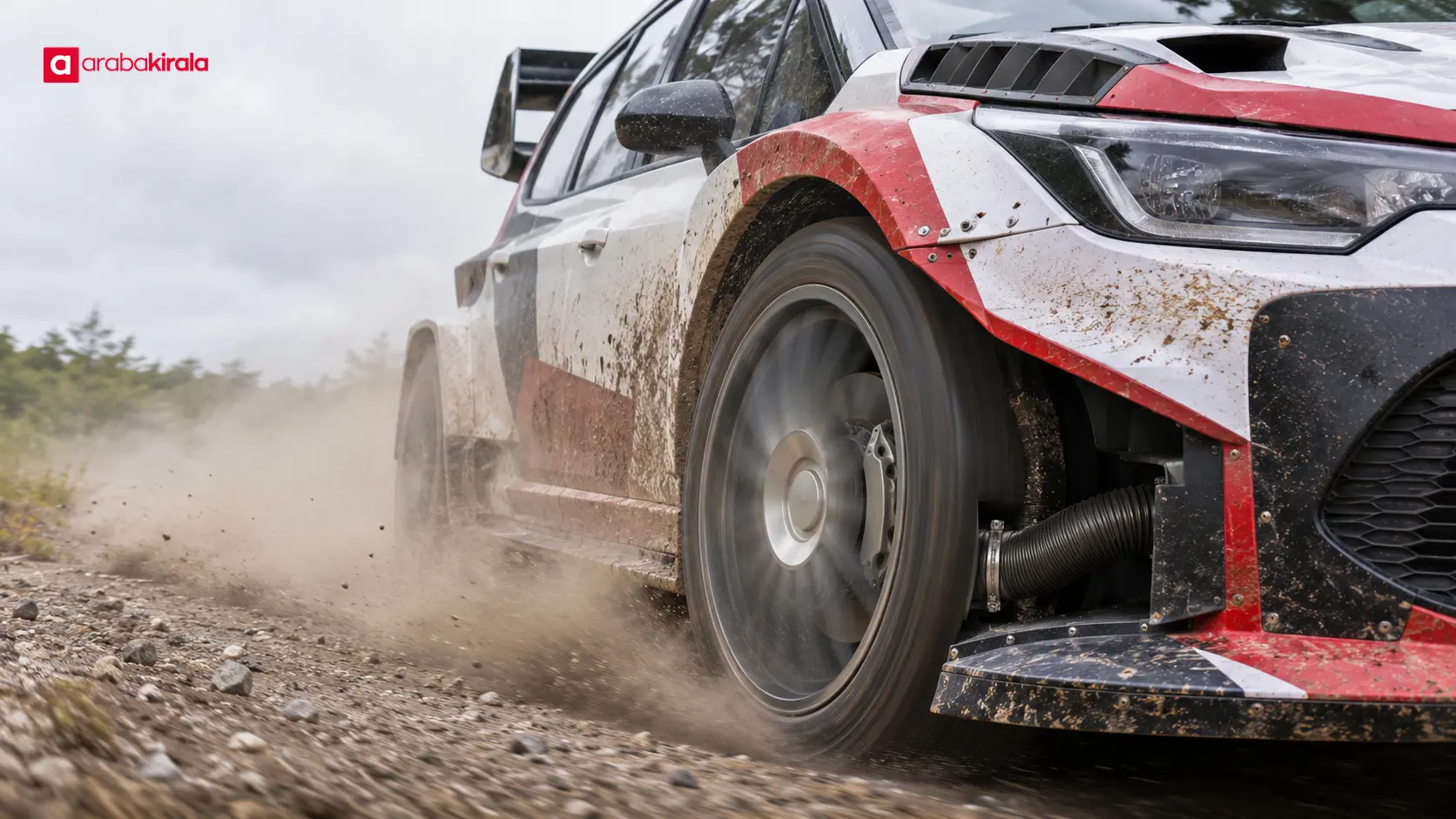
What to look at when assessing a brake duct
The inlet opening alone does not show how well a duct performs. Consider where air is collected, how it travels, which part of the brake it reaches and how warmed air disperses. The duct’s mounting and clearance from nearby parts also matter for maintaining the intended route.
- Air inlet: Consider the opening’s position and the shape of the body around it.
- Air route: Check whether the passage guides airflow toward the brake area without obstruction.
- Target area: Note how air reaches the disc and other heat-exposed components.
- Operating conditions: Surface, speed, cornering and braking frequency help determine system needs.
- System fit: Assess the duct alongside the disc, pads, wheel and other related components.
These points explain the design principles; determining a competition car’s setup requires technical expertise, vehicle data and evaluation. If brakes produce smoke, an unusual smell or noise, or a clear loss of performance, stop in a safe place and seek professional help. Do not touch hot brake parts or dismantle the system yourself.
What this technology means for everyday driving
WRC ducts illustrate that braking involves both producing deceleration and managing the resulting heat. Road cars also generate heat when braking, but a competition car’s ducts, components or settings are not necessarily present or suitable on a regular vehicle. Cooling approaches differ according to the manufacturer’s design.
For everyday drivers, the practical lesson is to take changes in brake behaviour seriously and follow the maintenance guidance for the vehicle. On descents, managing speed and braking in a way that suits the conditions can help avoid unnecessary strain. If pedal feel changes, a brake warning appears, or unusual sounds or smells develop, arrange an inspection by a qualified service professional.
Summary and next step
WRC brake cooling is part of managing the heat produced during braking. Air ducts guide outside air toward the brake area, while their effect depends on speed, duct design, stage surface and the other parts in the system. Together, these factors help teams manage thermal load and seek consistent braking response.
When you next watch a rally, look beyond the duct inlet: consider where the air travels and the conditions the car faces. For your own vehicle, consult its manual instead of copying a competition setup, and seek qualified inspection if you notice a brake symptom or need maintenance.
Frequently Asked Questions
Does a brake air duct cool the disc directly?
A duct guides air toward the disc and nearby hot components, helping heat transfer away from those surfaces. Its effect depends on its position, airflow and the brake system’s operating conditions. A duct alone does not resolve every heat issue.
Why can rally brakes heat up so quickly?
High-speed deceleration, repeated braking, descents and changing grip can make the brakes convert energy into heat at short intervals. The resulting thermal load varies with driving, road conditions and the characteristics of the brake components.
Does a larger air duct always cool brakes better?
No. The route and destination of the airflow, and how it behaves at the car’s speed, matter as much as the inlet size. The design needs to fit the brake system and the rest of the car; one dimension cannot guarantee the best result for every stage.
How does gravel affect brake cooling?
Variable grip on gravel can change braking patterns, while dust affects the environment around the wheel. Cooling design is therefore considered in light of the surface, airflow route and the components the air is meant to reach.
Can I fit rally-style brake ducts to my road car?
A competition solution may not suit a road car’s design. Compatibility depends on the vehicle, manufacturer guidance and how components work together. Consult the owner’s manual and a qualified service professional before considering a modification.
Related Articles
- What Does Underbody Protection Do on a WRC Rally Car?
- How Do Turbochargers and Engine Air Supply Work in WRC Rally Cars?
- How WRC Rally Car Brakes Adapt to Different Surfaces
Sources
Legal Disclaimer: All content, articles and information on the Araba Kirala website are provided solely to inform users. No information shared on this website constitutes definitive advice or guidance. Araba Kirala Teknoloji A.Ş. and its authors cannot be held responsible for any direct or indirect damages arising from the application of information on the website. For all questions and requests regarding car rental, please contact the office from which you will rent your vehicle.
 Add ArabaKirala as a preferred source on Google