WRC In-Car Communication Systems for Rally Crews
Published: November 3, 2026 • Reading Time: 6 min • Last Updated: November 3, 2026 • Author: Merve B.
Learn how WRC drivers and co-drivers communicate through cockpit noise, what an intercom does, and how crews prepare and use the system during a rally stage.
Contents
- Why rally cockpits need dedicated communication equipment
- Main components and what they do
- Helmet microphone and headset
- Intercom controls and connections
- How the intercom supports pace-note calls
- Pre-stage checks and useful habits
- Is the cockpit intercom the same as a team radio?
- Describing common audio problems
- Summary and next step
- Frequently Asked Questions
- Related Articles
- Sources
The WRC in-car communication system helps a driver and co-driver hear and understand one another during a rally stage. This guide explains the main equipment, its role in pace-note calls, and practical preparation and use. The system does not drive the car or replace the crew's agreed duties; it supports communication under demanding cockpit conditions.
Why rally cockpits need dedicated communication equipment
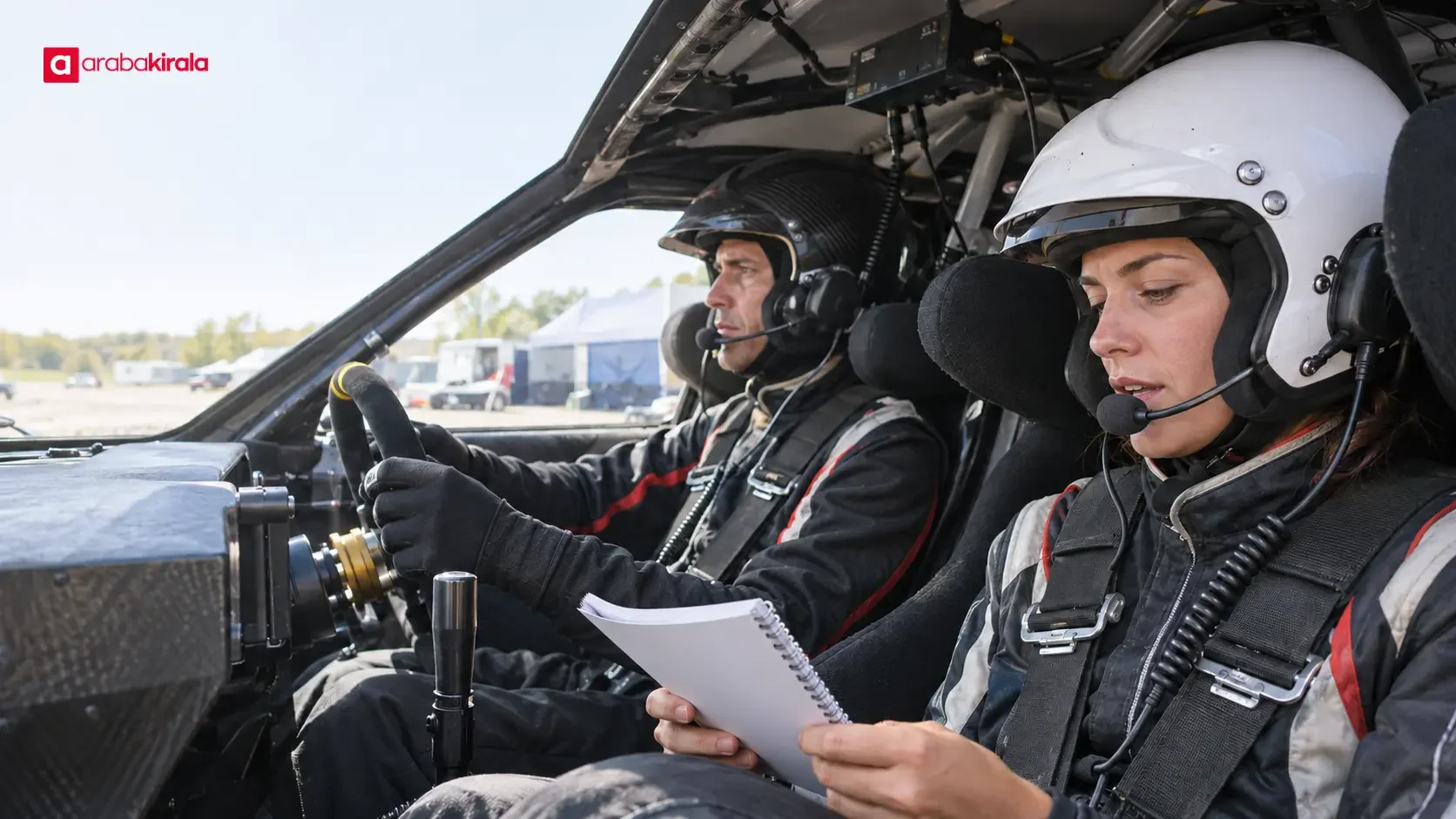
A rally car produces sound from its engine, drivetrain, tyres, the road surface and airflow. The crew also wears helmets and works amid vibration and physical movement. A normal speaking voice can be difficult to hear clearly in those conditions, especially when the co-driver needs to deliver a sequence of concise calls.
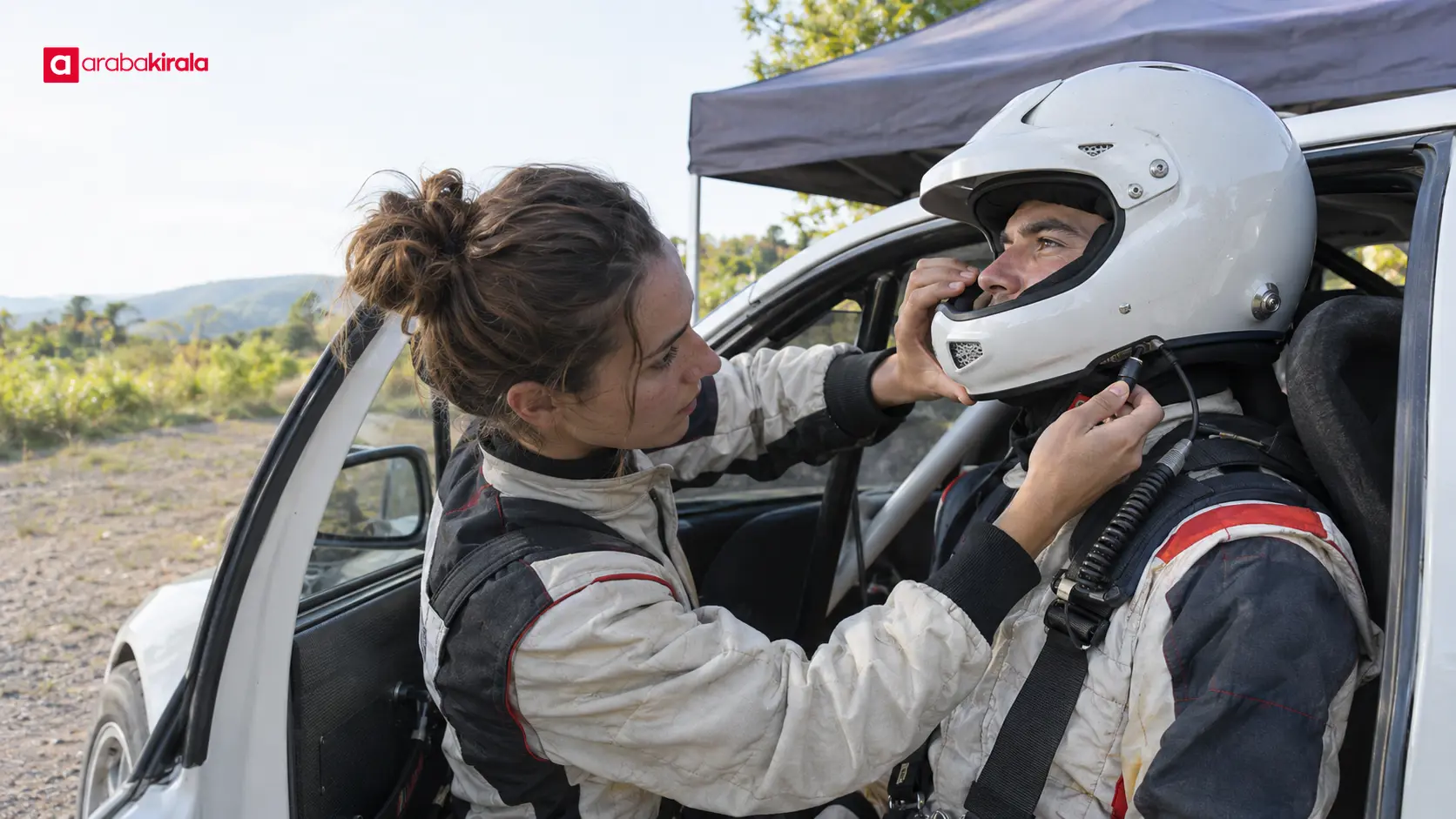
An intercom carries speech between the crew through microphones and headsets fitted inside their helmets. The driver can listen while concentrating on steering and vehicle response, and the co-driver can read notes without relying on shouting. Clear communication still depends on good timing, familiar terminology and both crew members understanding the calls.
Main components and what they do
Helmet microphone and headset
The headset lets each crew member hear the other inside the helmet. The microphone picks up speech and feeds it to the intercom. Position, connection quality and the fit of the helmet can affect how clearly a voice comes through. Comfort matters too: pressure or a displaced headset can distract the wearer.
Intercom controls and connections
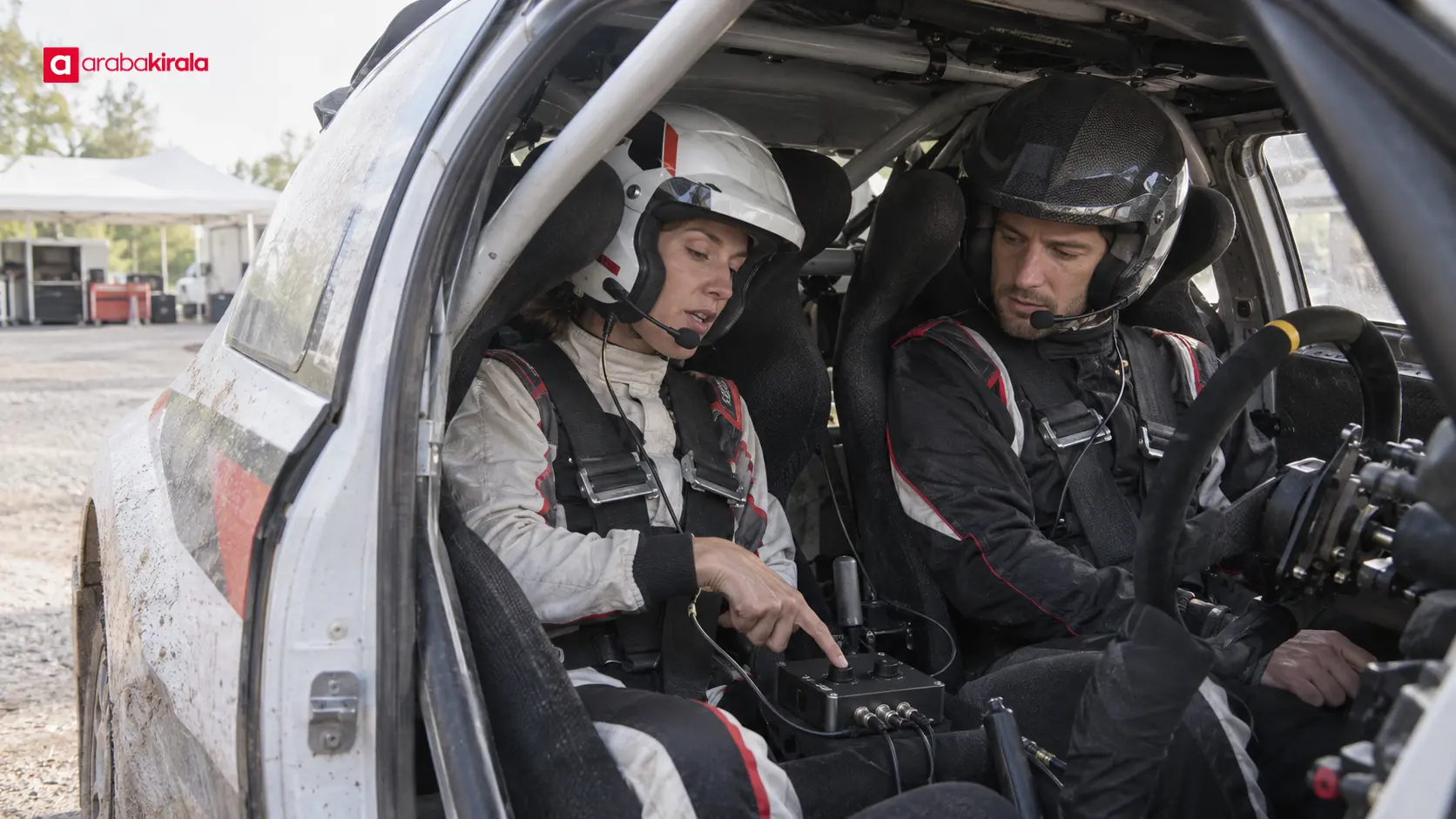
The intercom unit carries the audio between crew members. Some installations allow adjustments to listening volume or microphone sensitivity. Layouts can vary between cars, so there is no single control arrangement to assume. Cables and connectors can be affected by movement and vibration; each crew should know the setup fitted to its car.
Communication equipment is part of a rally car's technical setup. This overview does not describe a particular team's equipment or claim that every car uses an identical configuration. For event requirements, crews should refer to the applicable official rally regulations and the instructions supplied for their equipment and vehicle.
How the intercom supports pace-note calls
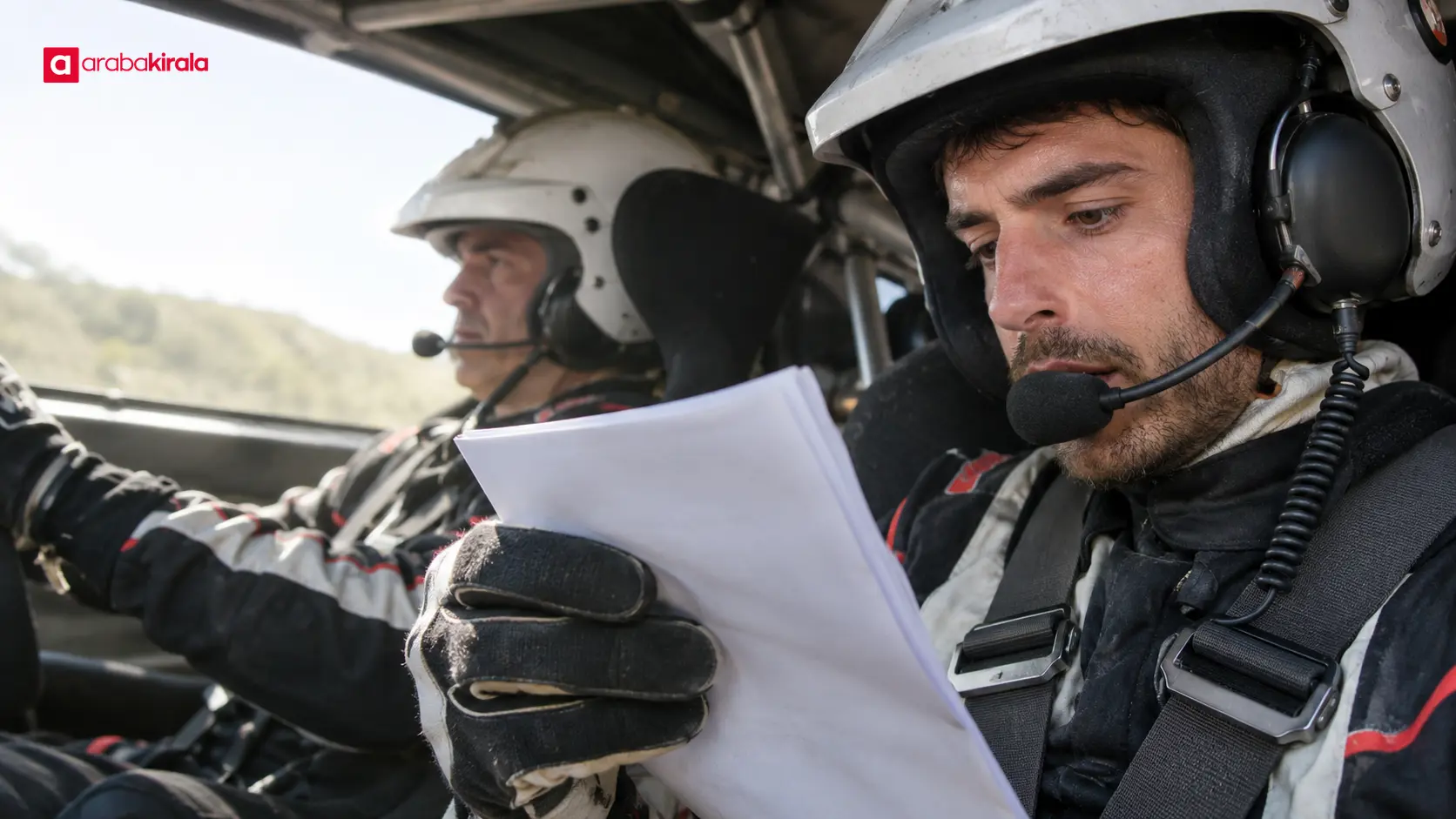
The co-driver reads pace notes prepared before the stage. A team's notation can differ, but calls commonly communicate features of the road ahead, such as direction, shape or a point requiring attention. The driver interprets those calls together with what is visible, how the car responds and the conditions on the road.
The intercom makes the calls easier to hear; it does not check whether a note is accurate or sense the road. The co-driver's rhythm and clear delivery remain essential. Crews also benefit from agreeing on concise feedback for a call that is unclear or not heard, so a brief exchange does not turn into competing speech.
Pre-stage checks and useful habits
Checks should follow the crew's own equipment and event procedures. A short sound check before a stage can confirm that both people can hear and speak clearly. With helmets on, the crew can also check microphone position, headset fit and whether a cable or connector feels loose.
- Have both crew members speak briefly at a normal volume and confirm the sound is clear at both ends.
- Check that the microphone sits in the intended position and that the helmet headset is comfortable.
- Report intermittent audio, loose connections or crackling to the responsible crew member before the stage.
- Set the volume for intelligibility; excessively loud audio can cause discomfort.
- Agree on call rhythm and brief phrases to use when something is not understood.
These checks are not instructions for repairing equipment while driving. During a stage, attention must remain on driving and crew duties. If communication fails or equipment causes discomfort, the crew should follow the event's safety procedures and its own team instructions.
Is the cockpit intercom the same as a team radio?
The cockpit intercom is for speech between the driver and co-driver. Communication with a team or event control may use a separate arrangement and different equipment or procedures. The presence of one does not imply that every car has the same devices or access method for the other.
This distinction helps crews describe a problem accurately. They can say whether the issue affects speech between the helmets or communication outside the car. Identifying the affected connection gives the technical team a more useful starting point for inspection.
Describing common audio problems
Muffled speech, intermittent dropouts, sound in only one headset and a microphone that does not pick up a voice are different symptoms. It can also help to note whether the issue appears only under vibration or when a helmet is in a particular position. Such observations do not prove the cause, but they give a technician useful context.
Any change to a helmet, intercom or wiring should follow the equipment maker's instructions and the guidance of the people responsible for the car's setup. Improvised cable fixing, altering a helmet's structure or drilling into safety equipment is not an appropriate troubleshooting shortcut.
Summary and next step
The WRC in-car communication system helps the co-driver deliver pace notes and the driver respond clearly amid cockpit noise. Helmet microphones and headsets work with the intercom connections; crew familiarity, suitable adjustment and a sound check all contribute to usable communication.
When watching rally coverage, it is useful to distinguish an intercom from an automatic driving aid or a radio link to the outside. For equipment or operating details tied to a particular event or car, consult the official event documents and the responsible technical crew.
Frequently Asked Questions
How does a co-driver's voice reach the driver?
The co-driver's helmet microphone sends speech through the intercom, and the driver hears it through the headset inside their own helmet. Clarity depends in part on microphone position and appropriate audio settings at both ends.
Does a rally intercom eliminate engine noise?
The intercom is intended to make crew speech audible; it should not be described as removing all cockpit noise. Helmet sound insulation and the equipment installation can also affect what the crew hears.
Does the communication system create the pace notes?
No. The crew prepares pace notes during stage preparation. The intercom helps the co-driver deliver them to the driver; it neither generates nor verifies the notes.
What can indicate an intercom problem?
Intermittent audio, one-sided sound, muffled speech or a microphone that fails to pick up a voice are examples of symptoms. Recording when and on which connection the symptom occurs can help the technical crew inspect it.
Is the cockpit intercom the same as a team radio?
No. The intercom connects the two crew members inside the car. Communication with a team or event control can be a separate system and may vary by car and event.
Can a driver adjust a helmet or intercom without help?
A basic audio check can follow team procedures. Changes that affect helmet structure, wiring or the car's safety setup should follow manufacturer instructions and direction from the responsible technical personnel.
Related Articles
- How Driver and Co-Driver Communication Works in a WRC Rally Cockpit
- How WRC Rally Car Brakes Adapt to Different Surfaces
- What Is WRC Car Homologation? How Compliance Is Checked
Sources
Legal Disclaimer: All content, articles and information on the Araba Kirala website are provided solely to inform users. No information shared on this website constitutes definitive advice or guidance. Araba Kirala Teknoloji A.Ş. and its authors cannot be held responsible for any direct or indirect damages arising from the application of information on the website. For all questions and requests regarding car rental, please contact the office from which you will rent your vehicle.
 Add ArabaKirala as a preferred source on Google